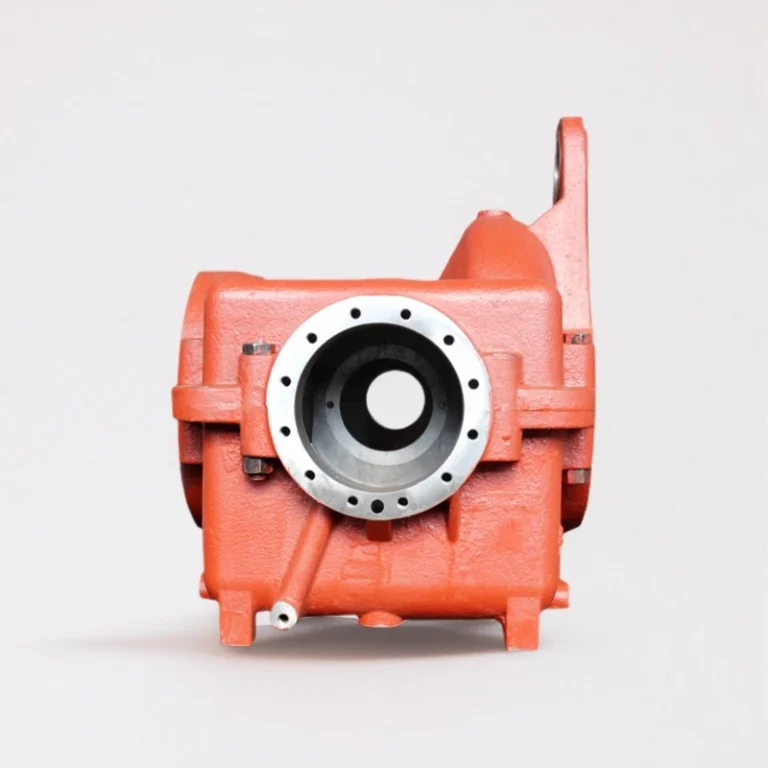
Bizimle iletişime geçmek için WeChat kodunu tarayın
Bizimle iletişime geçmek için WeChat kodunu tarayın
Bize e-posta göndermekten çekinmeyin; size en kısa sürede cevap vereceğiz.
Geleceği kalp ve ruhla yaratmak


When the Eastern Zhou “Pan Chi” Bronze Ding sits in the Luoyang Museum, its patina hides an ancient Chinese invention: sectional mold casting. Three thousand years ago, artisans used clay molds for casting ritual vessels. Bugün, this wisdom has evolved into modern sand casting, shaping vital components like high-speed rail railway casting parts. This is the story of a casting technology that bridges time.
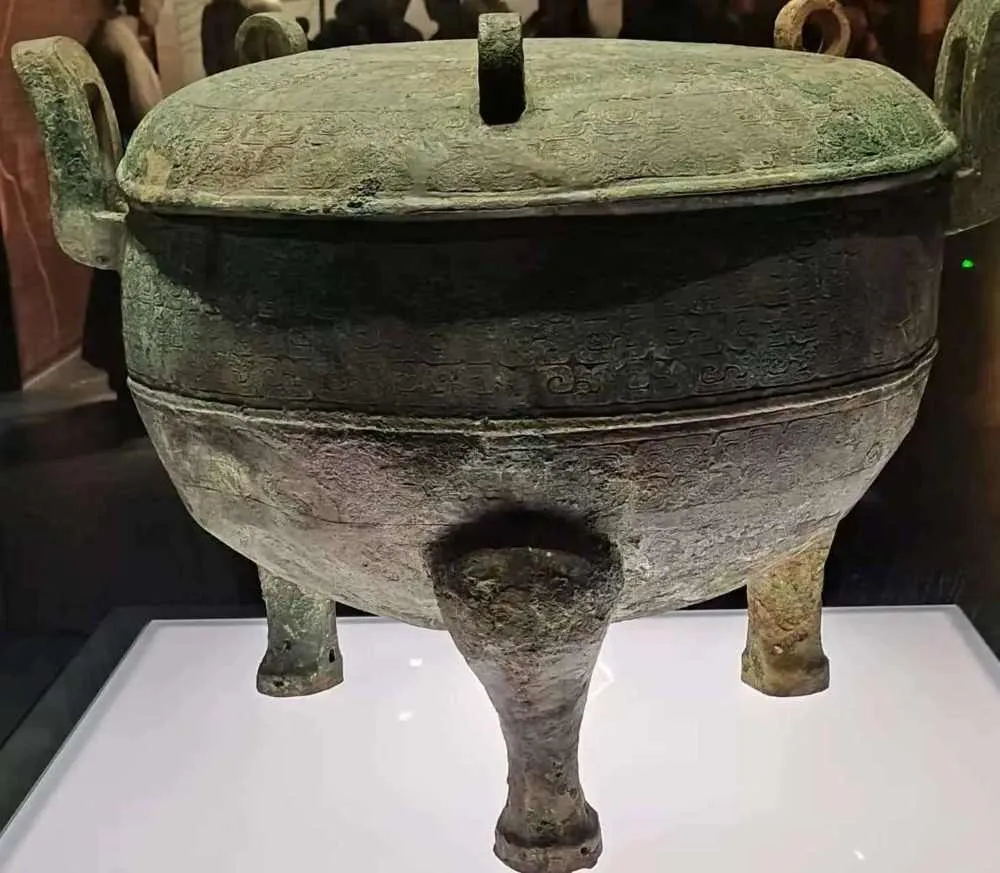
1. The Casting Code in Bronze Vessels
1.1 The Step-by-Step Process
The discovery of the Zenghouyi Bells revealed ancient mastery of casting:
1.1.1 Model Making: A solid clay model was carved with intricate patterns.
1.1.2 Mold Creation: Clay pieces were pressed onto the model to create sectional molds.
1.1.3 Döküm: Molds were assembled, filled with molten bronze, and then broken to reveal the final piece.
1.2 Core Principle
Bu “soft clay shapes hard bronze” casting method laid the foundation for all future casting innovations.
2. From Clay to Sand: The Evolution of Modern Casting
Industrialization needed better methods than fragile clay molds. Sand casting was the answer. It kept the mold-cavity principle but used durable, reusable sand molds. This made it perfect for mass production.
2.1 Ancient vs. Modern Casting
| Bakış açısı | Sectional Mold Casting | Modern Sand Casting |
| Mold Material | Fragile clay (one-time use) | Reusable sand + binders |
| Production Scale | Handmade, low volume | Automated, high volume |
| Key Applications | Ritual bronzes, bells | Automotive engines, demiryolu döküm parçaları |
2.2 Why Sand Casting is Ideal for Railway Parts
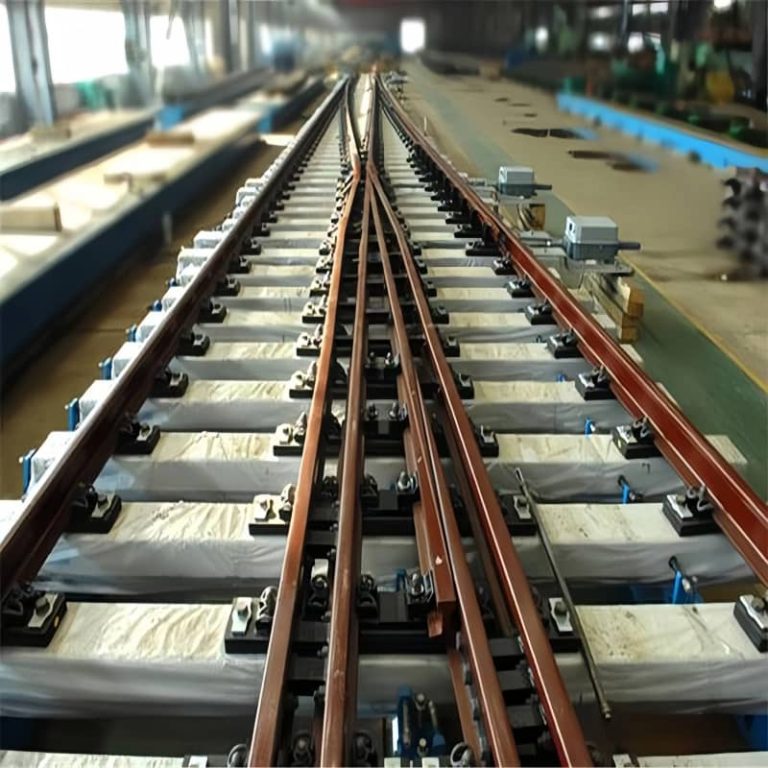
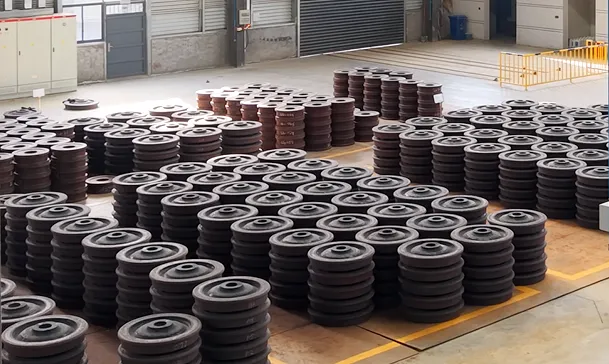
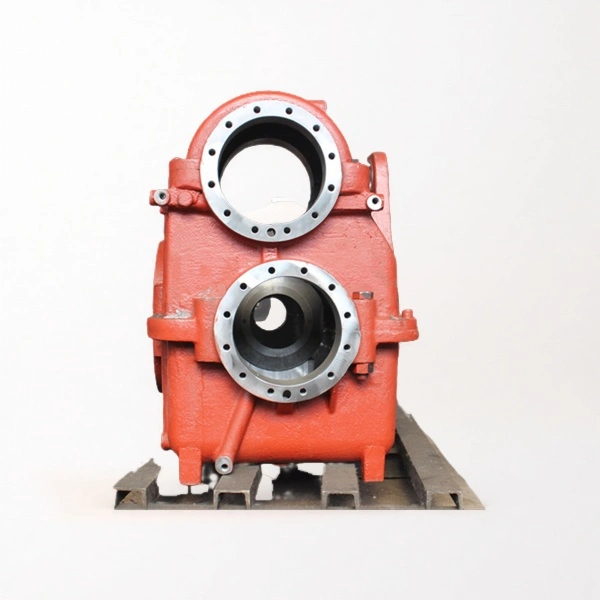
High-speed trains need complex, strong, and reliable components. Sand casting delivers this for railway casting parts like bogies and gearboxes.
2.2.1 Complex Shapes: Sand molds easily form intricate curves and hollow structures.
2.2.2 Material Choice: It works with dökme demir, çelik, and aluminum for different needs.
2.2.3 Cost-Effective: Sand is abundant, lowering the cost of producing railway casting parts.
3. Our Sand Casting: Building Safety for Railways
We combine traditional casting knowledge with modern tech to make trustworthy railway casting parts.
3.1 Our Technical Edge
3.1.1 Digital Design: 3D modeling simulates the sand casting process to prevent flaws.
3.1.2 Smart Production: Automated sand handling and robotic pouring ensure consistency.
3.1.3 Strict Testing: X-ray and ultrasonic checks ensure a 99.5%+ pass rate, with CRCC certification.
3.2 Key Projects
3.2.1 Bogie Frames for ‘Fuxing’ trains: Over 5,000 units in service, with zero failures.
3.2.2 Lightweight Gearboxes: Made via sand casting, they are 30% lighter, boosting energy efficiency by 8%.
4. Tedarikçi
4.1 Luoyang Fonyo Ağır Sanayi A.Ş., Ltd.. is a leading manufacturer of heavy industrial castings and components, specializing in providing high-quality steel castings, including carbon steel, Sfero demir, high manganese steel, alaşımlı çelik, and heat-resistant steel castings. With a comprehensive service model integrating design, döküm, işleme, and service, Fonyo ensures that each product meets rigorous quality and performance standards to satisfy the demanding needs of various heavy industries.
4.2 If you are looking for a trusted supplier of heavy industrial castings and machinery parts, Örneğin, Ductile iron casting part, Luoyang Fonyo Ağır Sanayi A.Ş., Ltd.. is your ideal choice. Visit Fonyo’s official website (www.railwaypart.com) for more product information and technical support!