Отсканируйте код WeChat, чтобы связаться с нами.
Отсканируйте код WeChat, чтобы связаться с нами.
Не стесняйтесь, отправьте нам электронное письмо, и мы ответим вам как можно скорее.
Создаем будущее сердцем и душой


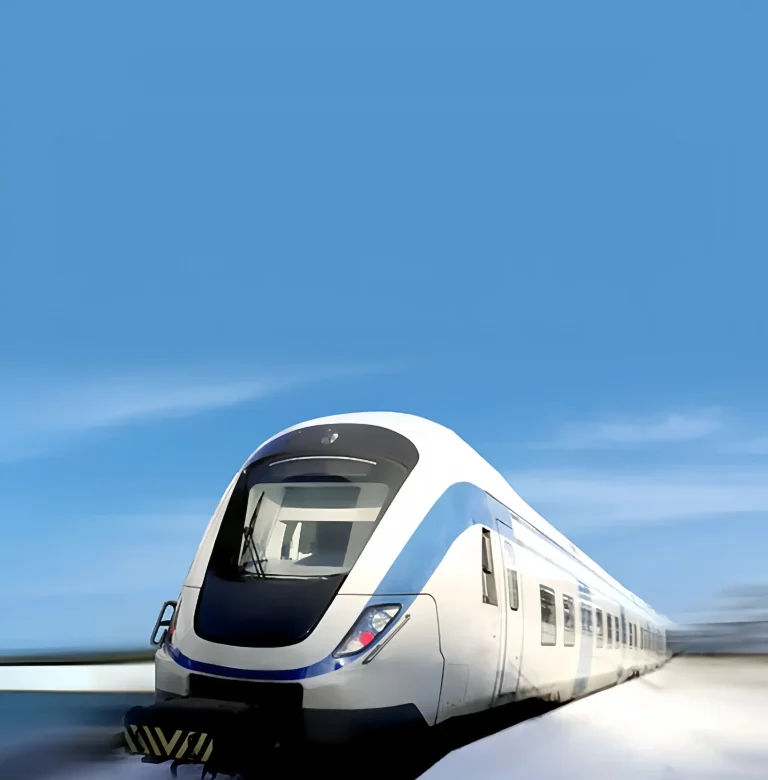
High-speed rail and heavy-haul rail, the two pillars of modern железнодорожный транспорт, serve distinctly different objectives. The former aims to transport passengers safely, quickly, and smoothly, while the latter is responsible for transporting bulk cargo efficiently and economically. This fundamental difference in objectives directly determines the systematically different performance requirements for all core components, including lines and rolling stock.
1. Different core goal orientations
The root of understanding the differences between accessories lies in understanding their design orientation.
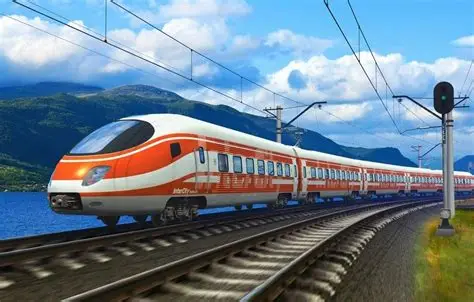
High-speed railways are centered around “high smoothness” и “high stability .” With trains traveling at speeds exceeding 300 километры в час, even the slightest track irregularity is amplified, directly impacting ride comfort and, more critically, threatening operational safety. Поэтому, all components must maintain the line’s exceptional smoothness and stability, effectively mitigating high-frequency vibrations.
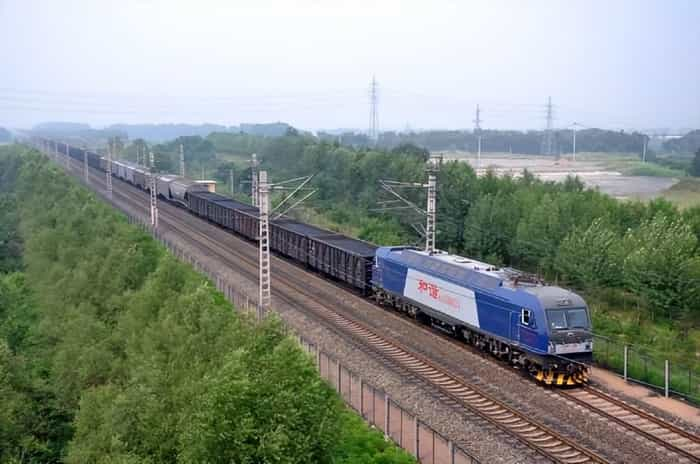
The core principles of heavy-haul railways are “high axle load” и “high strength .” Its core indicators are the total weight of a single haul, and the train axle load (i.e., the pressure exerted by each wheel on the track) is extremely high. This requires all components to withstand enormous static and dynamic loads and resist the severe wear and fatigue damage caused by them.
Суммируя, high-speed railway accessories serve “speed” and heavy-duty railway accessories serve “weight”.
2. Rails: The difference between precision and strength
Rails are components rolled directly onto trains, and their requirements vary significantly.
High-speed railway rails :
Materials and craftsmanship: Not only is high strength required, but also high purity and excellent toughness. Impurities within the steel must be kept to extremely low levels to ensure fatigue cracks are not easily formed under long-term, high-frequency impacts. Precision heat treatment is required to ensure the rail head is both hard and tough.
Geometric Dimensions: Extremely stringent requirements for straightness and surface smoothness are imposed. Before leaving the factory, rails undergo laser inspection to ensure they are perfectly straight and free of any subtle wavy wear or flaws on the railhead rolling contact surface. This is like laying an extremely precise guideline for the train.
Maintenance focus: In daily maintenance, preventing and repairing fine fatigue cracks on the rail surface is the top priority.
Heavy-haul railway rails :
Materials and Processing: The core requirements are extremely high hardness and wear resistance. The carbon content is usually higher, and through alloying and heat treatment processes, the rail head surface is given an extremely high hardness to resist wear and crushing (i.e., denting) under enormous pressure.
Geometric dimensions: Heavier rails with larger cross-sections, такой как 75 kg/m or heavier, are usually selected to increase their load-bearing capacity and bending stiffness.
Maintenance focus: The main problem is wear. Rail heads need to be regularly inspected for wear. If the wear exceeds the standard, they must be ground or replaced.
3. Fasteners and track foundation: emphasis on elasticity and rigidity
Fasteners (parts connecting rails to sleepers) and the foundation under the rail are the key to the support system.
High-speed railway track foundation :
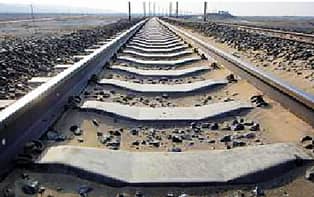
Ballastless track is widely used. This is an integral structure consisting of a concrete base and slab track. It is characterized by high stability and resistance to deformation, providing a solid and geometrically precise platform for high-speed operation.
Fastener systems must provide stable and long-lasting elastic resistance. They must securely hold the rails in place while effectively absorbing the high-frequency vibration and noise generated by passing trains through components such as highly elastic rubber pads, ensuring a comfortable ride. The fastener’s anti-loosening performance is crucial.
Track foundation of heavy haul railway :
Most still use ballasted track, a roadbed made of crushed stone ballast. This structure is cheap, easy to maintain, and does a good job of distributing the heavy loads.
Fastening systems: Their primary task is to provide a significant clamping force to prevent the rails from moving longitudinally relative to the sleepers when the train starts, brakes, or climbs a grade—a phenomenon known as track creep. Поэтому, the structure of heavy-duty fasteners emphasizes strength and resistance to loosening.
4. Locomotive and Rolling Stock Accessories: Differences in Stability and Load-bearing
The design of the train’s accessories also follows a different logic.
High-speed train parts :
Lightweighting is a core design principle. Vehicle bodies are typically constructed from large hollow aluminum alloy profiles or composite materials. Minimizing weight while ensuring strength and safety is crucial for reducing energy consumption and improving acceleration.
Тележка: This is the vehicle’s “running unit,” and its performance directly determines stability at high speeds. High-speed bogies require excellent straight-line stability and smooth curve negotiating capabilities, and the positioning accuracy of the wheelset (wheel and axle combination) must be extremely high.
Coupler buffer system: It not only realizes the connection between vehicles, but also focuses on maintaining the smooth longitudinal movement of the train and reducing impulses during high-speed operation.
Heavy-duty locomotive parts :
Structural strength is the primary consideration in all designs. From the car body to the bogie, everything is reinforced to withstand the enormous loads. Freight car bodies are typically constructed from high-strength steel.
Coupler buffer system: This is one of the core technologies of heavy-haul trains. It must use extra-large buffers and high-strength couplers to absorb and mitigate the huge longitudinal impact forces generated by the train during starting, braking, and shunting operations, preventing coupler breakage accidents.
Braking system: Strong braking force is required to ensure the safe parking of 10,000-ton trains, and extremely high heat and wear resistance are required for the brake discs and brake shoes.
5. Main damage forms: fatigue and wear
Different working environments will result in different main forms of damage to accessories.
High-speed railway components: Fatigue is the primary source of damage. Components like rails, колеса, and bearings are subjected to high-frequency, cyclical stress fluctuations over long periods of time. Even if these stresses do not exceed the material’s yield point, over time, they can cause microcracks within or on the surface of the material, which can then gradually expand. Поэтому, fatigue resistance is crucial for material selection and design.
Heavy-haul railway components: The primary sources of damage are носить и plastic deformation. Intense contact stresses cause intense friction and compression between the rail and wheel surfaces, leading to rapid wear of the material. Более того, the track structure may sink or deform under repeated heavy loads.
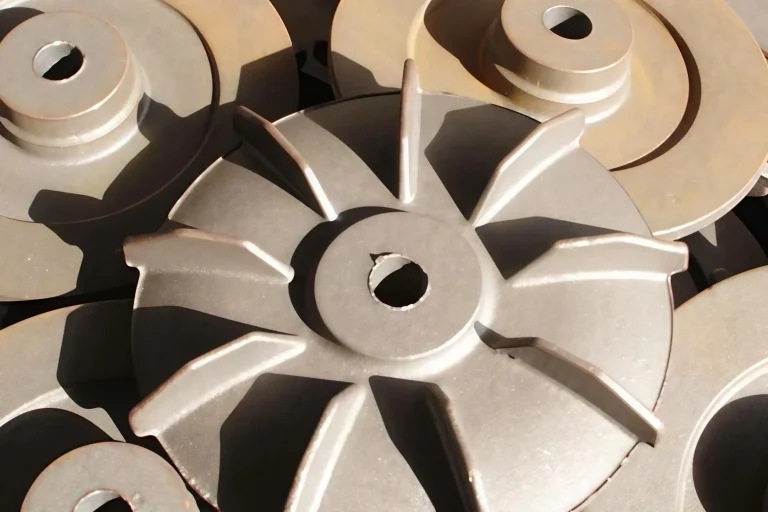
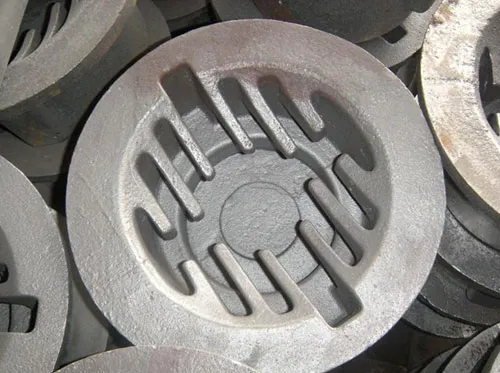
Лоянская компания Fonyo Heavy Industries Co., ООО, основан в 1998, is a manufacturer in railway casting parts. Наша фабрика занимает площадь 72 600 кв.м., с более чем 300 сотрудники, 32 техники, включая 5 старшие инженеры, 11 помощники инженера, и 16 техники. Наша производственная мощность составляет 30,000 тонн в год. В настоящее время, в основном мы производим литье, механическая обработка, и сборка для локомотива, вагон, высокоскоростные поезда, горное оборудование, энергия ветра, и т. д..
Мы поставляем железнодорожные детали для CRRC(в том числе более 20 филиалы и дочерние компании CRRC), Гемак инженерное оборудование, Санигрупп, Ситик Хэви Индастриз, и т. д.. Наша продукция экспортируется в Россию., Соединенные Штаты, Германия, Аргентина, Япония, Франция, ЮАР,Италия и другие страны мира.