WeChat コードをスキャンしてご連絡ください
WeChat コードをスキャンしてご連絡ください
お気軽にメールをお送りください。できるだけ早くご返信させていただきます.
心と魂で未来を創る


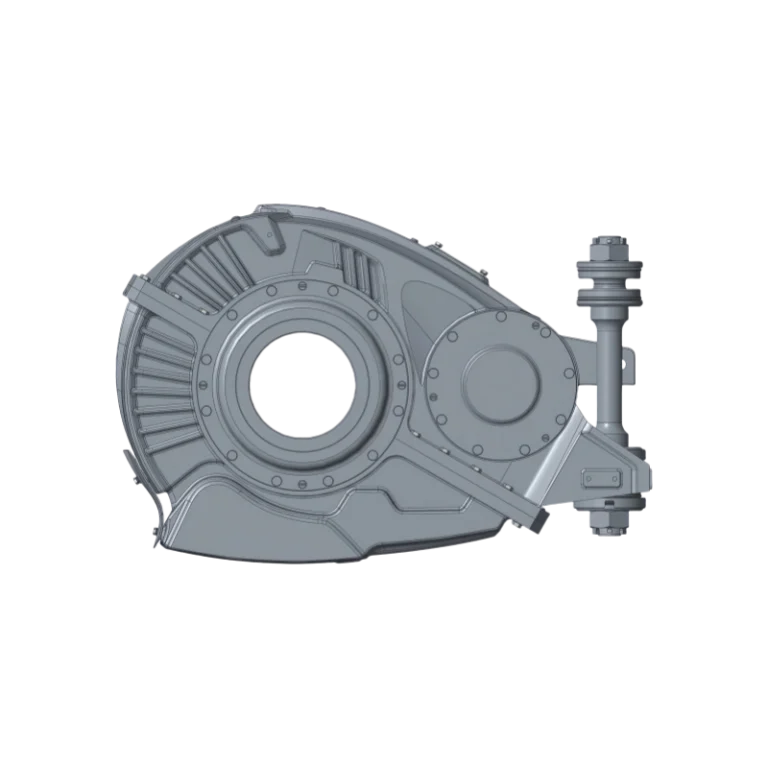
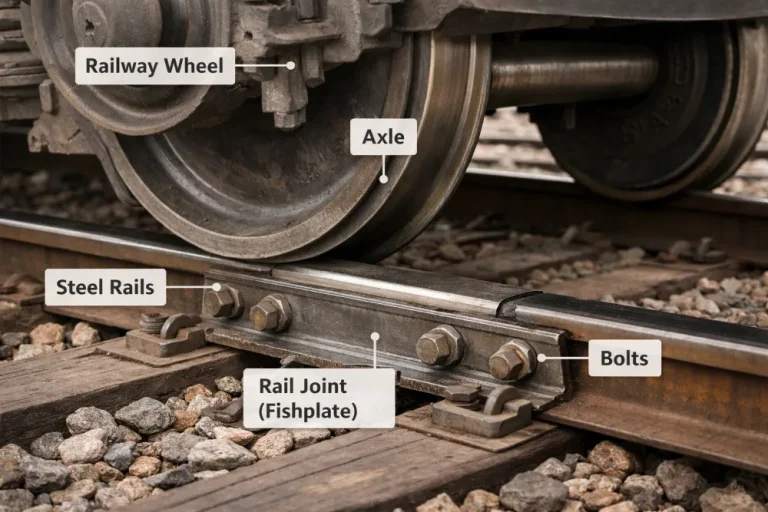
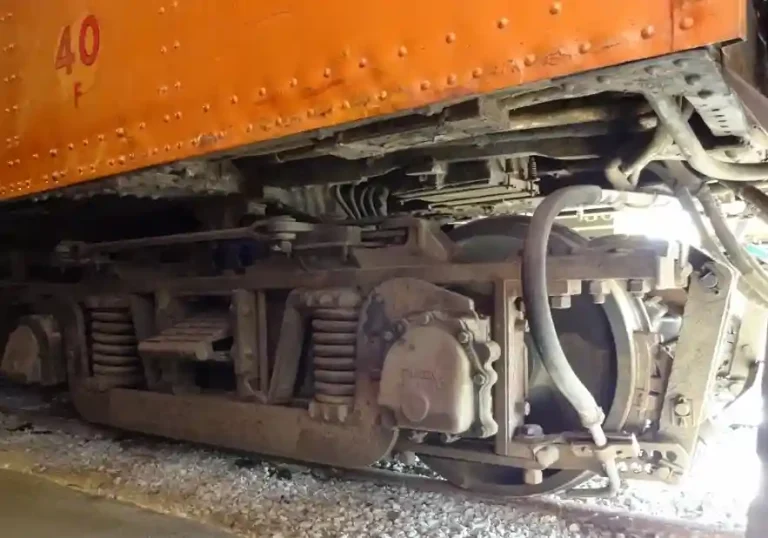
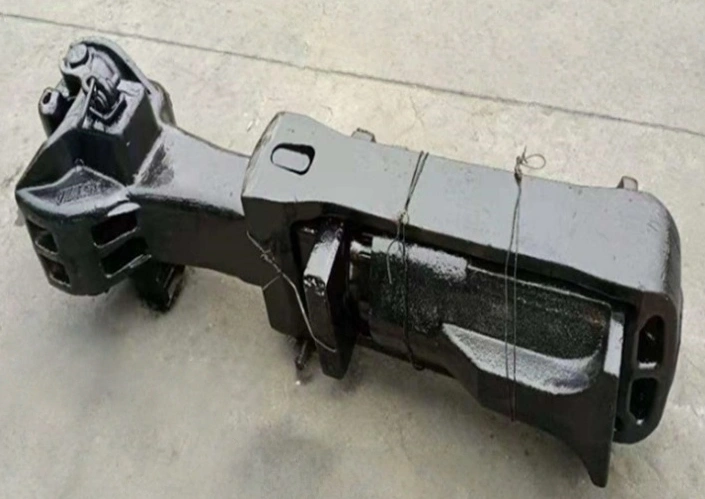
Large railway castings are very important parts of trains. 車輪なども含まれます, アクスルボックス, およびその他の構造部分. これらの部品は重い負荷を扱う必要があります, 高速, そして絶えず揺れる. How well and how reliably they work depends on carefully controlling their heat behaviour, inner structure (微細構造), and strength properties.
This article brings together our detailed series on railway castings. We combine what we learned from the first two articles—about収縮, porosity, そして餌を与える and aboutthermal stress and cracking—to explain how heat affects the whole casting process and how the parts perform over time.
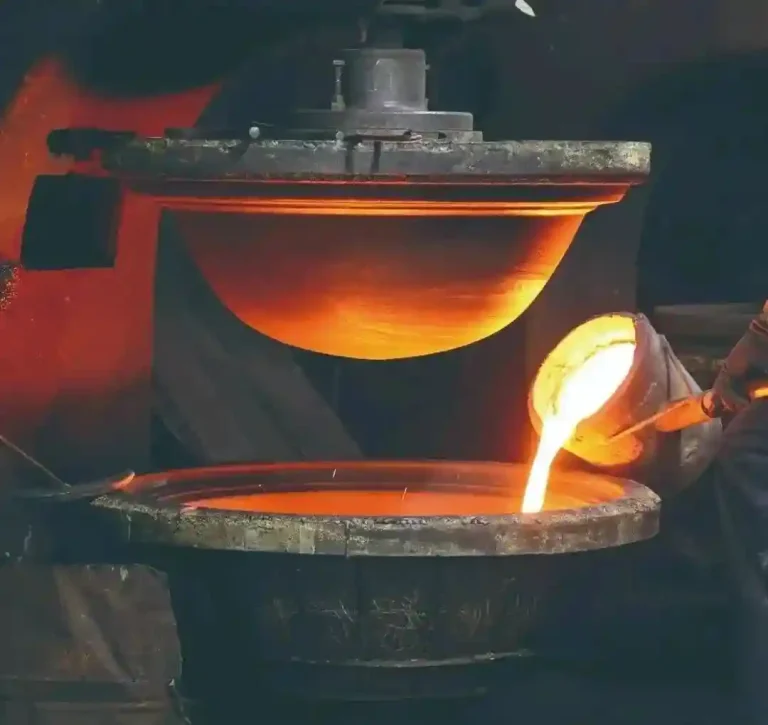
When liquid steel is poured into a mould, it starts to cool and become solid. Thermodynamics decides which material phases are stable and how the metal changes. Controlling temperature is very important because if some parts cool faster than others, it can lead to flaws or weak spots.
In the first article of this series, we talked about howshrinkage and porosity form during solidification. These flaws happen when the metal shrinks as it cools, and not enough liquid metal fills in the gaps. Knowing this helps engineers design better moulds and risers to reduce empty spaces inside the casting.
Even small differences in cooling can change the casting’s final properties a lot. Thermodynamic principles help engineers predict these changes and make sure a strong inner structure forms correctly.
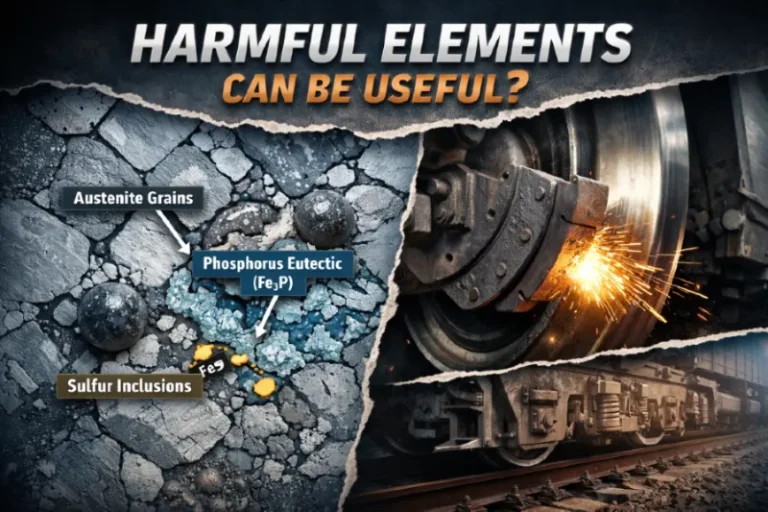
Microstructure is how the metal is arranged inside the casting. It includes phases like ferrite, パーライト, そしてベイナイト. Each phase gives the casting different useful qualities:
By controlling how fast the casting cools and what it’s made of, engineers can create a balanced inner structure. This balance makes sure the casting can resist cracking, bending, and wearing out under heavy use.
Our second article, 鉄道鋳物の熱応力と亀裂, showed that even a casting with no flaws can fail if the stress locked inside is not managed. This shows that a good inner structure is not enough—how heat moves and how stress spreads are also very important.
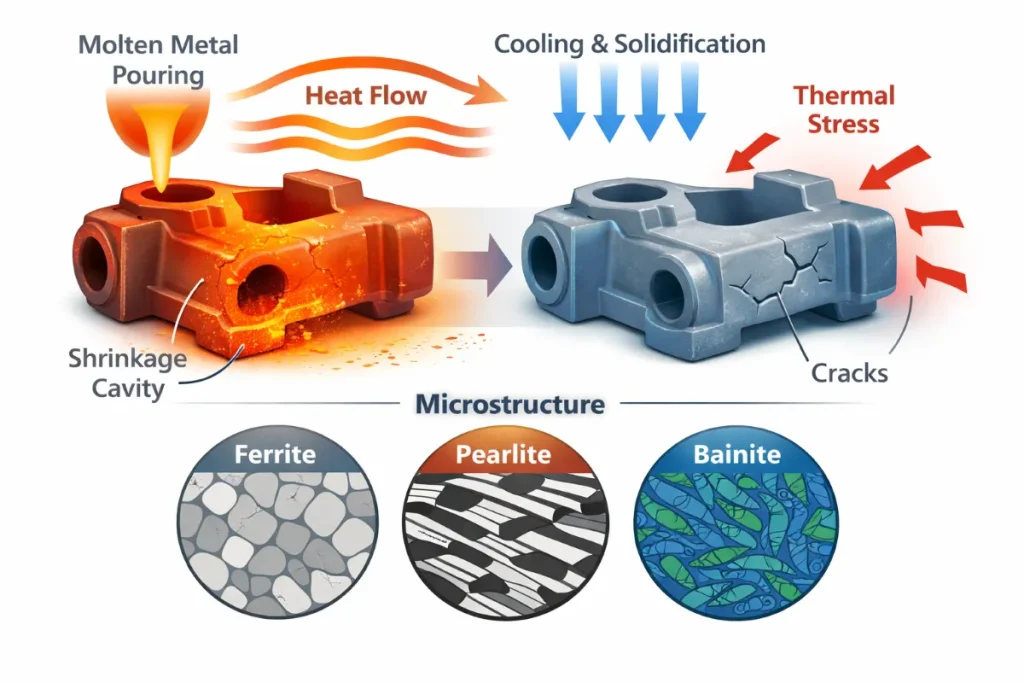
Thermal stress is the final key to casting quality. As the metal cools, different sections shrink at different speeds. Uneven shrinking creates internal stress, which might cause cracks much later, even after the part is made.
Understanding how cooling patterns affect stress helps engineers change the mould design, 注ぐ温度, and heat treatment steps. For large railway castings, managing this thermal stress is essential to stop failures when the train is running.
Advanced tools like finite element analysis (FEA) and 3D laser measurement let engineers simulate cooling and stress on a computer. These methods make sure every casting meets strict safety and performance rules before it leaves the factory.
The quality of a railway casting depends on controlling heat from start to finish:
By putting together thermodynamic principles, 微細構造の制御, and stress management, engineers can make castings that perform reliably even in extreme conditions.
Railway castings made with precise heat control and microstructure management offer many advantages:
Understanding heat flow, 凝固, and stress is not just theory—it directly makes railway parts better and safer.
This article finishes our in-depth series on heat behaviour and quality control for large railway castings. To see each step in detail, you can read the earlier articles:
For the full story on how heat shapes casting quality, you are here: 熱が大型鉄道鋳物の品質をどのように変化させるか.
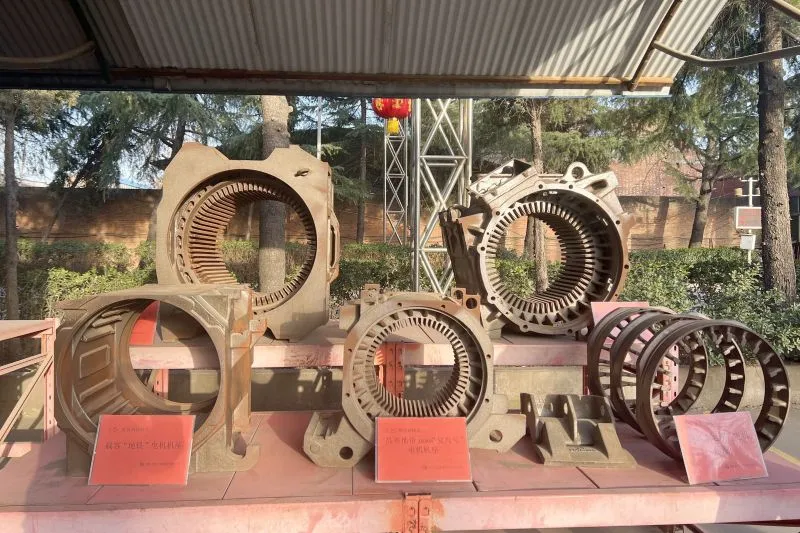
で Luoyang Fonyo Heavy Industries, we use advanced casting, precise heat treatment, and strict quality control to make high-performance railway castings. Every step follows scientific principles and is checked with modern testing tools. Our know-how ensures every 鋳造 meets international standards for safety, 強さ, and performance.
Learn more at www.railwaypart.com