WeChat コードをスキャンしてご連絡ください
WeChat コードをスキャンしてご連絡ください
お気軽にメールをお送りください。できるだけ早くご返信させていただきます.
心と魂で未来を創る


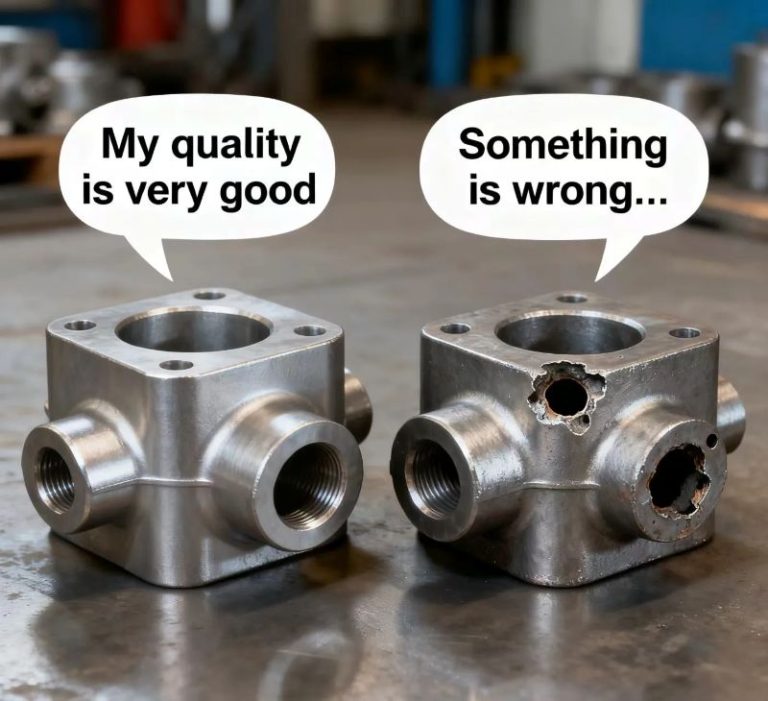
In the spectrum of human industrial civilization, casting and forging are like two masters with distinct skills, jointly laying the foundation of modern manufacturing. Although both are dedicated to giving metals new forms and lives, their philosophical concepts, implementation paths, and ultimate outcomes are fundamentally different. Understanding the differences between them is not only a technical cognition but also a key to insight into materials science and engineering aesthetics.
The most essential difference lies in the physical state of the metal during the processing.
The core of casting is “liquid forming”. It is similar to making ice cubes with water – 初め, the metal is heated to a completely liquid state, and then it is poured into a pre-made cavity (mold). After cooling and solidifying, a product with the same shape as the mold cavity is obtained. Its essence lies in “determining by the mold”, with extremely high freedom in form.
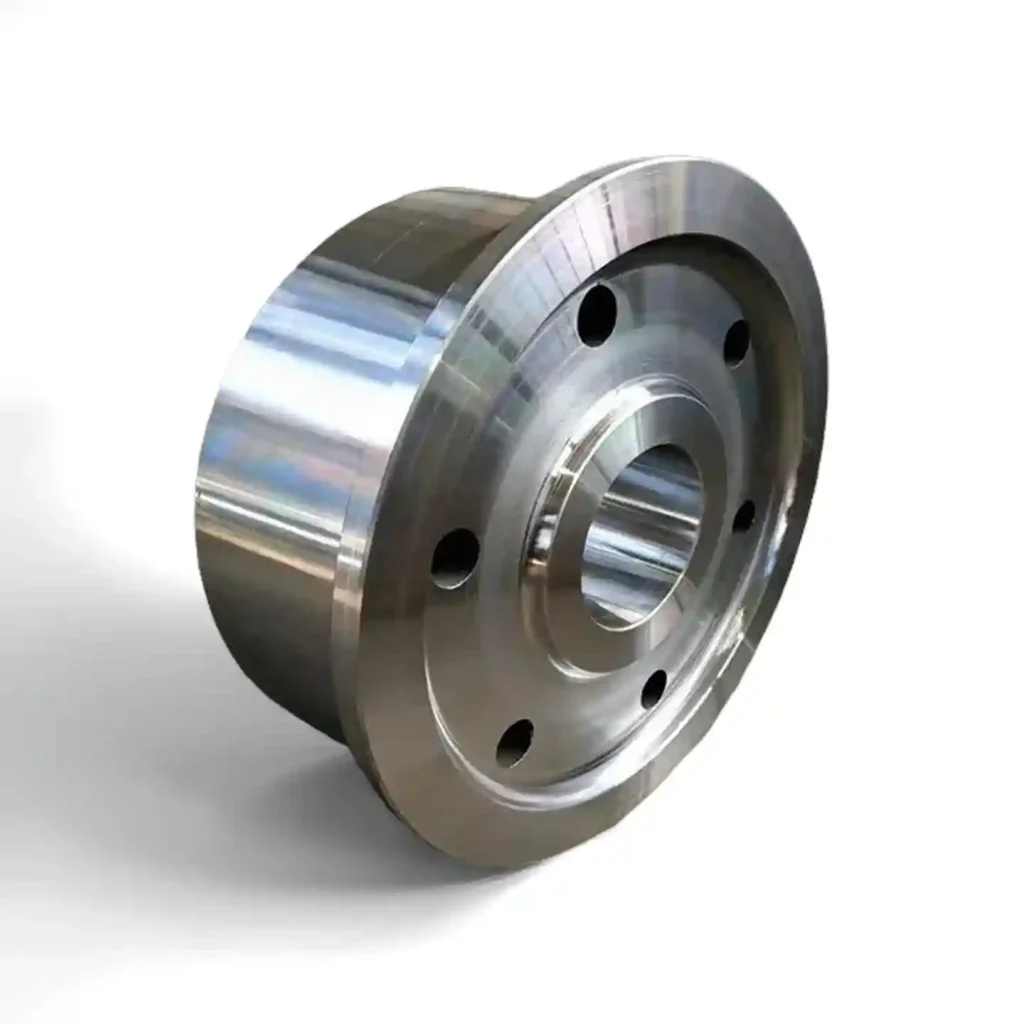
The core of forging is “solid shaping”. It is like a traditional blacksmith forging iron. The metal material (usually called the billet) remains solid throughout the processing. By applying huge pressure or impact force, it undergoes plastic deformation in the solid state to obtain the desired shape and improved internal structure. Its essence lies in “changing by force”, emphasizing the alteration of shape and the optimization of structure.
This fundamental difference in physical state directly leads to a series of differences in subsequent performance and characteristics.
The different processing methods profoundly change the micro-world inside the metal, thereby determining the mechanical properties of the parts.
2.1 Casting structure: Liquid metal gradually cools and crystallizes in the mold, forming casting structures such as dendrites. Although it can be optimized through advanced processes (such as precision casting), there are inevitably some inherent defects inside, such as shrinkage cavities, shrinkage porosity, gas holes, and composition segregation. This results in relatively lower toughness and impact performance of castings, making them more prone to fracture from these weak points when subjected to strong impact or fatigue loads.
2.2 Forging structure: The magic of forging lies in its ability to “turn the rotten into the miraculous”. The huge pressure can weld the internal holes and defects of the raw material, break up the coarse casting dendrites and carbides, and refine the grains through the recrystallization process. さらに重要なことは, forging can streamline the metal’s fiber structure according to the shape of the part, making the grain flow consistent with the part’s shape and forming continuous “streamlines”. This is like a skilled craftsman smoothing and strengthening the chaotic wood grain into a smooth and tough texture. The result is that forgings usually have much higher strength, 靭性, fatigue strength, and reliability under impact and vibration loads than castings.
3.1Design and shape complexity:
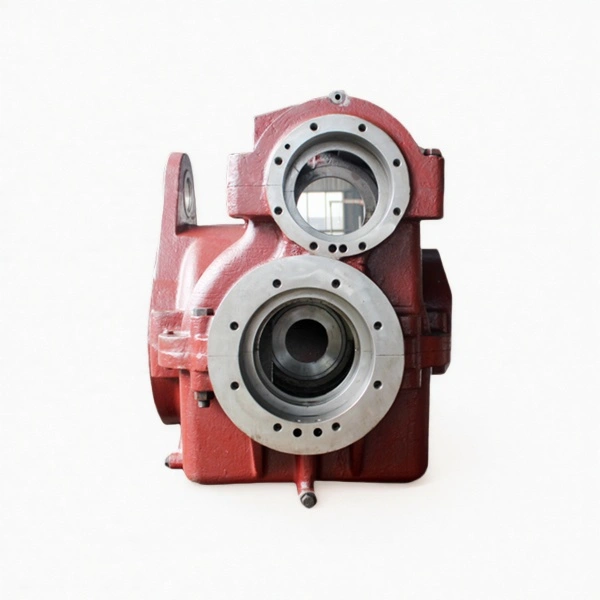
Casting has an unparalleled advantage in shape freedom. Almost any complex internal and external structure you can imagine (such as complex cavities, waterways, blades, 等) can be achieved in one pour, making it very suitable for manufacturing parts with complex structures, especially those with complex internal cavities, such as engine blocks, machine tool beds, and art sculptures.
鍛造, due to being a solid deformation, is difficult to form complex internal cavities and three-dimensional curved structures. The shapes of forgings are usually relatively simple, mostly solid parts such as shafts, discs, and blocks. Its advantage lies in performance rather than the intricacy of form.
3.2 Materials and costs:
Casting is applicable to almost all metal materials, especially those with high brittleness and difficult to process under pressure (such as cast iron). The mold cost is high, but the single-piece production cost is relatively low, making it particularly suitable for mass production.
Forging is mainly used for materials with good plasticity, such as carbon steel, aluminum alloys, and titanium alloys. It requires huge forging equipment, has high energy consumption, and the material utilization rate is often lower than that of casting (as excess parts need to be milled off), thus the production cost is usually higher.
Four. アプリケーションシナリオ:
Choosing between casting and forging is never a matter of superiority or inferiority, but rather a precise match based on design requirements.
When you prioritize “complexity of shape” そして “economic efficiency of production”, casting is the preferred choice.
Typical products: automotive engine blocks, transmission cases, water pump impellers, fire door hardware, exquisite bronze statues.
When you prioritize “ultimate strength, reliability and safety”, forging is the only option.
Typical products: engine crankshafts and connecting rods; turbine discs and landing gears in aerospace; gears and spindles in heavy machinery; wrenches and hammer heads in tools; and high-quality kitchen knives in our daily lives.
サプライヤー
洛陽豊洋重工業株式会社, 株式会社, 1998年に設立された鉄道鋳造部品のメーカーです. 当社の工場面積は72,600㎡です。, 以上の 300 従業員, 32 技術者, 含む 5 シニアエンジニア, 11 アシスタントエンジニア, そして 16 技術者. 弊社の生産能力は 30,000 年間トン. 現在, 私たちは主に鋳物を生産しています, 機械加工, 機関車の組立て, 鉄道車両, 高速鉄道, 鉱山機械, 風力, 等.
当社はCRRCに鉄道部品を供給しています。(以上を含む 20 CRRCの支店および子会社),Gemacエンジニアリングマシナリー,サニーグループ, 中信重工業,等. 当社の製品はロシアに輸出されています, 米国, ドイツ, アルゼンチン, 日本, フランス, 南アフリカ,イタリアをはじめとする世界中の国.
連絡先:
電子メール:[email protected]
携帯:008615515321683