Scansiona il codice WeChat per contattarci
Scansiona il codice WeChat per contattarci
Sentiti libero di inviarci un'e-mail e ti risponderemo il prima possibile.
Creare il futuro con cuore e anima


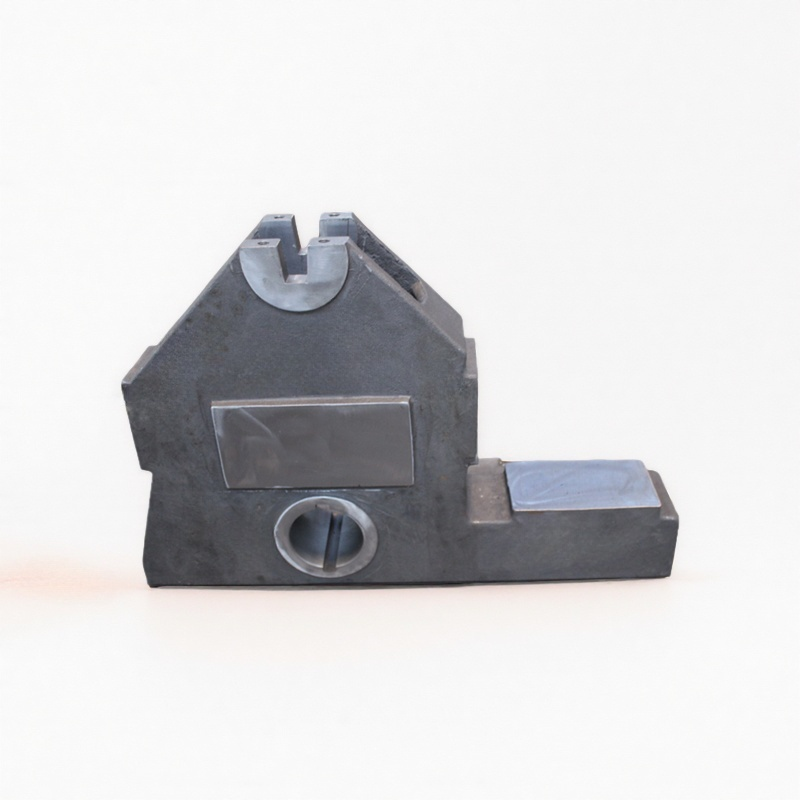
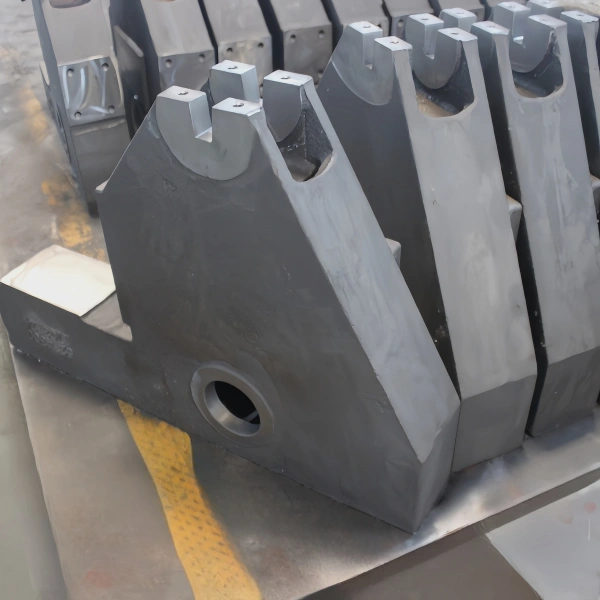
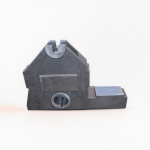
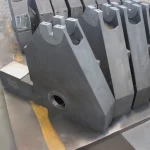
Introduction to Traction Seat of Rail Vehicle
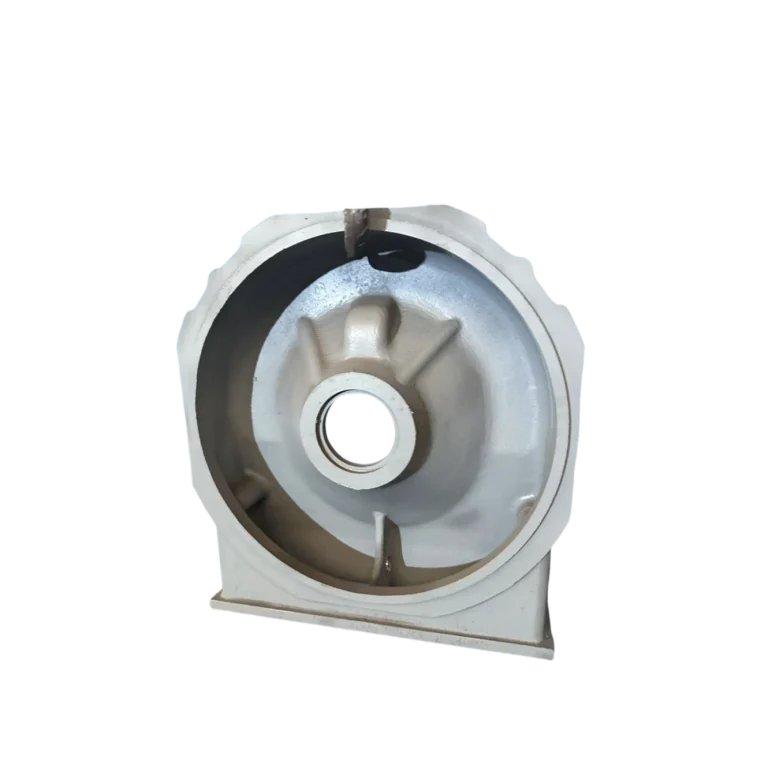
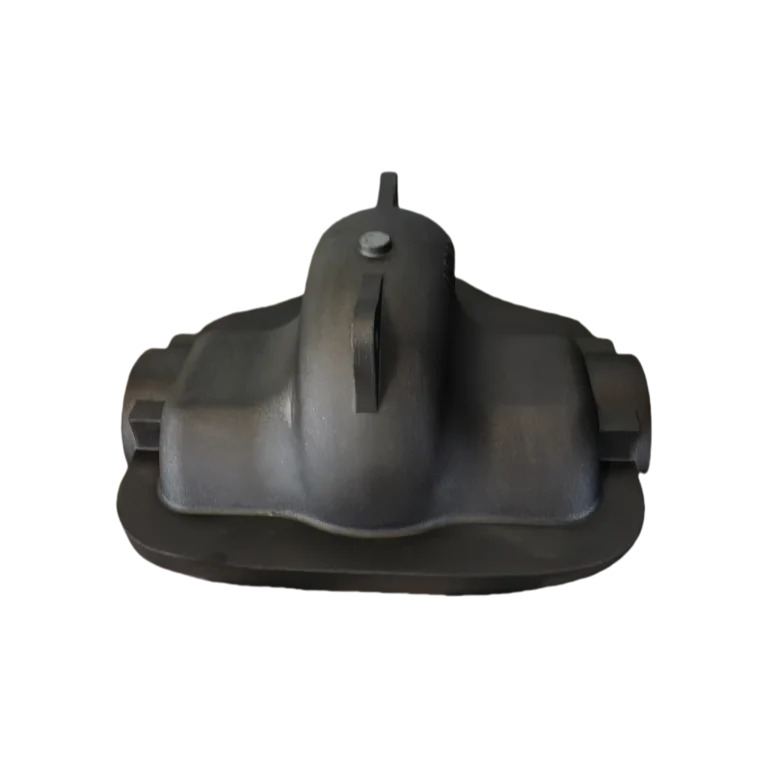
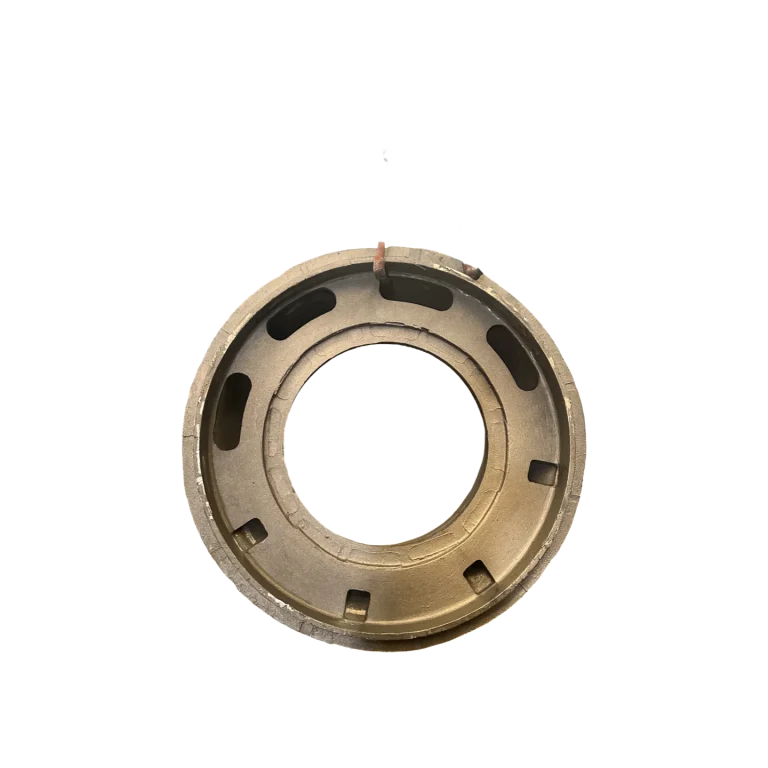
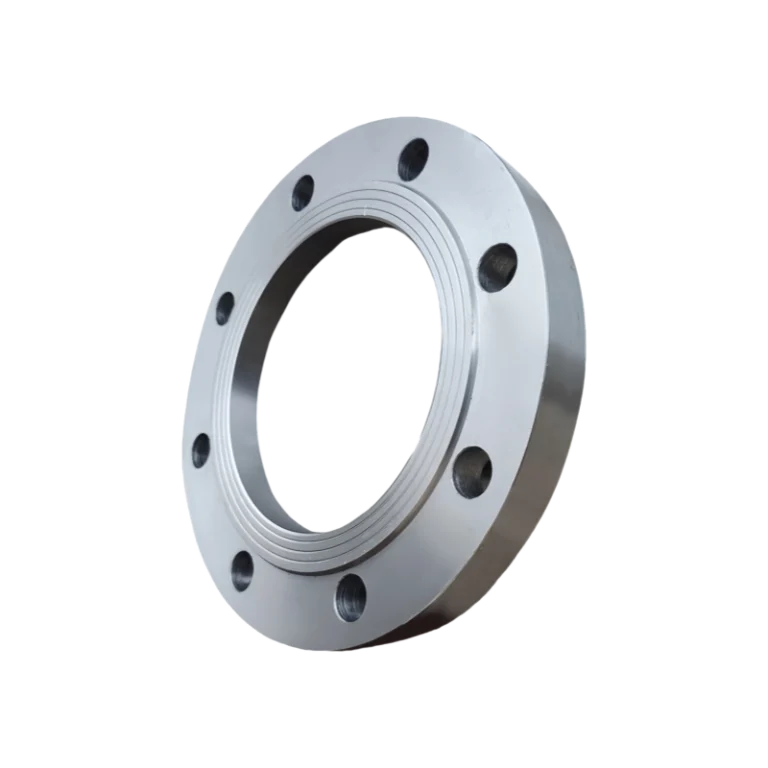
The traction seat of the rail vehicle, as the core force-transmitting component of rail transit equipment, can be regarded as the “sistema nervoso centrale” of the train traction system. This precision component, made of high-strength alloy through casting, not only bears the heavy responsibility of force transmission but also is the key to ensuring the safe operation of the train. Under extreme working conditions of high speed and heavy load, the traction seat needs to conduct thousands of tons of power with millimeter-level precision. Its performance directly determines the traction efficiency and operational safety of the train.
The Design of The Modern Traction Seat
It can be regarded as a model of engineering mechanics. The special-shaped cavity structure constructed by using three-dimensional topology optimization technology not only ensures structural rigidity but also achieves the lightweight goal. Engineers discovered through finite element simulation that adding a 15° inclined wavy reinforcing rib at the traction seat rib plate can reduce the stress concentration coefficient by 37%. The layered structure of shells inspires this biomimetic design. While enhancing fatigue resistance, it controls the overall weight at 82% of the traditional structure. The contact surface treated by laser cladding has a wear resistance coefficient reaching the level of aircraft engine bearings, ensuring stable contact even in complex vibration environments.
The Breakthrough in Materials Science
It has brought a revolutionary upgrade to the traction seat. The latest developed nano-crystalline reinforced alloy has achieved a breakthrough in tensile strength by embedding silicon carbide nanowires in the metal matrix, exceeding the 2000 MPa mark. Questo “flexible and tough” composite material successfully withstood 2 million alternating load tests in laboratory simulation tests, with the crack propagation rate being two orders of magnitude lower than that of traditional materials. Combined with vacuum precision casting technology, internal defects of the components were controlled within φ0.2mm, meeting the standards of aerospace manufacturing.
Intelligent Transformation Di The Modern Traction Seat
The implanted distributed optical fiber sensor network can monitor stress distribution in six dimensions in real-time. Combined with the edge computing unit, it can identify abnormal load patterns within 50 milliseconds. After applying this technology to a specific type of EMU, the traction system fault early warning time was successfully shortened to 72 ore, and the maintenance efficiency was increased by 40%. What is more noteworthy is the popularization of modular design. The traction seat modules with standard interfaces support rapid replacement, reducing the maintenance operation time from 8 ore a 90 minuti.
From the cast steel parts of steam locomotives in the past to the intelligent force-transmitting systems of today, the evolution history of the traction seat bears witness to the leap in rail transit technology. This mysterious component hidden beneath the train is silently safeguarding the safe arrival of every train with the power of technology. When we watch the departing trains from the platform, we may not notice these precise components, but they carry the most solid promise of modern transportation.
| Materiali | acciaio forgiato, acciaio fuso,ferro duttile,ecc |
| Artigianato di lavorazione | Disegni→ costruzione di stampi → pressofusione → lavorazione grezza → lavorazione CNC → trattamento superficiale → controllo del prodotto → imballaggio → consegna |
| Trattamento termico | Sottoporsi a processi di trattamento termico come tempra e rinvenimento |
| Trattamento superficiale | Galvanotecnica, Placcatura in cromo, Zincatura, Nichelatura, Elettroforesi, Anodizzazione, Lucidatura, Sabbiatura, Passivazione, Verniciatura a polvere, Verniciatura a spruzzo, Ecc. |
| Tolleranza | ± 0,02 mm |
| Ispezione | 1.Fonderia interna: 100% ispezione sulla dimensione critica; 100% sull'apparenza. 2.Ispezione di terze parti disponibile su richiesta |
| Certificati | ISO9001,ISO14001,EN 15085 e IRIS |
| Personalizzazione | OEM,ODM,Disegni,Campioni |
| Pacchetto | Polisacco+scatola di cartone+caso/pallet di legno, secondo la richiesta del cliente |
| Spedizione | Via mare/treno, o altro metodo secondo la richiesta del cliente |
| Termine di pagamento | TT, Unione occidentale,L/C a vista |
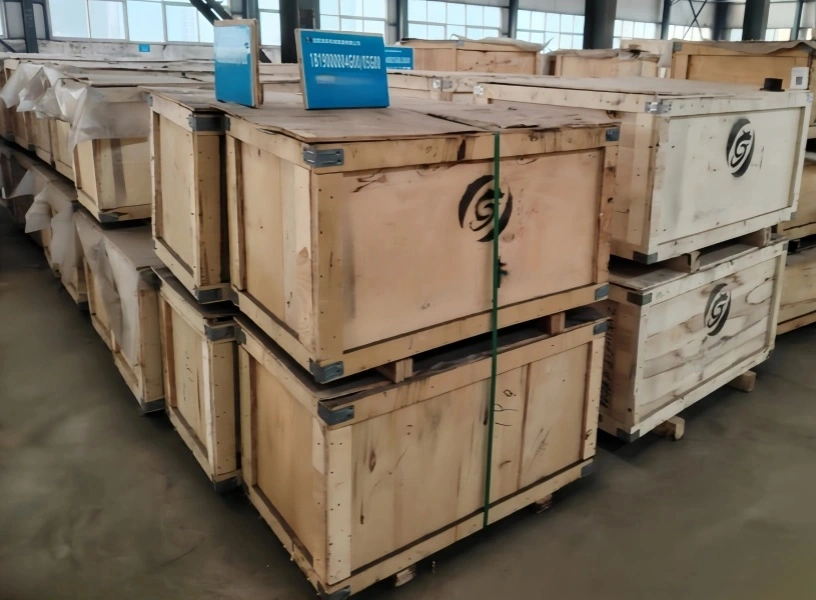
Package of Railway Traction Seat
Polisacco+caso/pallet di legno, secondo la richiesta del cliente
Profilo Aziendale
Luoyang Fonyo Heavy Industries Co., Ltd. è stata fondata nel 1998, copre un'area di 72.600㎡, con più di 300 dipendenti, 32 tecnici, compreso 5 ingegneri senior, 11 ingegneri assistenti, E 16 tecnici. È stato classificato come Centro tecnologico di ingegneria di Luoyang, Luoyang Tecnologia R&Centro D, e impresa alta tecnologia nazionale per molte volte.
La nostra capacità produttiva è di 30.000 tonnellate all'anno. Attualmente, produciamo principalmente acciaio fuso, ghisa (ferro grigio, ferro duttile, ecc.), lavorazione del prodotto finito e assemblaggio dei componenti. L'azienda produce principalmente parti e gruppi di componenti del cambio per vagoni ferroviari ad alta velocità, vagoni ferroviari, locomotive, autovetture, metropolitane, miniere, macchine per il carbone, macchinari petroliferi, energia eolica, tutela dell'acqua, ceramica, macchinari di ingegneria e altre attrezzature. Allo stesso tempo, i prodotti sono stati esportati in Russia, gli Stati Uniti, Germania, Argentina, Giappone, Francia, Sudafrica, Italia e altri paesi.
Domande frequenti
Q1: Sei un produttore o una società commerciale?
UN: Siamo un produttore. La nostra azienda è stata fondata nel 1998, con quasi 30 anni nel settore della fusione, una superficie totale di 72.600㎡, con un'area edificabile di 51.000㎡.
Q2. Quali sono i vostri prodotti principali??
UN: Ci concentriamo principalmente sulla fusione di acciaio, fusione di ferro, lavorazione del prodotto finito, e produzione di assemblaggi di componenti.
Q3: Con quanta precisione puoi produrre parti di fusione?
UN: Abbiamo la capacità di produrre parti di fusione con diversi processi di fusione. La produzione è rigorosamente conforme alla norma ISO 9001, ISO 14001 e ISO45001,EN15085, IRIS.
Q4. Puoi produrre secondo i campioni?
SÌ, possiamo produrre dai vostri campioni o disegni tecnici. Possiamo costruire disegni per te anche dopo aver ricevuto i tuoi campioni.
Q5: Come si effettua il controllo qualità prima della consegna??
UN: Il controllo di qualità è un fattore molto importante per garantire la qualità delle parti in fusione di acciaio. Seguiamo 3 tempi di ispezione durante l’intero processo produttivo. E forniremo un rapporto sui test dei materiali, rapporto di collaudo dimensionale, e rapporto sui test delle proprietà meccaniche ai nostri clienti prima della consegna.
Se sei interessato a qualche prodotto, non esitate a contattarci.
Informazioni sui contatti:
Mobile:008615515321683
E-mail: [email protected]