Scansiona il codice WeChat per contattarci
Scansiona il codice WeChat per contattarci
Sentiti libero di inviarci un'e-mail e ti risponderemo il prima possibile.
Creare il futuro con cuore e anima


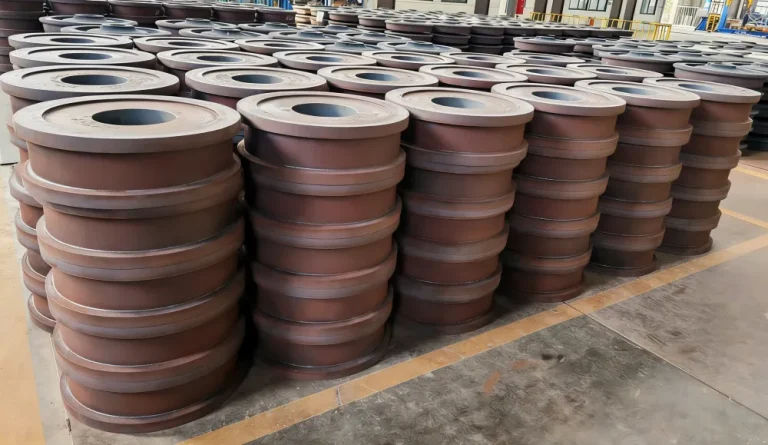
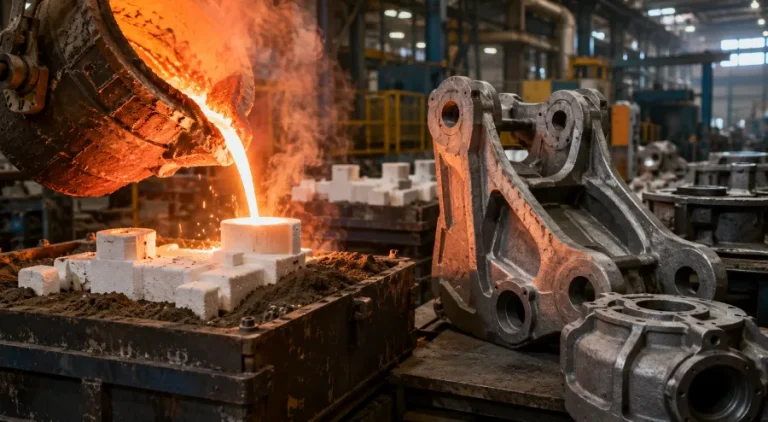
Tieni traccia dei casting sono componenti importanti del sistema di trasporto ferroviario, responsabile del supporto del funzionamento del treno e della trasmissione dei carichi. La qualità dei getti influisce direttamente sulla sicurezza e sulla durata del sistema ferroviario. Nella produzione vera e propria, il processo di fusione è complesso, e spesso nei getti si verificano vari difetti. Questi difetti, dopo essere stati sottoposti a carichi alternati per lungo tempo, possono diventare fonte di cricche ed eventualmente portare alla frattura del getto. Perciò, analizzare le cause di cedimento dei getti dei binari, capire come si formano i difetti, e la formulazione di misure preventive sono estremamente necessarie per migliorare la qualità dei getti e garantire la sicurezza ferroviaria. This article will analyze the common failure forms and causes of track castings from the perspective of casting technology, providing theoretical support for quality control.
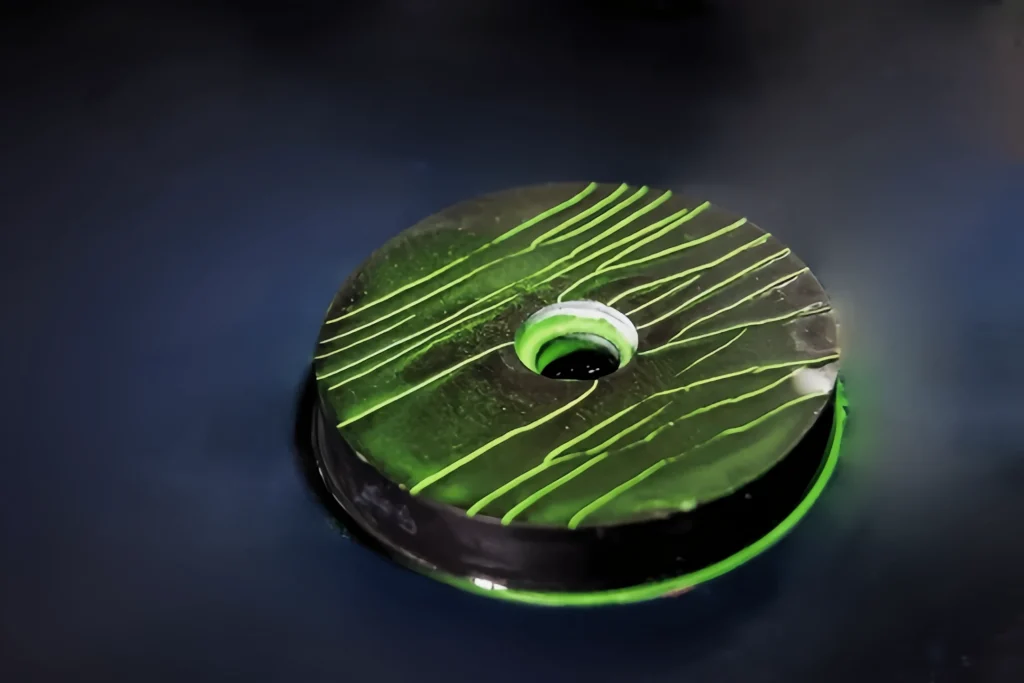
Porosity is a common problem in the production of track castings, mainly manifested as spherical or elliptical cavities inside or on the surface of the castings. Pores mainly come from three aspects: Primo, gases dissolved during metal smelting (such as hydrogen and oxygen) are released during solidification; The second is the air drawn in during the pouring process; The third type is the bubbles formed by the evaporation of water in the molding sand. If these gases cannot be discharged, gas holes will form in the castings. The inner surface of pores is usually smooth, with sizes ranging from a few micrometers to several millimeters, and may be locally concentrated or scattered. There are often component segregation and microstructure abnormalities around pores, and these areas are prone to stress concentration, which reduces the fatigue performance of the material.
A comprehensive prevention and control system needs to be established to address the defect of stomata. During smelting, it is necessary to control the gas content of the molten metal, such as protecting the smelting with inert gas, rotating degassing treatment, and strictly controlling the quality of the charge. When molding, it is necessary to optimize the performance of the molding sand, keep the moisture content below 4%, and ensure air permeability. New breathable coatings can be used to enhance the exhaust capacity. In the design of the gating system, the bottom injection type is recommended. The pouring speed and temperature should be controlled to avoid turbulence and splashing of the molten metal. Large key castings can be treated with vacuum casting technology to eliminate gas entrainment. Inoltre, it is also very important to establish a complete process monitoring system, such as detecting the gas content during the smelting process and recording the pouring parameters, ecc.
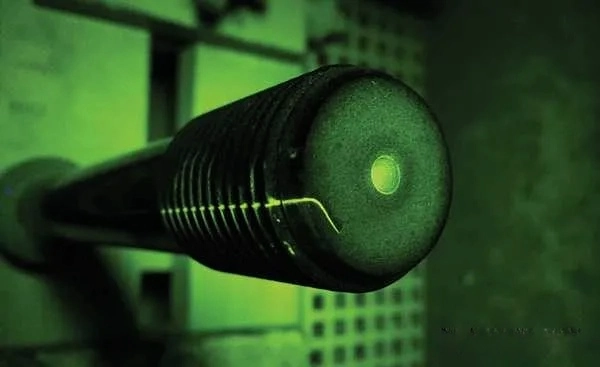
Shrinkage porosity and shrinkage cavities are caused by insufficient feeding during the solidification of castings. When molten metal cools and solidifies, its volume shrinks. If there is not enough liquid metal to replenish it, holes will form at the final solidified area. Shrinkage cavities are large, concentrated cavities that often occur in the hot spots of castings. Shrinkage porosity is a small, dispersed pore with a wide distribution range. The main factors influencing shrinkage porosity and shrinkage cavities include the shrinkage characteristics of metallic materials, the structural design of castings, the feeding capacity of the gating system, and cooling conditions, ecc. These defects will reduce the effective bearing area of the casting, cause stress concentration, and affect the mechanical properties and service life of the casting.
La chiave per prevenire la porosità da ritiro e le cavità è stabilire un sistema di alimentazione completo. La progettazione del montante è il nucleo e dovrebbe seguire diversi principi: La posizione del montante dovrebbe essere sopra i punti caldi del getto; Il volume della colonna montante deve soddisfare i requisiti di alimentazione, Generalmente 1.2 A 1.5 volte il volume della parte di alimentazione. La forma del montante dovrebbe favorire la solidificazione direzionale. Il tempo di alimentazione può essere prolungato e l'efficienza di alimentazione può essere migliorata utilizzando colonne montanti isolate o riscaldate. Anche l'applicazione dei ferri da stiro è molto importante. Disponendo ferri da stiro nelle parti spesse e grandi della fusione, è possibile regolare la velocità di raffreddamento locale e controllare la sequenza di solidificazione. Fondamentale è anche il controllo della temperatura di colata. Se la temperatura è troppo alta, aumenterà la tendenza al restringimento; se è troppo basso, influenzerà la fluidità del liquido metallico di alimentazione. Nei moderni processi di fusione, la tecnologia di simulazione della solidificazione del computer può ottimizzare il sistema di alimentazione, prevedere la posizione delle cavità da ritiro, e guidare il miglioramento del processo.
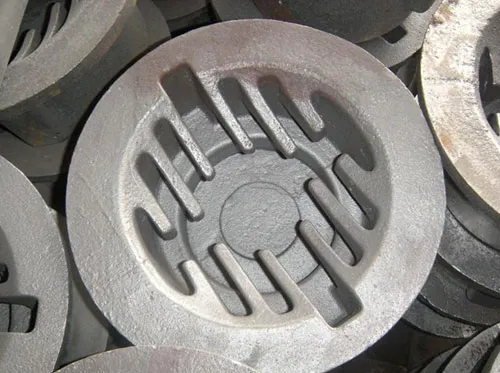
Il giro freddo è un difetto simile a una giunzione che si forma quando due flussi di metallo fuso non riescono a fondersi completamente durante il riempimento dello stampo a causa di un calo di temperatura o di un'ostruzione del flusso. Le chiusure a freddo si manifestano solitamente come modelli concavi sulla superficie dei getti o interfacce discontinue all'interno, e nei casi più gravi, possono portare alla rottura dei getti. The formation of cold shuts requires the satisfaction of three conditions: Primo, the temperature of the molten metal drops below the critical value, and its fluidity decreases; The second is that an oxide film appears at the front of the molten metal flow, hindering the fusion. The third issue is that the contact pressure between the two metal liquid flows is insufficient to break through the oxide film and achieve complete bonding. Cold lap defects are most likely to occur in thin-walled castings, structurally complex parts and areas far from the gate. Such defects can reduce the mechanical strength and air tightness of castings and are one of the important reasons for early failure.
To prevent cold lap defects, efforts should be made from two aspects: migliorare la fluidità del metallo fuso e ottimizzare il processo di riempimento. In termini di qualità del metallo fuso, è necessario garantire un surriscaldamento sufficiente. Materiali diversi richiedono specifiche relative alla temperatura di colata. Ad esempio, le parti in ghisa devono essere controllate a 1350-1450 ℃, e parti in acciaio fuso a 1550-1650 ℃. Nel frattempo, la composizione chimica del metallo fuso dovrebbe essere ragionevole, e aumentando opportunamente il carbonio equivalente si può migliorare la fluidità. In the design of the gating system, il principio di “corto, piatto e veloce” dovrebbe essere seguito per accorciare la distanza di riempimento e ridurre la resistenza al flusso. È possibile progettare più punti di accesso interni per consentire al metallo fuso di riempire la cavità simultaneamente da diverse direzioni. Per parti complesse a parete sottile, the stepped gating system can effectively improve the filling condition. The control of the pouring speed is also crucial. It is necessary to ensure a sufficient filling speed, but it should not be too fast to avoid air entrainment. In practical operation, the quick-pouring process can be adopted, combined with an appropriate pouring temperature, to ensure that the molten metal maintains good fluidity in the cavity. Inoltre, special processes such as inclined pouring and vacuum-assisted pouring can also improve the filling quality and reduce the occurrence of cold lap defects. By establishing a database of pouring parameters and analyzing the filling effect under different process conditions, the process plan can be continuously optimized and the stability of casting quality can be improved.
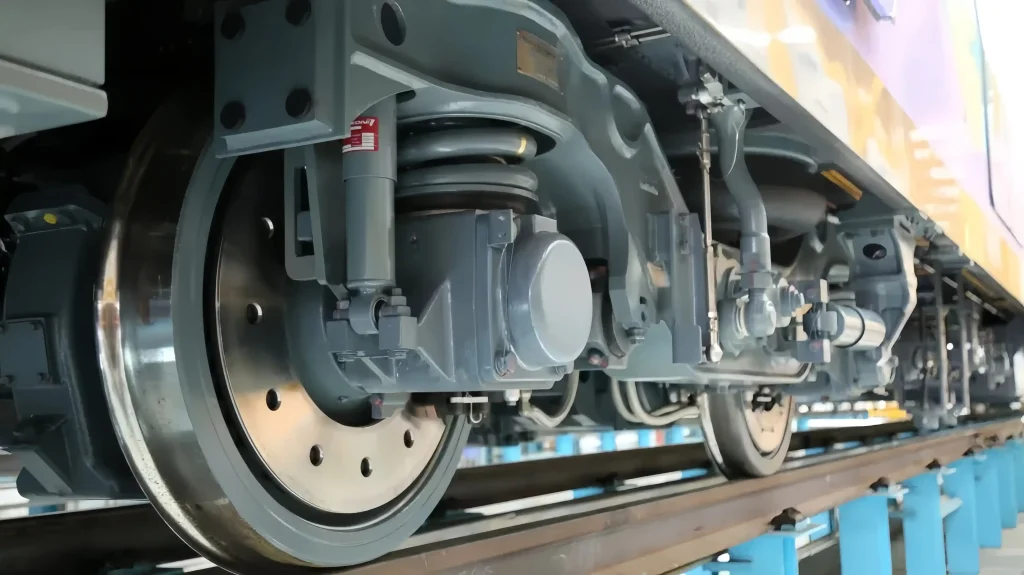
Luoyang Fonyo Heavy Industries Co., Ltd, fondata nel 1998, è un produttore di parti ferroviarie in fusione. La nostra fabbrica copre un'area di 72.600㎡, con più di 300 dipendenti, 32 tecnici, compreso 5 ingegneri senior, 11 ingegneri assistenti, E 16 tecnici. La nostra capacità produttiva è 30,000 tonnellate all'anno. Attualmente, produciamo principalmente fusione, lavorazione, e assemblaggio per locomotiva, vagone ferroviario, treni ad alta velocità, attrezzature minerarie, energia eolica, ecc. I nostri prodotti sono stati esportati in Russia, gli Stati Uniti, Germania, Argentina, Giappone, Francia, Sudafrica, Italia e altri paesi.
Contatto: Stella Liu
E-mail: [email protected]
Whatsapp: +86-152-3615-7103