Scansiona il codice WeChat per contattarci
Scansiona il codice WeChat per contattarci
Sentiti libero di inviarci un'e-mail e ti risponderemo il prima possibile.
Creare il futuro con cuore e anima


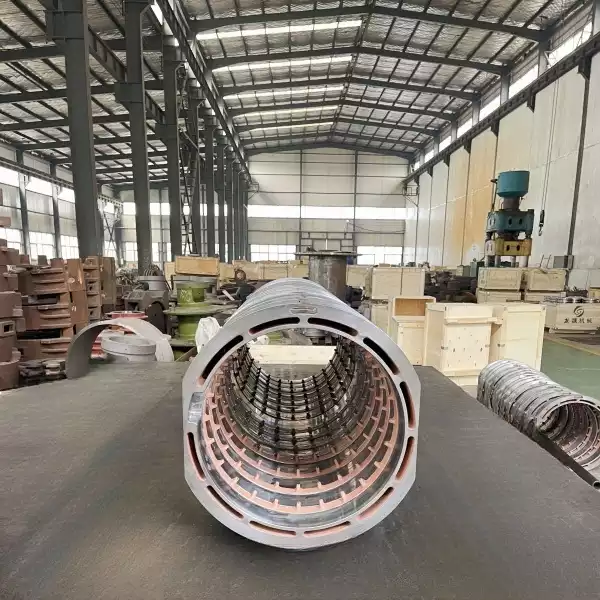
In un motore di trazione ferroviaria ad alta velocità, IL anello di pressione dello statore potrebbe non sembrare impressionante a prima vista, tuttavia svolge un ruolo chiave nel mantenere stabile il nucleo dello statore. Tiene saldamente i lamierini impilati e aiuta il motore a rimanere affidabile durante lunghe ore di vibrazioni e carichi variabili. A causa di questo ruolo, il metodo di fusione utilizzato per produrre a anello di pressione dello statore diventa molto importante. Due opzioni comuni sono bicchiere d'acqua, colata in sabbia E Fusione con processo V. Ognuno ha i suoi punti di forza, e ciascuno si adatta a diversi obiettivi di produzione. Le differenze sono chiare una volta che guardiamo di cosa ha effettivamente bisogno l'anello.
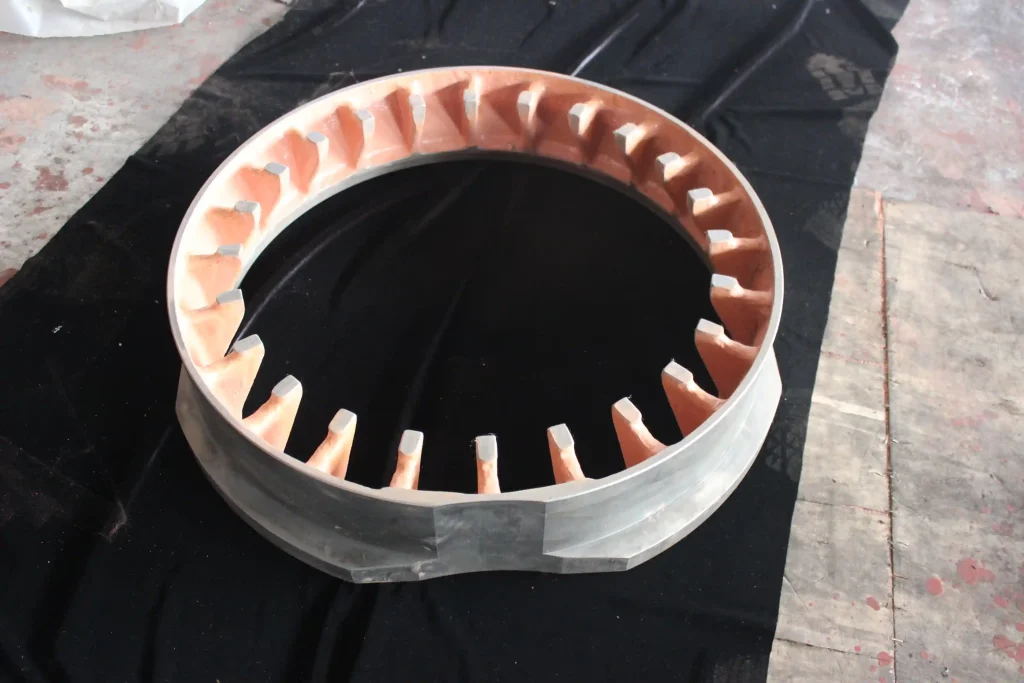
UN anello di pressione dello statore deve rimanere forte, stabile, e coerente nella forma. Necessita di buone dimensioni, superfici lisce, e rigidità sufficiente per gestire le vibrazioni. Inoltre, non dovrebbe richiedere troppe lavorazioni successive. Tuttavia, diversi metodi di fusione possono influenzare queste qualità in modi diversi. Perciò, comprendere la natura di ciascun metodo ci aiuta a scegliere quello giusto con sicurezza.
Colata in sabbia di vetro ad acqua is a mature process and widely used. It produces solid, dense structures and works well with materials like ductile iron or cast steel. Di conseguenza, it is a very reliable choice for anello di pressione dello statore produzione. When the order includes several sizes or medium quantities, it will have many advantages.
This process keeps costs under control, since the moulding materials are simple and the equipment is not too complex. Inoltre, the method offers stable quality because operators are very familiar with it. The shape remains consistent, and deformation stays within a predictable range. For traction motor parts that need durability, and price can not be very high, so reasonable pricing is necessary, water glass sand casting often provides a balanced and practical solution.
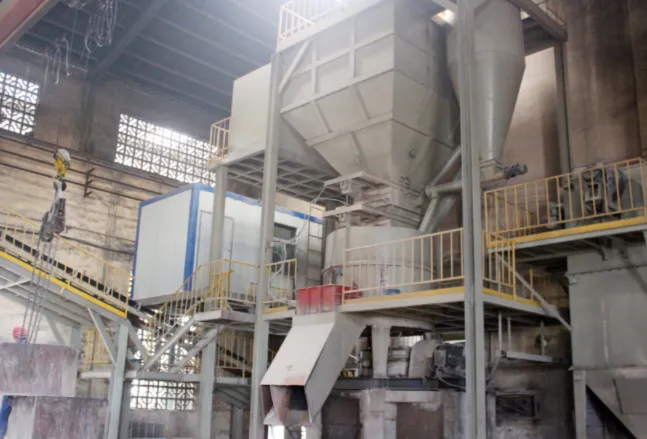
Compared with water glass sand casting, Fusione con processo V looks more refined. It uses vacuum suction to hold dry sand in shape, which means it does not need binders. Di conseguenza, the sand mould stays clean, and the cast surface becomes much smoother. For a anello di pressione dello statore, this brings several benefits.
Primo, the dimensional accuracy improves, especially in roundness and flatness. This helps the ring fit better with other motor parts. Secondo, the clean surface reduces machining time, because the metal comes out with fewer bumps or defects. Inoltre, the ring usually ends up lighter, as the machining allowance can be smaller. Nel frattempo, the vacuum also helps keep the mould stable, so deformation becomes less of a concern. If a project focuses on precision and has a high demand for the appearance quality, or light machining, Fusione con processo V often is a good choice that stands out.
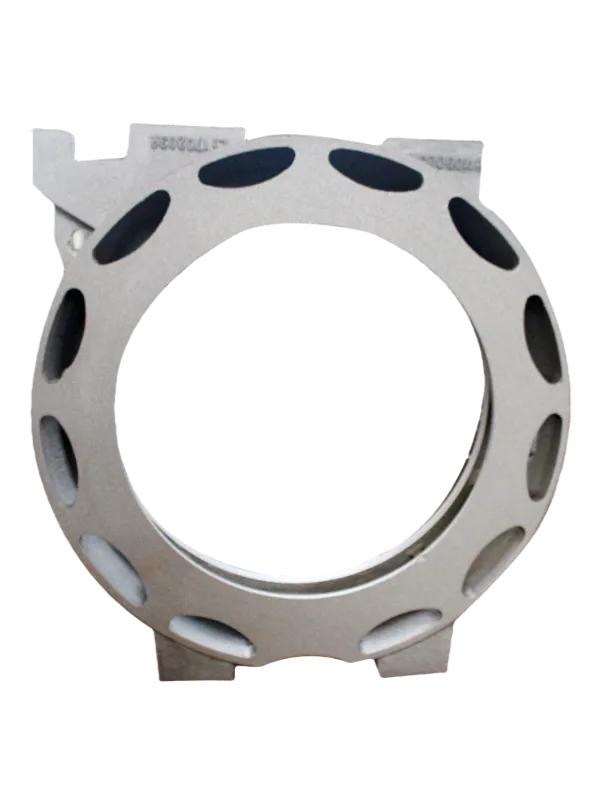
Although both methods can produce a anello di pressione dello statore, they aim at different priorities. Colata in sabbia di vetro ad acqua focuses on strength, efficienza dei costi, and flexibility across many sizes. D'altra parte, Fusione con processo V offers better accuracy, cleaner surfaces, and higher consistency. Per esempio, if the ring needs tight tolerances or a very neat outer surface, V-process casting has an advantage that no other process can compare. Al contrario, if the project involves multiple models and needs stable strength at a lower cost, water glass sand casting fits well.
Inoltre, environmental concerns also play a role. Because the V-process uses no binders, it produces fewer emissions. Some customers prefer it for this reason. Tuttavia, its tooling cost is usually higher, so it works best when quantities are stable or when precision clearly matters.
Selecting a casting method for a anello di pressione dello statore is not simply about choosing the best one. Invece, it is about choosing what matches the needs of the application. If the focus is stability, flexibility, and price, colata in sabbia di vetro ad acqua offers a reliable process. Nel frattempo, if the priority is precision, clean surfaces, or reduced machining, Fusione con processo V provides a clear advantage. So both methods remain trusted in the traction motor field, and both can deliver strong and long-lasting rings when used properly.
Both casting processes can produce a high-quality stator pressure ring, but they serve different goals. Water glass sand casting offers stability and cost efficiency, while V-process casting delivers better accuracy and surface performance. Because Luoyang Fonyo Heavy Industries Co. Ltd. uses both methods, we can match each project with the most suitable approach and make sure every stator pressure ring meets the expectations of high-speed railway applications.
Per ulteriori informazioni, puoi visitare il nostro sito web: www.railwaypart.com