Scansiona il codice WeChat per contattarci
Scansiona il codice WeChat per contattarci
Sentiti libero di inviarci un'e-mail e ti risponderemo il prima possibile.
Creare il futuro con cuore e anima


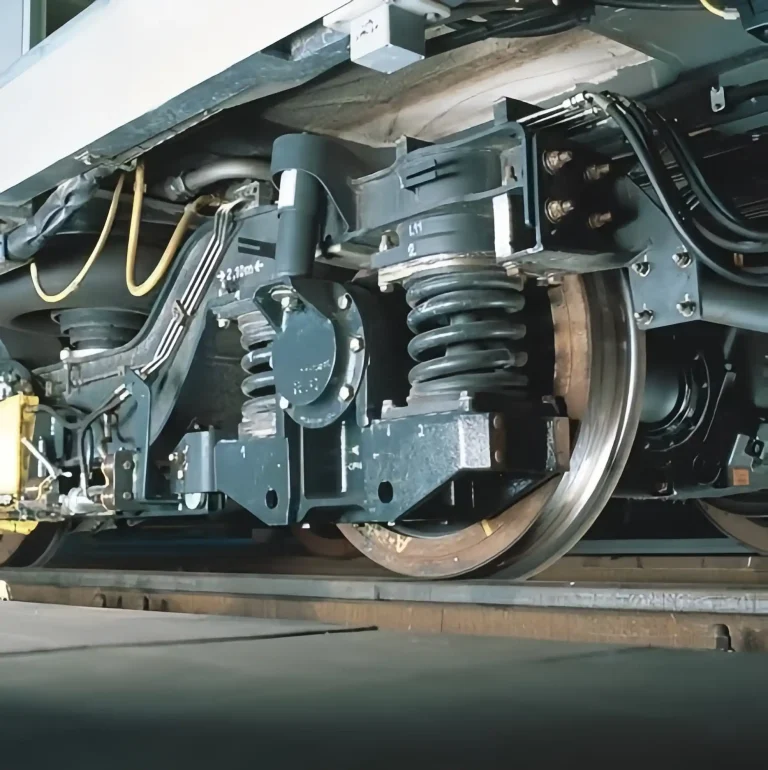
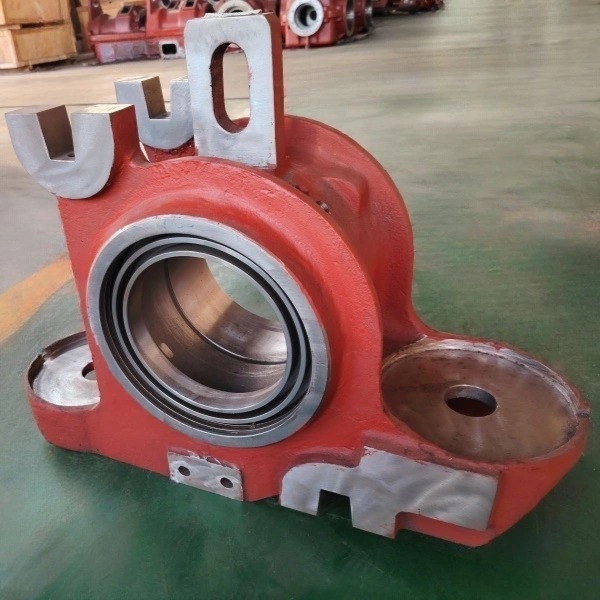
Quando si parla di settore ferroviario, la sicurezza e l'affidabilità sono tutto. Ogni componente del treno deve funzionare perfettamente in condizioni di carichi pesanti e condizioni meteorologiche mutevoli. Ecco perché i getti ferroviari come le ruote, alloggiamenti del cambio, alloggiamenti delle boccole, E carrelli—go through a series of strict inspections before leaving the factory.
In questo articolo, let’s walk through the main inspection methods that help ensure every railway casting meets the highest standards of quality and performance.
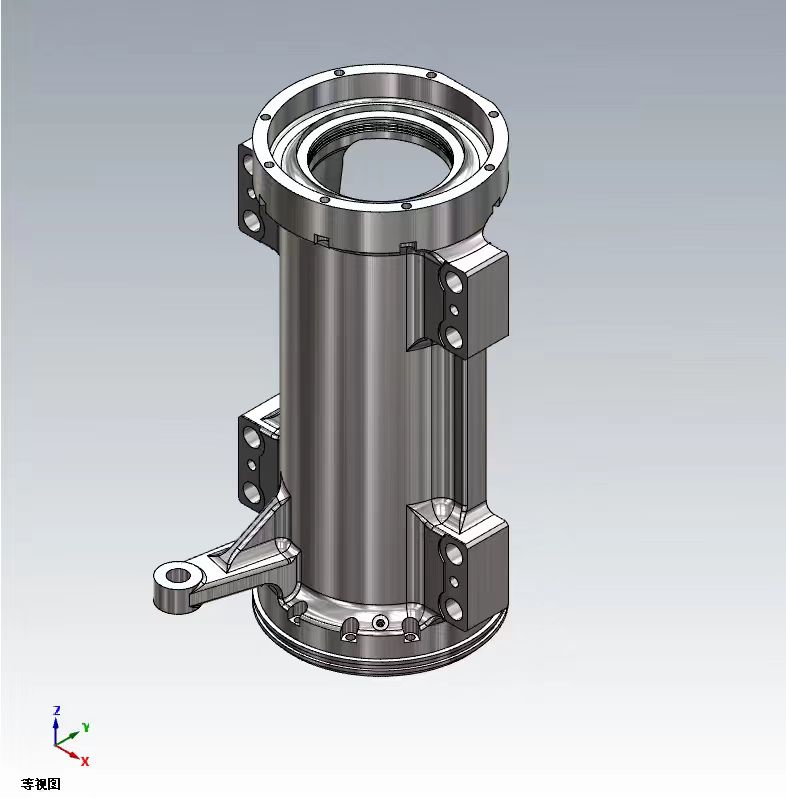
The first step in any quality process is visual inspection. Skilled inspectors carefully check the surface of the casting for visible defects like cracks, buchi di sabbia, or shrinkage. They may use magnifiers or even industrial endoscopes to see small areas in detail.
Allo stesso tempo, dimensional inspection ensures that each part matches the drawing or 3D model. Tools such as vernier calipers, gauges, and coordinate measuring machines (CMM) are used to verify accuracy.
This step helps confirm that every railway casting will fit and function perfectly during assembly.
For iron and steel castings, magnetic particle testing is one of the most common non-destructive tests. The part is magnetized, and fine magnetic powder is applied to the surface. If there is any small crack or defect, the powder gathers along it and makes it visible.
MT is very effective for detecting surface or near-surface defects that might not be seen with the naked eye. It’s often used for wheels, hubs, and brake components in railway castings.
Some railway castings are made from non-magnetic materials, such as stainless steel or aluminum alloys. In these cases, penetrant testing is used instead.
A colored or fluorescent liquid is applied to the surface, allowed to soak in, and then cleaned off. A special developer is sprayed to draw out any liquid from small cracks, which then appear clearly under normal or UV light.
This simple but reliable method helps identify even tiny surface cracks.
To check for internal defects, manufacturers use ultrasonic testing.
High-frequency sound waves are sent into the metal, and the reflections are analyzed. If there’s a void, crack, or inclusion inside the part, the reflected signal will change.
UT is fast, accurate, and safe—it can find hidden problems without cutting or damaging the casting. This method is widely used for critical railway parts that must have perfect internal integrity.
A volte, inspectors use X-ray or gamma-ray testing to see inside a casting.
This process, called radiographic testing, produces an image that shows any internal defects like shrinkage, porosità, or inclusions.
Although it’s more expensive and requires safety controls, RT provides a clear and direct view of the inside quality of the casting—just like a medical X-ray.
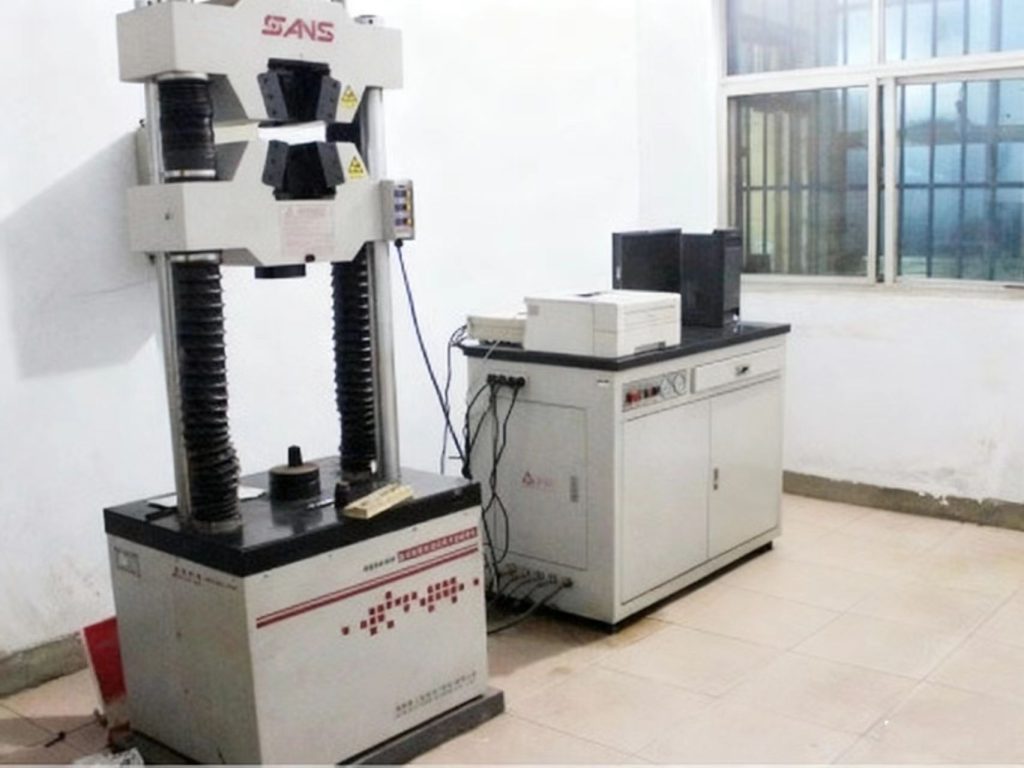
Above is about non-destructive tests; besides these tests, mechanical and chemical analyses ensure that the material itself meets all required standards.
Spectrometer testing confirms the chemical composition.
Trazione, impatto, and hardness tests check the strength and toughness.
Metallographic examination reveals the microstructure of the metal under a microscope.
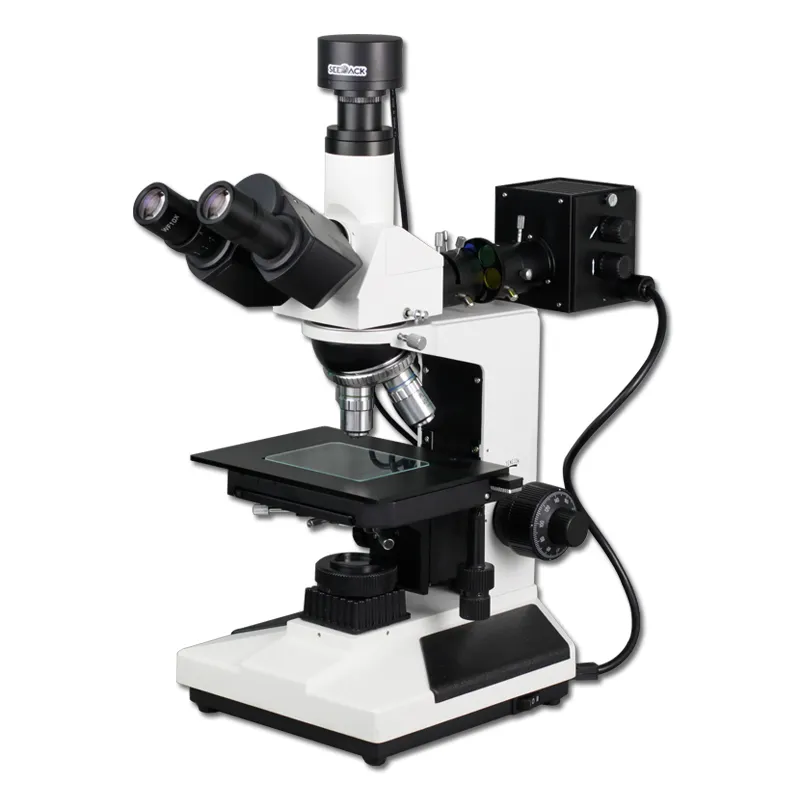
These tests guarantee that the railway castings have perfect quality, they are not only free from defects but also strong and durable, so that they can have enough long-term service.
For rotating parts like wheels or rotors, dynamic balancing is essential.
A small imbalance can cause vibration, noise, and wear during operation.
Special balancing machines are used to make sure each part runs smoothly and safely on the track.
In alcuni casi, fatigue or pressure tests are also performed to simulate real working conditions and confirm long-term reliability.
Every test plays a role in the same goal — safety and reliability.
By combining visual, magnetic, ultrasonic, radiographic, and mechanical tests, manufacturers ensure that each railway casting will perform as expected in daily operation.
When you ride a train, you might not see these castings at work, but they are there — quietly supporting tons of weight, vibrazione, and stress — thanks to careful inspection and strict quality control.
Railway castings are more than just pieces of metal; they are the foundation of safe and reliable rail transport.
Through a complete inspection process — from surface checks to advanced NDT methods — manufacturers can guarantee consistent quality and long service life.
A Luoyang Fonyo Heavy Industries Co., Ltd., we take pride in every step of production and testing.
With over 25 years of experience in casting, lavorazione, e ispezione, we ensure that every railway casting we produce meets the highest international standards for safety and performance.
To learn more about our products and quality control process, please visit our website www.railwaypart.com