Scan the WeChat code to contact us
Scan the WeChat code to contact us
Feel free to send us a email and we will reply to you as soon as possible.
Creating the future with heart and soul


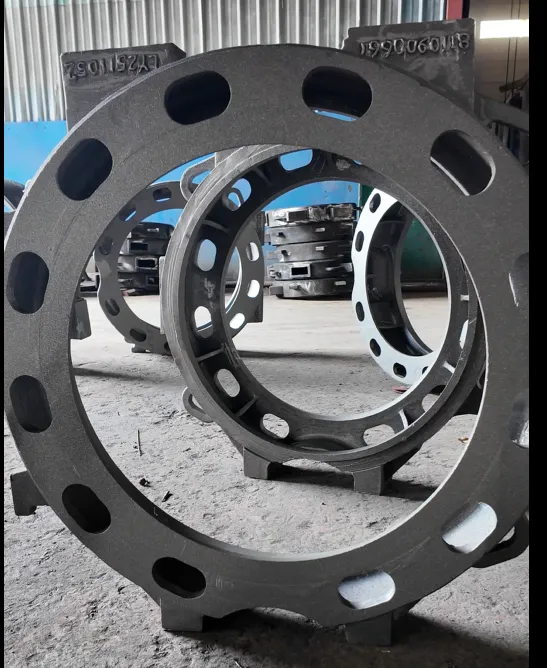
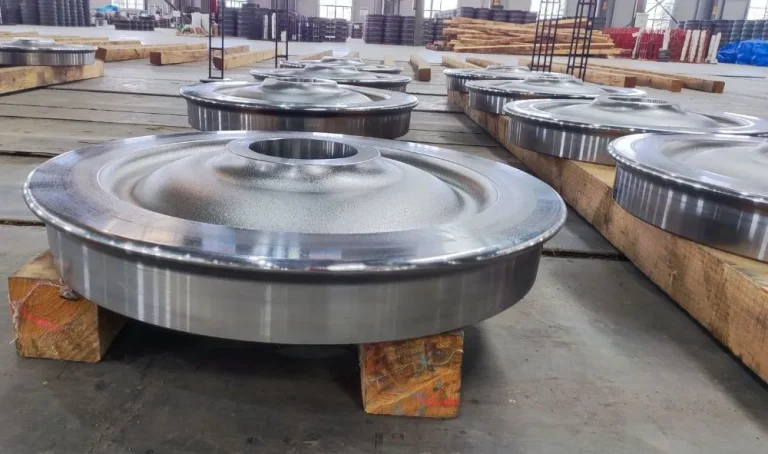
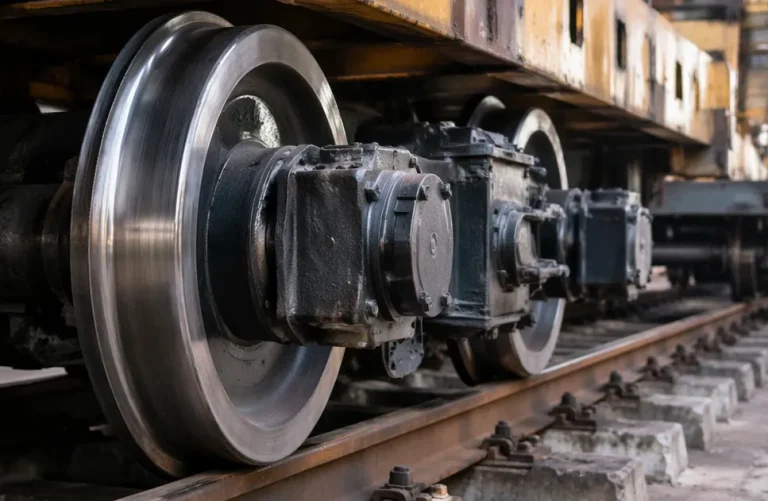
At Luoyang Fonyo Heavy Industries Co., Ltd., ensuring the highest quality of every component is our top priority. Our comprehensive casting and machining quality inspection procedures guarantee precision, durability, and performance for custom metal parts, including railway components, castings, and wheels. From raw materials to final delivery, we employ advanced inspection and testing methods to meet industry standards and customer requirements.
Before we even start production, we make sure the raw materials are up to the task. Poor material will cause problems no matter how good the process is, so we check carefully:
Getting materials right from the start saves headaches later.

Casting can be tricky, especially for high-load parts like wheels or housings. Over the years, we’ve developed a set of checks that catch the problems before they leave our shop:
| Stage | Method | Purpose | Typical Parts |
| Surface & Dimensions | Visual check, calipers, micrometers, CMM | Make sure there are no cracks, porosity, and dimensions are correct | Wheels, housings, castings |
| Internal Defects | PT (penetrant), UT (ultrasonic), RT/X-ray, MT (magnetic particle) | Find surface and internal defects you can’t see | Castings, thick components |
| Mechanical | Hardness, impact/Charpy test | Confirm strength and toughness | Wheels, structural parts |
| Microstructure | Metallographic analysis | Check grain structure and phase distribution | Critical castings |
| Heat Treatment | Hardness and microstructure | Ensure proper mechanical properties | Castings, wheels |
These aren’t just steps on a checklist—they’re methods we’ve learned are most effective in catching real-world problems before parts go out the door.
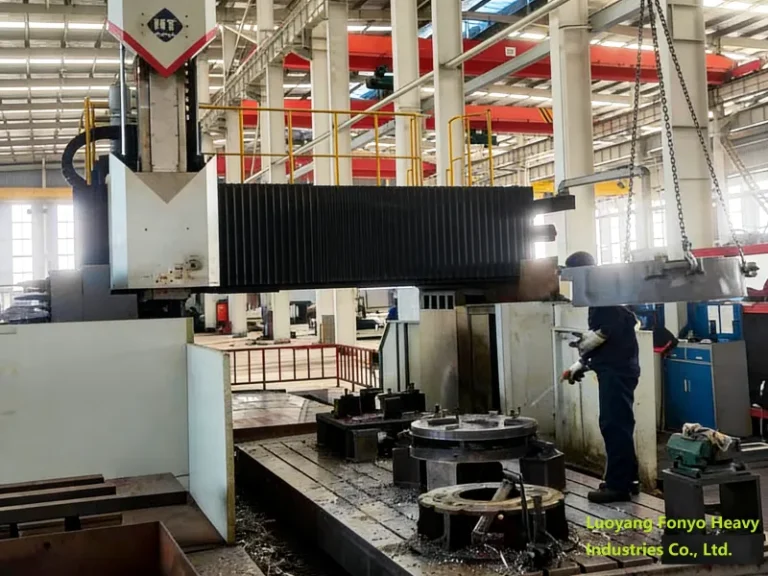
Once the casting is done, machining is where precision matters most. Our philosophy: measure as you go, and don’t assume anything.
| Stage | Method | Why We Do It |
| Dimensional Accuracy | CMM, micrometers, gauges | To make sure holes, shafts, and mating surfaces match the drawing perfectly |
| Surface Finish | Roughness measurement | Smooth surfaces reduce friction and wear in operation |
| Functional Fit | Assembly checks, test fitting | Ensures parts work together without adjustment |
| In-Process Monitoring | Continuous observation | Catch deviations immediately rather than waiting until the end |
By checking continuously, we can catch small errors early and keep all parts within tight tolerances.
Experience has shown us that combining multiple methods works best. Here’s a quick overview:
| Method | What It Checks | When We Use It |
| PT (Penetrant) | Surface cracks | During casting inspection |
| UT (Ultrasonic) | Internal defects | During casting inspection |
| RT/X-ray | Internal porosity, inclusions | Critical castings |
| MT (Magnetic Particle) | Surface cracks | Ferromagnetic components |
| Hardness Test | Material strength | After heat treatment |
| Impact Test | Toughness | For parts that need to absorb shocks |
| Metallography | Microstructure | Confirm proper grain and phase distribution |
Layering these methods helps us feel confident that the parts will perform under real-world conditions.
Before shipment, we do a last set of checks—more than just numbers:
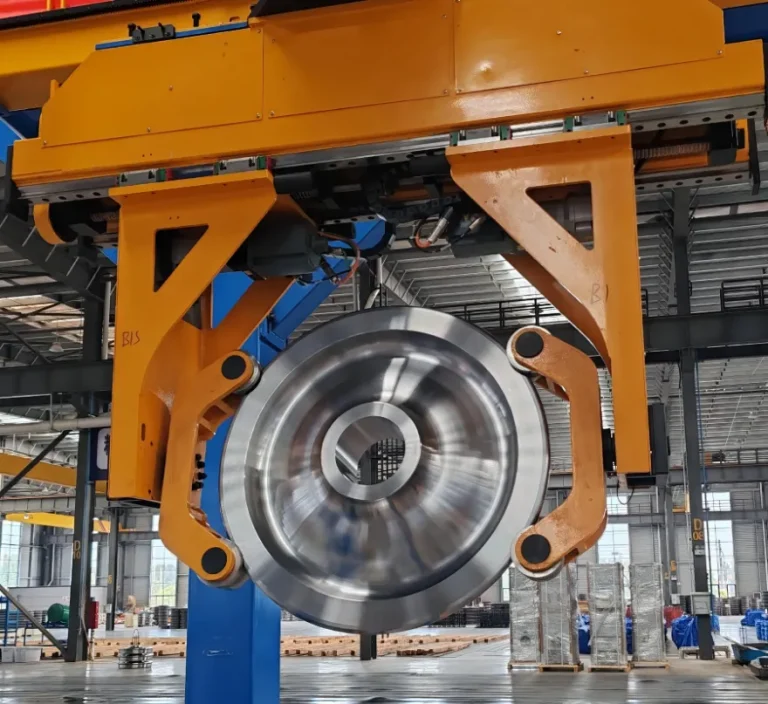
We want every part—whether a railway wheel, casting, or machined component—to arrive ready to work without surprises.
From our perspective, quality isn’t just a department—it’s a mindset:
We approach each project like we would for our own machines—carefully, deliberately, and with real-world experience behind every decision.
If you’re looking for railway parts, castings, wheels, or other custom metal components, we can help. Our team of Luoyang Fonyo Heavy Industries Co., Ltd. can guide you through every step, provide thorough casting and machining quality inspection, and deliver parts that meet your exact specifications.
Reach out today to discuss your project, request a quote, or learn how we make sure every component leaving our facility is precise, reliable, and ready for real-world use.