Scan WeChat-koden for at kontakte os
Scan WeChat-koden for at kontakte os
Du er velkommen til at sende os en e-mail, og vi vil svare dig hurtigst muligt.
At skabe fremtiden med hjerte og sjæl


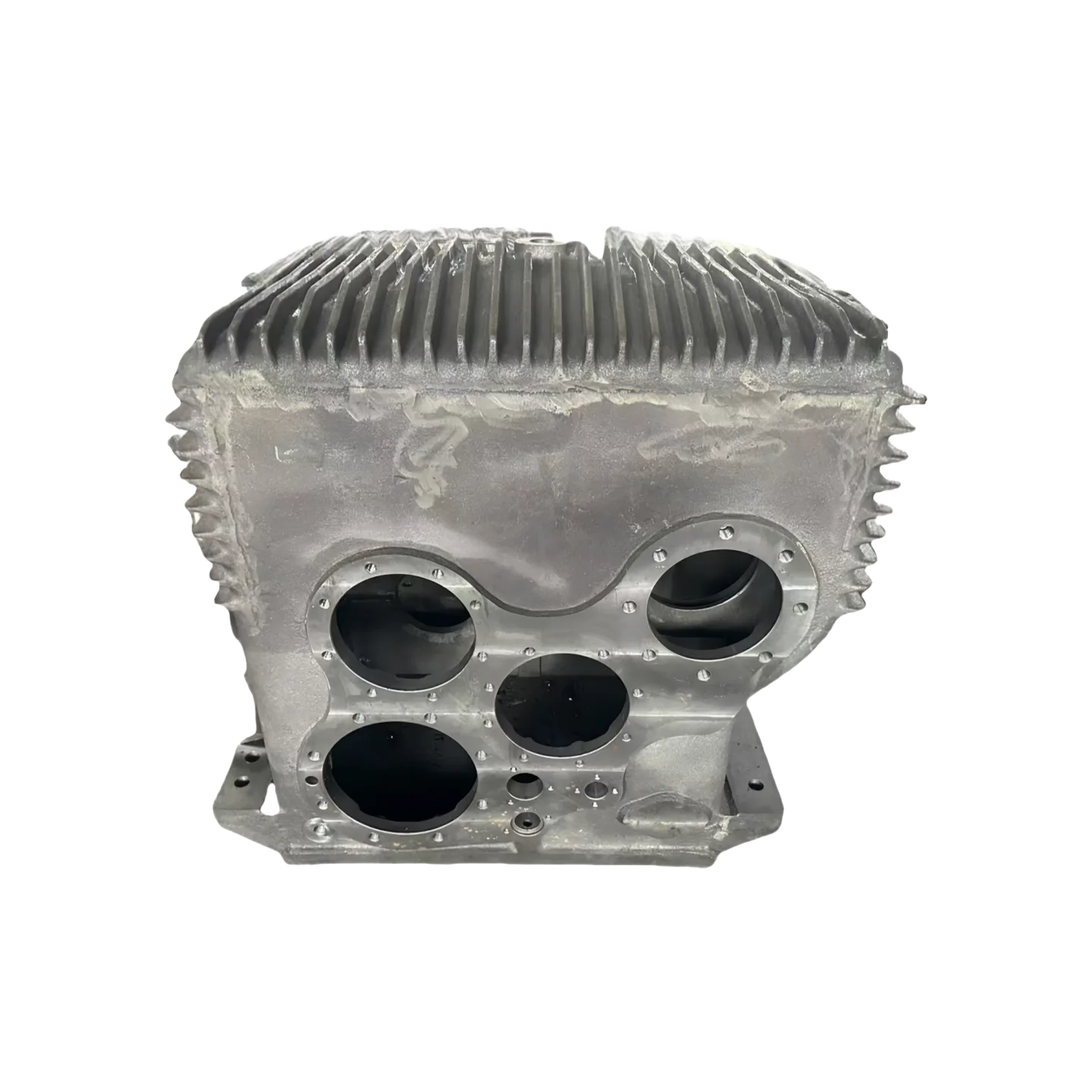
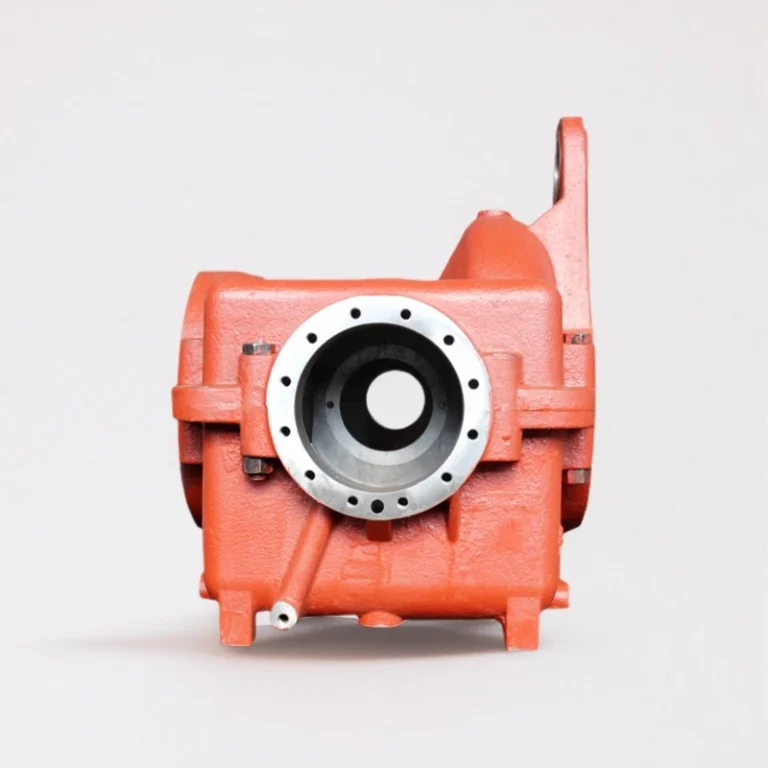
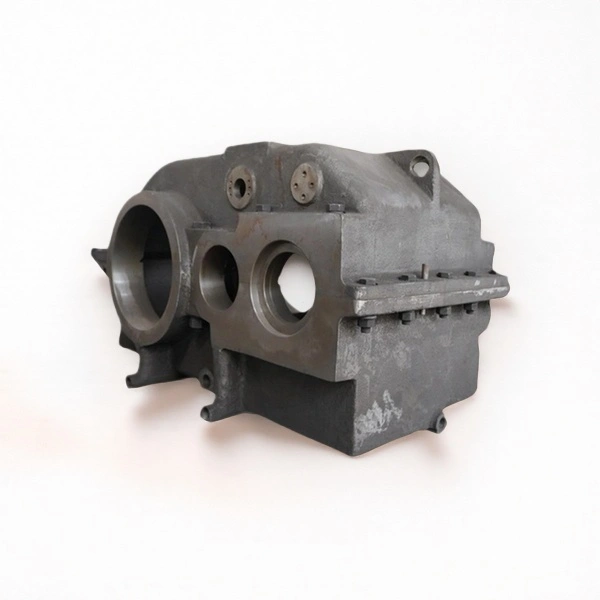
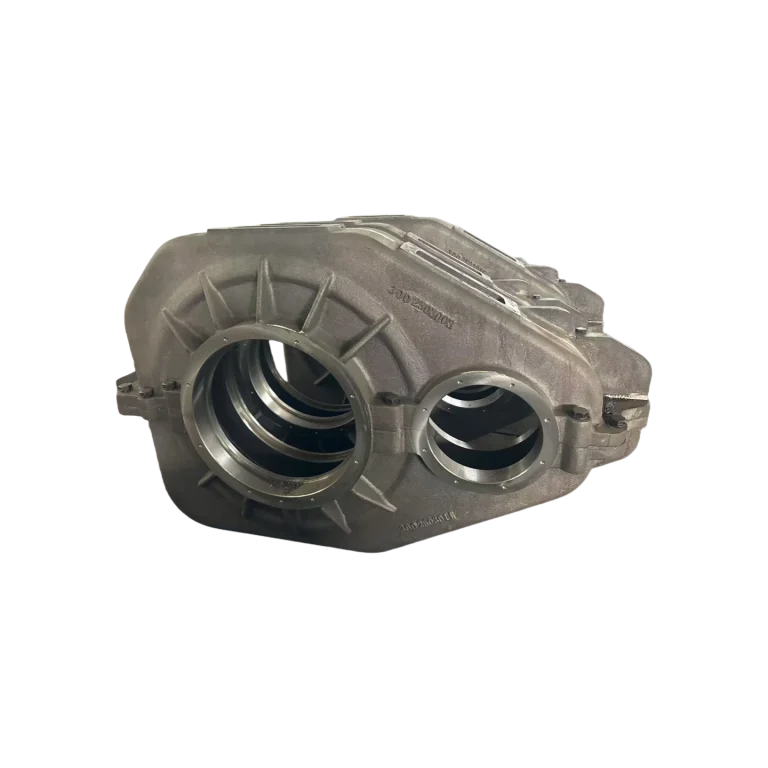
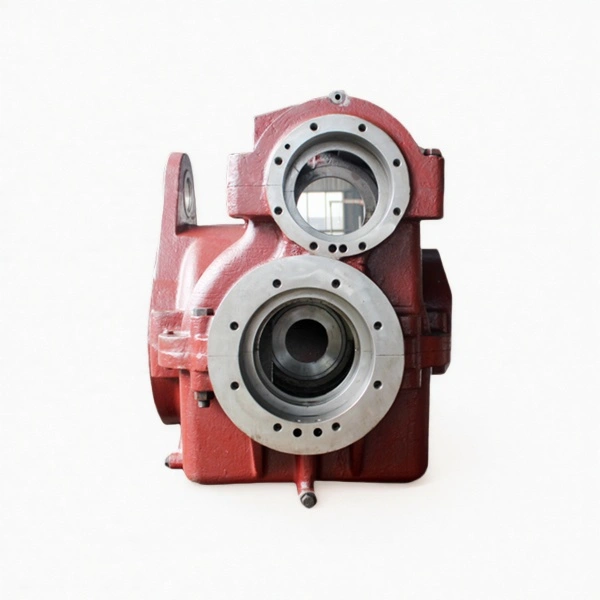
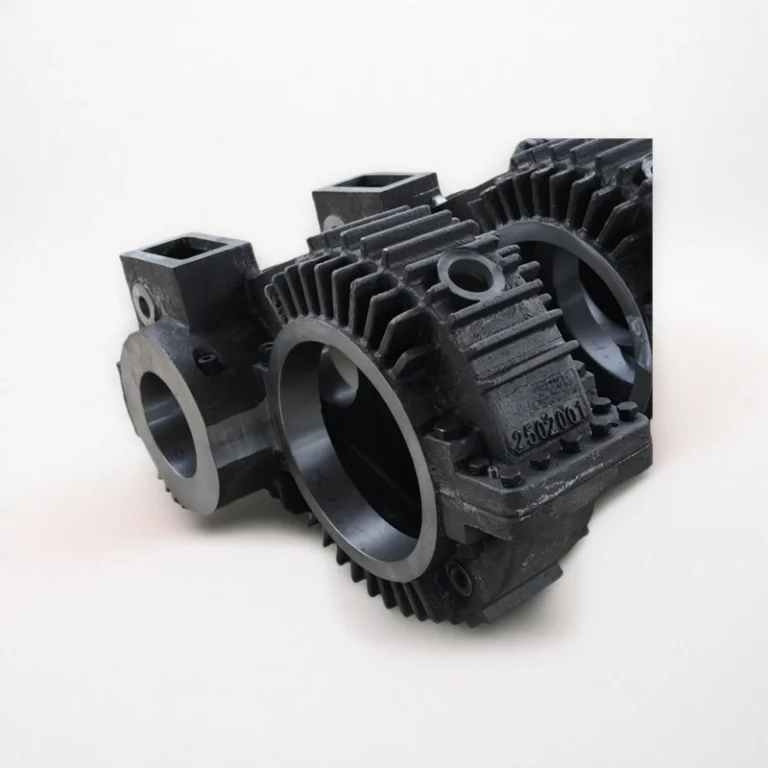
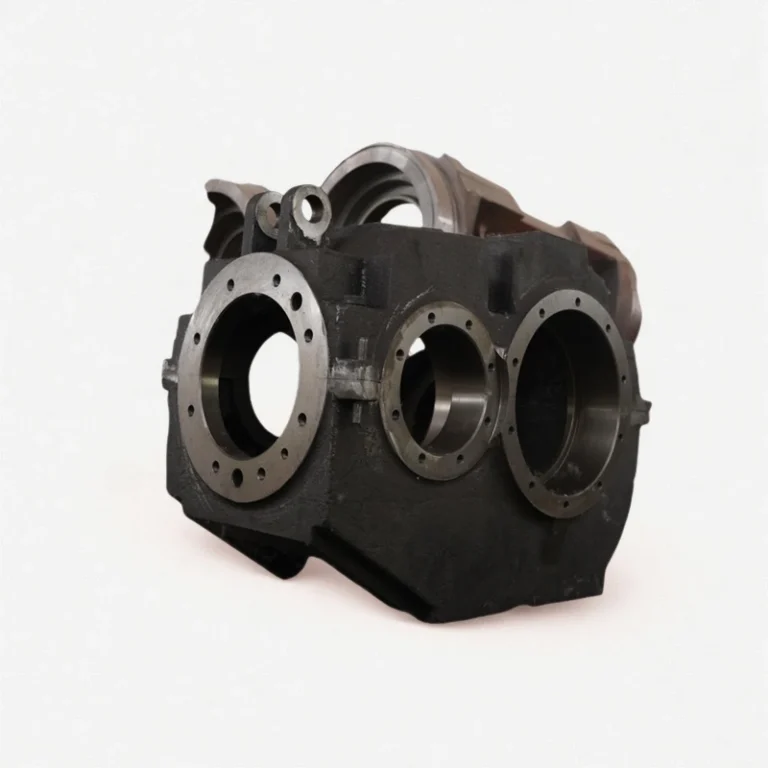
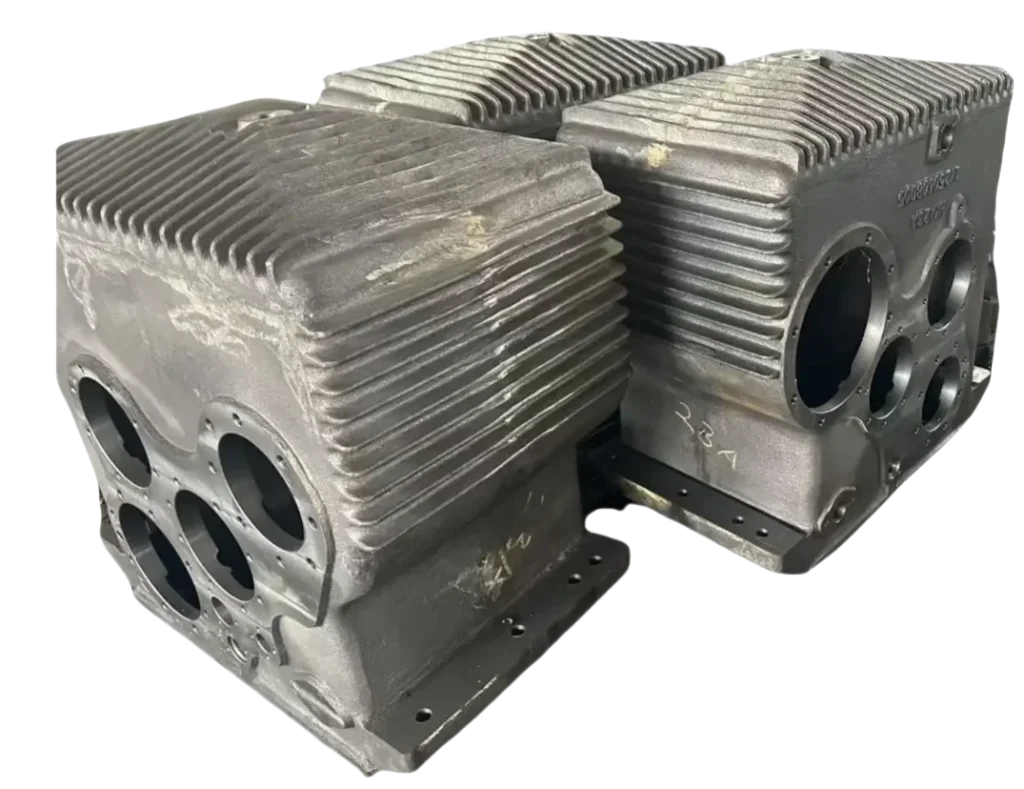
Railway gearboxes, as key components of railway vehicle transmission systems, play an irreplaceable role in ensuring smooth and efficient train operation. They act as the “masters of conversion” for train power, accurately and efficiently transmitting the power generated by the power unit to the wheels, enabling trains to maintain their desired speeds under various road conditions. Whether high-speed EMUs zipping through cities at lightning speed or heavy-duty freight trains steadily hauling large loads of cargo over long distances, they all rely on the support of high-performance railway gearboxes.
| Parameter Category | Detailed Parameters |
| Gear Ratio | The typical range is 2:1 til 5:1, customized based on train type (e.g., højhastighedstog, intercity trains, freight trains) and operational requirements to achieve appropriate speed-torque conversion. |
| Rated Power | Depending on the train’s power system configuration, it ranges from several hundred kilowatts (such as some light intercity trains) to several megawatts (such as high-speed EMUs and heavy-duty freight trains). |
| Input Speed | Typically ranges from 1000 til 3000 rpm, matching the speed characteristics of the power source (e.g., diesel engine, electric motor). |
| Output Torque | Depending on the train’s traction requirements, it can range from thousands of Newton-meters to hundreds of thousands of Newton-meters, ensuring the train can overcome various resistances during starting, acceleration, and climbing. |
| Operating Temperature Range | Generally, it operates in ambient temperatures between -40°C and +60°C. Some specialized models can accommodate a wider temperature range to accommodate diverse regional climates. |
| Lubrication Method | Forced lubrication or splash lubrication is typically used to ensure adequate lubrication of key components such as gears and bearings, reducing wear and extending service life. |
| Noise Level | During normal train operation, the noise level measured at 1 meter from the gearbox typically does not exceed 85dB(EN), ensuring interior comfort and minimizing noise pollution. |
Railway operations place extremely high demands on safety. Railway gearboxes utilize high-strength materials and advanced manufacturing processes. Key components such as gears and shafts undergo precision forging, varmebehandling, and machining, resulting in excellent fatigue and wear resistance. These components maintain stable and reliable operation even under long periods of continuous operation and complex operating conditions, significantly reducing the probability of failure and providing a solid foundation for railway transportation safety.
By optimizing the gear tooth profile, meshing parameters, and housing structure, railway gearboxes achieve highly efficient power transmission, typically achieving a transmission efficiency exceeding 97%. This minimizes power loss during transmission, allowing more energy to be converted into traction for the train, thereby improving energy efficiency and reducing operating costs.
To prevent lubricant leakage and the ingress of foreign matter (such as dust and moisture) that could affect the gearbox’s operation, railway gearboxes utilize a multi-layered sealing structure. These seals are meticulously designed and rigorously tested to maintain excellent sealing performance in a variety of harsh environments, ensuring cleanliness and lubrication within the gearbox and extending component life.
Modern railway gearboxes are equipped with advanced sensors and monitoring systems that monitor their operating status in real time, such as temperature, vibration, and noise. By analyzing and processing this data, potential faults can be promptly identified and early warning signals issued, allowing maintenance personnel to take appropriate measures for inspection and maintenance. This shift from traditional scheduled maintenance to condition-based maintenance improves maintenance efficiency and reduces downtime.
On high-speed EMUs, the railway gearbox is a core component of the transmission system. It converts the high-speed rotational power of the electric motor into low-speed, high-torque power suitable for wheel rotation. This allows the EMU to quickly accelerate to high-speed operation and maintain stable power transmission during high-speed operation, providing passengers with a comfortable and fast travel experience.
Intercity trains are primarily used for short-distance transportation between cities, with frequent stops and starts. Railway gearboxes must possess excellent acceleration and deceleration performance, quickly responding to train operating instructions and ensuring smooth starting, stopper, and speed changes. Desuden, their compact design fits within the limited space requirements of intercity trains.
Heavy-Haul freight trains carry large amounts of freight, placing extremely high demands on traction and power transmission. Railway gearboxes provide high torque output, ensuring the train can overcome the weight of the cargo and running resistance, allowing for smooth starting, acceleration, and climbing. Desuden, their high reliability and durability meet the demands of long-term, high-load operation of heavy-haul freight trains.
Gearboxes also play a vital role in urban metro and light rail transit systems. They enable vehicles to flexibly start and stop, change speeds, and steer on complex urban rail routes, adapting to varying operating environments and passenger flow. Desuden, their low-noise design helps minimize impacts on the urban environment and residents’ lives.
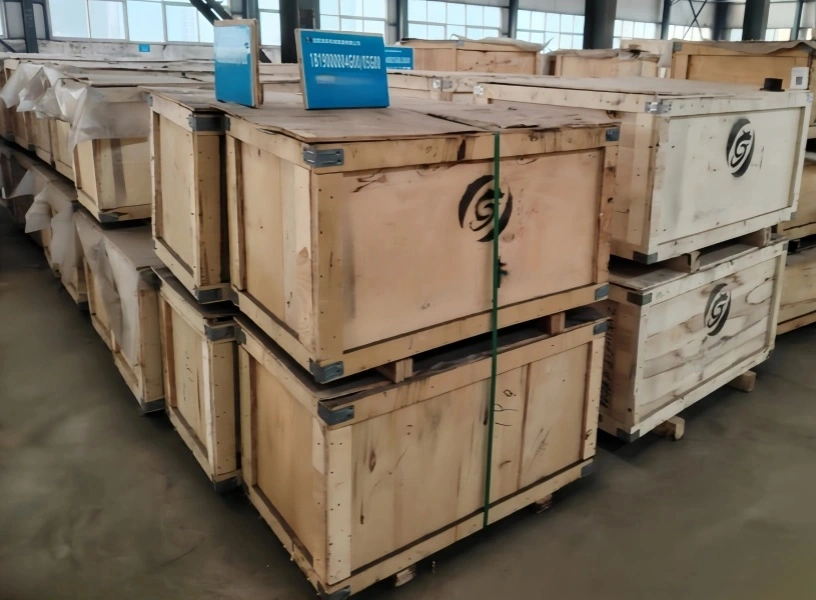
Polybag+Kartonæske+Trækasse/Palle, efter kundens ønske
Luoyang Fonyo Heavy Industries Co., Ltd. blev grundlagt i 1998, dækker et område på 72.600㎡, med mere end 300 medarbejdere, 32 teknikere, inklusive 5 senioringeniører, 11 assistentingeniører, og 16 teknikere. Det er blevet vurderet som Luoyang Engineering Technology Center, Luoyang Technology R&D Center, og National High-tech Enterprise i mange gange.
Vores produktionskapacitet er 30,000 tons om året. For tiden, vi producerer hovedsageligt støbt stål, støbejern (gråt jern, duktilt jern, osv.), bearbejdning af færdigvare og komponentsamling til lokomotiv,jernbanevogn,højhastighedstog, mineudstyr,vindkraft,osv. Vores produkter er blevet eksporteret til Rusland, USA, Tyskland, Argentina, Japan, Frankrig, Sydafrika,Italien og andre lande.
Q1: Er du producent eller handelsvirksomhed?
EN: Vi er en producent. Vores firma blev grundlagt i 1998, med næsten 30 år i støbeindustrien, et samlet areal på 72.600㎡, med et fabriksbygningsareal på 51.000㎡.
Q2. Hvad er dine vigtigste produkter?
EN: Vi fokuserer primært på stålstøbning, jernstøbning, bearbejdning af færdigt produkt, og komponentsamlingsproduktion til lokomotiv, jernbanevogn, højhastighedstog, mineudstyr, vindkraft,osv.
Q3: Hvor præcision kan du producere støbedele?
EN: Vi har evnen til at producere støbedele med forskellige støbeprocesser. Produktionen er strengt i overensstemmelse med ISO 9001, ISO 14001 og ISO45001, EN15085, IRIS.
Q4. Kan du producere i henhold til prøverne?
Ja, vi kan producere efter dine prøver eller tekniske tegninger. Vi kan også bygge tegninger til dig, efter at vi har fået dine prøver.
Q5: Hvordan laver du kvalitetskontrol før levering?
EN: Kvalitetsinspektion er en meget vigtig faktor for at garantere kvaliteten af stålstøbedele. Vi følger efter 3 inspektionstidspunkter under hele produktionsprocessen. Og vi vil levere materialetestrapport, dimensionel prøvningsrapport, og mekaniske egenskaber test rapport til vores kunder før levering.
Hvis du er interesseret i alle produkter,er du velkommen til at kontakte os.
Kontakte: Stella Liu
E-mail:[email protected]
WhatsApp: +86-152-3615-7103