Scan WeChat-koden for at kontakte os
Scan WeChat-koden for at kontakte os
Du er velkommen til at sende os en e-mail, og vi vil svare dig hurtigst muligt.
At skabe fremtiden med hjerte og sjæl


In railway operations, safe and smooth braking relies on more than one part. Jernbanehjul slidbaneslid, braking performance, and maintenance costs are all connected. Train wheels are often seen as very important and costly. But brake shoes are just as important. They help the train slow down smoothly and predictably.
Many railway wheel tread wear issues are not only caused by the railway wheels. They result from how brake shoes and wheel treads interact. Knowing this relationship is a key point. It helps to get the maintenance costs lower, extend service life, and keep operations safe.
Wheel tread wear means the wheel’s running surface slowly loses material. Some wear is normal. But unusual wear can cause problems:
Unusual wear often shows that railway brake shoes og jernbanehjul are not working well together. Good design, proper materials, and system coordination are needed to prevent this.
Brake shoes are attached to the brake system. When braking, they press right against the railway wheel tread. The contact is more than just a point. It involves:
How brake shoes and wheels interact affects how force is applied, and heat is generated. Poor alignment or uneven contact can create stress points. This makes wheel tread wear faster.
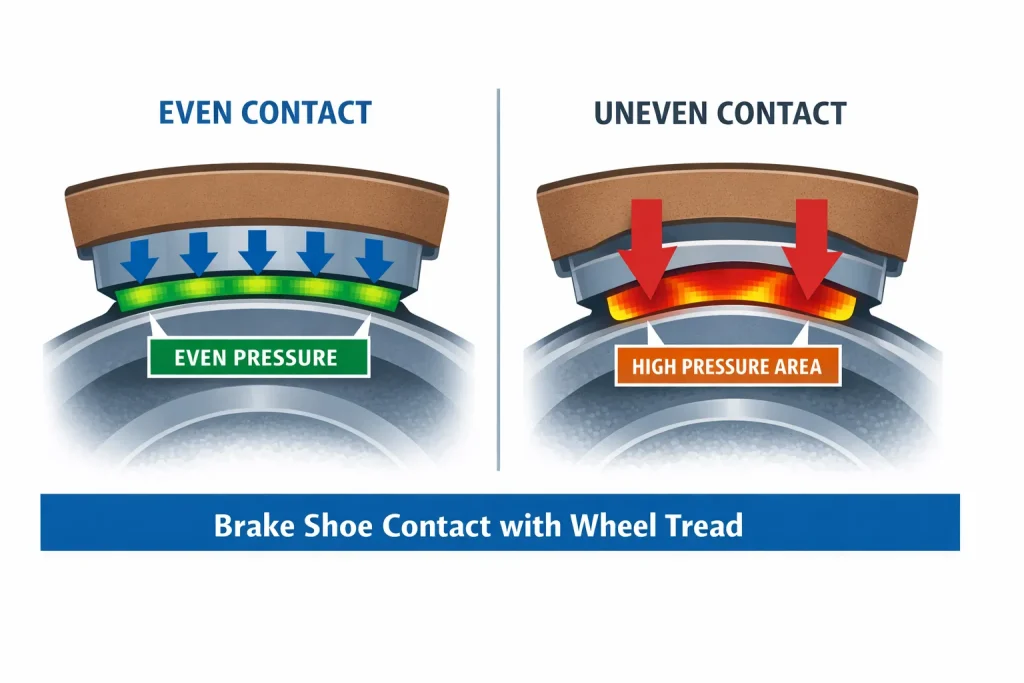
The materials used for bremsesko and wheels greatly affect performance and wear.
Some conditions make the brake shoe-wheel relationship more critical:
Under disse forhold, differences in brake shoe material, alignment, and wheel quality matter more. They affect railway wheel tread wear and braking performance.
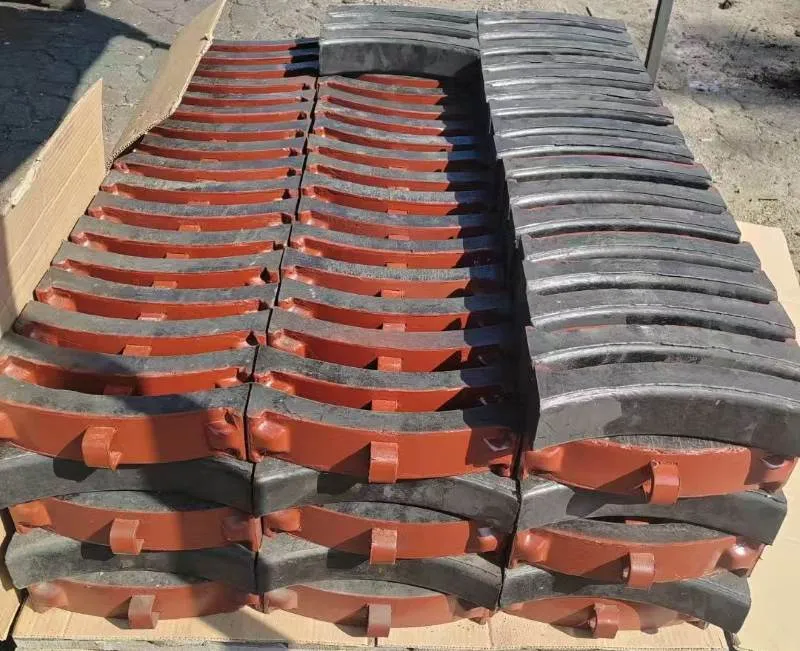
We cannot manage wheel tread well by only looking at the wheel. The best way is to optimise brake shoes and wheels together. This helps:
By seeing brake shoes and wheels as one system, operators can make better choices. This lowers maintenance costs and raises safety.
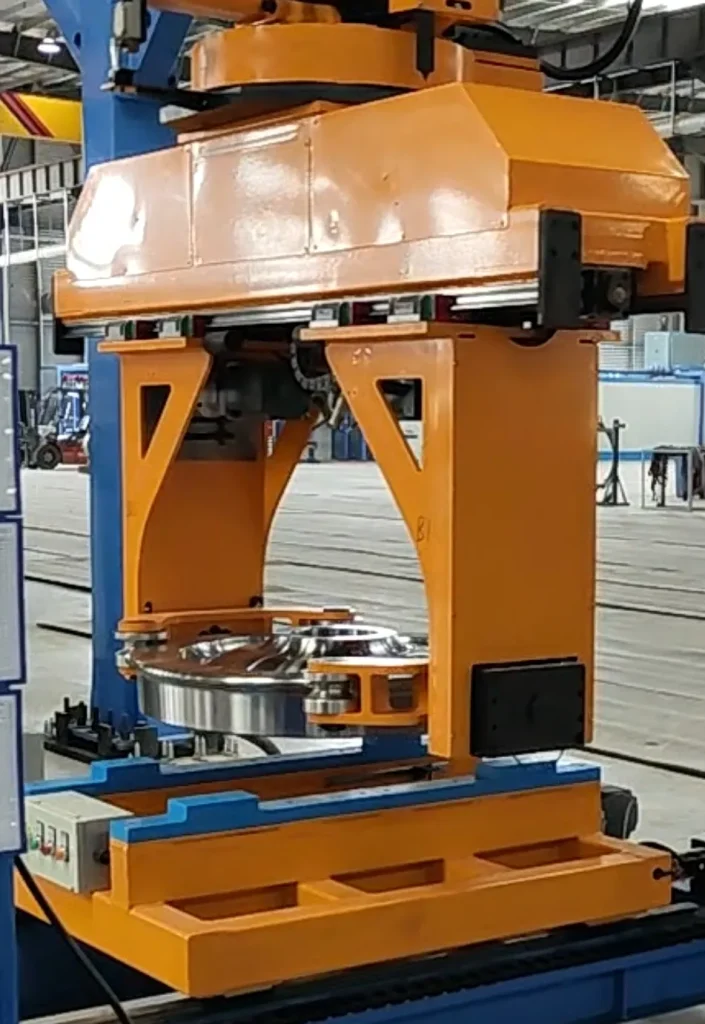
Good performance starts with making both brake shoes and wheels well. there are some key points as follows:
High-quality manufacturing helps brake shoes and wheels work well together. This means less maintenance and more reliability.
Safe and efficient railway braking is a system task. Brake shoes and wheels are partners. One cannot work well without the other.
Operators and buyers benefit most by understanding this interaction. They should choose parts made and tested to work together.
As a manufacturer, Luoyang Fonyo Heavy Industries Co., Ltd. supply both railway brake shoes and wheels. They are designed to be compatible and reliable over time. We focus on material quality, production control, and testing. This ensures better performance and lower maintenance costs in real use.
�� Learn more about our railway product,please visit our website www.railwaypart.com