قم بمسح رمز WeChat للاتصال بنا
قم بمسح رمز WeChat للاتصال بنا
لا تتردد في مراسلتنا عبر البريد الإلكتروني وسوف نقوم بالرد عليك في أقرب وقت ممكن.
صنع المستقبل بالقلب والروح


تأتي قارنات السكك الحديدية في عدة أنواع رئيسية - عازلة وسلسلة, جاني (AAR), شارفينبرج, com.tightlock, توملينسون, والوصلات اللولبية - كل منها مصمم لتطبيقات محددة للسكك الحديدية, قوى الاقتران, نطاقات السرعة, والمعايير الإقليمية. Choosing the wrong coupler type for a given operation can create interoperability problems, safety risks, or premature wear that shows up in maintenance costs long after the initial purchase.
If you’ve ever stood on a station platform when two rail cars couple together, the connection looks simple enough—a loud clang, a slight jolt, and the train is ready to depart. But the mechanism doing that work varies enormously depending on which continent you’re on, whether the train carries passengers or iron ore, and whether it needs to couple automatically at 160 km/h or be connected by hand in a classification yard.
Railway couplers are one of those railway components that nobody thinks about until something goes wrong. A failed coupling delays trains. يمنع نوع قارنة التوصيل غير المتوافق نقل المعدات الدارجة بين الشبكات. وفي عمليات النقل الثقيل, لا تتآكل قارنة التوصيل غير المحددة فحسب، بل يمكن أن تتعطل تحت قوة قضيب الجر مما يؤدي إلى عواقب وخيمة.
يغطي هذا الدليل أنواع قارنات السكك الحديدية الرئيسية المستخدمة اليوم, كيف يعمل كل منهما, حيث يتم تطبيق كل منهما, وما الذي يجب على فرق المشتريات مراعاته عند تحديد قارنات التوصيل أو تحديد مصادرها.
إذا كنت تريد معرفة المزيد عن قارنات السكك الحديدية, يمكنك القراءة كم تعرف عن مقرنات القطار?
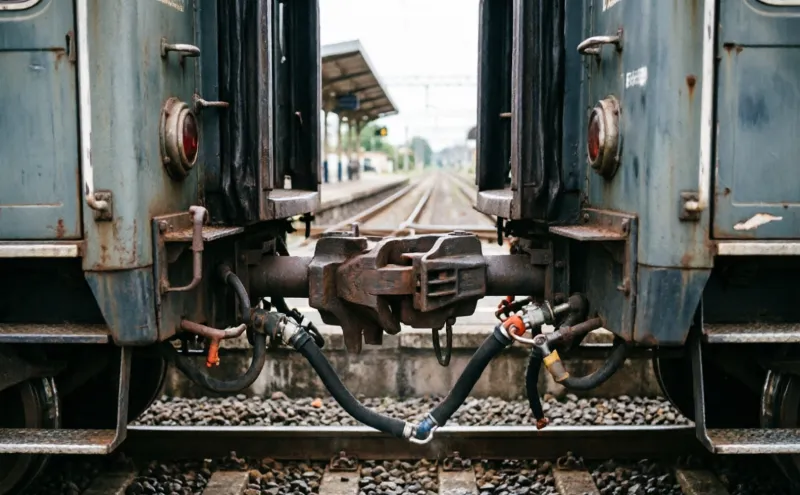
مقرنة السكك الحديدية لديها ثلاث وظائف: ربط سيارتين ميكانيكيا, نقل قوى الشد والضغط (في بعض الأحيان مئات الأطنان), و- اعتمادًا على النوع- يوفر الاستمرارية الكهربائية, اتصالات الفرامل الهوائية, أو اتصالات البيانات.
السبب وراء عدم وجود تصميم قارنة توصيل عالمي واحد يعود إلى التاريخ, ظروف التحميل, والفلسفة التشغيلية. تم توحيد خطوط السكك الحديدية للشحن في أمريكا الشمالية على قارنة التوصيل المفصلية منذ أكثر من قرن من الزمان. قامت شبكات الركاب الأوروبية بتطوير قارنات أوتوماتيكية مدمجة للتشغيل عالي السرعة. لا يزال الشحن في المملكة المتحدة يستخدم المخازن المؤقتة والسلاسل اللولبية في العديد من التطبيقات لأن البنية التحتية مبنية حولها.
لأي شخص يشارك في شراء السكك الحديدية أو إدارة الأسطول, السؤال العملي هو عادة: ما هي الوصلة التي يحتاجها هذا التطبيق بالفعل؟? الجواب يعتمد على قوة قضيب الجر, متطلبات سرعة الاقتران, بيئة الصيانة, وما تستخدمه الأساطيل المجاورة بالفعل.
تعد أدوات التوصيل العازلة والسلسلة - أو العازلة والمسمارية - واحدة من أقدم طرق توصيل السكك الحديدية التي لا تزال قيد التشغيل المنتظم. تحتوي كل مركبة على منطقة عازلة في كل زاوية (عادة اثنان لكل نهاية) ووصلة لولبية مع خطاف على كلا الجانبين. يقوم المشغل يدويًا بإدخال الوصلة اللولبية في الخطاف الموجود على السيارة المجاورة ولف المقبض حتى يتم ضغط المخازن المؤقتة ضد بعضها البعض.
يتمتع النظام بمزايا حقيقية في سياقات معينة. إنه يوفر قدرة تلميع كبيرة من خلال الأقراص العازلة ذات القطر الكبير, والتي تمتص القوى الطولية أثناء التحويل والكبح. يسمح الرابط اللولبي بالتحكم الدقيق في قوة السحب بين المركبات، مما يؤدي إلى إحكام ربطها بشكل أكبر من أجل النقل الثقيل, اترك بعض الركود لراحة الركاب. كما أنه من السهل نسبيًا تصنيعه وإصلاحه بقدرات المعالجة الأساسية.
لكن العيوب حقيقية بنفس القدر. الاقتران اليدوي بطيء, كثيفة العمالة, ويصعب على نحو متزايد تبريره من وجهة نظر السلامة. عامل يقف بين عربتين للسكك الحديدية ويتعامل مع سلسلة لولبية ثقيلة تحت المطر, ثلج, أو يتعرض الظلام لنقاط قرصة, المعدات المسقطة, وحركة السيارة غير المتوقعة. لقد ابتعدت العديد من الهيئات التنظيمية عن الاقتران اليدوي حيثما توجد بدائل تلقائية.
يظل المخزن المؤقت والسلسلة شائعين في عمليات الشحن في المملكة المتحدة, بعض خدمات السكك الحديدية الهندية, وأنظمة السكك الحديدية الصناعية القديمة. للمشاريع الجديدة خارج هذه المناطق, نادرًا ما يتم تحديده ما لم يتم تعديله في الأساطيل الحالية.
قارنة التوصيل Janney — المعروفة أيضًا باسم AAR (رابطة السكك الحديدية الأمريكية) coupler or simply the “knuckle coupler”—is the dominant coupling system for freight railways across North America, أستراليا, parts of South America, and an increasing number of heavy haul operations worldwide.
The operating principle is straightforward but effective. A rotating knuckle on each coupler head opens to accept the knuckle of the opposing coupler. When the two heads meet, the knuckle closes and a locking block drops into place, securing the connection. Decoupling is done from the side of the vehicle by pulling a lever that lifts the lock pin—the knuckle swings open under spring pressure, and the cars separate.
What made the Janney coupler dominate freight is not just the automatic coupling action. It’s the combination of reliable mechanical lock, high tensile strength (Type E couplers are rated for substantial drawbar forces suitable for heavy haul), relative ease of maintenance, and over a century of standardization that means a coupler from one manufacturer fits another’s draft gear without modification.
من منظور التصنيع, AAR couplers are typically forged or cast from medium-carbon or alloy steel, heat treated to achieve the required toughness and fatigue resistance. The knuckle and lock block are the highest-wear components and are commonly replaced items in any freight car maintenance program. Coupler bodies themselves last longer but are inspected regularly for cracks, wear on the coupling face, and deformation.
One detail worth mentioning: within the AAR system, there are multiple grades and types. Type C is common for general service. Type E handles heavier loads and is standard on unit trains and intermodal cars. ال “com.tightlock” variant adds additional mechanical engagement for passenger and commuter applications where preventing separation during a derailment is critical—which brings us to the next type.
Tightlock couplers evolved from the basic AAR knuckle design but add a secondary mechanical interlock that prevents vertical or lateral separation even if the primary knuckle fails or the coupler rotates during a derailment. This feature matters enormously on passenger trains, where coupled cars must stay connected under accident conditions to prevent telescoping or separation.
في الممارسة العملية, a tightlock coupler looks similar to a standard AAR coupler from a distance. The difference is in the extended locking surfaces on the top and bottom of the coupler head that engage with matching features on the mating coupler. Even if the knuckle opens unexpectedly, these secondary locks hold the coupling together.
Commuter rail systems in North America widely specify tightlock couplers. Some metro systems use them as well, particularly where trains operate at moderate speeds on shared corridors or where crashworthiness standards require anti-telescoping performance. The trade-off is cost—tightlock couplers are more complex to manufacture and maintain than standard AAR types—and the fact that they’re generally incompatible with plain knuckle couplers without an adapter.
For procurement teams evaluating tightlock vs. standard AAR couplers, the decision usually comes down to the operating environment and applicable safety regulations rather than preference. If the service is passenger-carrying and the regulatory framework or OEM specification calls for tightlock, that tends to settle the question.
The Scharfenberg coupler—named after its German inventor Karl Scharfenberg—is the automatic coupler of choice for European high-speed trains, most metro systems worldwide, and many light rail applications. Unlike the AAR knuckle, which couples mechanically and requires separate connections for brakes and electrics, the Scharfenberg integrates mechanical coupling, electrical pins, and pneumatic/air brake channels into a single compact front-face operation.
When two Scharfenberg-equipped trains approach each other, the coupler extends forward (on most modern installations), the electrical pins extend, and the mechanical jaws close around the mating coupler head—all without human intervention and in a few seconds. This makes it ideal for frequent coupling and uncoupling operations such as metro shuttle services, trainset joining/separation on high-speed lines, and automated passenger transfer systems.
The coupler face has a distinctive appearance: a circular head with electrical pins arranged above and below the central mechanical coupling aperture, and often visible air hose connection ports on the sides. Different configurations exist—some prioritize electrical pin count for passenger trains (قوة, control, communications), others emphasize pneumatic flow for rapid brake charging.
Manufacturing complexity for Scharfenberg couplers is considerably higher than for AAR types. The precision-machined coupler head, extend-retract mechanism, electrical pin assembly, and integrated valve group all require tight tolerances and rigorous testing. Unit costs reflect this—they are significantly more expensive per coupler than a forged AAR knuckle—but the total cost of ownership in high-frequency automatic coupling applications often favors them because labor savings and operational flexibility offset the initial price.
Screw coupling—also called chain coupling—is the dominant manual coupling system for European freight railways. Similar in concept to buffer and chain but without the large side buffers (European wagons often have a single center buffer or none at all), it uses a screw link with hooks or buck-eye loops on each vehicle end.
The operator attaches the hook of one vehicle to the loop or eye of the next, then uses a screw handle (أ “turnbuckle”) to draw the vehicles together and tension the coupling. The screw mechanism allows controlled draw force adjustment, which is useful in freight operations where different wagon types and load combinations require different coupling tensions.
Screw coupling is gradually being replaced by automatic couplers on new European freight rolling stock, particularly intermodal wagons and unit trains. But the installed base of screw-coupled wagons across Europe, the former Soviet Union, and parts of Africa and Asia means this coupler type will remain in service for decades. Procurement of spare screw links, hooks, and turnbuckle handles continues to be a steady demand item for railway component suppliers.
The Tomlinson coupler is a specific type used extensively on UK multiple-unit passenger trains (DMUs and EMUs). It combines a mechanical coupling bar with integral electrical connector pins, allowing both mechanical and electrical connection in one operation—though unlike the Scharfenberg, it is not fully automatic and requires alignment and extension by the operator or system.
Tomlinson couplers sit in a recessed housing at the end of each vehicle. When two units are brought together, the coupler bar extends, engages with the mating socket, and the electrical pins make contact. It’s simpler than a Scharfenberg and lower in cost, which suits the UK’s extensive commuter and regional multiple-unit fleet where high-speed automatic coupling isn’t normally required.
From a maintenance perspective, Tomlinson couplers are moderately complex—the electrical pins and socket contacts wear and require periodic inspection and replacement, and the mechanical coupling bar can suffer from misalignment damage if units are coupled with excessive gap or angle. But compared to maintaining separate mechanical couplers and jumper cables, the integrated design reduces overall connection time and reduces the risk of electrical connections being missed or damaged during coupling.
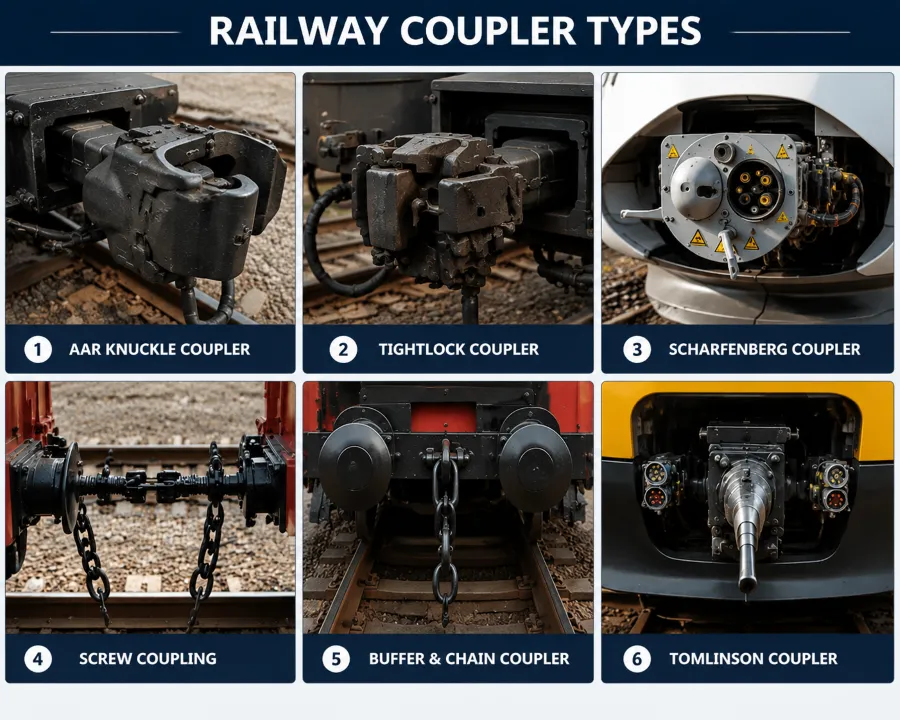
Different applications call for different coupler solutions. Here’s how the main types compare across the factors that matter most in selection:
| Coupler Type | Coupling Method | Typical Application | Draw Force Capacity | تلقائي | Electrical Integrated |
| المخزن المؤقت & Chain | Manual | UK freight, صناعي | معتدل | لا | لا |
| جاني / AAR | تلقائي | North American freight, مسافات ثقيلة | High | Mechanical only | لا (عادة) |
| Tightlock | تلقائي | Commuter rail, راكب | High | ميكانيكية + secondary lock | لا (عادة) |
| شارفينبرج | Fully automatic | عالية السرعة, مترو, السكك الحديدية الخفيفة | Moderate-High | نعم | نعم |
| Screw Coupling | Manual | European freight, post-Soviet | معتدل | لا | لا |
| Tomlinton | Semi-automatic | UK multiple units | معتدل | Semi | نعم |
These comparisons are generalized—specific models within each type vary significantly in ratings, options, and compatibility details. But the pattern is clear: automatic couplers dominate new passenger and high-frequency applications, while manual couplers persist in legacy freight fleets where replacement economics don’t yet justify conversion.
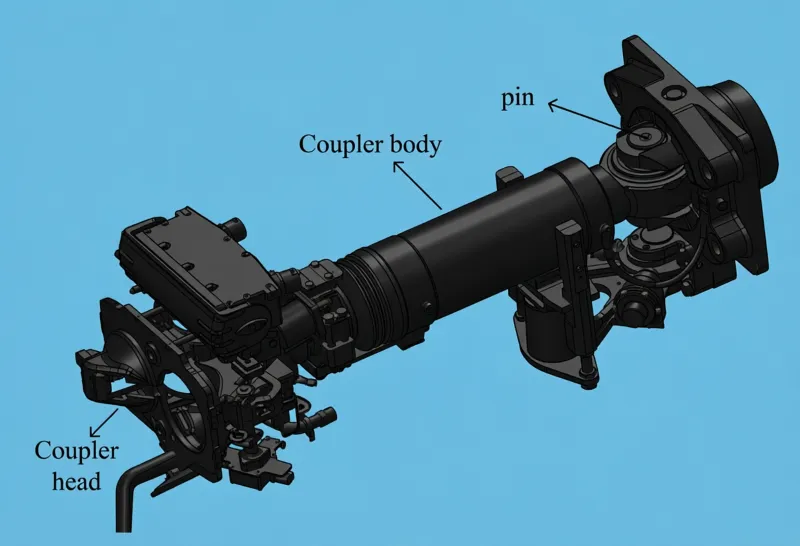
Coupler procurement is one of those areas where the drawing and the purchase order tell only part of the story. Experienced railway engineers and buyers typically evaluate several factors beyond the basic coupler type and part number.
For steel couplers—particularly AAR knuckles, tightlock bodies, and screw coupling components—the material certificate should specify steel grade, عملية المعالجة الحرارية, and resulting mechanical properties (قوة الخضوع, قوة الشد, استطالة, صلابة التأثير). For couplers operating in cold climates, low-temperature impact test results (Charpy V-notch at sub-zero temperatures) become critical. A coupler that performs reliably at +20°C can behave differently at -40°C if the steel transition temperature wasn’t properly controlled during production.
Depending on the coupler type and target market, relevant standards may include AAR M-201 for couplers, EN specifications for European applications, UIC leaflets for international interchange couplers, or specific railway operator approval requirements (such as Network Rail acceptance in the UK or DB specification for German applications). A supplier listing ISO 9001 certification is a starting point, but product-specific standard compliance and third-party inspection records carry more weight in actual procurement decisions.
Many coupler components—especially AAR coupler bodies, knuckles, والأجزاء المشدودة - يتم إنتاجها إما بالتزوير أو الصب, اعتمادا على المكون, مقدار, وقدرة الشركة المصنعة. توفر أجزاء قارنة التوصيل المزورة عمومًا مقاومة فائقة للتعب وتُفضل للدورة العالية, تطبيقات النقل الثقيل. يمكن أن تكون مكونات قارنة التوصيل المصبوبة فعالة من حيث التكلفة لبعض الأشكال الهندسية والتطبيقات ذات الضغط المنخفض ولكنها تتطلب اهتمامًا دقيقًا بالتحكم في عملية المسبك, المعالجة الحرارية, واختبارات غير مدمرة لضمان السلامة الداخلية.
فهم ما إذا كان المورد ينتج مكونات قارنة التوصيل من خلال الصب, تزوير, أو مجموعة من الطرق - وما الفحص والاختبار الذي يدعم كل طريقة - يخبرك بالمزيد عن الموثوقية على المدى الطويل أكثر من سعر الوحدة وحده.
المقرنات لها مكونات قابلة للاستهلاك: knuckles, كتل القفل, دبابيس, البطانات, مسامير, والاتصالات الكهربائية للقارنات التلقائية. When selecting a coupler supplier or specifying a coupler type for a new fleet, it’s worth confirming that wear parts will be available throughout the expected service life of the vehicle. A well-designed coupler with unavailable spare parts becomes an expensive problem after a few years of operation.
من منظور التصنيع, coupler quality problems tend to show up in predictable ways: surface defects from casting or forging that initiate fatigue cracks, incorrect heat treatment that leaves the component either too soft (ارتداء المفرط) or too brittle (impact fracture), dimensional deviations that cause poor engagement with mating couplers, and inadequate NDT that allows internal defects to reach service.
يعالج مصنعو قارنات التوصيل ذوي السمعة الطيبة هذه المخاطر من خلال التحكم في العملية - ممارسة الصهر المتسقة لتركيب الفولاذ, دورات المعالجة الحرارية الموثقة مع سجلات الفرن, قياس الأبعاد في المراحل الرئيسية, و 100% NDT (فحص الجسيمات المغناطيسية لعيوب كسر السطح, اختبار الموجات فوق الصوتية للسلامة الداخلية) على المكونات الحيوية للسلامة.
لفرق المشتريات, طلب سجلات فحص العينة, مراجعة إجراءات NDT الخاصة بالمورد, وفهم نظام التتبع الخاص بهم (هل يمكنهم تحديد دفعة الذوبان التي جاءت منها قارنة التوصيل التي تم تسليمها بالضبط?) يكشف عن جودة التصنيع أكثر بكثير من أي عرض تقديمي للمبيعات.
قد تبدو قارنة التوصيل للسكك الحديدية وكأنها مكون ميكانيكي واحد, ولكن تصميمه, جودة المواد, وتحدد عملية التصنيع ما إذا كانت القطارات تتصل بشكل موثوق كل يوم أو ما إذا كانت أعطال الاقتران تصبح عبئًا متكررًا للصيانة. اختيار نوع المقرنة الصحيحة للتطبيق, التحقق من جودة المواد والتصنيع, وسيؤدي ضمان توفر قطع الغيار إلى تقليل حالات التأخير المرتبطة بالاقتران, حوادث السلامة, وتكاليف الصيانة غير المخطط لها عبر أي أسطول من السكك الحديدية.
فيشركة لويانغ فونيو للصناعات الثقيلة, المحدودة., نحن نصنع مكونات مقرنة السكك الحديدية, مصبوبات السكك الحديدية, عجلات السكك الحديدية, ومكونات المسار ذات الصلة لخطوط السكك الحديدية للشحن, مشغلي السكك الحديدية للركاب, وأنظمة السكك الحديدية الصناعية. الصب لدينا, بالقطع, وتسمح لنا إمكانيات الفحص بإنتاج أجسام قارنة التوصيل, knuckles, ومكونات اقتران مخصصة لـ AAR, في, UIC, والمتطلبات الخاصة بالعملاء. يمكن لفريقنا الهندسي دعم اختيار المواد, مواصفات المعالجة الحرارية, ومتطلبات التوثيق بناءً على ظروف التشغيل الخاصة بك والمعايير المعمول بها.
عمومًا, لا، ليس بدون محول. لا يمكن لقارنات التوصيل المفصلية AAR أن تقترن مباشرة بوصلات Scharfenberg أو الوصلات اللولبية. توجد قارنات المحول لبعض المجموعات (على سبيل المثال, يتم استخدام محولات AAR-to-buffer-chain عندما تحتاج سيارات الشحن إلى التنقل بين شبكات أمريكا الشمالية والمملكة المتحدة/أوروبا), لكن المحولات تقدم اللعب الميكانيكي, انخفاض القوة, وصيانة إضافية. لعمليات الأسطول الدائمة, إن مطابقة نوع المقرنة مع معيار الشبكة هو الأسلوب المفضل.
تعتمد فترات التفتيش على نوع قارنة التوصيل, خطورة الخدمة, والمتطلبات التنظيمية. عادةً ما يتم فحص قارنات التوصيل AAR الموجودة في سيارات الشحن في أمريكا الشمالية أثناء دورات الصيانة المجدولة وأثناء عمليات التفتيش المتوسطة للساحة, مع مجالات التركيز بما في ذلك تآكل المفاصل, وظيفة آلية القفل, حالة الوجه المقرنة, وأي تشقق واضح. تتطلب قارنات التوصيل الأوتوماتيكية مثل Scharfenberg فحوصات إضافية على المسامير الكهربائية, extend-retract mechanism, والأختام الهوائية. يجب أن تحدد أدلة المشغل ومعايير الصيانة المعمول بها فترات زمنية محددة لكل أسطول.
يشير النوع C والنوع E إلى درجات قارنة التوصيل AAR مع تقييمات قوة مختلفة. تم تصميم النوع C لخدمة الشحن العامة ذات قوى قضيب الجر المعتدلة وهو شائع في المعدات الدارجة القديمة وتطبيقات الخدمة الخفيفة. يتمتع النوع E بتصنيف قوة أعلى وهو المعيار لسيارات الشحن الحديثة, قطارات الوحدة, وعمليات النقل الثقيل حيث تكون قوى قضيب الجر أكبر بكثير. يؤدي استخدام قارنة التوصيل من النوع C في تطبيق من النوع E إلى إنشاء نقطة فشل محتملة تحت الحمل الأقصى.
It depends on the component and application. Forged coupler parts—knuckles, locks, and certain body sections—generally provide superior fatigue resistance and are preferred for high-load, high-cycle applications such as heavy haul freight. Cast coupler components can perform well when properly produced with adequate process control, المعالجة الحرارية, والتفتيش, and may be the only practical manufacturing method for complex geometries. The key factor is not casting versus forging itself, but whether the chosen manufacturing method is backed by appropriate quality controls and testing for the intended service conditions.
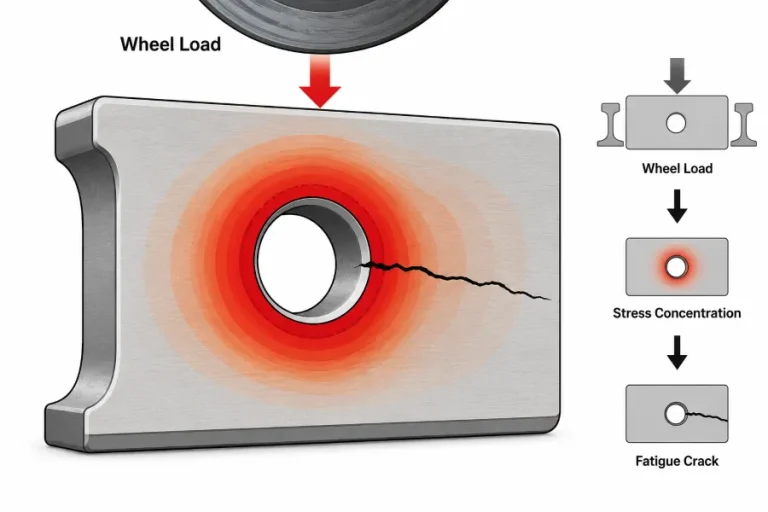
Knuckle failures typically originate from fatigue crack growth, often initiated at stress concentrations near the knuckle pivot hole, the locking lug, أو منطقة الأنف اقتران. وتشمل العوامل المساهمة تأثيرات الاقتران المتكررة عالية القوة (خاصة أثناء عمليات التحويل بسرعة زائدة), ارتداء يغير هندسة الخطوبة, التآكل يقلل من سمك القسم الفعال, وأوجه القصور في المواد أو المعالجة الحرارية التي تقلل من مقاومة التعب. الفحص المنتظم لحدود التآكل والتشقق السطحي, بالإضافة إلى استبدال المفاصل البالية في الوقت المناسب قبل انتشار الشقوق, يمنع معظم حالات الفشل المتعلقة بالمفاصل.
تم تصميم بعض مكونات قارنة التوصيل كأجزاء تآكل قابلة للاستبدال (knuckles, كتل القفل, دبابيس, البطانات, الاتصالات الكهربائية) ويتم استبدالها بشكل روتيني أثناء الصيانة. لا يتم عمومًا إصلاح جسم قارنة التوصيل أو المبيت الرئيسي - في كلا النوعين AAR وقارنة التوصيل الأوتوماتيكية - في الميدان; إذا وصل إلى حدود التآكل, يظهر تكسير, أو فشل في التفتيش, يتم استبداله كوحدة كاملة. يمكن في بعض الأحيان تجديد التآكل البسيط على سطح قارنة التوصيل من خلال ورش عمل مؤهلة, ولكن أي إصلاح للأجزاء الحاملة يتطلب تقييمًا دقيقًا وفقًا للمعايير المعمول بها, ويفضل العديد من المشغلين الاستبدال بدلاً من الإصلاح لمكونات قارنة التوصيل ذات الأهمية الحيوية للسلامة.