Scan the WeChat code to contact us
Scan the WeChat code to contact us
Feel free to send us a email and we will reply to you as soon as possible.
Creating the future with heart and soul


When we talk about railway safety, most people think about the train itself, the signaling system, or the tracks they see every day. However, behind every safe railway operation, there is a long manufacturing process that starts from raw steel.
From my experience working with railway components, I have found that the quality of a railway product is often decided long before the final machining or assembly stage. The internal structure of the steel, the manufacturing process, and the control of every production step all influence the final performance of railway parts.
One of the important technologies behind modern railway manufacturing is continuous casting and rolling.
Continuous casting and rolling in railway manufacturing is a production technology that combines steel casting and rolling processes to produce high-quality steel materials with consistent mechanical properties. Although not every railway component is directly manufactured through this process, it plays an important role in producing railway steel materials used for rails and other railway applications.
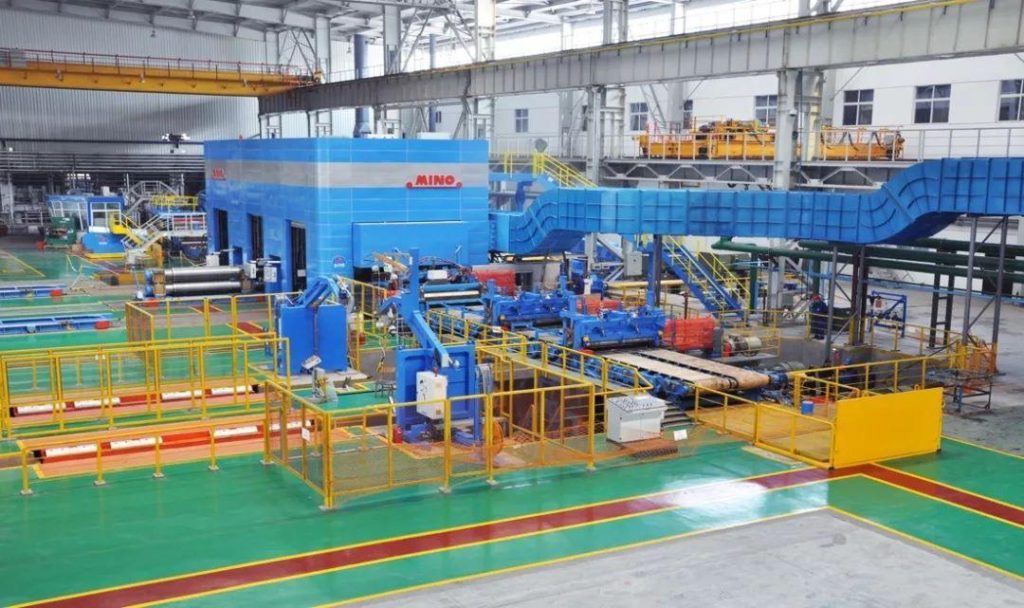
Continuous casting and rolling is a process that transforms molten steel into semi-finished or finished steel products through continuous casting and controlled rolling.
In traditional steel production, casting and rolling are usually separated into different stages. The steel is first cast into billets or blooms, stored, reheated, and then sent to rolling mills.
With modern continuous casting technology, the transition between these stages becomes more efficient and controlled.
The general process looks like this:
Molten Steel
↓
Continuous Casting Process
↓
Steel Bloom / Billet
↓
Heating and Rolling Process
↓
Railway Steel Products
During continuous casting, molten steel is poured into a water-cooled mold. The steel gradually solidifies from the outside toward the inside, forming a stable internal structure.
After that, the steel bloom or billet enters the rolling process, where high-pressure rollers gradually shape the material into the required dimensions.
For railway manufacturing, this combination is extremely important because railway products must maintain strength and reliability under millions of loading cycles.
In railway manufacturing, material quality is the foundation of product performance.
A railway rail, wheel, or structural component may appear perfect on the surface, but its internal quality determines how it performs after years of service.
During the continuous casting process, engineers focus on controlling several important factors, including:
A well-controlled casting process helps reduce internal problems such as porosity, segregation, and cracks.
This is especially important for railway applications because railway components are exposed to:
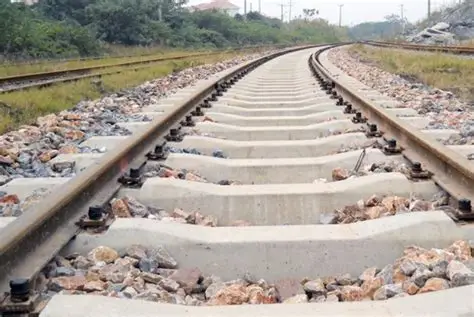
For example, railway rails must withstand constant contact with train wheels over many years. Any weakness inside the steel may gradually develop into a serious problem.
That is why railway steel manufacturers pay close attention to the casting process before the material even reaches the rolling stage.
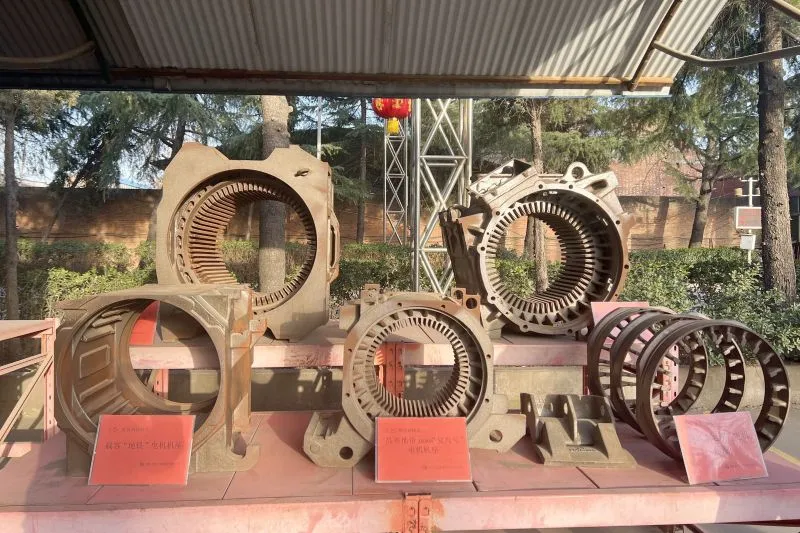
After continuous casting, the steel bloom is still only a semi-finished product. The next important step is rolling.
The rolling process gives railway steel its final shape and improves its mechanical properties through controlled deformation.
For railway rails, large rolling mills gradually reduce and shape the steel into specific rail profiles, such as:
Each rail profile has strict requirements for:
The rolling process is not simply about changing the shape of steel. It also affects the internal grain structure and strength of the material.
Experienced engineers understand that producing railway steel is a balance between shape accuracy, hardness, toughness, and fatigue resistance.
A rail that has the correct dimensions but poor internal properties cannot provide long-term service reliability. If you want to know more about the rail manufacturing process, please read this article Railway Rail Manufacturing Process: From Steel to Inspection
This is a common question from customers who are new to railway manufacturing.
The answer is no.
Different railway parts require different production methods depending on their design, loading conditions, and application.
For example:
Railway wheels are usually manufactured through forging, rolling, heat treatment, and machining processes.
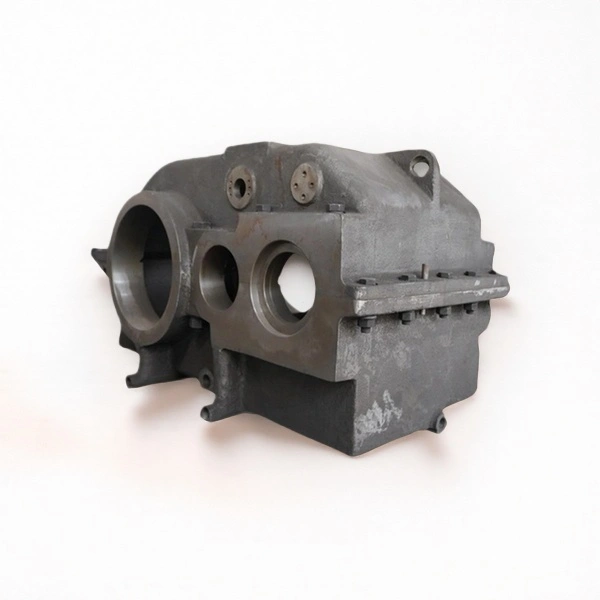
Railway couplers, bogie side frames, bolsters, and other railway castings are commonly produced through steel casting processes.
However, the steel materials used for many railway components are produced through advanced steelmaking processes that include continuous casting technology.
In other words, continuous casting and rolling may not directly create the final railway component, but it provides the high-quality railway steel foundation needed for many products.
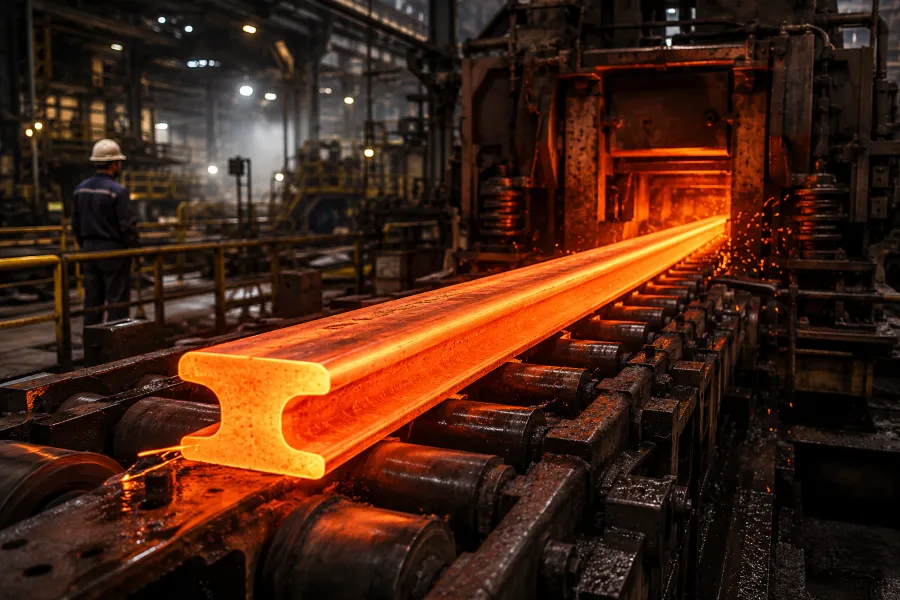
After years of working with railway parts, one important lesson is clear: railway products are different from ordinary industrial products.
A railway component must continue working safely under difficult conditions for decades.
This requires:
Continuous casting and rolling technology helps railway manufacturers achieve better material consistency and higher production efficiency.
It also reduces material waste and improves production stability, which is important for large railway projects requiring thousands of components.
Whether it is railway rails, railway wheels, or other railway components, high-quality steel production is the first step toward reliable performance.
Casting and rolling are only part of the railway manufacturing process.
Before railway steel products or railway components are delivered, they must go through strict quality inspections.
Common inspection methods include:
Chemical analysis checks whether the steel composition meets the required grade.
Mechanical testing verifies important properties such as tensile strength, hardness, and toughness.
Ultrasonic testing helps detect internal defects that cannot be identified through visual inspection.
Dimensional inspection ensures that the final product meets technical drawings and railway standards.
Depending on customer requirements, railway products may need to comply with international standards such as:
Quality control is not only performed at the final stage. It begins from steel production and continues throughout the entire railway manufacturing process.
Continuous casting and rolling is one of the important technologies supporting modern railway manufacturing.
Although different railway parts use different manufacturing methods, the quality of railway steel has a direct influence on the safety and service life of the final product.
From railway rails, railway wheels, and railway castings to other railway components, advanced manufacturing technology helps suppliers deliver products that can operate safely under demanding railway conditions.
A reliable railway system starts with reliable materials and reliable manufacturing processes.
With experience in railway component manufacturing, Luoyang Fonyo Heavy Industries Co., Ltd. provides railway wheels, railway castings, bogie components, railway couplers, and other railway products according to international requirements including EN, UIC, AREMA, GOST, and RDSO standards.