WeChat 코드를 스캔하여 문의하세요
WeChat 코드를 스캔하여 문의하세요
이메일을 보내주시면 최대한 빨리 답변해 드리겠습니다..
마음과 영혼을 다해 미래를 창조하다


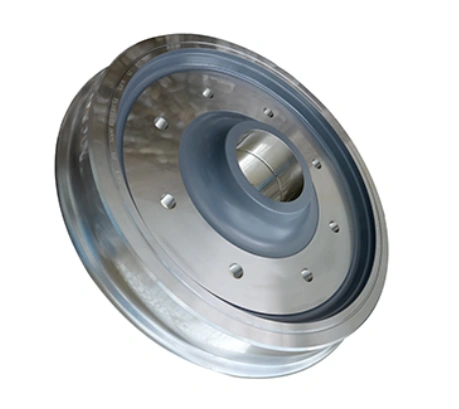
The quality of 기차 바퀴 directly determines the safety and efficiency of train operation. Quality control is not a single inspection process but a systematic project that runs through the entire process from raw materials to the final product. To do this well, the following key aspects should be addressed:
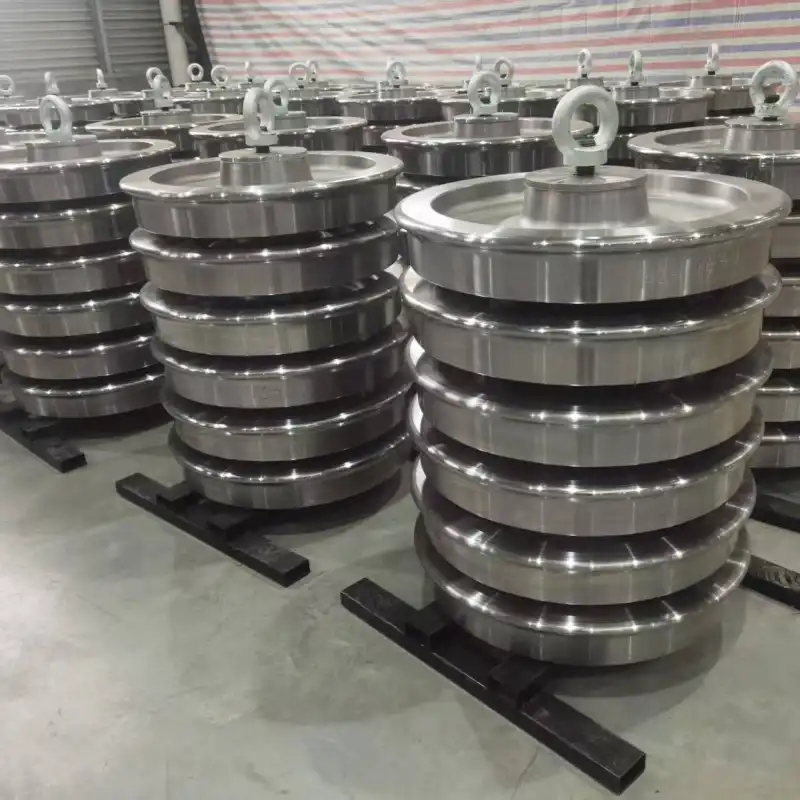
The starting point of quality control is raw materials. Train wheels are typically made of high-quality alloy steel. Every batch of steel entering the factory must undergo strict chemical composition re-inspection to ensure that the content of beneficial elements such as carbon, 망간, and silicon is precisely within the standard, while strictly controlling the content of harmful impurities such as sulfur and phosphorus. 추가적으로, non-destructive testing techniques such as ultrasonic testing should be used to inspect the steel billets for any inherent defects such as shrinkage cavities and inclusions. Only by ensuring the purity and uniformity of the material from the source can a solid foundation be laid for manufacturing qualified wheels.
Stability during the production process is the core of quality assurance. This requires monitoring and recording every key process.
2.1 Forging and Rolling: The forging process must strictly control the start and end forging temperatures to ensure the continuity of metal fiber flow lines, thereby enhancing the overall toughness of the wheel. The subsequent rolling process must ensure the precise dimensions and dense structure of the rim area.
2.2 열처리: This is a crucial step that determines the comprehensive performance of the wheel. The heating temperature, holding time, and cooling rate during quenching must be precisely controlled to obtain a high-hardness and high-strength surface structure. The subsequent tempering process, with its temperature and time control, is equally important as it is used to eliminate internal stress and adjust the wheel’s toughness index to achieve the best balance between strength and toughness. The uniformity of the temperature field in all heat treatment furnaces must be regularly calibrated, and all process parameters should be fully recorded and traceable.
Finished product inspection is the final checkpoint before the wheels leave the factory and requires a comprehensive verification using multiple methods.
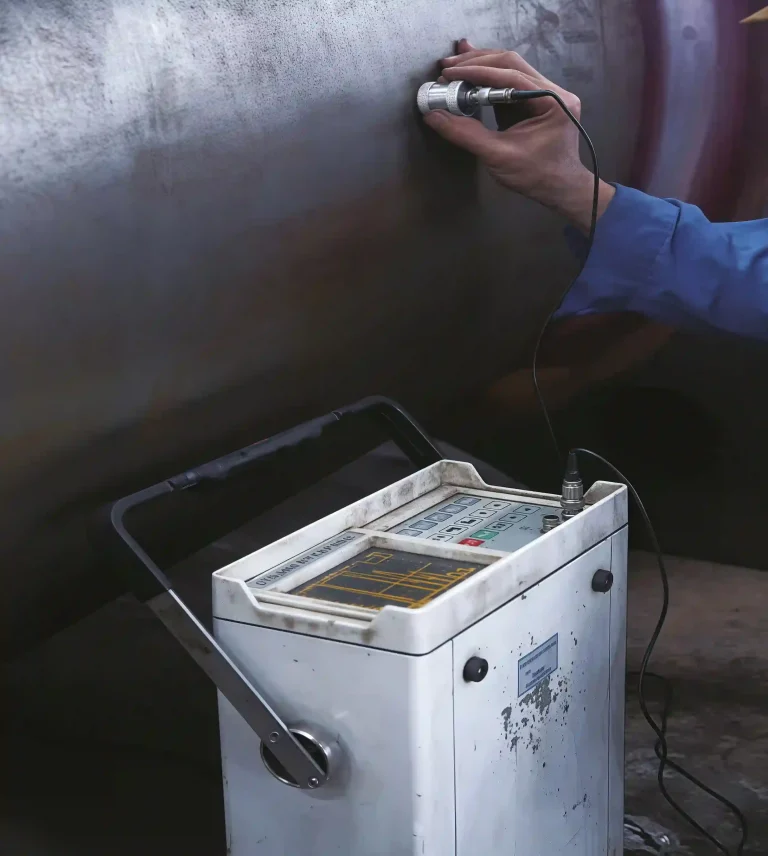
비파괴 테스트: This is the core method for detecting hidden defects.
3.1 초음파 테스트: It is used to detect internal defects such as cracks, 포함, and white spots in the wheel. The probe will conduct a full scan of key areas such as the rim and spokes, leaving no detection blind spots.
3.2 자분 테스트: It is mainly used to inspect surface and near-surface defects in areas such as the rim, tread, and flange. It can clearly display hairline cracks.
3.3 Dimension and Geometric Tolerance Inspection: High-precision calipers, templates, and three-dimensional measuring instruments are used to conduct 100% inspection of the rim thickness, flange height, tread profile, hub hole diameter, and overall radial and end face runout of the wheel. Any dimensional deviation may affect the stability of the train or cause abnormal wear.
3.4 기계적 성질 테스트: Samples are taken from wheels of the same melting furnace batch or from designated positions on the wheel body and processed into standard test bars for tensile, impact, and hardness tests in the laboratory. These data directly verify whether the wheel’s strength, 인성, and wear resistance meet the standard requirements.
3.5 Static Balance Testing: Uneven mass distribution of the wheel can cause severe vibration at high speeds. Through static balance testing machines, the imbalance of the wheel can be measured, and weight reduction and correction can be carried out at designated positions to ensure smooth operation.
A complete quality management system is the backbone supporting all quality control activities. An independent identity file must be established for each wheel, recording complete information from raw materials, production batches, heat treatment data, to all inspection results. This traceability ensures that in case of any problems, they can be quickly located and traced back to the same batch of products. 동시에, statistical analysis of all quality data generated during the production process can help identify potential risk points, thereby driving continuous optimization and improvement of the production process.
To ensure the quality control of train wheels, it is necessary to establish a closed-loop management system that covers all elements, including personnel, equipment, 재료, methods and environment from the entry of materials to the exit of products. It relies on strict standards, precise execution, advanced detection technologies and an unquestionable sense of responsibility. Only in this way can the most solid safety guarantee be provided for every high-speed run on the steel rails.
뤄양포뇨중공업(Luoyang Fonyo Heavy Industries), 주식회사,1998년에 설립된 철도 주조 부품 제조업체입니다. 저희 공장 부지는 72,600㎡입니다., 이상으로 300 직원, 32 기술자, 포함 5 수석 엔지니어, 11 보조 엔지니어, 그리고 16 기술자. 우리의 생산 능력은 30,000 연간 톤. 현재, 우리는 주로 주조물을 생산하고 있습니다, 가공, 기관차 조립 및 조립, 철도 차량, 고속 열차, 광산 장비,풍력,등.
우리는 CRRC에 철도 부품을 공급하고 있습니다.(이상 포함 20 CRRC의 지사 및 자회사),Gemac 엔지니어링 기계,삼니그룹, 중공업,등. 우리의 제품은 러시아로 수출되었습니다, 미국, 독일, 아르헨티나, 일본, 프랑스, 남아프리카,이탈리아와 전 세계의 다른 나라들.