WeChat 코드를 스캔하여 문의하세요
WeChat 코드를 스캔하여 문의하세요
이메일을 보내주시면 최대한 빨리 답변해 드리겠습니다..
마음과 영혼을 다해 미래를 창조하다


과거에, many technical books and foundry manuals stated that adding rare earth elements to ductile iron could improve nodularity and stabilize the spheroidization process.
I remembered this clearly from my early years studying casting technology.
So recently, when we were producing a batch of 연성이 있는 철 성분, I asked the foundry engineer a simple question:
His answer surprised me.
“No. We don’t add rare earth elements anymore. They are valuable resources, expensive, and unnecessary. If we added them, it would be impossible to produce high-quality products at a competitive price.”
Then I asked a follow-up question:
His answer was short and very clear:
“By precisely controlling the magnesium content.”
That short conversation perfectly reflects how ductile iron production has evolved over the years.
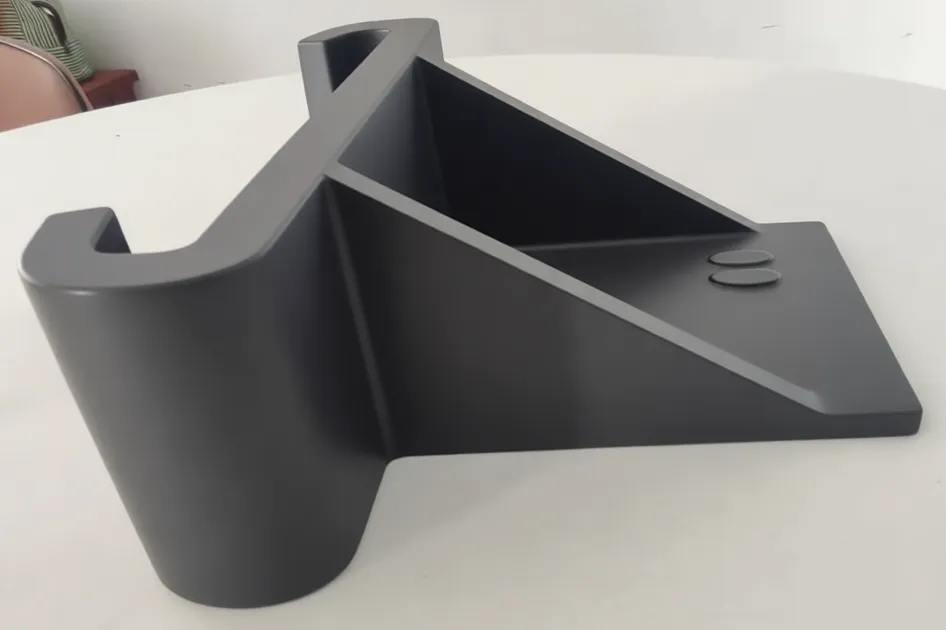
Let’s look back at why rare earth elements were so essential in earlier decades. Raw materials often had higher levels of sulfur and oxygen to begin with. Scrap sources were pretty complex and inconsistent, which meant you never quite knew what extra elements you were dealing with. What’s more, harmful trace elements like lead, bismuth, and antimony were really difficult to control with the methods available at the time. And magnesium quality wasn’t as high, and process controls were far more limited. So in that context, rare earths really did play a critical role, they helped clean up the melt, neutralize impurities, and made the whole process a lot more reliable when conditions were far from ideal.
Under those conditions, relying on magnesium alone often led to unstable spheroidization.
Adding rare earth elements helped neutralize harmful elements, improved spheroidization stability, and reduced the risk of graphite degeneration.
그때에, 마그네슘 + rare earth was a practical and reliable solution.
Modern ductile iron production operates in a very different environment.
You know, modern foundries have really tightened up their material practices. First off, they typically start with low-sulfur base iron to keep things clean from the very beginning. And they don’t stop there— they also use controlled, traceable scrap sources, so they know exactly what’s going into the melt. Beyond that, they enforce strict limits on harmful trace elements, which prevents a lot of the problems that used to crop up. And finally, right before treatment, many of them run real-time chemical analysis, so they can make any last-minute adjustments based on precise data. All of this together means the iron is in a much better, more consistent state before the magnesium ever goes in.
With fewer impurities to neutralize, the original “insurance role” of rare earth elements becomes far less necessary.
Modern nodularizers have become far more sophisticated than before. This advancement is reflected in several key areas: 첫 번째, the magnesium used is now of much higher purity, providing a cleaner and more efficient base for the spheroidization process. Building on this, the reaction behavior of these alloys has been carefully optimized for greater control. 동시에, formulations have evolved towards being low in rare earths or completely rare-earth-free. 함께, these improvements ultimately lead to a much more stable and predictable magnesium recovery, which is the cornerstone of achieving consistent nodularity.
결과적으로, controlling residual magnesium content has become the core method for achieving high nodularity.
실제로, rare earth elements come with several practical challenges. For one, they tend to be quite expensive, and their cost can be pretty volatile—which makes production budgeting tricky. What’s more, during casting, they can sometimes form inclusions in the metal, leading to internal quality issues. Besides that, depending on how they’re used, they might even affect the toughness and machinability of the final part, which isn’t ideal. And on top of it all, in mass production, introducing rare earths can actually reduce process consistency, making it harder to maintain uniform quality across large batches. For foundries focused on high quality, stable performance, and competitive pricing, minimizing or eliminating rare earth additions is often the better engineering choice.
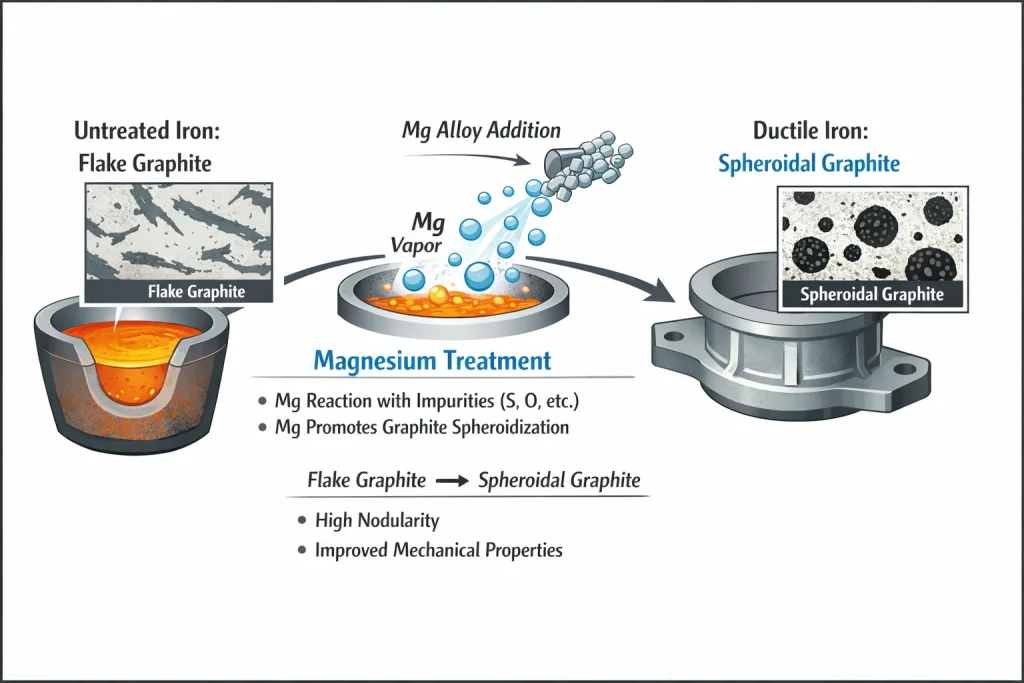
Nodularity is controlled through several key steps working together. It begins with a precise magnesium addition, followed by tracking accurate residual magnesium levels to confirm treatment effectiveness. This requires maintaining a stable treatment temperature to ensure predictable reactions, along with proper inoculation to fine-tune graphite formation during solidification. Overall, tight process repeatability ties everything together, ensuring each batch follows the same controlled steps to reliably achieve high nodularity.
With these factors well controlled, excellent nodularity can be achieved without relying on rare earth elements.
You know, it’s helpful to think of this not as a contradiction between textbooks and modern foundry practice, but as a sign of real progress. Here’s the thing: textbooks do a great job of laying out the왜—why rare earth elements can help under certain conditions. But in today’s foundries, the focus has shifted to thehow: how to achieve the best possible result with the least risk and the lowest cost. So rather than conflicting, these perspectives actually show how the industry has evolved—from understanding the theory to mastering the practice in smarter, more efficient ways.
Both perspectives are correct in their own context.
Rare earth elements are not mandatory for ductile iron production. They remain useful under challenging conditions,such as poor raw material quality or thick-section castings. But in modern, well-controlled foundries, high nodularity can be reliably achieved by precise magnesium control alone. This evolution reflects a broader trend in the casting industry:
we should use better materials, 더 나은 제어, and smarter process design, not depend on alloying additions.
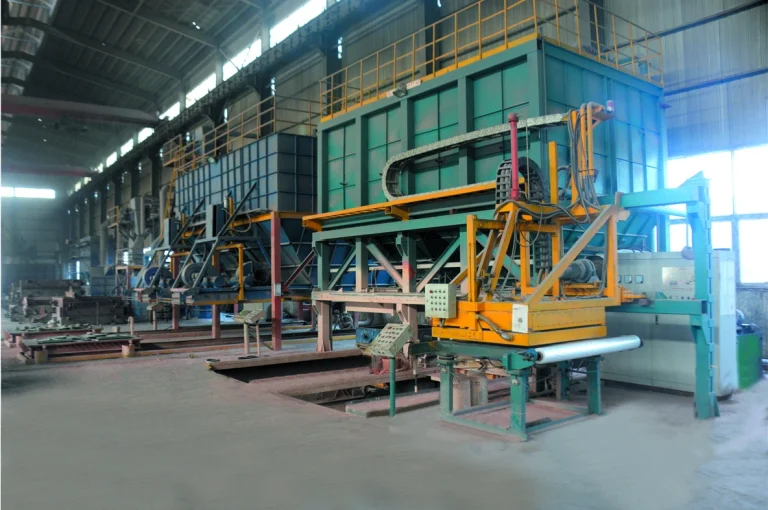
Based on this modern production approach, we have accumulated extensive experience in manufacturing high-quality ductile iron components. Through strict control of raw materials, precise magnesium treatment, and stable process management, we are able to produce ductile iron parts with high nodularity, consistent mechanical properties, 그리고 믿을 수 있는 성능.
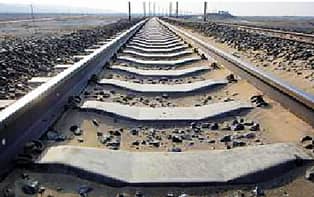
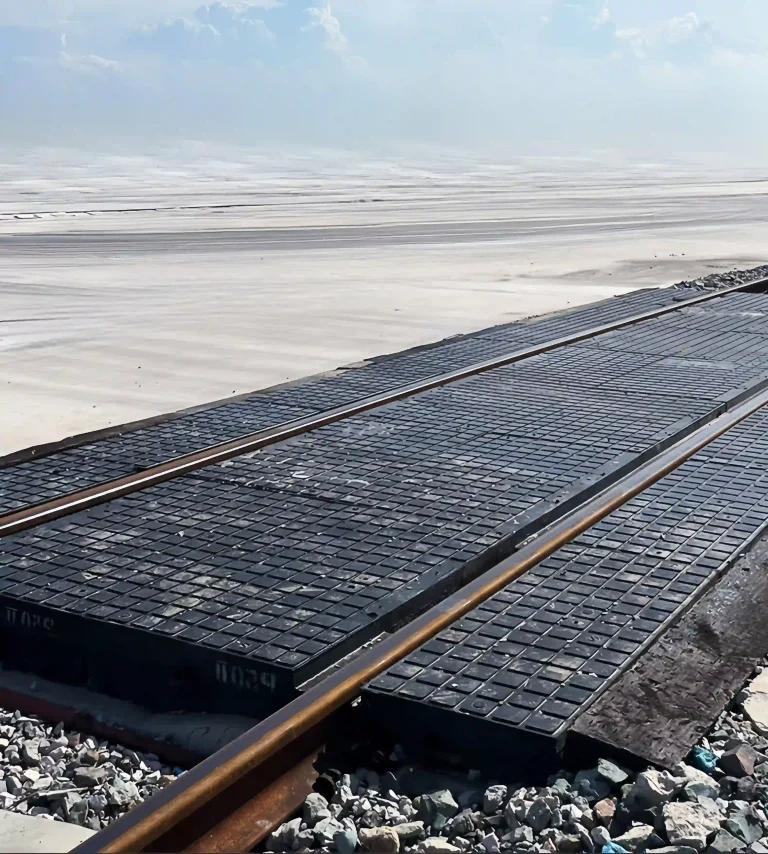
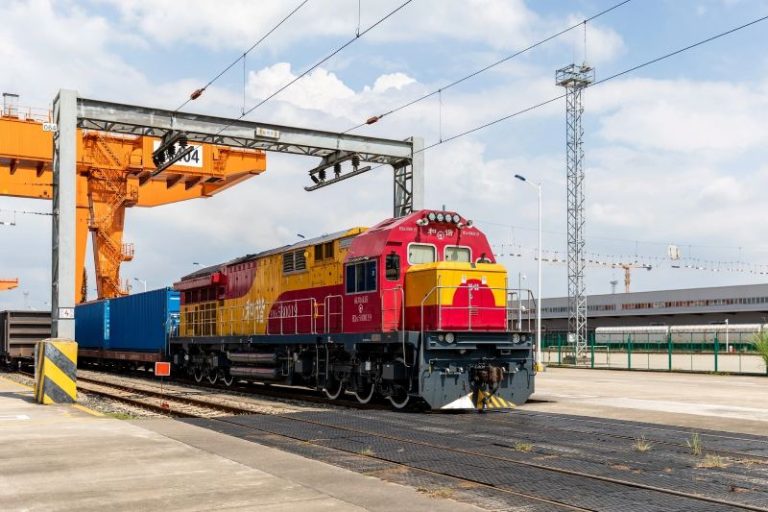
Our production range includes ductile iron components for wind power generators housing, 기어박스 하우징, 등반 방지 장치, and other critical industrial and railway applications.
If you are looking for a reliable manufacturer of ductile iron castings, please feel free to contact 뤄양포뇨중공업(Luoyang Fonyo Heavy Industries), 주식회사. or visit www.railwaypart.com to learn more about our capabilities.
If you have any requirement for railway parts, 제발 저희에게 연락주세요.
왓츠앱: +86 15515351287
이메일: [email protected]