WeChat 코드를 스캔하여 문의하세요
WeChat 코드를 스캔하여 문의하세요
이메일을 보내주시면 최대한 빨리 답변해 드리겠습니다..
마음과 영혼을 다해 미래를 창조하다


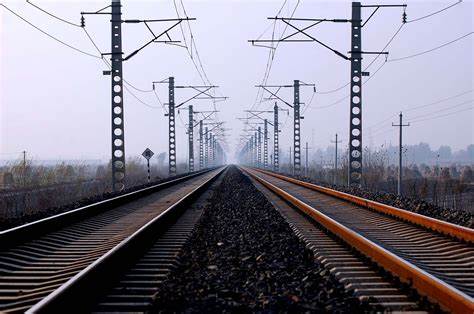
Over the past decade, 중국-유럽 철도 특급은 시범 프로젝트에서 아시아와 유럽을 잇는 주요 물류 통로로 발전했습니다., transforming from a backup transport option into a reliable, high-frequency solution for goods such as machinery, auto parts, electronics, and even fresh food. As the network expands, China is building larger and smarter railway hubs. These hubs serve as centers for assembling, inspecting, and dispatching trains, while also enabling seamless connections with ports, highways, and airports. This evolution is driving changes in the demand for railway equipment and parts, particularly for high-quality railway components that ensure long-term safety, 신뢰할 수 있음, and cost-effectiveness in operation.
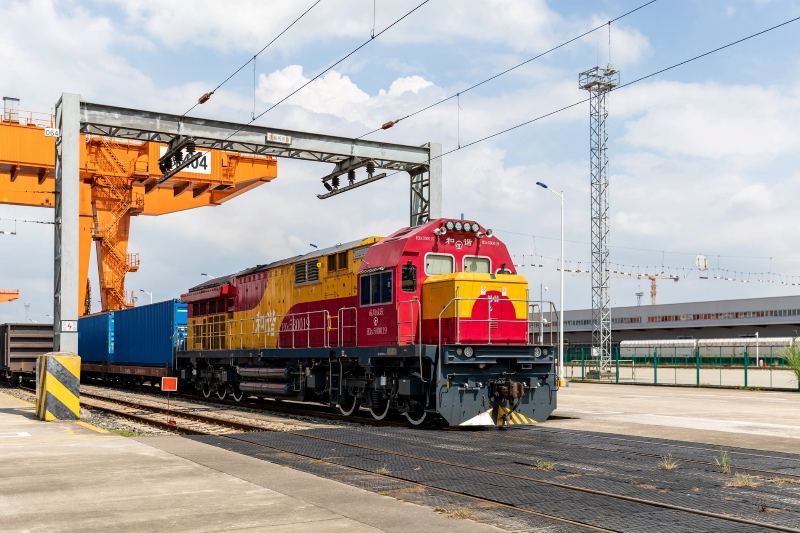
A China-Europe Railway hub is much more than a train station or a container park. It’s a full-service logistics center that handles:
In this system, trains don’t run alone. They work as part of a well-planned network that moves large amounts of cargo on time, with fewer delays.
As hubs get bigger and busier, train operations become more intense. Trains run more often, carry heavier loads, and must turn around faster. This pushes up the technical requirements for railway parts.
Chengdu has become one of the key cities in the China-Europe Railway network. By 2026, it plans to finish a special railway hub for China-Europe trains that can handle over 1.2 million containers per year.
Besides its large size, Chengdu’s plan shows a few important trends:
Chengdu isn’t the only one. Similar hubs are being built across China. 함께, they show the country is moving from just adding more routes to improving the whole system.
When railways rely on hubs, the physical parts of the railway face more pressure in several ways.
More Trains
With more trains running on the same lines, parts like wheels, 차축, and couplers are used more often. They need to stay strong and keep their shape over longer periods.
Heavier and More Varied Cargo
China-Europe trains carry all kinds of goods—from light clothes to heavy machines. This means parts must be made from good materials and with consistent quality.
Higher Reliability Requirements
In a hub, if one part fails, it can delay many trains. So reliability isn’t just about maintenance—it affects the whole network.
이 때문에, railway operators now look beyond basic standards and care more about how parts perform in real, busy conditions.
This is creating stronger demand for railway components that offer:
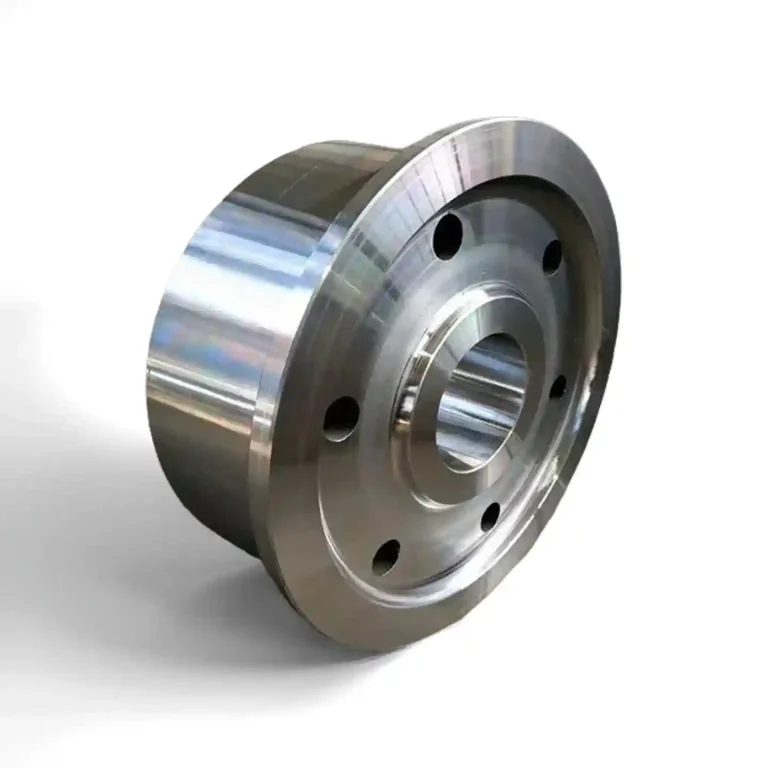
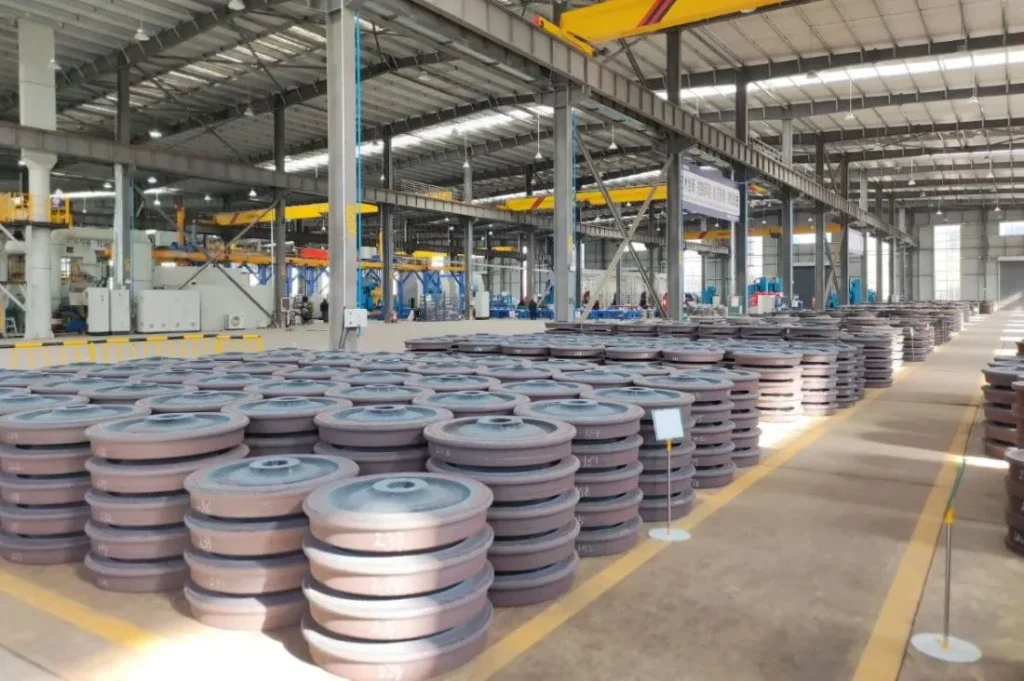
Take railway wheels as an example. In busy hub operations, wheel quality affects safety, noise, 유지관리 비용, and how often trains can run. The same is true for other important parts like axles, bearings, and metal structures.
그러므로, manufacturers now need to focus more on:
The growth of China-Europe Railway hubs shows how logistics strategy is connected to industrial ability.
Efficient rail transport doesn’t just depend on good routes and schedules—it also relies on the quality of train parts. As hubs become larger and more automated, there’s less room for unreliable components.
This trend benefits manufacturers who have:
요컨대, railway hubs are driving demand not just for more parts, but for better ones.
China’s continued investment in China–Europe railway hubs reflects a long-term shift toward stable, high-capacity land transport between continents. As hub-based rail operations become the norm, expectations for the performance and reliability of railway components continue to rise.
~에 뤄양포뇨중공업(Luoyang Fonyo Heavy Industries), 주식회사., we manufacture 철도 바퀴 and key 철도 부품 for global rail applications, focusing on stable quality, controlled processes, and compliance with international standards.
Learn more about our railway manufacturing capabilities at www.railwaypart.com