WeChat 코드를 스캔하여 문의하세요
WeChat 코드를 스캔하여 문의하세요
이메일을 보내주시면 최대한 빨리 답변해 드리겠습니다..
마음과 영혼을 다해 미래를 창조하다


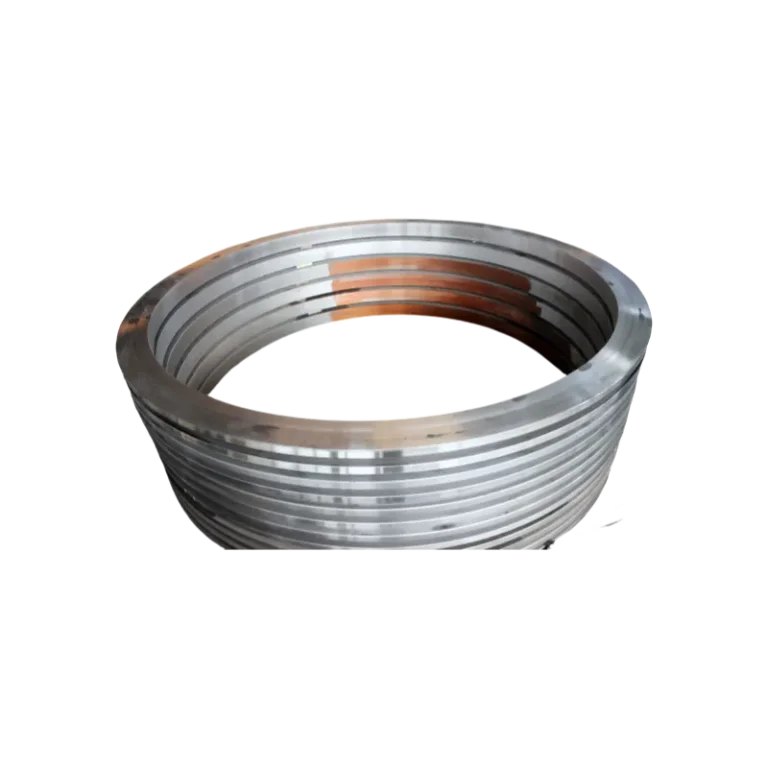
If you are sourcing 철도 바퀴 you have probably noticed something confusing.
Many wheels look similar, and many suppliers talk about strength, hardness, and standards. But once you go a little deeper, you realize this is not a simple product at all. In our daily work supplying railway wheels to different countries and railway systems, one thing becomes clear very quickly: The material and the standard behind the wheel matter far more than the vehicle’s appearance.
Understanding this can help buyers avoid risk, reduce long-term cost, and choose the right supplier from the start.
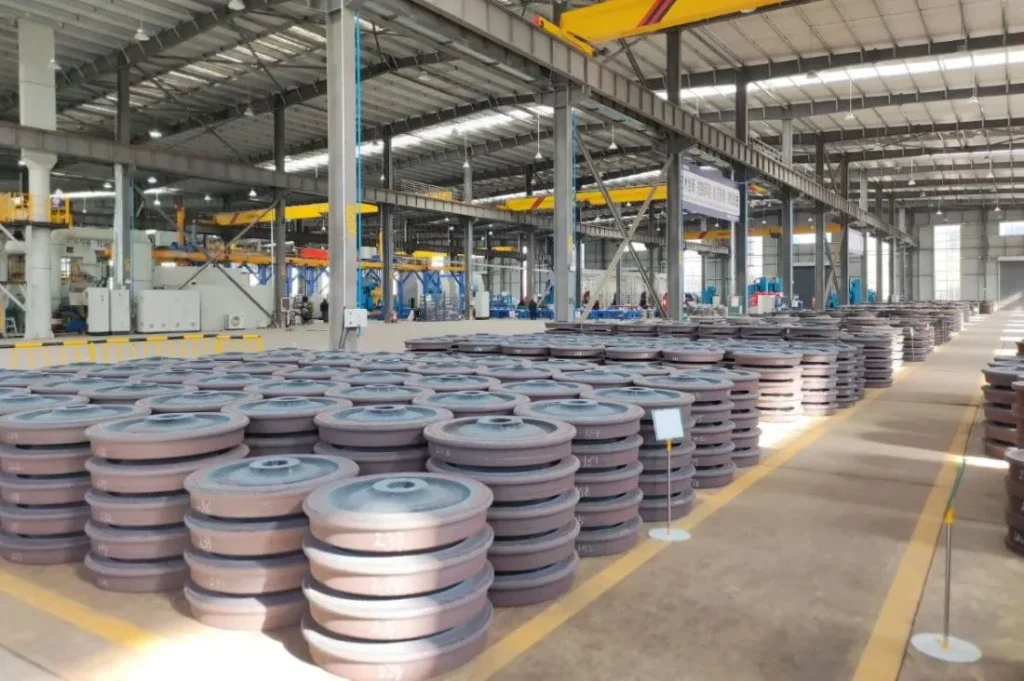
Almost all mainline 철도 바퀴 today are made of steel.
This is not a tradition. It is a result of experience.
A railway wheel must:
Steel can meet all these requirements, but only when it is properly processed.
For buyers, this means one important thing:
The material name alone is not enough. Manufacturing quality matters just as much.
2. Common railway wheels materials you will see in real projects
Different standards use different names, but the ideas behind them are similar.
These materials are widely used in many railway systems.
In our production experience, CL60 and CL65 are frequently selected for:
We can see that CL60 offers stable performance and good wear resistance. 동시에, CL65 provides higher strength and longer service life when conditions are more demanding. These grades are popular because they are proven, predictable, and easy to maintain.
Under European standards such as EN 13262, ER7 and ER9 are common choices.
European systems place strong emphasis on:
We can see that ER7 is often used for freight and metro applications. 동시에, ER9 is selected when higher performance margins are required.
From a buyer’s point of view, wheels made to European standards require a railway wheels supplier with strong process control, not just basic machining capability.
Regarding Japanese standards such as JIS E 5402, focus heavily on stability.
Materials like SSW-Q2S are designed for:
These materials are often used in passenger and mixed-traffic systems where ride quality matters.
So the logic is simple:
Less variation in production means fewer surprises in service.
Some standards are closely tied to local operating conditions.
These materials are not basic. They are tailored solutions for real railway conditions.
For buyers, this highlights why international experience matters when selecting a supplier.
A common mistake is to treat standards only as paperwork.
실제로는, standards define:
So we can see that even if two wheels have the same shape, they can behave very differently if they follow different standards.
For projects involving exports, mixed fleets, or future upgrades, working with a supplier familiar with multiple standards can significantly reduce technical and commercial risk.
So there is another key point for buyers is this:
A material grade does not guarantee performance by itself.
Real performance depends on:
This is where real manufacturing experience becomes visible.
A supplier who regularly produces wheels under different international standards is usually better prepared to handle new project requirements.
Instead of asking only about price or delivery time, it is worth asking:
The answers to these questions are often more important than a single test report.
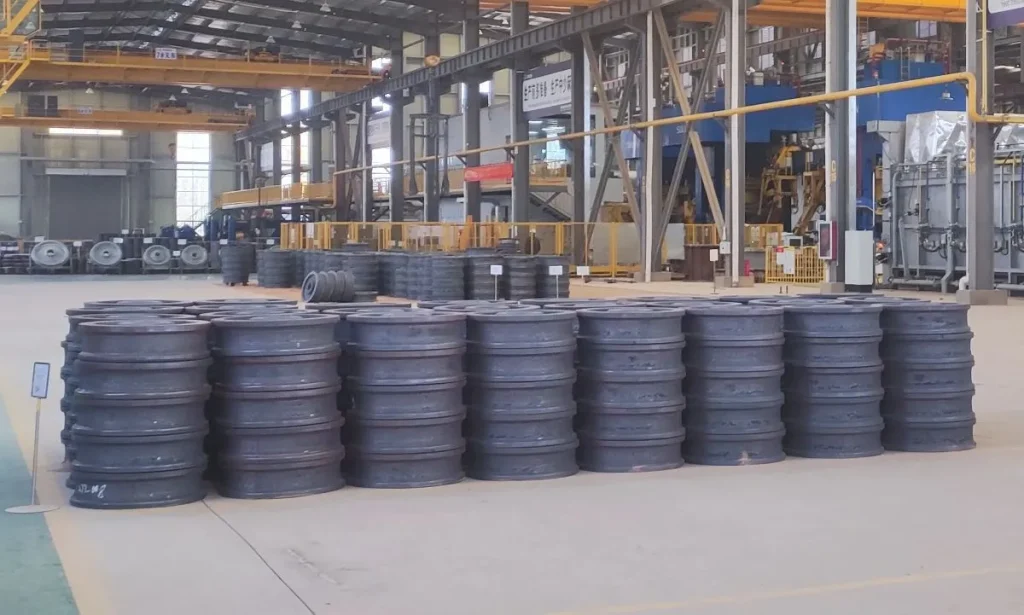
~에 뤄양포뇨중공업(Luoyang Fonyo Heavy Industries), 주식회사., we manufacture railway wheels for freight, passenger, metro, and special railway applications.
Our production covers multiple international standards, including Asian and European systems, with strict control over process, including material selection, 열처리, 치수 정확도.
Instead of offering one standard solution, we focus on matching material and standard to real operating conditions.
If you are planning to source railway wheels and want a supplier who understands both materials and international standards, we would be glad to discuss your project.
자세히 알아보기 www.railwaypart.com or contact our team to explore the right solution for your railway system.
For more in-depth information on railway wheels, you might also be interested in our other articles:
Railway Wheel Heat Treatment Explained for performance improvements
Ultrasonic Testing of Railway Wheels to understand internal inspections
Railway Wheel Structure and Composition for a complete guide
Visual Inspection Methods for Railway Wheels to spot surface defects
NDT 및 비파괴 품질 검사를 통해 철도 바퀴를 보증하는 방법 to ensure wheel reliability and detect hidden defects
If you have any requirement, 저희에게 연락주세요.
왓츠앱: +86 15515351287
이메일: [email protected]