Scansiona il codice WeChat per contattarci
Scansiona il codice WeChat per contattarci
Sentiti libero di inviarci un'e-mail e ti risponderemo il prima possibile.
Creare il futuro con cuore e anima


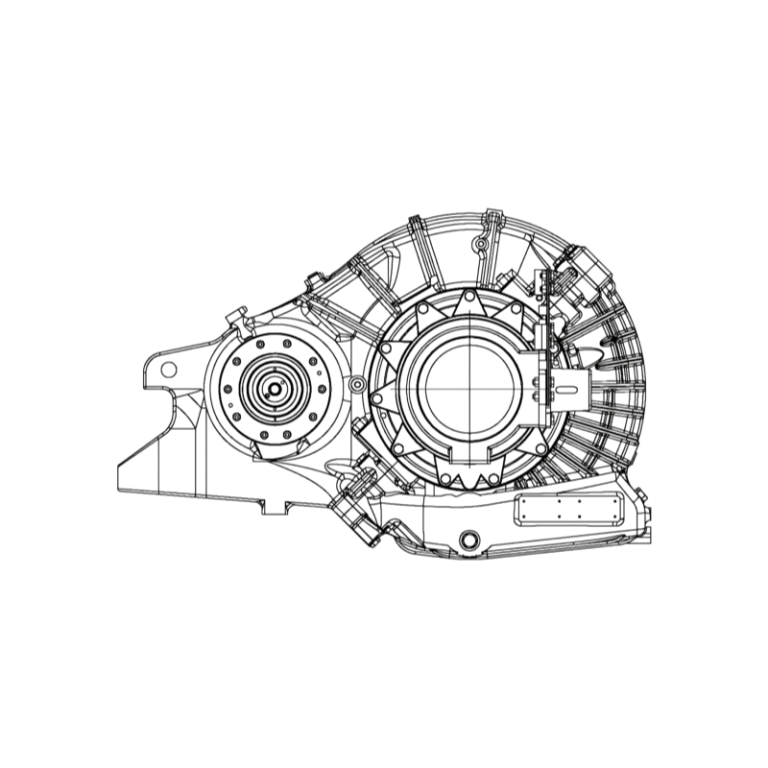
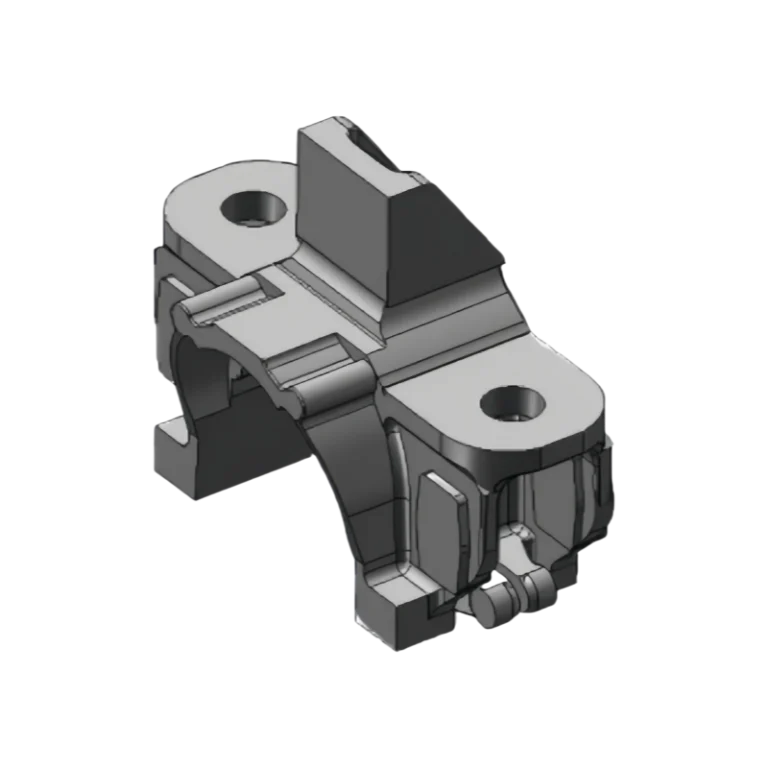
Metal fatigue is the progressive damage of materials under alternating loads. Quando il cambio housing of ferrovia ad alta velocità is subjected to tens of thousands of vibrations per hour, the internal lattice of the metal will form micro-area plastic deformation due to dislocation movement. These microscopic damages gradually accumulate in the stress cycle and eventually form macroscopic cracks visible to the naked eye. The 0.05-millimeter-sized pores that are difficult to eliminate by traditional casting processes will become stress concentration points, accelerating the initiation and propagation of fatigue cracks.
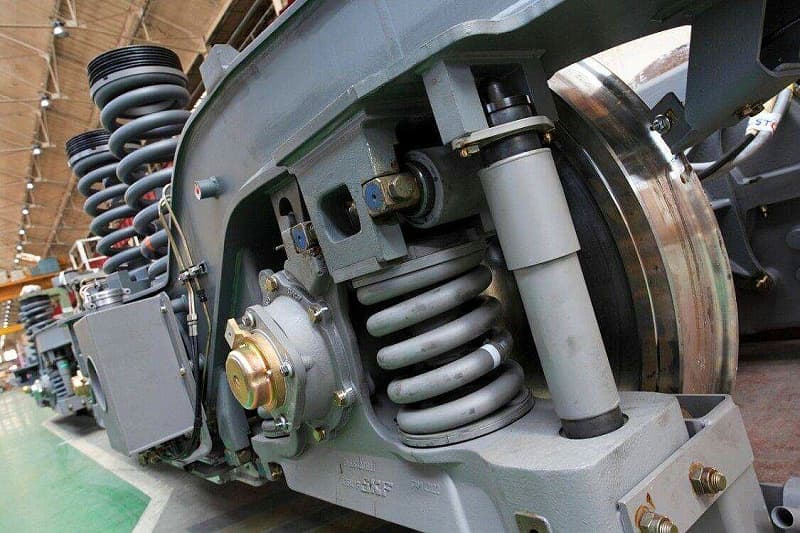
In conventional casting, when the metal melt solidifies, it is prone to enrolling gases and inclusions, forming pores and loose structures. These defects become the source of cracks under stress, and pores with a diameter exceeding 0.05 millimeters can reduce the fatigue life of components by more than 50%. Tuttavia, the traditional process has a limited ability to eliminate micron-level defects and is difficult to meet the extreme reliability requirements of high-speed rail gearbox housings.
Vacuum-assisted casting completely transforms the traditional casting mode by completing metal melting and pouring in a negative pressure environment of -0.1MPa. The vacuum environment reduces the solubility of hydrogen in the metal melt by 90%, decreases oxide inclusions by 80%, and enhances the melt fluidity by 40%, promoting the complete removal of tiny pores before solidification. Questo “dust-free casting” technology can densify the metal structure and eliminate the microscopic defects that are difficult to avoid in traditional processes.
By controlling the solidification rate, vacuum casting can induce the formation of fine equiaxed crystal structures in metals. The fine-grained structure enhances the material’s strength through the grain boundary strengthening mechanism and simultaneously increases the tortuosity of the crack propagation path. Experimental data show that the fatigue limit of vacuum cast metals is increased by 30% A 40% compared with traditional processes, and the fracture toughness is improved by more than 60%. This microstructure reconstruction provides a fundamental solution to combat metal fatigue.
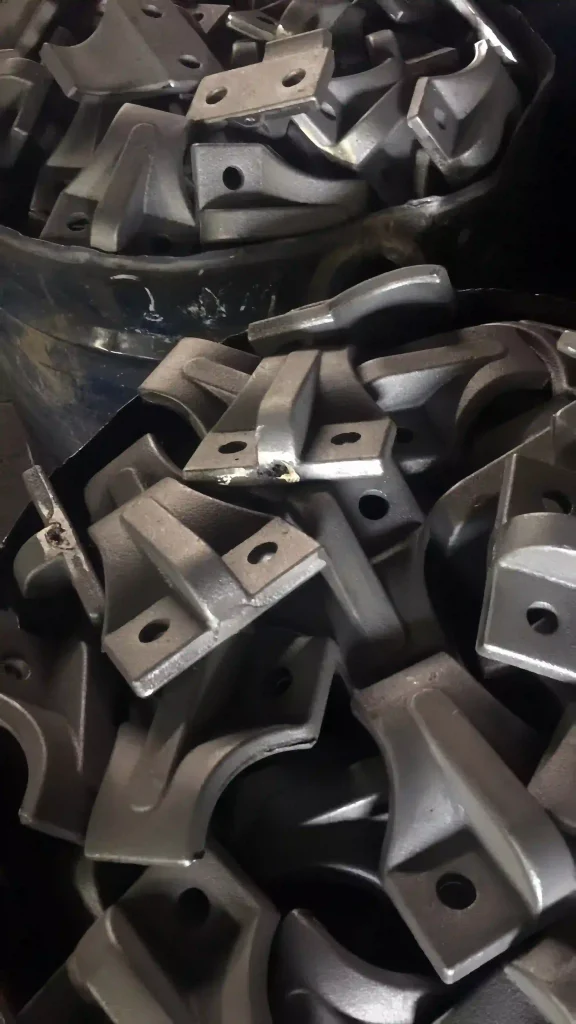
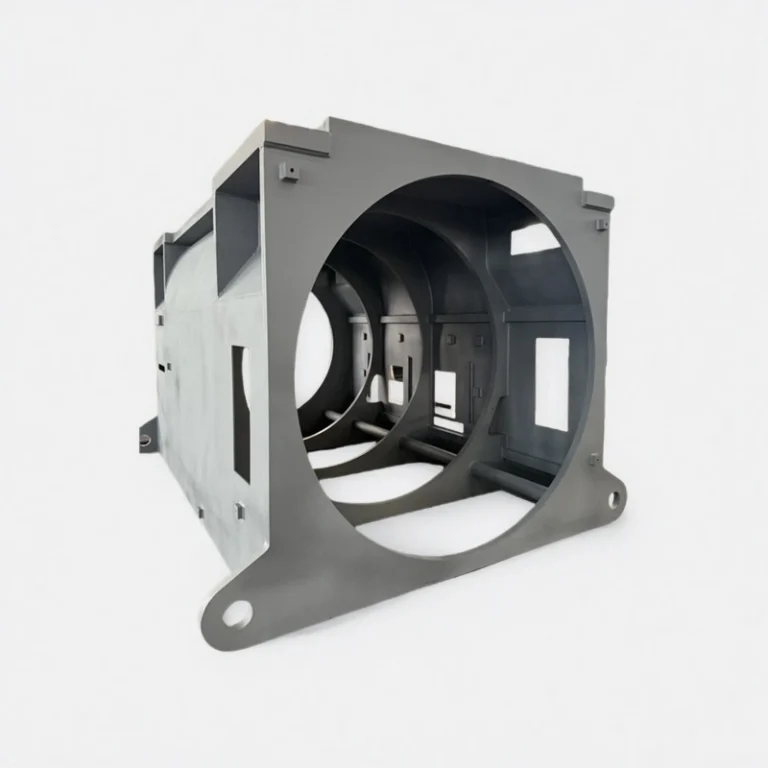
The wall thickness uniformity of the high-speed rail gearbox housing produced by the vacuum casting process reaches a precision of 0.2 millimetri, far exceeding the 0.5 millimeters standard of traditional processes. This precision control not only reduces the stress concentration area but also optimizes the metal flow line distribution, enabling the component to maintain stable performance even at extreme temperatures ranging from -40℃ to 80℃. Actual operation data shows that the failure rate of vacuum casting components has dropped from 0.37% A 0.02%, and the maintenance cycle has been extended by 2.5 volte.
Vacuum casting technology endows the gearbox housing with superior comprehensive performance. Under high-frequency vibration and impact loads, the fine-grained structure can effectively disperse stress and prevent local plastic deformation. This all-condition adaptability provides a reliable guarantee for the safe operation of high-speed railways in extreme environments, marking a key technological breakthrough in China’s high-end equipment manufacturing sector.
Vacuum casting technology marks the transformation of metal forming processes from macroscopic size control to microscopic structure regulation. By precisely controlling the solidification process, it is possible to achieve directional regulation of microscopic features such as the size of metal grains and the distribution of the second phase. This concept of “material genetic engineering” provides a brand-new idea for high-end equipment manufacturing.
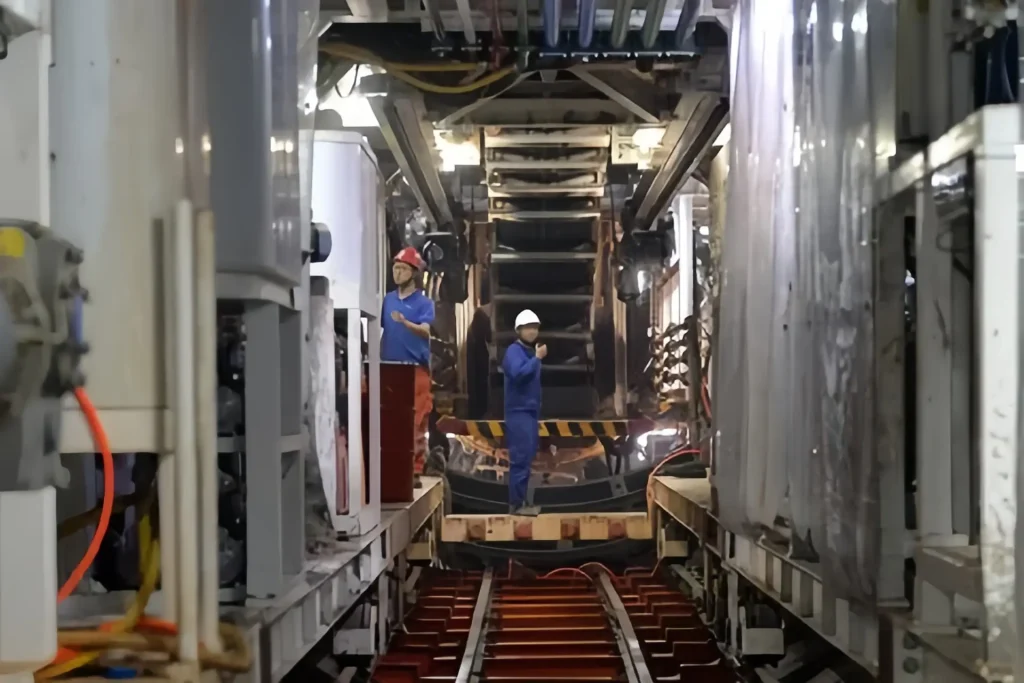
The breakthrough of this technology is not limited to the high-speed rail field. Its core principle has been applied to the manufacturing of high-end equipment such as aero engine blades and nuclear power main pump casings. Through vacuum casting technology, near-net-shape forming of complex thin-walled structural components can be achieved, which not only enhances performance but also reduces manufacturing costs, promoting China’s high-end equipment manufacturing industry to move towards high precision and high reliability.
When the metal melt undergoes a magnificent transformation in a vacuum environment, what we witness is not only an upgrade in casting techniques but also a solid step taken by Chinese manufacturing towards excellence. This technological breakthrough not only ensures the safe operation of high-speed railways but also indicates that China has gained a core say in the field of high-end metal forming, providing a Chinese solution for the transformation and upgrading of the global manufacturing industry.
Luoyang Fonyo Heavy Industries Co., Ltd, fondata nel 1998, è un produttore di parti ferroviarie in fusione. La nostra fabbrica copre un'area di 72.600㎡, con più di 300 dipendenti, 32 tecnici, compreso 5 ingegneri senior, 11 ingegneri assistenti, E 16 tecnici. La nostra capacità produttiva è 30,000 tonnellate all'anno. Attualmente, produciamo principalmente fusione, lavorazione, e assemblaggio per locomotiva, vagone ferroviario, treni ad alta velocità, attrezzature minerarie, energia eolica, ecc. I nostri prodotti sono stati esportati in Russia, gli Stati Uniti, Germania, Argentina, Giappone, Francia, Sudafrica, Italia e altri paesi.
Contatto: Stella Liu
E-mail: [email protected]
Whatsapp: +86-155-1535-1287