Scan WeChat-koden for at kontakte os
Scan WeChat-koden for at kontakte os
Du er velkommen til at sende os en e-mail, og vi vil svare dig hurtigst muligt.
At skabe fremtiden med hjerte og sjæl

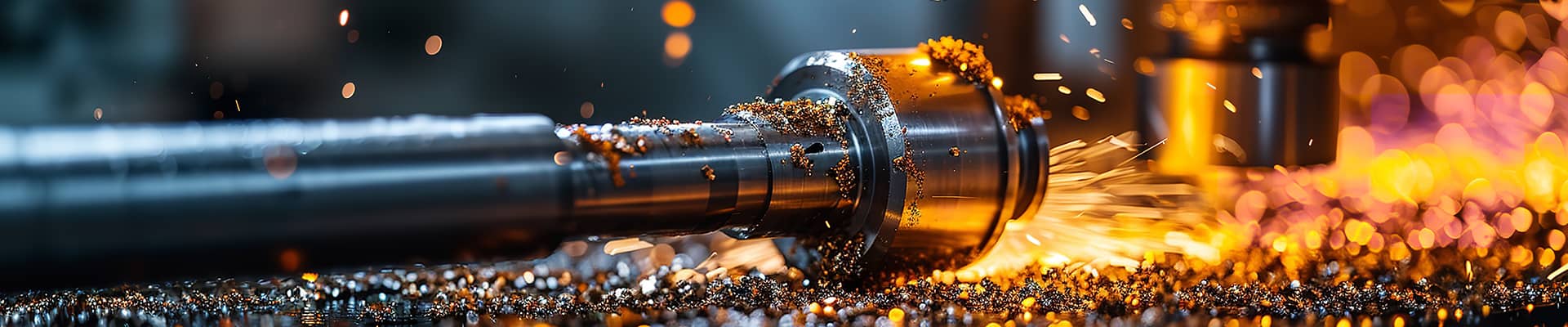
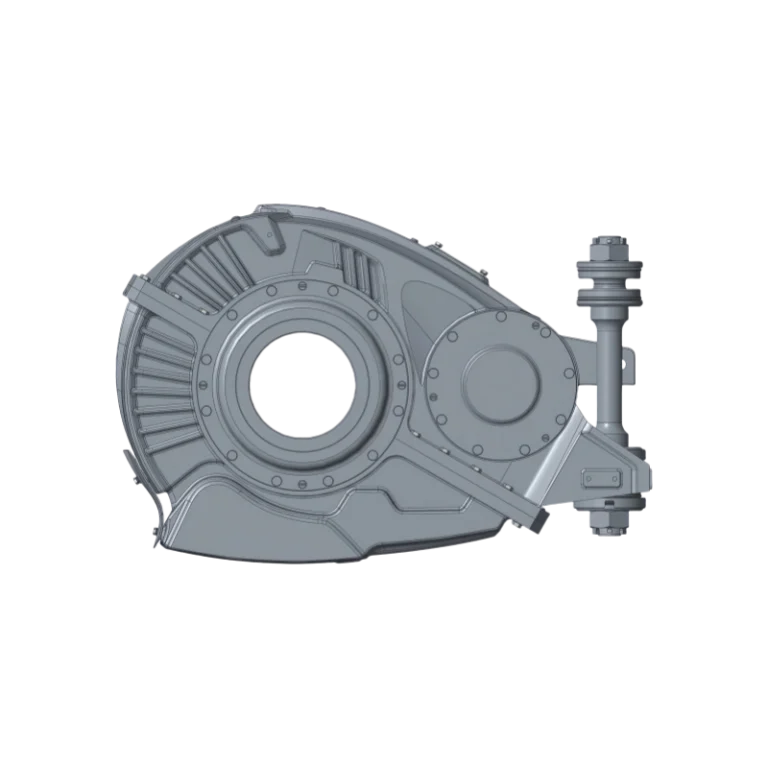
Metal fatigue is the progressive damage of materials under alternating loads. Når gearkasse housing of højhastighedstog is subjected to tens of thousands of vibrations per hour, the internal lattice of the metal will form micro-area plastic deformation due to dislocation movement. These microscopic damages gradually accumulate in the stress cycle and eventually form macroscopic cracks visible to the naked eye. The 0.05-millimeter-sized pores that are difficult to eliminate by traditional casting processes will become stress concentration points, accelerating the initiation and propagation of fatigue cracks.
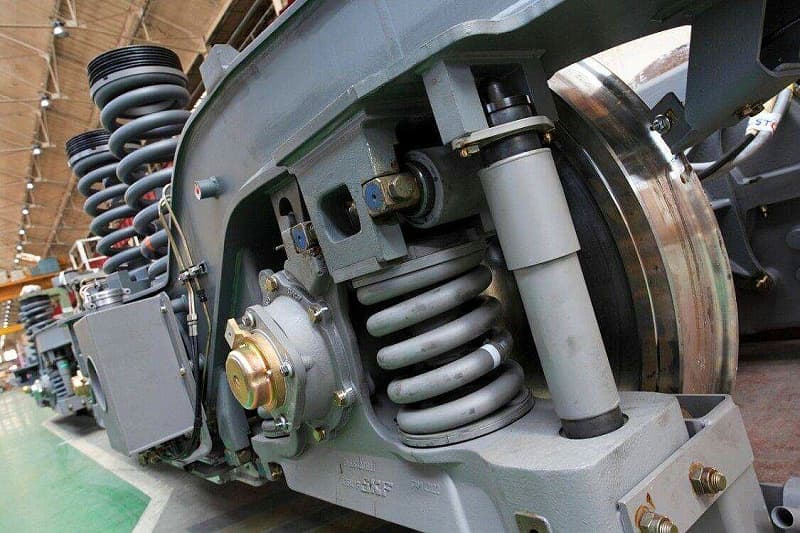
In conventional casting, when the metal melt solidifies, it is prone to enrolling gases and inclusions, forming pores and loose structures. Disse defekter bliver kilden til revner under stress, og porer med en diameter på over 0.05 millimeter kan reducere udmattelseslevetiden for komponenter med mere end 50%. Imidlertid, den traditionelle proces har en begrænset evne til at eliminere mikron-niveau defekter og er vanskelig at opfylde de ekstreme pålidelighedskrav til højhastigheds-skinne gearkassehuse.
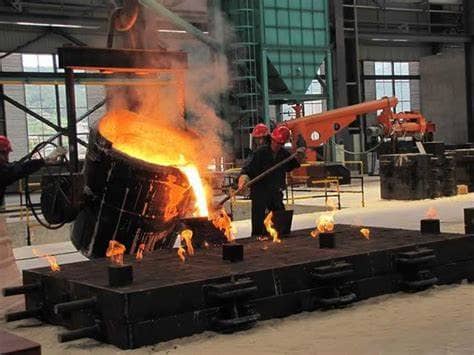
Vakuum-assisteret støbning transformerer fuldstændig den traditionelle støbetilstand ved at afslutte metalsmeltning og udstøbning i et miljø med undertryk på -0.1MPa. Vakuummiljøet reducerer opløseligheden af brint i metalsmelten med 90%, reducerer oxidindeslutninger med 80%, og forbedrer smeltefluiditeten ved 40%, fremme fuldstændig fjernelse af bittesmå porer før størkning. Denne “dust-free casting” technology can densify the metal structure and eliminate the microscopic defects that are difficult to avoid in traditional processes.
By controlling the solidification rate, vacuum casting can induce the formation of fine equiaxed crystal structures in metals. The fine-grained structure enhances the material’s strength through the grain boundary strengthening mechanism and simultaneously increases the tortuosity of the crack propagation path. Experimental data show that the fatigue limit of vacuum cast metals is increased by 30% til 40% compared with traditional processes, and the fracture toughness is improved by more than 60%. This microstructure reconstruction provides a fundamental solution to combat metal fatigue.
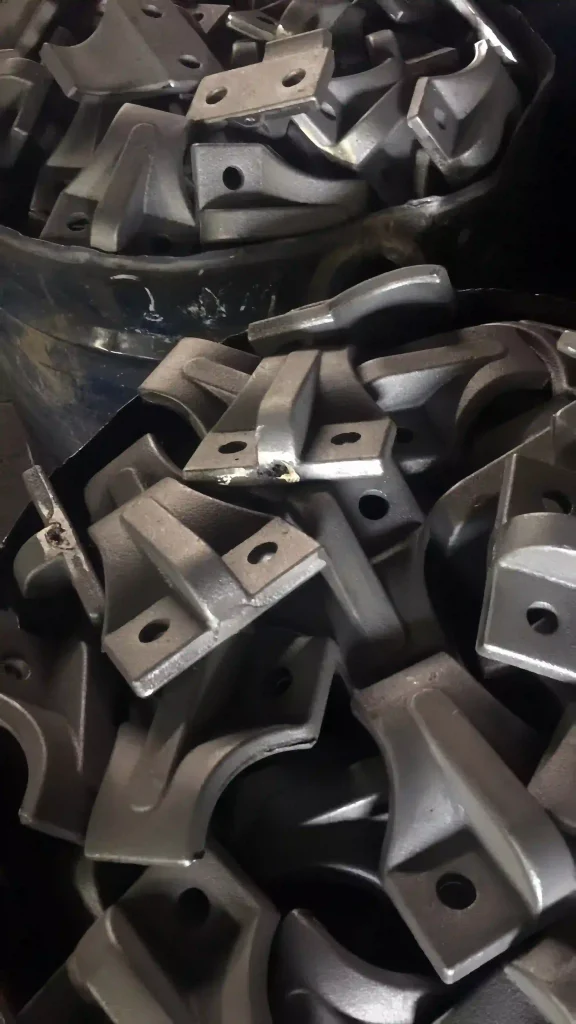
Ensartetheden af vægtykkelsen af højhastigheds-skinnegearkassehuset fremstillet ved vakuumstøbeprocessen når en præcision på 0.2 millimeter, langt overstiger 0.5 millimeter standard for traditionelle processer. Denne præcisionskontrol reducerer ikke kun spændingskoncentrationsområdet, men optimerer også distributionen af metalstrømningsledningen, gør det muligt for komponenten at opretholde en stabil ydeevne selv ved ekstreme temperaturer fra -40 ℃ til 80 ℃. Faktiske driftsdata viser, at fejlfrekvensen for vakuumstøbekomponenter er faldet fra 0.37% til 0.02%, og vedligeholdelsescyklussen er blevet forlænget med 2.5 gange.
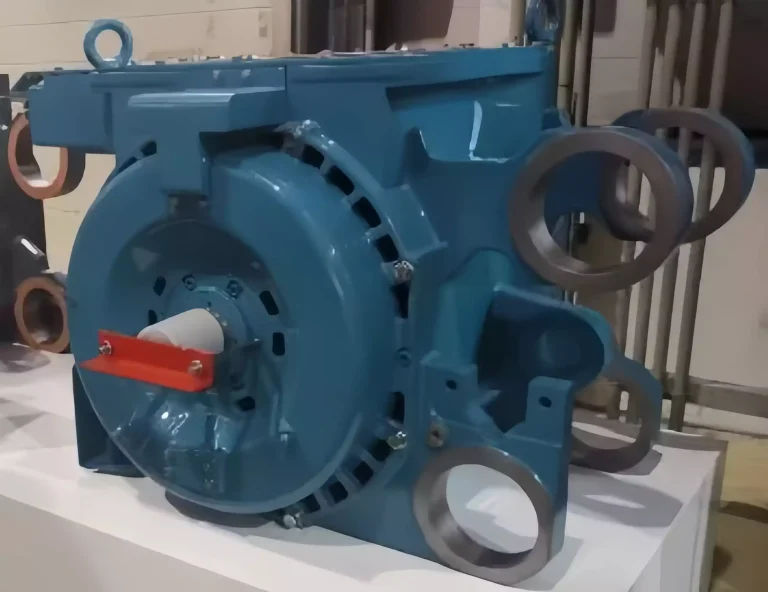
Vakuumstøbeteknologi forlener gearkassehuset med overlegen omfattende ydeevne. Under højfrekvente vibrations- og stødbelastninger, the fine-grained structure can effectively disperse stress and prevent local plastic deformation. This all-condition adaptability provides a reliable guarantee for the safe operation of high-speed railways in extreme environments, marking a key technological breakthrough in China’s high-end equipment manufacturing sector.
Vacuum casting technology marks the transformation of metal forming processes from macroscopic size control to microscopic structure regulation. By precisely controlling the solidification process, it is possible to achieve directional regulation of microscopic features such as the size of metal grains and the distribution of the second phase. This concept of “material genetic engineering” provides a brand-new idea for high-end equipment manufacturing.
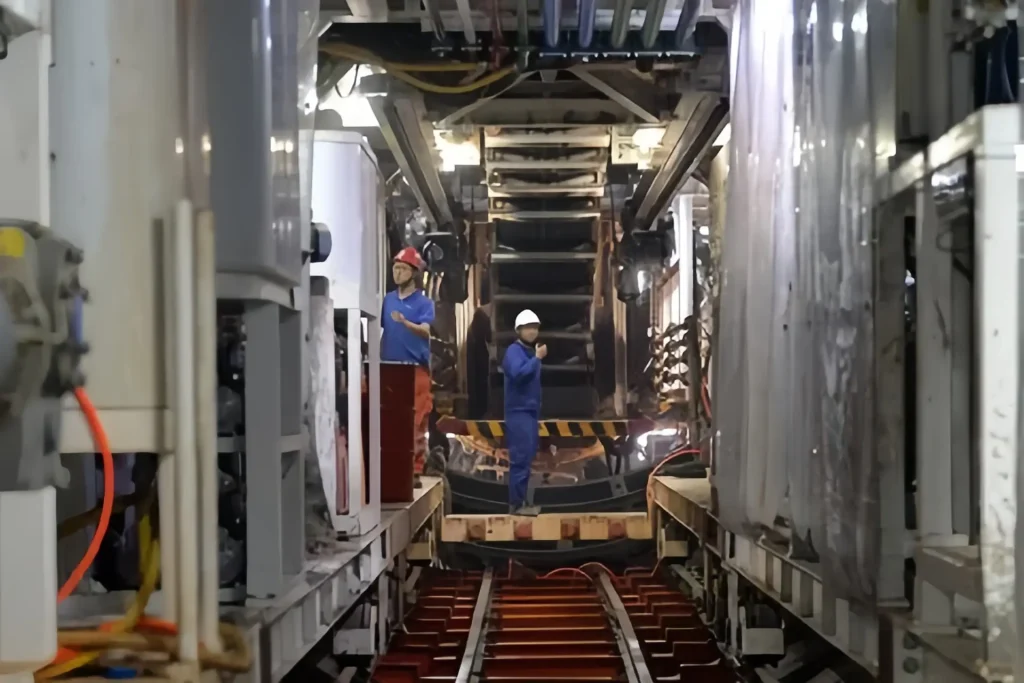
The breakthrough of this technology is not limited to the high-speed rail field. Its core principle has been applied to the manufacturing of high-end equipment such as aero engine blades and nuclear power main pump casings. Through vacuum casting technology, near-net-shape forming of complex thin-walled structural components can be achieved, which not only enhances performance but also reduces manufacturing costs, promoting China’s high-end equipment manufacturing industry to move towards high precision and high reliability.
When the metal melt undergoes a magnificent transformation in a vacuum environment, what we witness is not only an upgrade in casting techniques but also a solid step taken by Chinese manufacturing towards excellence. This technological breakthrough not only ensures the safe operation of high-speed railways but also indicates that China has gained a core say in the field of high-end metal forming, providing a Chinese solution for the transformation and upgrading of the global manufacturing industry.
Luoyang Fonyo Heavy Industries Co., Ltd, grundlagt i 1998, er en producent af støbte jernbanedele. Vores fabrik dækker et område på 72.600㎡, med mere end 300 medarbejdere, 32 teknikere, inklusive 5 senioringeniører, 11 assistentingeniører, og 16 teknikere. Vores produktionskapacitet er 30,000 tons om året. For tiden, vi producerer hovedsageligt støbning, bearbejdning, og montage til lokomotiv, jernbanevogn, højhastighedstog, mineudstyr, vindkraft, osv. Vores produkter er blevet eksporteret til Rusland, USA, Tyskland, Argentina, Japan, Frankrig, Sydafrika, Italien og andre lande.
Kontakte: Stella Liu
E-mail: [email protected]
WhatsApp: +86-155-1535-1287