סרוק את קוד WeChat כדי ליצור איתנו קשר
סרוק את קוד WeChat כדי ליצור איתנו קשר
אתם מוזמנים לשלוח לנו מייל ואנו נענה לכם בהקדם האפשרי.
יצירת העתיד בלב ובנשמה


V תהליך יציקה (ידוע גם בשם יציקת ואקום) אינה טכנולוגיה חדשה, אבל בפועל זה הפך לרלוונטי יותר ככל שדרישות היציקה נעות לעבר בקרה מימדית הדוקה יותר ואיכות פני שטח עקבית יותר.
בייצור תעשייתי כבד, במיוחד רכיבי רכבת ויציקות מבניות גדולות, לעתים קרובות אנו מגיעים לנקודה שבה יציקת חול קונבנציונלית מתחילה להראות את מגבלותיה. וריאציות בהכנת חול, בקרת קלסר, ויציבות העובש מתחילה להצטבר ככל שגודל החלק גדל. זה בדרך כלל המקום שבו תהליך V הופך לאלטרנטיבה שכדאי לשקול.
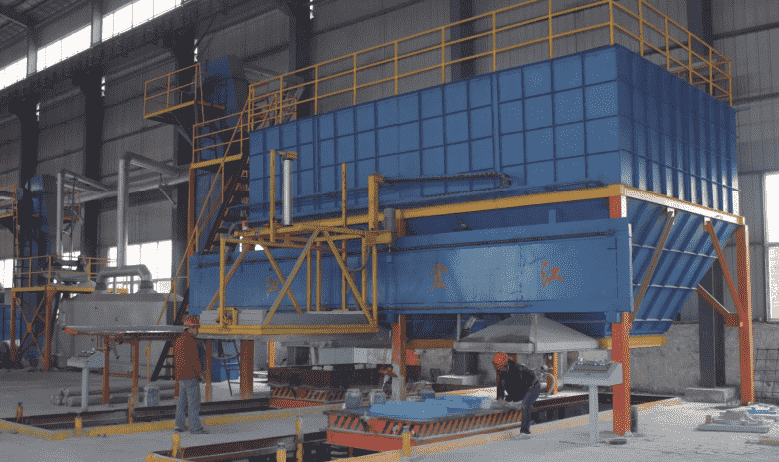
בבסיסו, יציקת תהליך V היא עדיין יציקת חול. ההבדל הוא לא במתכת או אפילו בקונספט התבנית הבסיסי, אלא איך התבנית מתייצבת.
במקום להסתמך על קלסרים כימיים שיחזיקו חול ביחד, התהליך משתמש בחול יבש ובסרט פלסטיק. The film is heated and formed tightly against the pattern surface. Once vacuum is applied, atmospheric pressure locks the dry sand in place. The mold behaves like a rigid structure, even though there is no binder inside it.
מנקודת מבט הנדסית, this changes the system behavior quite a lot. You remove binder-related gas generation, but you introduce dependency on vacuum stability and film quality. במילים אחרות, the control variables shift from chemistry to equipment and process stability.
If you look at an actual production line, the process is relatively straightforward, but each step has its own sensitivity.
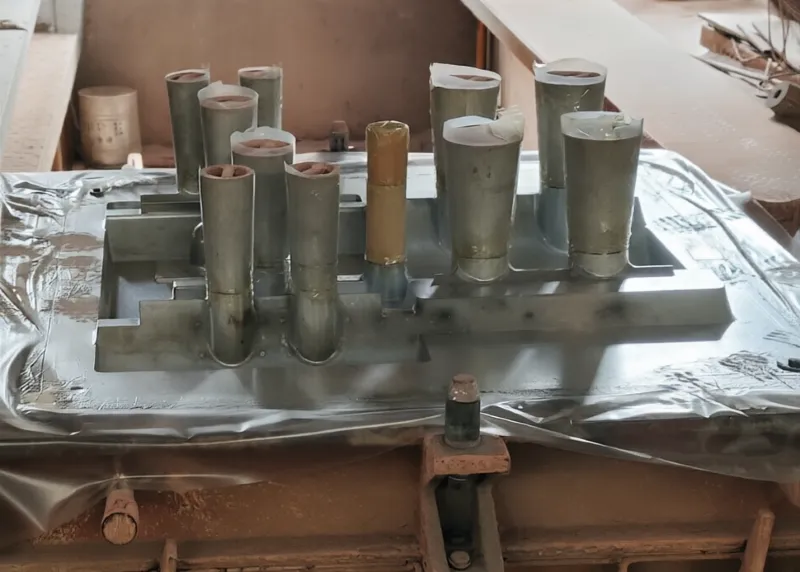
The first critical step is the film forming stage. The plastic film must fully conform to the pattern. Any wrinkle or incomplete contact will directly appear on the casting surface later, because the mold surface is essentially a mirror of the film.
אחרי זה, dry sand is filled into the flask. There is no binder here, which is why the sand must be consistent in grain size and moisture level. Once the upper film is sealed and vacuum is applied, the entire mold becomes stable under negative pressure.
Pouring itself does not differ significantly from conventional sand casting, but the mold stability depends entirely on maintaining vacuum throughout the process. Any fluctuation is immediately reflected in the final casting quality.
After solidification, vacuum is released and the sand collapses naturally. This makes shakeout relatively easy compared to resin-bonded systems.
In real production, יציקת תהליך V לא נבחרה כי היא "מתקדמת", אלא בגלל שהוא מתנהג בצורה צפויה יותר בתנאים מסוימים.
אחד השיפורים הבולטים ביותר הוא עקביות פני השטח. מכיוון שמשטח התבנית מוגדר על ידי סרט הפלסטיק ולא גרגרי חול וקלסרים, השונות מצטמצמת. עבור רכיבים הדורשים עיבוד לאחר מכן, זה מתורגם לרוב לקצבת עיבוד יציבה יותר.
חזרה ממדית היא יתרון מעשי נוסף. בעת ייצור רכיבי אצווה בינונית עד גדולה, במיוחד חלקים מבניים, השונות בין יציקות נוטה להיות נמוכה יותר בהשוואה למערכות חול מסורתיות.
יש גם הפחתה בפגמים הקשורים לגז, בעיקר בגלל שלא נעשה שימוש בחומר מקשר כימי. אוּלָם, זה לא מבטל פגמים לחלוטין. It simply shifts the dominant factors toward gating design and process control.
V process casting is not universally better. לְמַעֲשֶׂה, in some cases it introduces new sensitivities.
The process depends heavily on vacuum integrity. If the sealing or vacuum system is not stable, the mold can lose rigidity during pouring. This is not a theoretical issue; it is something that shows up in real production as dimensional deviation or surface inconsistency.
Another limitation is geometry suitability. Very small or highly intricate parts do not benefit much from this process, because the cost of setup and control outweighs the advantages.
כך בפועל, it is usually selected for medium to large castings where consistency matters more than extreme geometric complexity.
אם נשווה יציקת תהליך V עם יציקת חול מסורתית, חול שרף, או קצף שאבד, זה לא באמת עניין של עליונות.
זה יותר על היכן יושבים משתני הבקרה.
במערכות חול שרף, האתגר המרכזי הוא היציבות הכימית של הקלסר.
בקצף אבוד, התנהגות דפוס במהלך המזיגה הופכת לקריטית.
בתהליך V, הפוקוס העיקרי עובר ליציבות ואקום ואיכות יצירת סרט.
כל מערכת פותרת בעיה מסוג אחר. תהליך V פשוט מפחית את השונות הכימית ומחליף אותה בבקרה מכנית ומבוססת ציוד.
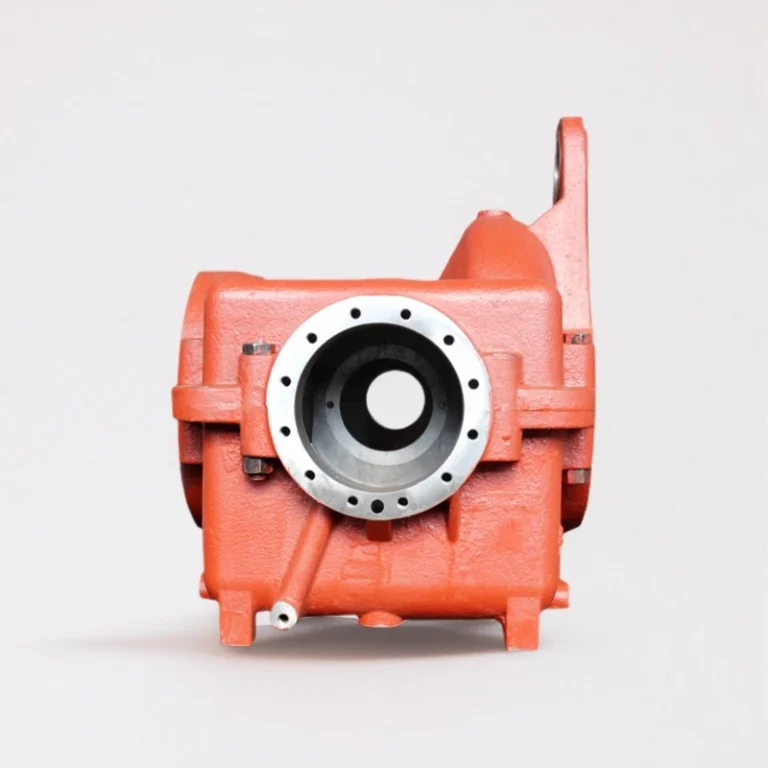
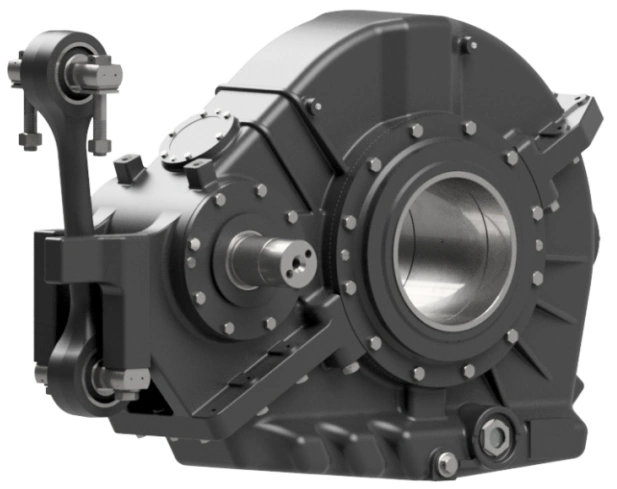
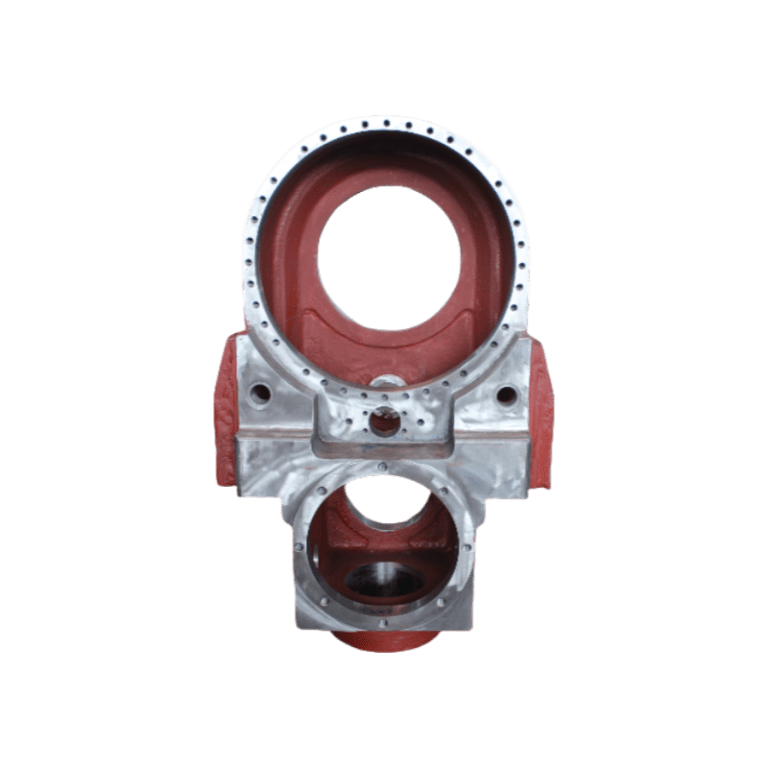
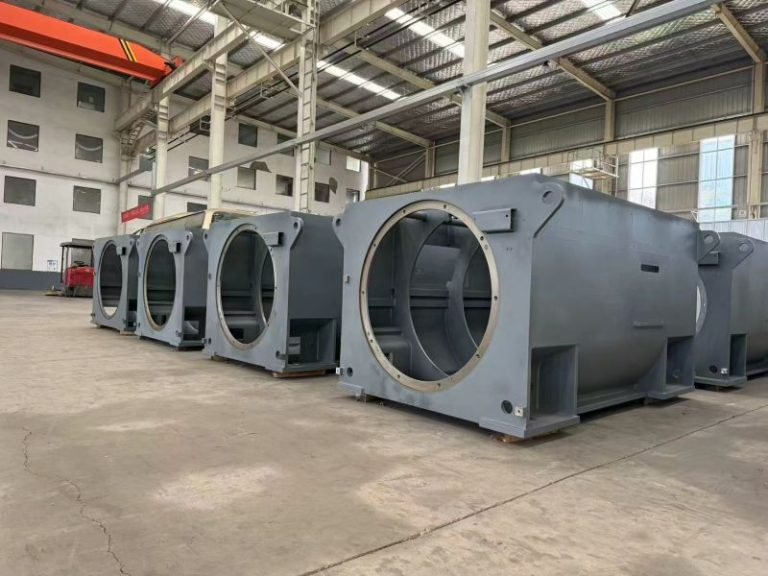
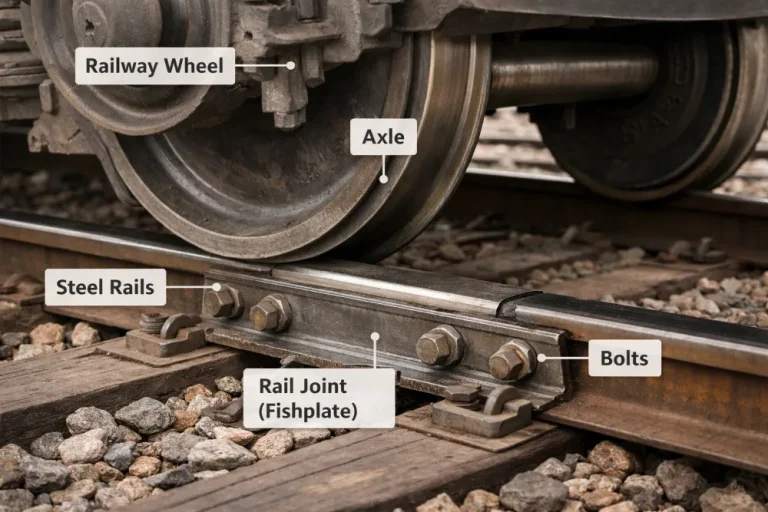
ביישומי רכבת, יציקת תהליך V משמשת בדרך כלל עבור רכיבים מבניים או חצי מבניים שבהם עקביות ממדי ואיכות פני השטח חשובים, אבל לא ברמה של יציקה מדויקת.
This includes housing-type components, structural supports, and certain load-bearing parts where machining allowance needs to remain stable across batches.
In heavy machinery, similar logic applies. Large housings, גופי משאבה, and structural frames are common applications. These are not components where extreme geometric complexity is required, but rather where stability and repeatability are more important than fine detail.
In V process casting, defects are often not new types of problems, but familiar problems with different causes.
Gas-related defects are reduced, but not eliminated. When they occur, they are usually linked to gating design or pouring conditions rather than sand quality.
Surface issues are more often related to film forming quality. If the film is not properly applied, הפגם ישוחזר ישירות על משטח היציקה.
מנקודת מבט של בקרת תהליכים, לכן רוב בעיות האיכות נדחקות במעלה הזרם להכנת דפוס ויציבות ואקום במקום לאחר עיבוד.
מנקודת מבט הנדסית, יציקת תהליך V נחשבת בדרך כלל כאשר שלושה תנאים מתחילים לחפוף.
החלק גדול מספיק כדי שהוריאציה המסורתית של יציקת חול הופכת להיות מורגשת.
היקף הייצור מצדיק השקעה בכלי עבודה יציבים ומערכות ואקום.
ועקביות העיבוד הופכת למניע עלות.
מחוץ לתנאים האלה, יציקת חול קונבנציונלית או שיטות אחרות עשויות להיות מעשיות יותר.
One point that often gets underestimated is that V process casting is highly dependent on operational control.
Having equipment is not enough. The stability of vacuum systems, consistency of film application, and sand handling discipline all determine final quality.
לְמַעֲשֶׂה, experienced foundries do not treat it as a standalone process. It is usually integrated with other casting methods depending on part structure and production requirements.
בְּ Luoyang Fonyo Heavy Industry Co., בע"מ, we apply multiple casting processes, including V process, חול שרף, ואיבד יציקת קצף, depending on the geometry and performance requirements of railway and heavy industrial components. The decision is always based on engineering suitability rather than process preference.