Escanea el código WeChat para contactarnos
Escanea el código WeChat para contactarnos
No dudes en enviarnos un correo electrónico y te responderemos lo antes posible.
Creando el futuro con corazón y alma


As the main model of modern railway transportation, the safety and stability of the operation of EMUs have an important impact on people’s travel, freight transportation and the development of the entire social economy. Among the important parts of EMUs, el resorte de caja de eje (resorte de ferrocarril) is one of the more core components. It can relieve the impact force between the wheels and the track and make the wheels fit the track, thereby ensuring the smooth travel and safe operation of the train. Sin embargo, due to long-term and high-load operation, the contact fatigue problem of the axle box spring often occurs, causing unstable operation and safety risks for the train. Por lo tanto, in-depth research on this problem and exploration of preventive measures has become one of the current focuses of research in railway transportation and related fields.
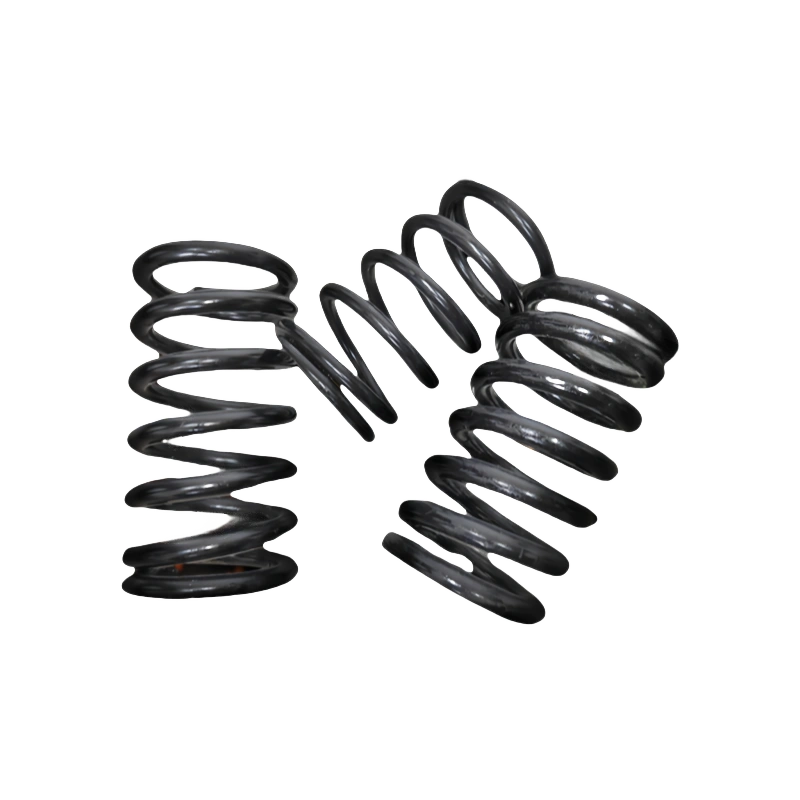
Function and classification of axle box springs
The role of railroad springs
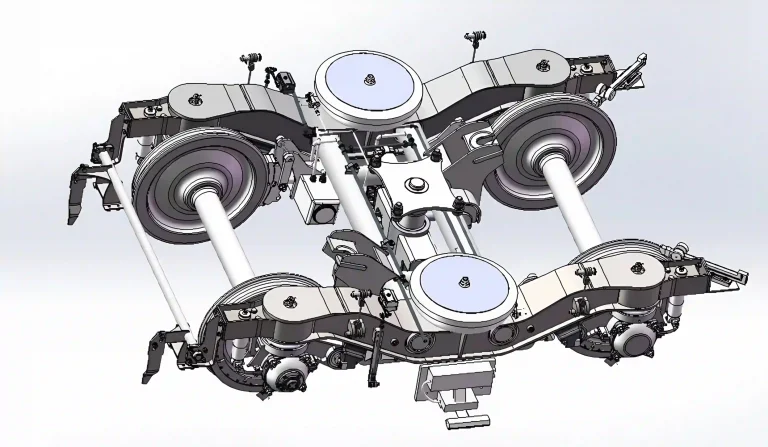
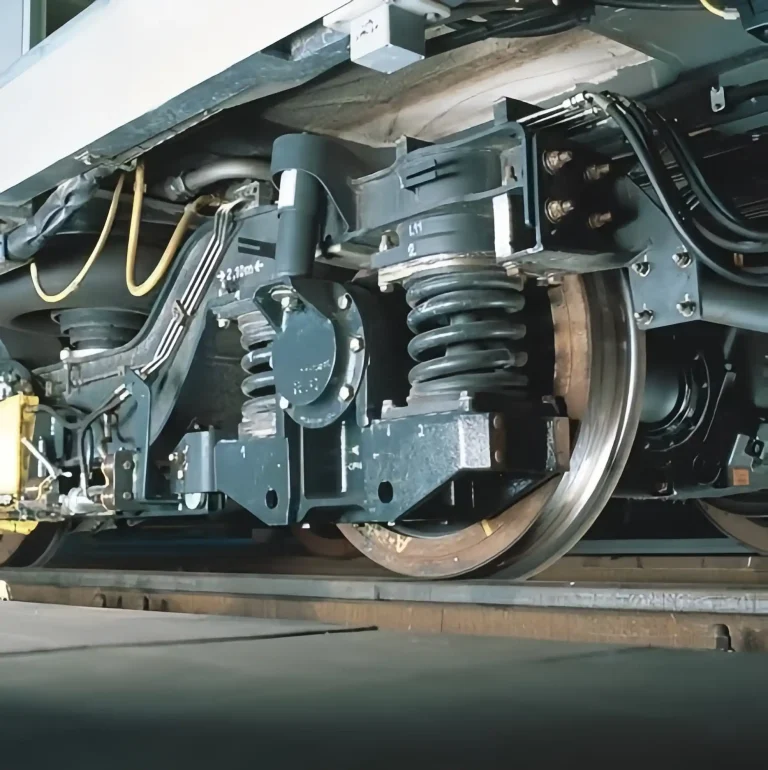
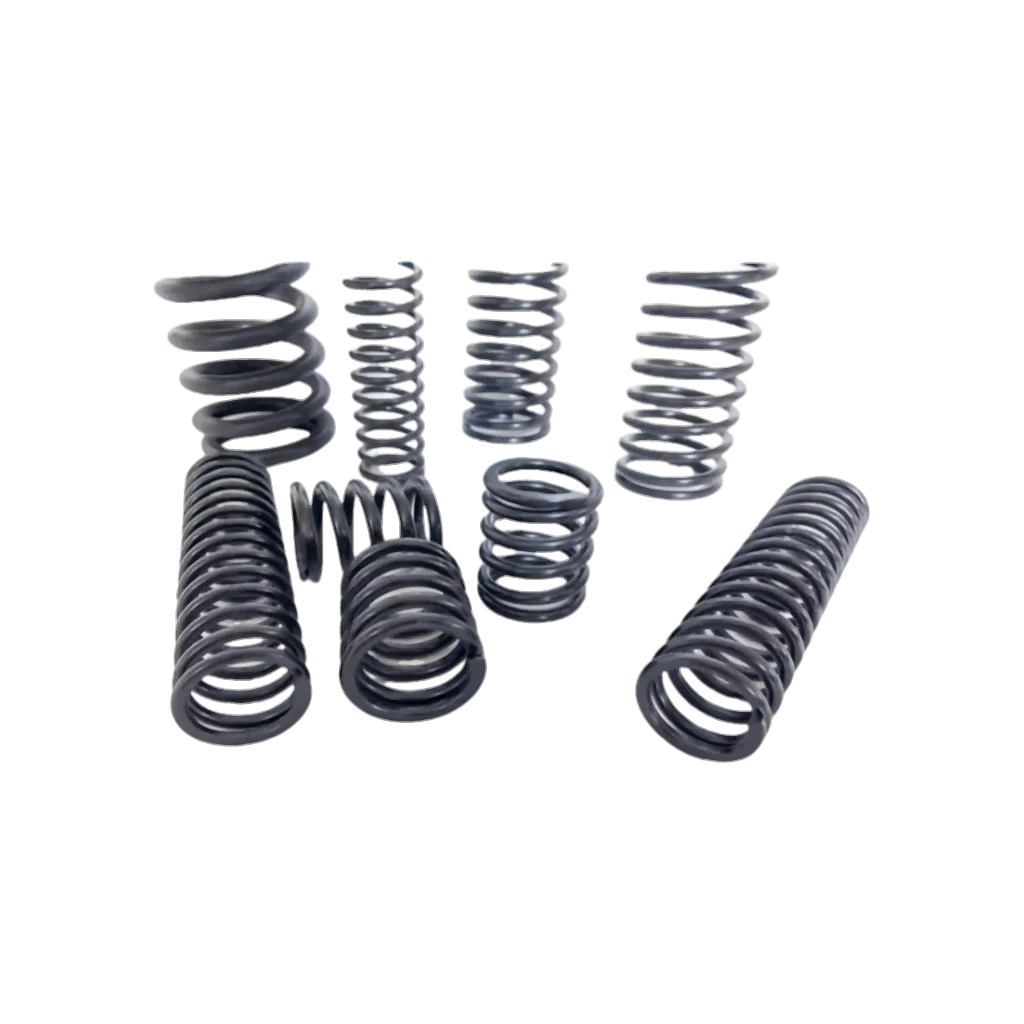
The axle box spring is one of the core components of the suspension system of the EMU. Its role is to relieve the impact force between the wheels and the track, thereby reducing the friction between the wheels and the track while ensuring the smooth travel of the train; it can also reduce the wear of the track. The axle box spring can accept multi-directional forces, thereby realizing multi-directional shock absorption and suspension functions. In terms of shock absorption, the railroad spring stiffness and damping coefficient of the axle box spring directly affect the impact force between the wheel and the track, while in terms of suspension, El marco guía y el conector del resorte ferroviario son componentes clave para lograr la maniobrabilidad de giro de trenes ferroviarios de alta velocidad con carga pesada..
Clasificación de los resortes de las cajas de grasa.
Según sus diferentes formas estructurales, Los resortes de caja de eje se pueden dividir en cuatro categorías.: tipo de ballesta, tipo de resorte de disco, tipo muñeca y tipo resorte de gas. La clasificación específica es la siguiente.:
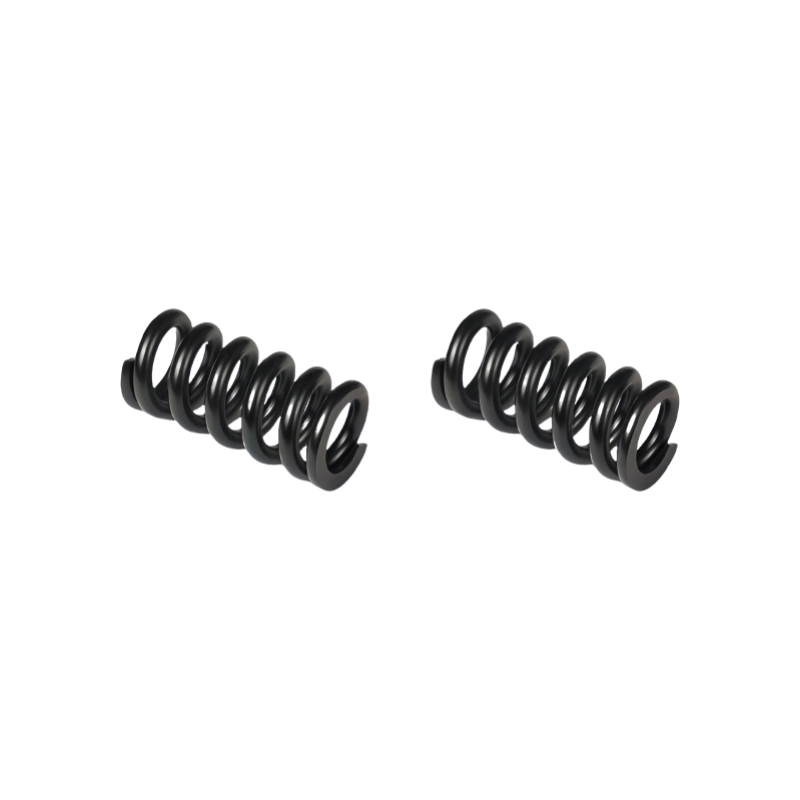
Causes and influencing factors of contact fatigue
Causes of contact fatigue
The accumulation effect of constant friction and pressure on the small deformation of the contact surface causes the contact fatigue of the damping spring. After a certain number of cycles, this small deformation will exceed the fatigue limit of the material itself and cause the failure of the railroad spring. entre ellos, the fatigue strength and fatigue life of the axle spring directly affects the size and probability of contact fatigue. The main factors include the quality of spring steel, structural form, proceso de fabricación, ambient temperature and other factors.
Factors affecting contact fatigue
Common detection methods and preventive measures
Common detection method
Preventive measures
Proveedor
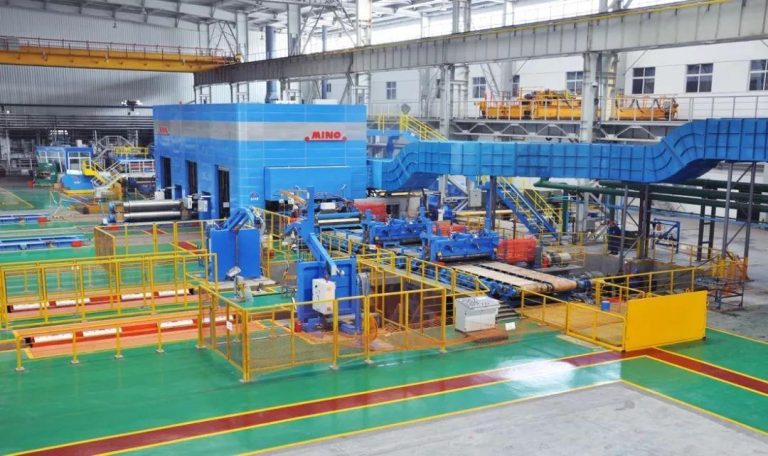
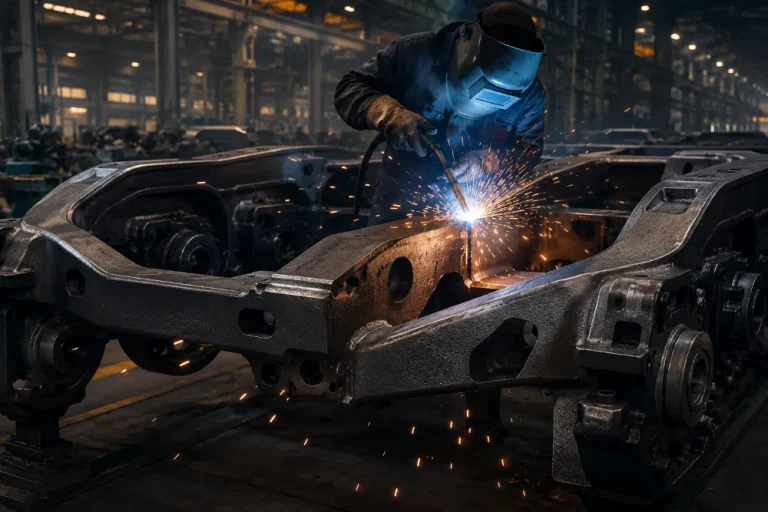
Industrias pesadas Co. de Luoyang Fonyo., Limitado,Fundada en 1998, es un fabricante de piezas fundidas para ferrocarriles. Nuestra fábrica cubre un área de 72,600㎡, con más de 300 empleados, 32 tecnicos, incluido 5 ingenieros superiores, 11 ingenieros asistentes, y 16 Técnicos. Nuestra capacidad de producción es 30,000 toneladas por año. Actualmente, Producimos principalmente fundición., mecanizado, y montaje para locomotora,automotor,trenes de alta velocidad, equipo de minería,energía eólica,etc. Nuestros productos han sido exportados a Rusia, los estados unidos, Alemania, Argentina, Japón, Francia, Sudáfrica,Italia y otros países..
Contacto: Estela Liu
Correo electrónico:[email protected]
Móvil:+8615515351287