Escanea el código WeChat para contactarnos
Escanea el código WeChat para contactarnos
No dudes en enviarnos un correo electrónico y te responderemos lo antes posible.
Creando el futuro con corazón y alma


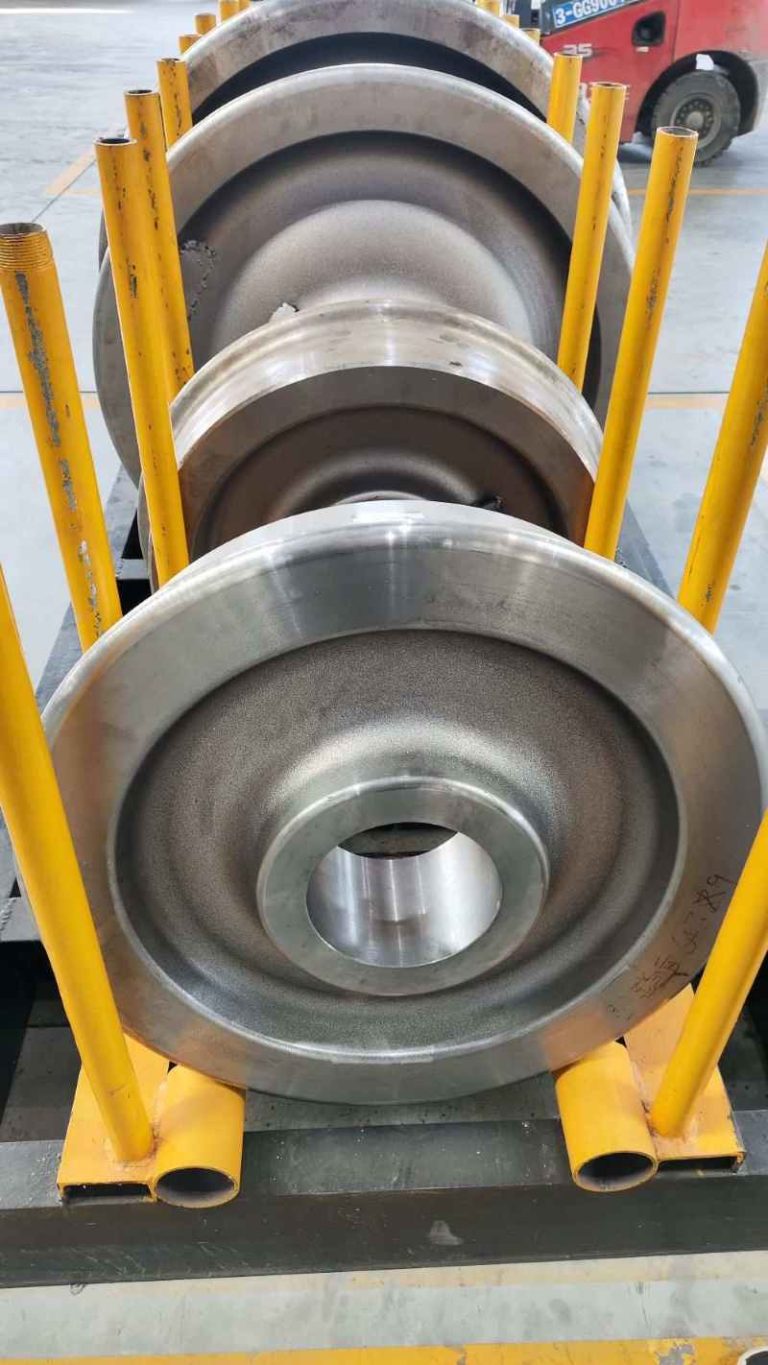
Gray (also spelled grey) iron has been around for centuries — and it’s still one of the most practical materials in piezas fundidas de ferrocarril today.
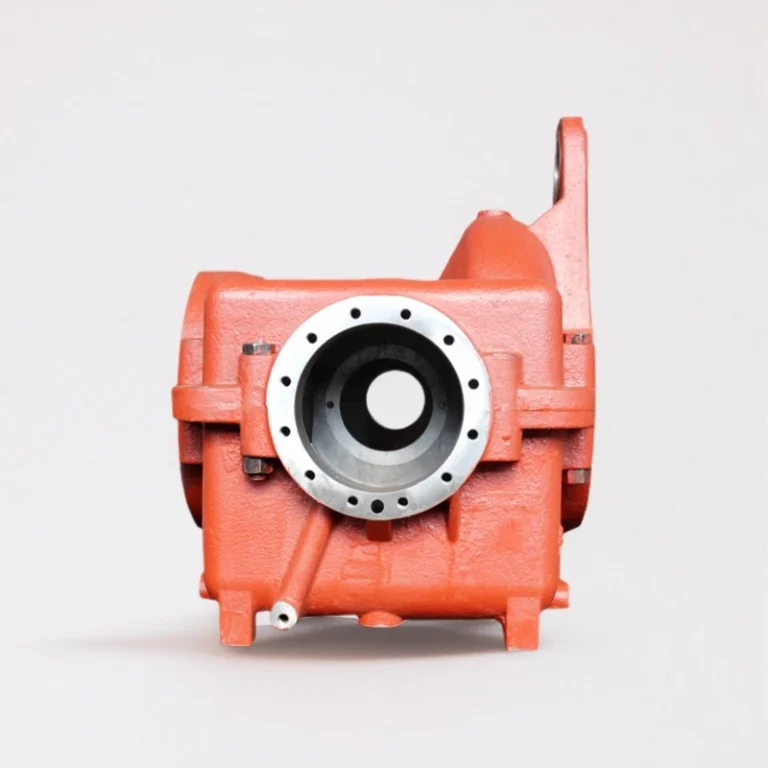
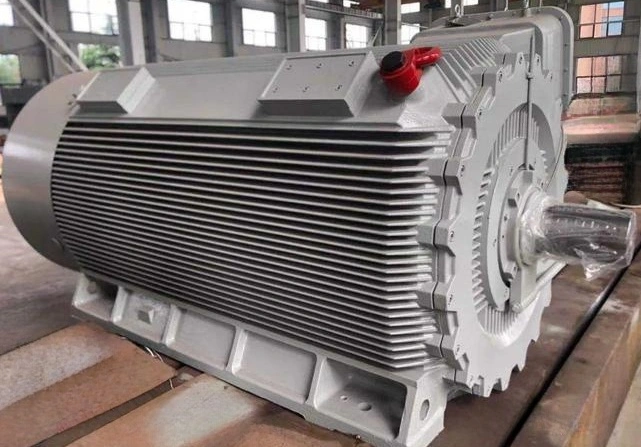
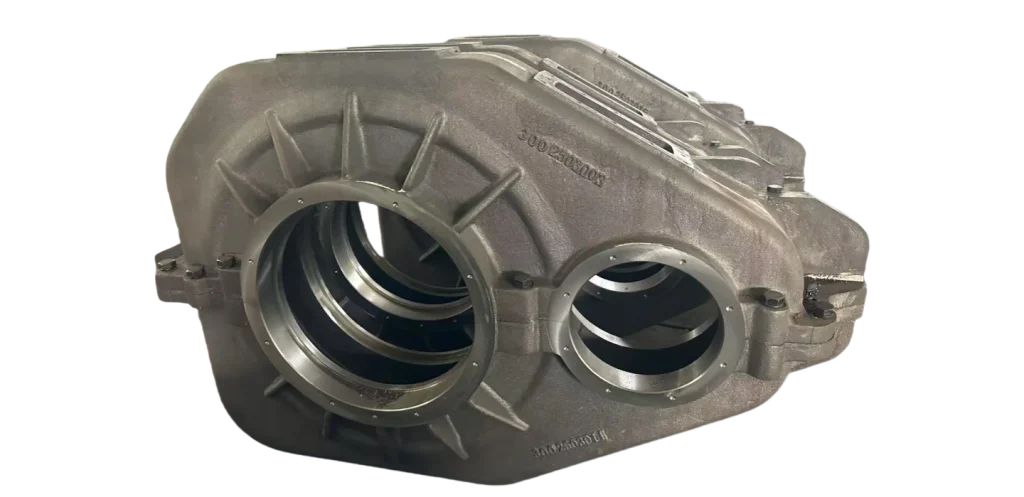
De carcasas de caja de cambios a Cubierta del extremo del motor de tracción , it offers great castability y amortiguación de vibraciones at a reasonable cost.
But here’s the challenge: gray iron isn’t naturally strong or tough.
If we want it to perform better in demanding railway conditions, we need to tweak its structure and casting process. Let’s look at how foundries can do that step by step.
When trying to boost the strength of gray iron piezas fundidas de ferrocarril, a few issues often stand in the way:
Entonces, the real goal isn’t just “stronger iron” — it’s better control over what happens inside the mold.
Getting the chemistry right is the first step toward stronger gray iron.
| What We Want | How to Do It | Why It Works |
| More strength | Keep carbon equivalent (CE) around 3.3–3.6% | Helps form uniform graphite |
| More hardness | Add a bit of Mn, Cu, Sn, or Cr | Encourages pearlite instead of ferrite |
| Less brittleness | Keep sulfur and phosphorus low | Prevents hot cracking and segregation |
A practical recipe for strong piezas fundidas de ferrocarril (like HT300–HT350) is:
do: 3.1–3.3%, Y: 1.8–2.2%, Minnesota: 0.8–1.2%, Cu: 0.5–1.0%.
Inoculation might sound like a small detail, but it can make or break your casting quality.
It helps control how graphite forms — and finer, evenly distributed graphite means better strength and machinability.
To get it right:
Done well, inoculation gives you a stronger, cleaner casting with less scrap and better consistency.
Cooling speed changes everything.
Para piezas de ferrocarril, the sweet spot is somewhere in between.
You can:
Por aquí, you end up with a fine, fuerte, pearlitic matrix without hurting machinability.
Heat treatment helps stabilize and fine-tune the structure.
Depending on the part, you can try:
| Proceso | Temperature | What It Does |
| Normalizando | ~900 °C | Refines pearlite and increases strength |
| Recocido | ~850 °C | Relieves stress and improves machinability |
| Aging | 500–600 °C | Keeps dimensions stable during service |
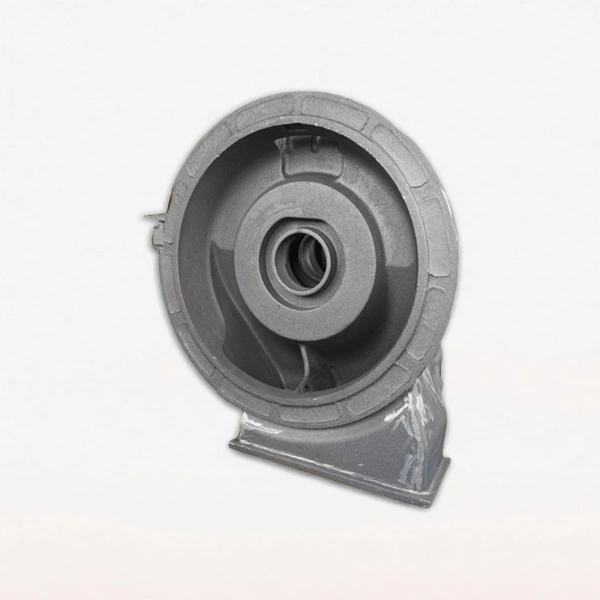
Parts like discos de freno, compressor housings, and machine bases benefit a lot from this step — especially when long-term reliability matters.
Finalmente, even with perfect chemistry, casting design matters.
Good foundry habits make strong castings repeatable — not just lucky.
En Industrias pesadas Co. de Luoyang Fonyo., Limitado., we know that building reliable gray iron railway castings isn’t about one big breakthrough.
It’s about all the small details working perfectly together.
By balancing the chemical composition, improving inoculation techniques, managing cooling rates, and applying the right heat treatment,
we turn ordinary gray iron into a tough, estable, and precise material that keeps trains running safely for years.
Please visit our website to get more information www.railwaypart.com
We Believe: Good metallurgy + smart foundry work = great railway castings,, please contáctanos here.