Scan WeChat-koden for at kontakte os
Scan WeChat-koden for at kontakte os
Du er velkommen til at sende os en e-mail, og vi vil svare dig hurtigst muligt.
At skabe fremtiden med hjerte og sjæl

Når folk først ser på et jernbanehjul, antagelsen er ofte enkel: jo hårdere hjulet, jo bedre vil den yde. Når alt kommer til alt, jernbanehjul arbejde under tung belastning, konstant rullende kontakt, og krævende miljøer. En hårdere overflade virker som den oplagte måde at modstå slid og forlænge levetiden.
Men i rigtig ingeniørpraksis, tingene er sjældent så enkle.
Gennem årene arbejdet med tunge industrielle komponenter og skinnemonteret udstyr, Det opdager ingeniører ofte at forfølge maksimal hårdhed kan faktisk introducere nye risici. Et jernbanehjul, der er for hårdt, kan godt modstå slid, men det kan også blive mere sårbart over for revner, træthedsskader, og endda pludselige fejl.
At forstå hvorfor kræver at man ser ud over hårdhedstallene på et specifikationsark og overvejer balancen mellem hårdhed, styrke, og sejhed.
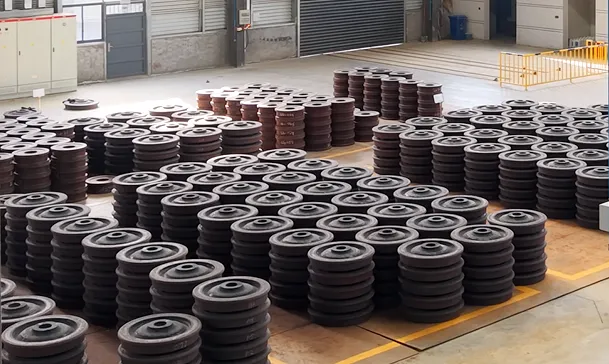
De jernbanehjul opererer i et af de mest krævende mekaniske miljøer inden for transport. Hver gang et tog kører, hjulet udsættes for en kombination af kræfter:
Under disse forhold, hjulfælgen skal modstå slid og overfladetræthed. Derfor er jernbanehjul typisk designet med relativt høj hårdhed i fælgområdet.
Højere hårdhed forbedres:
Ud fra et rent slidstyrkeperspektiv, stigende hårdhed synes gavnlig.
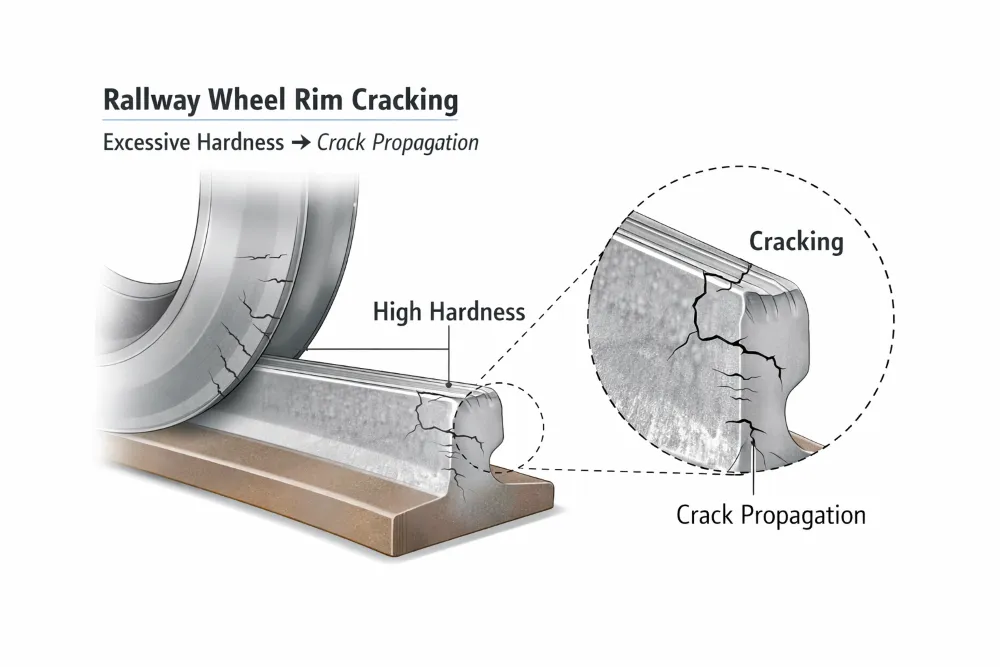
Imidlertid, et jernbanehjul er ikke blot en slidkomponent. Det er en strukturel komponent som også skal absorbere stødenergi og modstå revneudbredelse. Det er her, balancen mellem hårdhed og sejhed bliver kritisk.
When hardness increases beyond the optimal range, the material behavior begins to change. Harder materials often have lower toughness, meaning they are less capable of absorbing energy before cracking.
In a railway wheel, this can create several potential problems.
Først, the wheel becomes more sensitive to impact loading. Even small irregularities in the track can generate localized stresses at the wheel–rail contact area. If the material lacks sufficient toughness, these stresses may initiate microcracks in the rim.
Anden, once a crack forms, a very hard material may allow the crack to propagate more quickly. Instead of slowly dissipating energy through plastic deformation, the material behaves in a more brittle manner.
This is why engineers often say that excessive hardness can trade wear resistance for fracture risk.
In extreme cases, a wheel that is too hard may show early signs of:
These failures are rarely caused by hardness alone, but excessive hardness can significantly increase the likelihood of crack propagation once damage begins.
A reliable jernbanehjul must do more than resist wear. It must also tolerate repeated mechanical shocks over millions of load cycles.
This is where toughness plays an essential role.
Toughness describes the material’s ability to absorb energy before fracturing. In railway wheels, sufficient toughness allows the material to:
Without adequate toughness, even small defects or surface damage can become starting points for fatigue cracks.
The relationship between hardness and toughness is often illustrated with a simple concept: as hardness increases, toughness tends to decrease. While this relationship is not perfectly linear, it highlights an important engineering reality.
A railway wheel cannot simply be designed for maximum hardness. I stedet, it must achieve an optimal balance between hardness and toughness.
Another important factor engineers consider is hardness distribution within the wheel.
EN jernbanehjul is not designed to have the same hardness everywhere. Different regions of the wheel perform different mechanical functions.
The rim is the part that contacts the rail directly. This area experiences the highest contact stress and wear, so it is typically designed with higher hardness.
The web connects the rim to the hub and helps distribute mechanical loads. It requires a balance between strength and flexibility.
The hub supports the axle connection and must absorb structural loads without cracking. In this region, toughness is especially important.
Because of these different requirements, many railway wheels are designed with a hardness gradient rather than uniform hardness throughout the structure.
If hardness is too high across the entire wheel, the structure may lose its ability to absorb stress effectively. Instead of distributing forces smoothly, stresses may concentrate in certain areas, increasing the likelihood of crack initiation.
This is another reason why simply increasing hardness does not necessarily improve railway wheel safety.
Achieving the right balance between hardness and toughness is not just a design challenge—it is also a manufacturing challenge.
The performance of a jernbanehjul depends heavily on how well the manufacturing process controls several critical factors.
Chemical composition is one of the first elements engineers consider. Small variations in carbon, mangan, and other alloying elements can significantly affect both hardness and toughness.
Heat treatment is another crucial step. Processes such as controlled cooling and rim quenching help establish the desired hardness profile while maintaining sufficient toughness in the rest of the wheel.
Microstructure also plays an important role. A well-controlled ferrite–pearlite structure can provide a good balance between strength, hårdhed, and impact resistance.
If these factors are not carefully controlled, two wheels produced in different batches may exhibit noticeably different mechanical behavior—even if they meet the same nominal specification.
I jernbanedrift, such inconsistency can create serious reliability risks.
In practical engineering work, designing a jernbanehjul is always about balance.
Hardness must be high enough to resist wear and surface fatigue. På samme tid, sejheden skal forblive tilstrækkelig til at absorbere stødbelastninger og forhindre hurtig revneudbredelse.
Ingeniører sigter derfor efter en optimal rækkevidde frem for en maksimal værdi.
Et hjul, der er lidt blødere, men mere modstandsdygtigt over for revner, kan faktisk levere bedre langsigtet ydeevne end et ekstremt hårdt hjul, der bliver sårbart over for skør adfærd.
Denne filosofi afspejles i mange jernbanestandarder og fremstillingspraksis rundt om i verden. I stedet for at jagte den højeste hårdhedsværdi, ingeniører fokuserer på ensartede materialeegenskaber og kontrolleret mekanisk ydeevne.
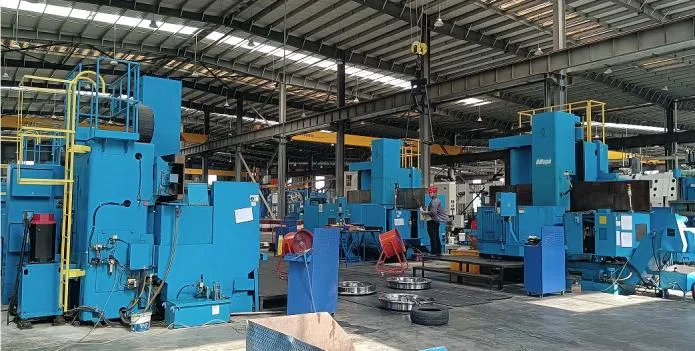
At producere et pålideligt jernbanehjul kræver ikke kun godt design, men også konsekvent produktionsekspertise.
På Luoyang Fonyo Heavy Industries Co., Ltd. vi har stor erfaring med fremstilling af jernbane- og industrihjul til krævende applikationer. Vores produktionsproces fokuserer på at opnå den korrekte balance mellem hårdhed, styrke, og sejhed.
Gennem omhyggelig kontrol af materialesammensætning, varmebehandlingsparametre, og inspektionsprocedurer, vi sikrer, at hvert jernbanehjul opfylder strenge krav til ydeevne. Vi tilpassede også jernbanedele i henhold til dine tegninger og prøver. Vores produkter er designet til langsigtet pålidelighed, overlegen effektivitet, og reducerede vedligeholdelsesomkostninger. Du kan udforske hele vores udvalg af løsninger på vores hjemmeside www.railwaypart.com Hvis du har nogle krav, kontakt os venligst.
Hvorfor kan overdreven hårdhed være farligt for et jernbanehjul?
Et jernbanehjul, der er for hårdt, kan miste sin sejhed, gør materialet mere skørt. Mens høj hårdhed forbedrer slidstyrken, det kan også øge risikoen for revneinitiering og revneudbredelse under gentagne skinnekontaktspændinger.
Hvad er den ideelle hårdhed for et jernbanehjul?
The ideal hardness depends on the wheel design, anvendelse, og jernbanestandarder. Engineers typically aim for a balanced hardness level that provides good wear resistance while maintaining sufficient toughness to resist cracking.
Why do railway wheels need both hardness and toughness?
Hardness helps the wheel resist wear and surface fatigue, while toughness allows the material to absorb impact loads and prevent crack growth. A reliable railway wheel must maintain a balance between these two properties.
Is the hardness the same across the entire railway wheel?
Ingen. A railway wheel usually has a hardness gradient. The rim area often has higher hardness to resist wear, while the web and hub maintain greater toughness to absorb mechanical stresses.
What manufacturing factors affect railway wheel hardness?
Several factors influence railway wheel hardness, including chemical composition, varmebehandlingsprocesser, kølehastigheder, and microstructure control. Consistent manufacturing processes are essential to maintain stable mechanical properties.