قم بمسح رمز WeChat للاتصال بنا
قم بمسح رمز WeChat للاتصال بنا
لا تتردد في مراسلتنا عبر البريد الإلكتروني وسوف نقوم بالرد عليك في أقرب وقت ممكن.
صنع المستقبل بالقلب والروح


عندما يسمع الناس هذا المصطلح لأول مرة “طبق السمك“, أحد الأسئلة الأكثر شيوعًا هو: لماذا سمي أحد أجزاء السكك الحديدية باسم سمكة?
قد يبدو الاسم غير عادي لأن لوحة أسماك السكك الحديدية ليس لها علاقة واضحة بالسمكة. إنه ببساطة مكون فولاذي مثبت في وصلات السكك الحديدية, تستخدم لربط وتعزيز قسمين من السكك الحديدية.
لكن, الاسم له تاريخ هندسي أعمق بكثير. الكلمة “سمكة” وفي هذا السياق لا يشير إلى الحيوان. بدلاً من, إنه يأتي من مصطلح هندسي قديم يصف قطعة تقوية تستخدم لتقوية المفصل.
إن فهم سبب تسميتها بلوحة السمك يساعد أيضًا في تفسير الدور المهم الذي يلعبه هذا المكون في أنظمة مسارات السكك الحديدية.
لمهندسي السكك الحديدية, المقاولون, والمشترين, طبق السمك ليس مجرد شريط فولاذي بسيط. إنه أحد مكونات السكك الحديدية المصنعة بدقة والتي تؤثر بشكل مباشر على محاذاة السكك الحديدية, الاستقرار المشترك, والأداء على المدى الطويل.
في هذه المقالة, وسنشرح أصل الاسم طبق السمك, كيف تعمل صفائح أسماك السكك الحديدية, الأنواع المختلفة المتاحة, وما هي العوامل التي ينبغي مراعاتها عند اختيار لوحة السمك المناسبة لمشروع السكك الحديدية.
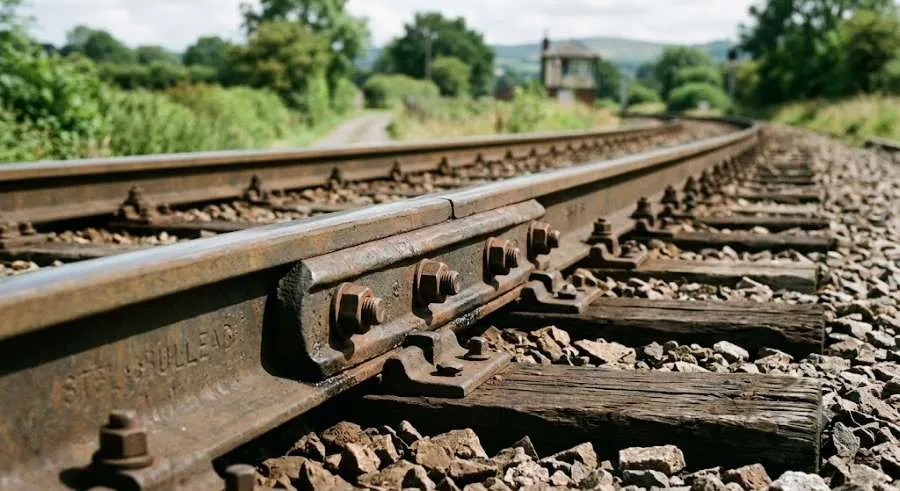
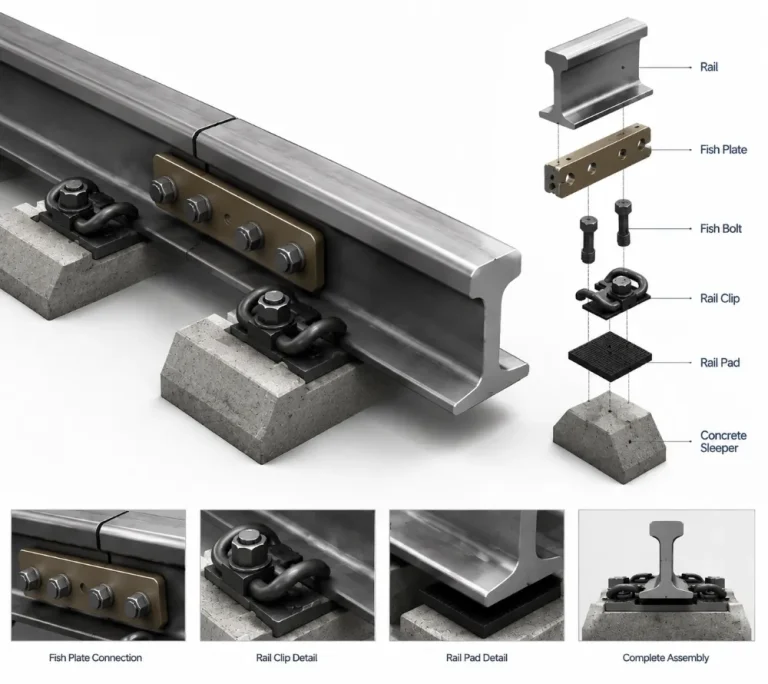
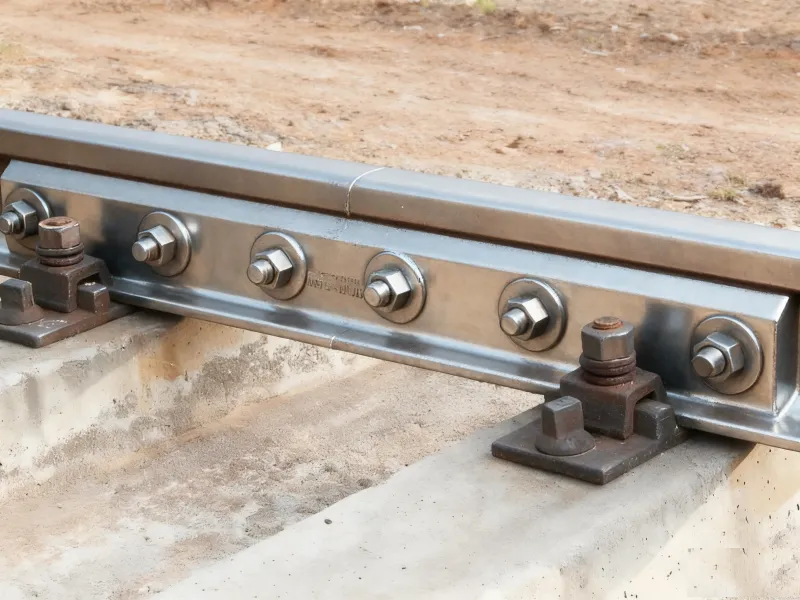
أ لوحة السمك للسكك الحديدية, يُعرف أيضًا باسم أ شريط مشترك للسكك الحديدية في بعض المناطق, عبارة عن مكون تثبيت فولاذي يستخدم لربط طرفي السكة معًا.
أثناء التثبيت, يتم وضع طبقتين من السمك على جانبي شبكة السكة ويتم تأمينهما باستخدام مسامير السمك, المكسرات, وغسالات. معاً, تقوم هذه المكونات بإنشاء وصلة سكة ميكانيكية تحافظ على محاذاة قسمي السكة وثباتهما.
يتضمن التجميع المشترك للسكك الحديدية النموذجي:
وتشمل الوظائف الرئيسية للوحة السمك:
تساعد لوحة السمكة على إبقاء طرفي السكة المتصلتين في الموضع الصحيح عموديًا وأفقيًا, ضمان التشغيل السلس للقطار.
عندما يمر القطار فوق سكة حديدية مشتركة, يتم إنشاء قوى تأثير كبيرة. تساعد صفائح السمك في نقل هذه القوى بين أقسام السكك الحديدية المجاورة.
دون التعزيز المناسب, يمكن أن تواجه مفاصل السكك الحديدية حركة مفرطة, مما قد يؤدي إلى تآكل غير متساوٍ, اهتزاز, وتتبع التدهور.
على عكس وصلات السكك الحديدية الملحومة, يمكن تركيب وصلات السكك الحديدية المثبتة بمسامير باستخدام ألواح السمك, تفتيشها, واستبدالها بسهولة أكبر, مما يجعلها ذات قيمة في العديد من تطبيقات السكك الحديدية.
على الرغم من أن السكك الحديدية ملحومة بشكل مستمر (CWR) أصبح شائعًا في خطوط السكك الحديدية الرئيسية الحديثة, لا تزال لوحات الأسماك مستخدمة على نطاق واسع في خطوط الشحن بالسكك الحديدية, السكك الحديدية الصناعية, السكك الحديدية التعدين, أنظمة السكك الحديدية رافعة, ومشاريع الصيانة.
أصل المصطلح يأتي من المصطلحات الهندسية التاريخية وليس من مظهر المكون.
في الممارسات الهندسية القديمة, الكلمة “سمكة” تم استخدامه لوصف قطعة تقوية يتم تركيبها بجانب المفصل لتحسين قوتها وصلابتها.
كان المفهوم مشابهًا لتعزيز الاتصال عن طريق إضافة مواد داعمة إضافية على كلا الجانبين. عندما طور مهندسو السكك الحديدية طرقًا لربط أقسام السكك الحديدية, لقد تبنوا هذه الفكرة واستخدموا ألواح فولاذية لتعزيز وصلة السكة.
لأن هذه اللوحات عززت الاتصال بين القضبان, أصبحوا معروفين باسم لوحات السمك.
بعبارات بسيطة:
تسمى صفيحة السمك بصفيحة السمك لأنها تعمل كعضو تقوية عند المفصل, ليس لأنه يشبه السمكة.
هذا التفسير هو الأصل الأكثر قبولًا على نطاق واسع للمصطلح في هندسة السكك الحديدية.
استخدام الكلمة “سمكة” في الهندسة أقدم من أنظمة السكك الحديدية الحديثة.
تاريخيا, استخدم المهندسون هذا المصطلح لوصف قطعة من المادة المضافة لتقوية أو دعم مكون آخر. كانت تسمى أحيانًا لوحة التسليح المثبتة فوق المفصل بـ “سمكة” لأنها تدعم الاتصال بنفس الطريقة التي يمكن بها لقطعة التسليح على شكل سمكة أن تقوي الهيكل.
عندما توسعت السكك الحديدية المبكرة خلال القرن التاسع عشر, احتاج المهندسون إلى حل عملي لربط أقسام السكك الحديدية الفردية. في ذلك الوقت, تم تصنيع القضبان بأطوال محدودة, ولم تكن القضبان الطويلة المستمرة عملية.
لقد قدم تطوير طبق السمك حلاً بسيطًا ولكنه فعال:
As railway technology developed, the name remained in use and became a standard term throughout the industry.
اليوم, more than a century later, railway engineers around the world still use the term طبق السمكق.
This is probably the first question many people ask after hearing the name.
الجواب القصير هو: not really.
A standard railway fishplate is a relatively simple steel profile designed to match the shape of the rail web. Its design is determined mainly by engineering requirements, مشتمل:
Some historical fishplate designs may have had tapered shapes that loosely resembled the outline of a fish. This may have contributed to the popularity of the name.
لكن, the engineering explanation is much stronger: المصطلح يأتي من فكرة التعزيز, وليس من التشابه البصري.
لمحترفي السكك الحديدية, السؤال المهم ليس كيف يبدو المكون, ولكن ما إذا كان يوفر اتصالاً موثوقًا به بين القضبان في ظل ظروف التحميل المتكررة.
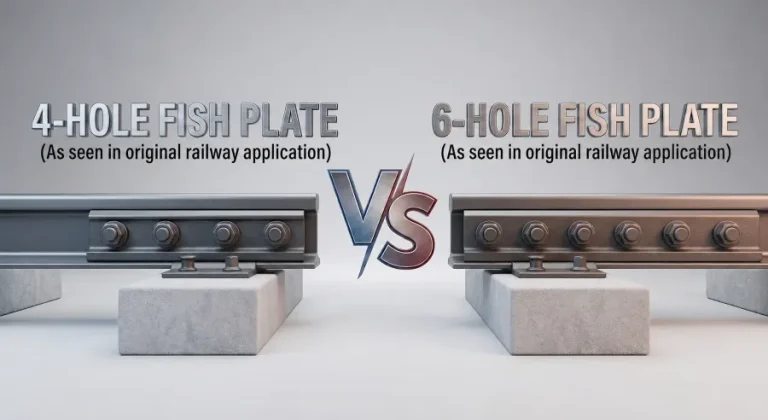
عند شراء مكونات السكك الحديدية دوليا, غالبًا ما يرى العملاء مصطلحين مختلفين:
هل هي منتجات مختلفة?
في معظم الحالات, يشيرون إلى نفس مكون السكك الحديدية.
على المدى طبق السمك يستخدم على نطاق واسع في أوروبا, آسيا, أفريقيا, وتأثرت العديد من البلدان بمصطلحات السكك الحديدية البريطانية.
على المدى شريط مشترك وهو أكثر شيوعاً في أمريكا الشمالية, خاصة في معايير ومواصفات السكك الحديدية المتعلقة بالجمعية الأمريكية لهندسة السكك الحديدية وصيانة الطرق.
رغم اختلاف الأسماء, الوظيفة هي نفسها:
مكون فولاذي مثبت على جانبي وصلة السكك الحديدية لربط قسمي السكك الحديدية والحفاظ على ثبات المسار.
عند الحصول على أطباق الأسماك دوليا, يجب أن يركز المهندسون بشكل أقل على المصطلحات وأكثر على المواصفات الفنية, مشتمل:
قد لا تكون لوحة السمك المصنعة لملف سكة حديدية واحدة مناسبة لملف آخر, حتى لو كان المظهر العام مشابهًا.
قد تبدو لوحة السمك وكأنها مكون فولاذي بسيط, لكن دورها في نظام مسارات السكك الحديدية أمر بالغ الأهمية.
يعد مفصل السكك الحديدية أحد المناطق التي يتعرض فيها هيكل المسار لضغط مركز. عندما يمر القطار فوق المفصل, يولد حمل العجلة قوى تأثير عمودية, أثناء الكبح, تسريع, والحركة الجانبية تولد ضغوطًا إضافية.
The purpose of a fish plate is to reinforce this connection and help the two rail sections behave as closely as possible like one continuous rail.
A typical fish plate connection works through several key elements:
Fishplates are installed on both sides of the rail web. The contact between the fish plate and the rail provides additional support around the joint area, increasing the overall stiffness of the connection.
Fish bolts pass through the rail and fish plates, clamping the assembly together.
The correct bolt size, hole position, and tightening force are important because insufficient clamping can lead to:
A properly designed fishplate helps maintain:
This is especially important in areas where trains operate under heavy axle loads or frequent traffic conditions.
من منظور التصنيع, dimensional accuracy is essential. The bolt hole position, machining tolerance, and contact surface must match the rail profile precisely to ensure proper installation.
Railway fishplates are not one universal product. Different railway systems require different designs depending on rail profiles, ظروف التشغيل, والمعايير.
The most common types include the following.
Standard fishplates are designed to connect two identical rail sections.
They are commonly used in conventional railway tracks where the same rail profile is installed throughout the line.
تشمل الأمثلة:
The design must match the exact rail profile to ensure correct contact and load transfer.
يتم استخدام لوحة السمكة الوسطية عند الحاجة إلى توصيل ملفين مختلفين للسكك الحديدية.
على سبيل المثال, قد تحتاج السكك الحديدية إلى الانتقال من حجم سكة حديد إلى آخر بسبب:
لأن ملفات تعريف السكك الحديدية المختلفة لها ارتفاعات وأشكال ويب مختلفة, لا يمكن استخدام أطباق السمك القياسية. توفر لوحة السمكة المصممة خصيصًا انتقالًا سلسًا وآمنًا.
تم تصميم صفائح السمك المعزولة لأنظمة إشارات السكك الحديدية.
في العديد من شبكات السكك الحديدية, تُستخدم القضبان أيضًا كجزء من دوائر المسار الكهربائي. للكشف عن مواقف القطار, يجب أحيانًا فصل أقسام السكك الحديدية المجاورة كهربائيًا.
تشتمل ألواح السمك المعزولة على مكونات عازلة تمنع الاستمرارية الكهربائية بين أقسام السكك الحديدية مع الحفاظ على القوة الميكانيكية.
وهي تستخدم عادة في:
تم تصميم ألواح صيد السكك الحديدية للرافعة لتطبيقات السكك الحديدية الصناعية, خاصة عندما يتم تركيب القضبان للرافعات العلوية أو معدات مناولة المواد الثقيلة.
بالمقارنة مع مسارات السكك الحديدية القياسية, غالبًا ما تواجه أنظمة السكك الحديدية الرافعة:
لذلك, تتطلب ألواح الأسماك ذات قضبان الرافعة تصميمًا مناسبًا واختيار المواد لتوفير متانة طويلة الأمد.
وتشمل التطبيقات النموذجية:
تم تطوير لوحات الأسماك شديدة التحمل لبيئات السكك الحديدية الصعبة حيث من المتوقع وجود أحمال محورية عالية وحركة مرور مكثفة.
وهي تستخدم عادة في:
These applications require higher strength materials and strict quality control because the rail joint experiences repeated dynamic loading.
Because fishplates are exposed to repeated impact forces, اهتزاز, and environmental conditions, material selection plays an important role in their performance.
Most railway fish plates are manufactured from high-strength carbon steel or alloy steel.
Common material requirements include:
اعتمادا على متطلبات العملاء ومعايير السكك الحديدية, fish plates may be manufactured according to:
For demanding railway applications, material selection alone is not enough.
غالبًا ما تكون المعالجة الحرارية مطلوبة لتحسين الخواص الميكانيكية للوحة السمك.
يمكن أن تتحسن عملية المعالجة الحرارية التي يتم التحكم فيها بشكل صحيح:
يجب أن تتحمل لوحة السمك التحميل المتكرر من القطارات المارة دون تشوه دائم.
تواجه مفاصل السكك الحديدية الملايين من دورات التحميل أثناء الخدمة. يساعد أداء التعب الجيد على منع التشقق والفشل المبكر.
منطقة التلامس حول وصلة السكة معرضة للاهتزاز والتأثير. تساهم خصائص المواد المحسنة في إطالة عمر الخدمة.
لهذا السبب, يولي مصنعو مكونات السكك الحديدية المحترفون اهتمامًا وثيقًا بجودة المواد وعمليات الإنتاج.

مع اعتماد واسع النطاق للسكك الحديدية الملحومة بشكل مستمر (CWR), يعتقد بعض الناس أن أطباق السمك أصبحت قديمة.
لكن, this is not the case.
Although CWR has reduced the number of traditional rail joints on many main railway lines, fish plates remain an important component in many railway applications.
They are still widely used in:
During rail replacement or repair work, temporary and permanent rail connections often require fish plates.
Railway switches and crossings involve complex rail arrangements where bolted connections may still be required.
Factories, الموانئ, مناجم, and warehouses often use rail systems where flexibility and maintenance convenience are important.
Industrial crane rails frequently rely on bolted joints because of their operating environment and maintenance requirements.
Many railway networks around the world continue to use traditional rail joint systems due to infrastructure conditions and operational requirements.
Continuously welded rail provides many advantages, مشتمل:
لكن, welded rail is not always the best solution for every situation.
Fish plates still provide several practical advantages:
Bolted rail joints can be installed without specialized welding equipment.
Damaged rail sections can be removed and replaced more efficiently.
Certain railway applications require removable or adjustable connections.
السكك الحديدية الصناعية, قضبان الرافعة, and temporary tracks often require solutions where fish plates remain the most practical choice.
من وجهة نظر هندسية, fish plates and welded rail systems are not competitors. They are solutions designed for different railway requirements.
When discussing modern railway construction, one common question is whether fish plates are still necessary when welded rail technology is widely available.
The answer depends on the railway application.
Both fishplate joints and welded rail joints have their own advantages, and engineers select the most suitable solution based on operating conditions, متطلبات الصيانة, ومواصفات المشروع.
| ميزة | Fish Plate Joint | Welded Rail Joint |
| Connection method | Bolted mechanical connection | Permanent welded connection |
| تثبيت | Relatively simple | Requires welding equipment and skilled operators |
| صيانة | Easier inspection and replacement | More difficult to repair |
| Flexibility | Allows easier rail replacement | Creates a continuous rail structure |
| Common applications | السكك الحديدية الصناعية, صيانة, الإقبال, قضبان الرافعة | السكك الحديدية عالية السرعة, السكك الحديدية الرئيسية |
For high-speed passenger railways, continuously welded rail is usually preferred because it provides smoother running conditions.
لكن, for many industrial and conventional railway applications, fish plates remain a reliable and practical solution.
A professional railway engineer does not simply choose the newest technology. The correct choice depends on the actual operating environment.
Selecting a fish plate requires more than choosing a component that looks similar.
A railway fishplate must match the rail profile, fastening system, and operating requirements of the track.
The following factors should be considered before production or purchase.
The first and most important factor is the rail profile.
Different rails have different:
على سبيل المثال, a fish plate designed for UIC60 rail cannot simply be installed on a UIC54 rail.
Common rail profiles include:
The fishplate must be designed according to the exact rail section.
Different countries and railway systems may follow different technical standards.
Common standards include:
Before manufacturing, customers should confirm:
This ensures that the fishplate meets the expectations of the railway project.
The material must match the operating conditions.
For heavy-load applications, engineers usually focus on:
A fish plate used in a mining railway, على سبيل المثال, may require higher performance than one used in a light industrial track.
The bolt hole arrangement is another critical factor.
تشمل المعلمات الهامة:
Incorrect hole dimensions can prevent proper installation and reduce joint performance.
The working environment also influences fish plate selection.
Factors include:
A fishplate used in a heavy-haul railway requires a different design approach compared with one used in a light industrial railway.
Although bar joint is much smaller than a rail or sleeper, it plays a critical role in railway safety and reliability.
A rail joint is one of the areas where the track structure experiences concentrated stress. Poor-quality fish plates may result in:
لهذا السبب, professional railway component manufacturers focus on every stage of production.
Important quality control steps include:
Steel materials should be checked to ensure they meet the required chemical composition and mechanical properties.
Accurate dimensions are essential for proper fitting with the rail profile.
Bolt holes must maintain strict tolerances to ensure correct assembly.
Where required, heat treatment must provide stable mechanical performance.
Finished fish plates should be inspected according to project requirements before shipment.
From our manufacturing experience, one of the most common mistakes in railway component purchasing is selecting a fish plate based only on appearance or price.
A reliable fishplate must be matched with the rail system it is designed for.
في شركة لويانغ فونيو للصناعات الثقيلة, المحدودة., we manufacture railway fish plates and other railway track components for customers in railway, صناعي, التعدين, and material handling applications.
Our railway fish plates are produced according to international standards and customer-specific requirements, مشتمل:
We focus on providing reliable railway components through:
In addition to railway fish plates, our product range includes:
By supplying compatible railway components from one source, we help customers simplify procurement and ensure better system compatibility.
Whether you need standard railway fish plates or customized solutions based on drawings and technical specifications, شركة لويانغ فونيو للصناعات الثقيلة, المحدودة. can provide professional support for your railway project.
The name comes from an old engineering term. “سمكة” referred to a reinforcing member used to strengthen a joint. A railway fish plate reinforces the connection between two rail sections, which is why it received this name.
نعم. في معظم تطبيقات السكك الحديدية, fishplate and joint bar refer to the same component. “طبق السمك” is commonly used in many international markets, بينما “شريط مشترك” is frequently used in North American railway terminology.
A fish plate connects two rail sections, maintains alignment, transfers wheel loads, and reinforces the rail joint to improve track stability.
نعم. Although continuously welded rail is common on many high-speed railways, fish plates are still widely used in industrial railways, maintenance work, قضبان الرافعة, الإقبال, and conventional railway systems.
Most fishplates are manufactured from high-strength carbon steel or alloy steel. Material selection depends on the railway standard and operating conditions.
لا. Fishplates are designed according to specific rail profiles. Different rails require matching fish plate dimensions and bolt arrangements.
عادة ما يحتاج المصنعون:
تعتمد مدة الخدمة على عوامل مثل حمل المحور, تردد حركة المرور, جودة التثبيت, صيانة, وبيئة التشغيل.