Bizimle iletişime geçmek için WeChat kodunu tarayın
Bizimle iletişime geçmek için WeChat kodunu tarayın
Bize e-posta göndermekten çekinmeyin; size en kısa sürede cevap vereceğiz.
Geleceği kalp ve ruhla yaratmak


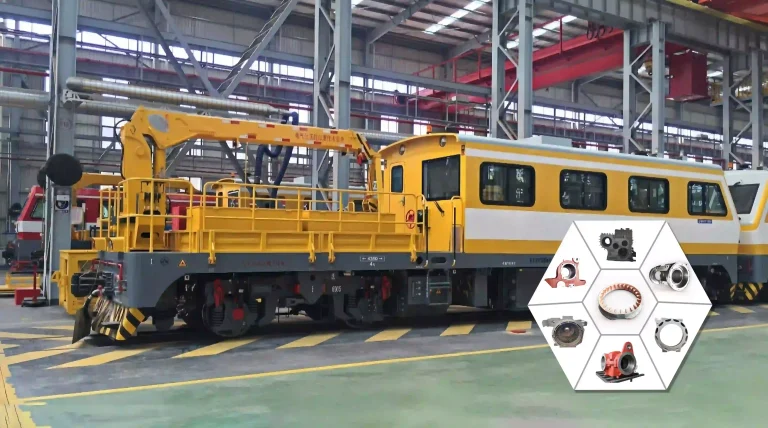
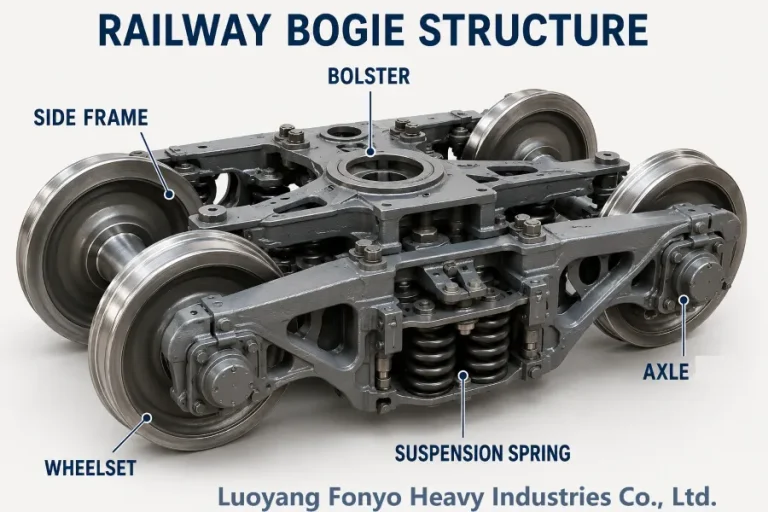
İnsanlar bir lokomotifin veya metro treninin altına monte edilmiş bir cer motoru gördüklerinde, dikkatin çoğu doğal olarak elektrik sistemine gidiyor. Fakat, üretim perspektifinden, Kritik mühendislik zorluklarının çoğu, demiryolu çelik dökümlerinin ve motoru çevreleyen yapısal bileşenlerin içinde gizlidir.
Geçtiğimiz birkaç yılda, ekibimiz Malezya'daki projelere tedarik edilen demiryolu çelik dökümleri ve işlenmiş cer motoru bileşenlerinin üretiminde yer aldı., Rusya, Hindistan, Güney Afrika, Brezilya, Amerika Birleşik Devletleri, ve birçok Avrupa ülkesi.
Bu ihracat projeleri motor uç kapaklarını içermektedir, tutma halkaları, süspansiyon destekleri, yapısal montaj parçaları, ve demiryolu cer sistemlerinde kullanılan diğer döküm ve işlenmiş montajlar.
Bizim için, bu tip projeler sadece çizimlere göre parça üretmekten ibaret değildir. Asıl zorluk, bileşenlerin sürekli titreşim altında sabit kalmasını sağlamaktır, ağır yükler, ve uzun vadeli demiryolu işletmeciliği.
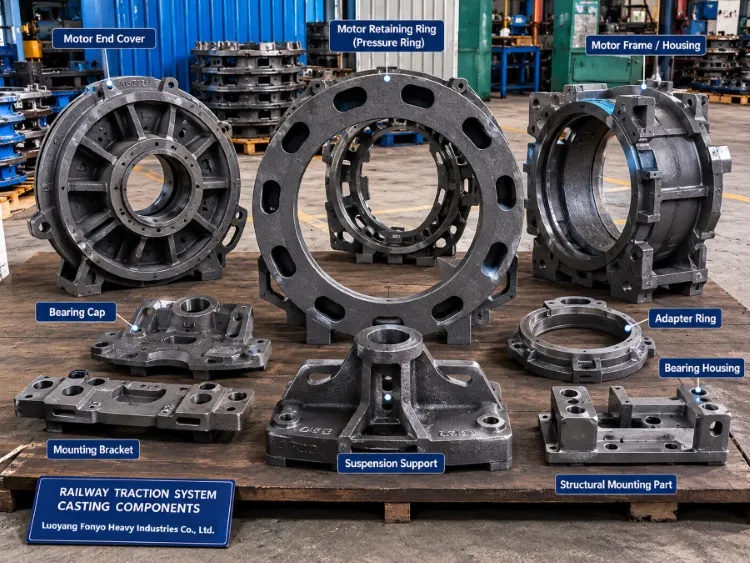
Birçok cer motoru bileşeni demiryolu çeliği dökümü olarak başlar. Sıradan endüstriyel dökümlerle karşılaştırıldığında, demiryolu uygulamaları genellikle daha fazla boyutsal kararlılık gerektirir, daha güvenilir yapısal performans, ve üretim süreci boyunca daha sıkı kontrol.
Bileşen tasarımına bağlı olarak, boyut gereksinimleri, ve üretim hacmi, üretim sırasında farklı döküm teknolojileri seçilebilir. Yıllar geçtikçe, reçine kum döküm kullanarak demiryolu döküm bileşenleri ürettik, V prosesli döküm, kayıp köpük dökümü, ve geleneksel kum döküm prosesleri. Uygun prosesin seçilmesi gerekli boyutsal doğruluk dengesinin elde edilmesine yardımcı olur, yüzey kalitesi, mekanik özellikler, ve üretim verimliliği.
Bazı parçalar dışarıdan nispeten basit görünebilir, ancak dahili olarak işleme ödeneği için katı gereklilikler içerirler, montaj konumlandırma, ve uzun vadeli yorulma direnci.
Üretim sırasında, mühendislik ekibimiz döküm stabilitesine odaklanıyor, ısıl işlem kontrolü, işleme deformasyonu, montajla ilgili toleranslar, yüzey kalitesi, ve denetim tutarlılığı. Bu faktörler, uzun süreli çalışma sırasında demiryolu çelik dökümlerinin güvenilirliğini doğrudan etkiler..
Belirli yapısal bileşenler için, Küçük boyutlu sapmalar bile son montaj sırasında rulman hizalamasını veya montaj arayüzlerini etkileyebilir. Bu nedenle işleme, dökümün kendisi kadar önemlidir..
Şirket içinde sıklıkla tartıştığımız bir konu da demiryolu bileşenlerinin dekoratif ürünler olmadığıdır.. Yüzey görünümü önemlidir, ancak montaj doğruluğu daha da kritiktir.
Bazı cer motoru bileşenleri, farklı yüzeylerde ve referans konumlarında birden fazla işleme işlemi gerektirir. Süreç boyunca tutarlılığı korumak, üretimin ana zorluklarından biridir.
Demiryolu bileşenlerine yönelik işleme çalışmalarımız genellikle CNC tornalamayı içerir, frezeleme, sıkıcı, sondaj, hassas yüzey işleme, ve montaj arayüzü işleme. Daha büyük dökümler için, İşleme sırasında deformasyonun kontrol edilmesi de sürecin önemli bir parçasıdır.
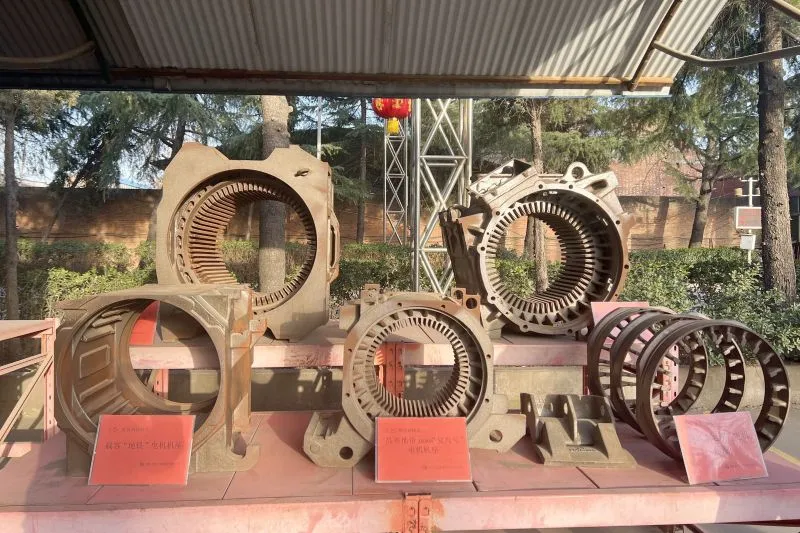
Demiryolu işletme koşulları zorlu.
Statik endüstriyel ekipmanların aksine, Çekiş motoru sistemleri sürekli olarak titreşime maruz kalır, şok yükler, değişen sıcaklıklar, ve uzun çalışma döngüleri. Bundan dolayı, Üretim sırasında çeşitli mühendislik faktörlerine özellikle dikkat ediyoruz.
Bazı destekleyici bileşenler yalnızca ağırlık taşımakla kalmaz, aynı zamanda çalışma sırasında oluşan titreşimi de emer.
Bu, döküm kalitesi anlamına gelir, malzeme özellikleri, ısıl işlem, ve işleme doğruluğu, bileşenin hizmet ömrü boyunca yapısal stabiliteyi korumak için birlikte çalışmalıdır.
Birçok demiryolu motor bileşeni rulman sistemlerine bağlıdır, konutlar, veya montaj yapıları.
Boyutsal tutarlılık uygun şekilde kontrol edilmiyorsa, kurulum sırasında daha sonra montaj zorlukları ortaya çıkabilir. Bu nedenle, Denetim yalnızca işleme tamamlandıktan sonra değil, üretim boyunca gerçekleştirilir.
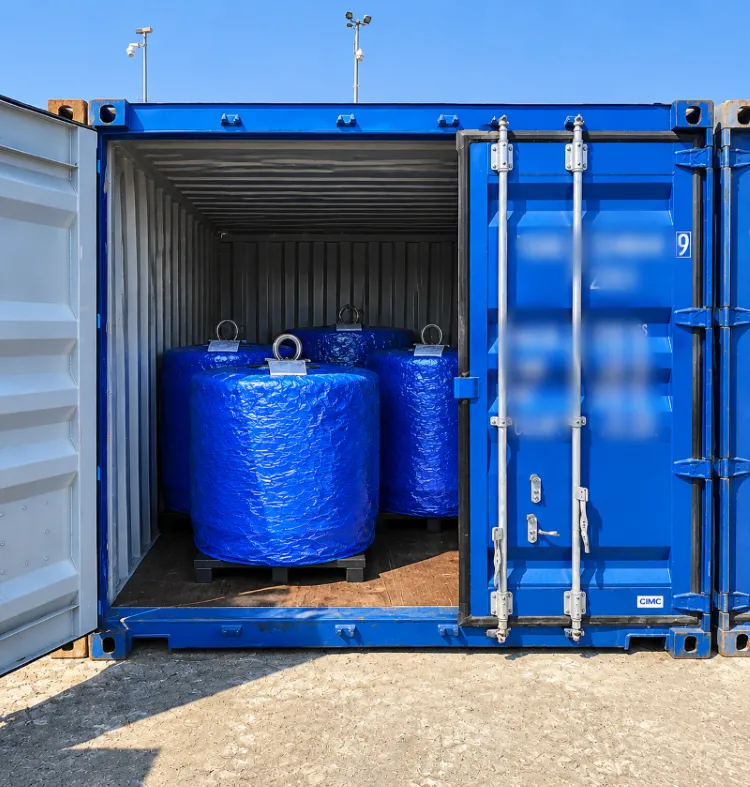
Bir diğer pratik zorluk ise ihracat taşımacılığıdır.
Ağır demiryolu çelik dökümleri, son müşteriye veya montaj tesisine ulaşmadan önce genellikle deniz yoluyla uzun mesafeler kat eder. Uygun paketleme, korozyon koruması, ve yükleme yöntemleri de bu nedenle üretim sürecinin bir parçası haline gelir.
Yıllar geçtikçe, Asya çapındaki müşterilerimize demiryolu ile ilgili dökümler ve işlenmiş montajlar sağladık, Avrupa, Afrika, Kuzey Amerika, ve Güney Amerika.
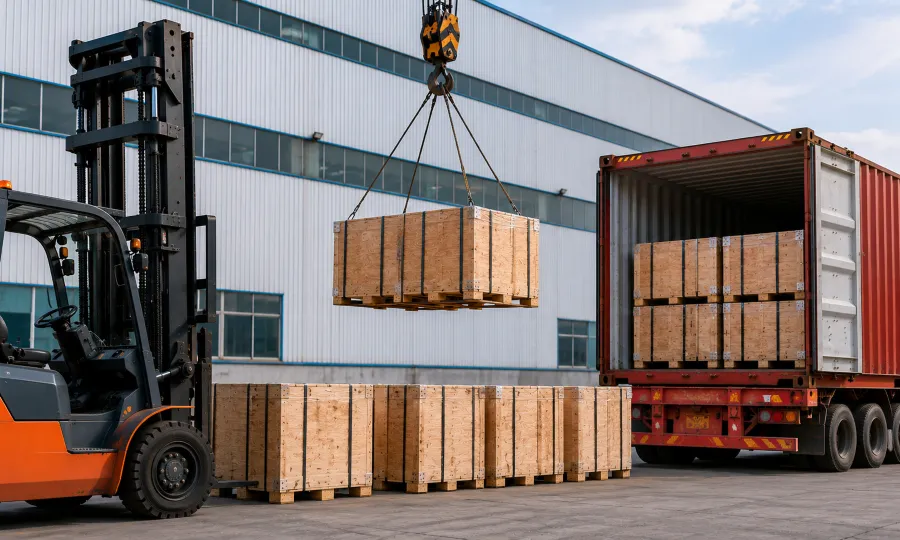
Bunun gibi projeler aynı zamanda demiryolu ve ağır sanayi bileşenlerindeki daha geniş üretim kapasitemizi de yansıtıyor.
Çekiş motoru bileşenlerine ek olarak, demiryolu tekerlekleri de üretiyoruz, dökme çelik demiryolu bileşenleri, dövme demiryolu parçaları, ağır sanayi dökümleri, ve dünya çapındaki müşteriler için işlenmiş yapısal montajlar.
Mühendislik ekibimiz için, Her demiryolu projesi, yalnızca çizim gereksinimlerini karşılamaktan ziyade, gerçek çalışma koşullarında güvenilir bir şekilde performans gösteren bileşenlerin teslim edilmesiyle ilgilidir..
Demiryolu çelik dökümlerinde uzun yıllara dayanan ihracat tecrübesi ve uzmanlığı sayesinde, hassas işleme, reçine kum döküm, V prosesli döküm, ve kayıp köpük dökümü, Luoyang Fonyo Ağır Sanayi A.Ş., Ltd... Asya genelinde demiryolu ve endüstriyel müşterileri desteklemeye devam ediyor, Avrupa, Afrika, Kuzey Amerika, ve Güney Amerika.