Bizimle iletişime geçmek için WeChat kodunu tarayın
Bizimle iletişime geçmek için WeChat kodunu tarayın
Bize e-posta göndermekten çekinmeyin; size en kısa sürede cevap vereceğiz.
Geleceği kalp ve ruhla yaratmak


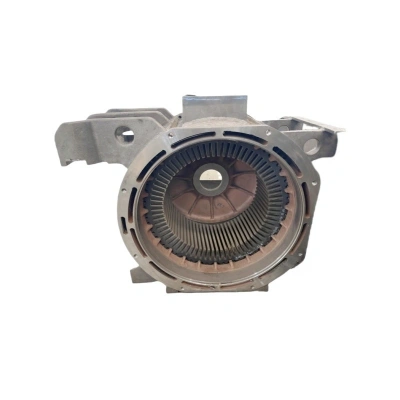
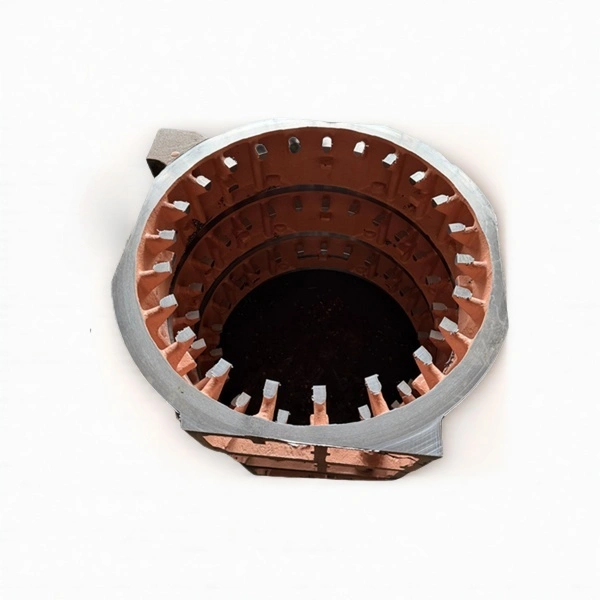
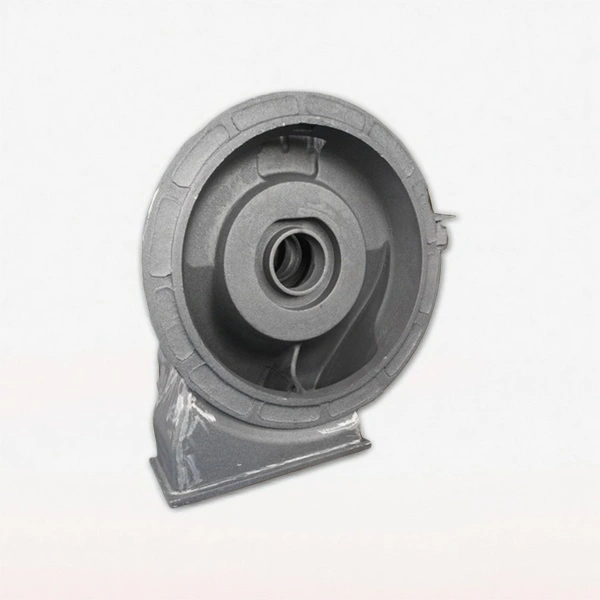
Introduction of Rail Traction Motor Stator Base
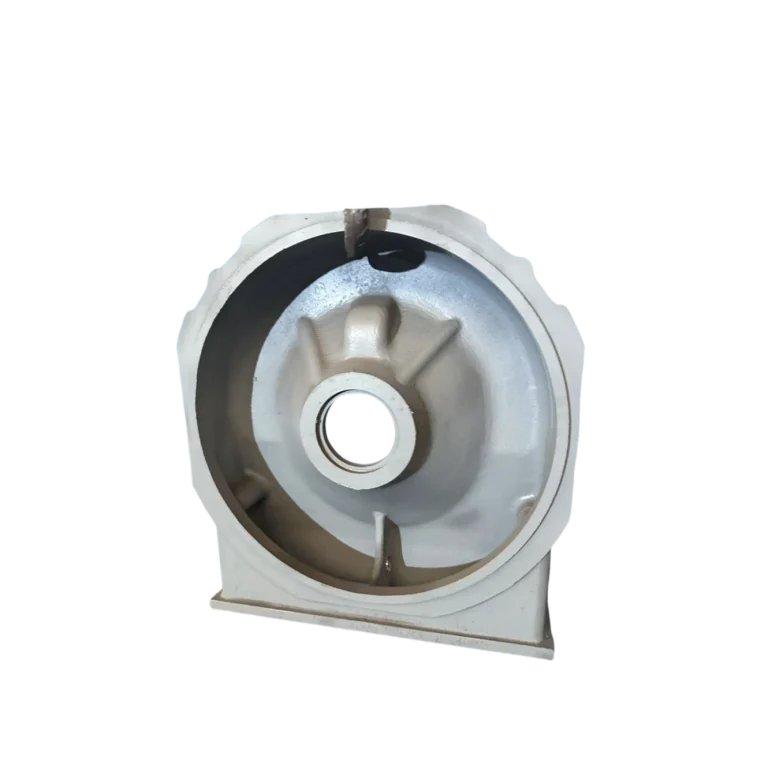
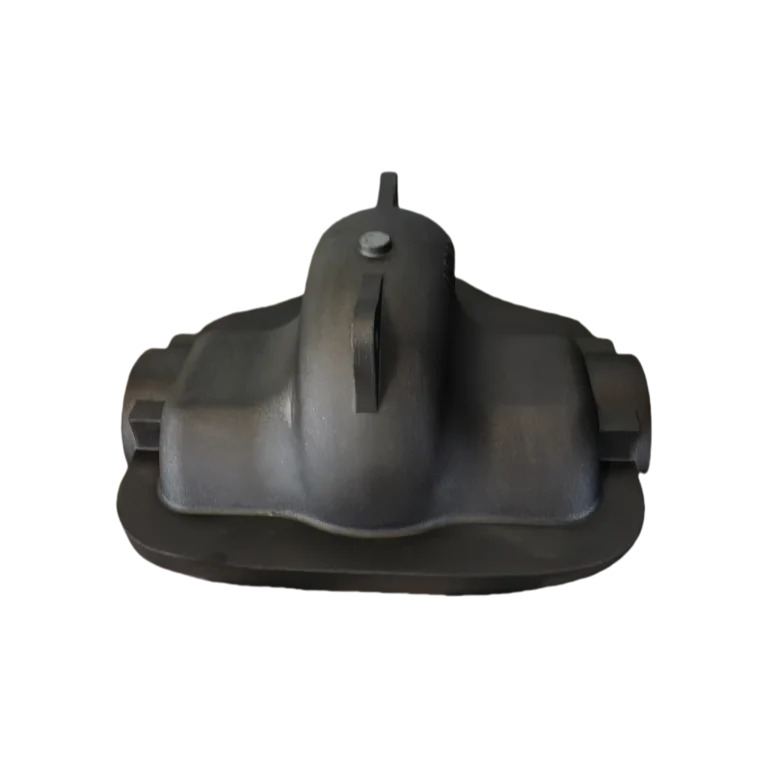
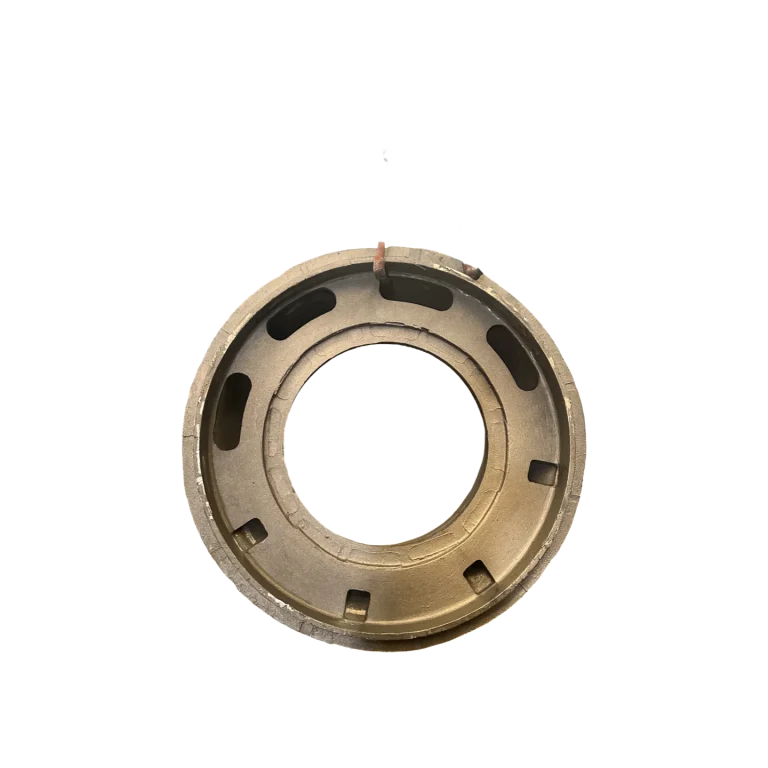
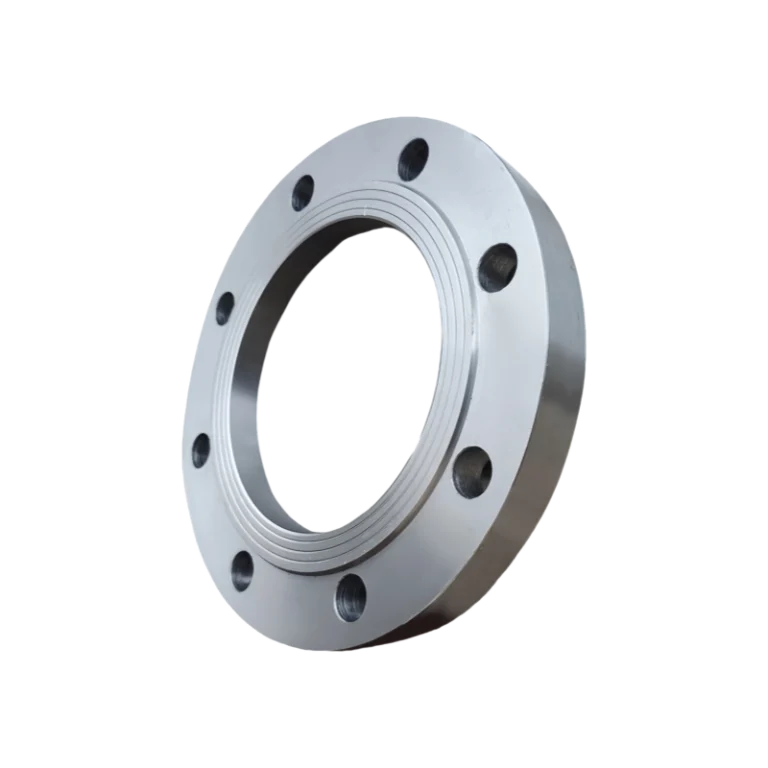
In modern industrial power systems, the traction motor is like the heart, providing powerful energy for rail transit, electric vehicles, ve endüstriyel ekipmanlar. The key structure that supports the efficient operation of this core component – the stator base – can be regarded as the “skeletal system” of the power system, which is little known. This ring-shaped structure, cast from high-strength metal, is not only the physical carrier of the motor stator but also the core hub that maintains the stability of the electromagnetic field and ensures the conversion of energy.
The traction motor stator base is a part of the permanent magnet motor, consisting of the stator, rotor, and base. The stator and base are the same as those of asynchronous motors, while the rotor is composed of an iron core and permanent magnets. The working principle of the permanent magnet traction motor is that the three-phase inverter supplies power to the three-phase windings of the stator, generating a rotating magnetic field that interacts with the magnetic field produced by the rotor’s permanent magnets, thereby generating torque and driving the rotor to rotate synchronously.
The Structure of Rail Traction Motor Stator Base
The stator base adopts a double-layer composite structure design. The outer layer is a stress-bearing frame optimized through finite element analysis, while the inner layer is precisely machined to form positioning slots that perfectly match the stator core. This structure ensures overall rigidity while reserving a micro-gap of 0.02-0.05mm to provide a buffer space for the thermal expansion of silicon steel laminations. The 72 sets of positioning pin holes distributed on the base end face are arranged in an involute pattern, controlling the electromagnetic vibration amplitude within ±5μm while ensuring the heat dissipation space at the end of the winding.
In terms of heat dissipation design, modern stator bases have evolved from traditional radiation cooling to active liquid cooling structures. The spiral cooling channels embedded in the base adopt a variable cross-section design, with a 3mm diameter channel at the inlet expanding to 5mm when passing through the high-temperature area. Combined with Al₂O₃ nanofluid coolant, the winding temperature rise can be reduced by 40%. This bionic vascular heat dissipation system increases the continuous output power of the motor to 1.8 times that of the traditional design.
The Material of Rail Traction Motor Stator Base
The first-generation stator base used HT250 gray cast iron, Hangi, with an elastic modulus of 4.5GPa, could meet basic requirements, but its density of 7.2g/cm³ became a bottleneck for lightweight design. With the maturity of aluminum alloy die-casting technology, the ADC12 aluminum alloy base reduced the weight by 58% and achieved a yield strength of 310MPa through T6 heat treatment. Fakat, the true breakthrough progress came from carbon fiber reinforced magnesium matrix composites (CF/Mg), which maintained a tensile strength of 780MPa while reducing the density to 1.8g/cm³ and improving the thermal expansion coefficient match with silicon steel sheets to 99.3%.
The Manufacturing Process of Rail Traction Motor Stator Base
The manufacturing of modern stator bases integrates multiple cutting-edge technologies: vacuum differential pressure casting with 3D printed sand molds enables the one-time forming of complex cooling channels; five-axis CNC machines equipped with laser online measurement systems achieve automatic compensation for clamping errors; the residual stress elimination process introduces ultrasonic impact technology, reducing the traditional 48-hour heat aging treatment cycle to 15 dakika. The quality inspection system has been fully upgraded to digitalization: industrial CT scanning can detect internal defects larger than Φ0.3mm, eddy current testing instruments scan the mating surface accuracy with a resolution of 0.01mm, and laser Doppler vibrometers build three-dimensional vibration mode cloud maps of the base. These data are uploaded to the MES system in real-time, forming a “digital twin” file for each base.
The Future Trends of Rail Traction Motor Stator Base
Integration of Intelligence and Greenness Frontier research is exploring the intelligent transformation of stator bases: embedding distributed optical fiber sensor networks to monitor stress and strain distribution in real time; applying shape memory alloys to make adjustable stiffness brackets for dynamic vibration suppression; developing self-healing microcapsule coatings to repair microcracks generated during operation automatically. The SMARTER project, supported by the EU’s “Horizon 2020” program, has developed an acoustic metal material base that can reduce electromagnetic noise by 12 dB.
Çevre koruma açısından, bio-based composites are beginning to enter the practical stage. The experimental base made of flax fiber-reinforced polylactic acid (PLA) has shown mechanical properties comparable to traditional metal parts in small and medium power motors while reducing the carbon footprint by 76%. Aynı zamanda, a material traceability system based on blockchain technology ensures that each base is traceable from mineral extraction to finished product delivery.
| Malzeme | Gray cast iron/Aluminum alloy |
| Yield strength | 310MPa |
| Isıl İşlem | Su verme ve temperleme gibi ısıl işlemlere tabi tutulur |
| Hoşgörü | ± 0,02 mm |
| Vibration Transmissibility | < 0.15 |
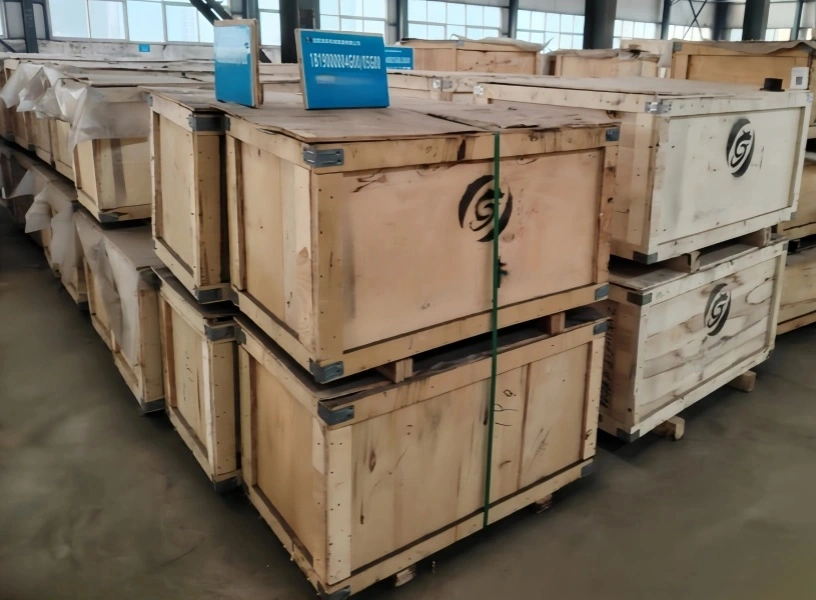
Package of Rail Traction Motor Stator Base
Polybag + Tahta Sandık / Palet, müşterinin isteğine göre
Şirket Profili
Luoyang Fonyo Ağır Sanayi A.Ş., Ltd.. kuruldu 1998, 72.600㎡ alanı kapsıyor, fazlasıyla 300 çalışanlar, 32 teknisyenler, içermek 5 kıdemli mühendisler, 11 yardımcı mühendisler, Ve 16 teknisyenler. Luoyang Mühendislik Teknoloji Merkezi olarak derecelendirildi, Luoyang Teknoloji R&D Merkezi, ve birçok kez Ulusal Yüksek Teknoloji Şirketi.
Üretim kapasitemiz 30,000 ton/yıl. Şu anda, esas olarak çelik döküm üretiyoruz, dökme demir (gri demir, sünek demir, vesaire.), bitmiş ürün ve bileşen montajının işlenmesi. ürünler Rusya'ya ihraç edildi, Amerika Birleşik Devletleri, Almanya, Arjantin, Japonya, Fransa, Güney Afrika,İtalya ve diğer ülkeler.
SSS
1. Çeyrek: Üretici veya ticaret şirketi misiniz??
A:Biz bir üreticiyiz. Şirketimiz kuruldu 1998, Döküm sektöründe yaklaşık 30 yıldır, toplam 72.600㎡ alan, 51.000㎡ fabrika inşaat alanına sahip.
2. Çeyrek. Ana ürünleriniz nelerdir?
A: Öncelikle çelik döküme odaklanıyoruz, demir döküm, bitmiş ürün işleme, ve bileşen montaj üretimi.
3. Çeyrek: Döküm parçalarını ne kadar hassas üretebilirsiniz??
A: Farklı döküm prosesleri ile döküm parçaları üretme kabiliyetimiz bulunmaktadır.. Üretim kesinlikle ISO'ya uygundur 9001, ISO 14001 ve ISO45001,EN15085, İRİS.
4. Çeyrek. Numunelere göre üretim yapabilir misiniz??
Evet, Numuneleriniz veya teknik çizimlerinizle üretebiliriz. Numunelerinizi aldıktan sonra sizin için çizimler yapabiliriz.
S5: Teslimattan önce Kalite Kontrolünü nasıl yapıyorsunuz??
A: Kalite kontrolü, çelik döküm parçaların kalitesini garanti etmek için çok önemli bir faktördür. Takip ediyoruz 3 tüm üretim süreci boyunca denetim süreleri. Ve malzeme test raporu sunacağız, boyutsal test raporu, ve teslimattan önce müşterilerimize mekanik özellikler test raporu.
Herhangi bir ürünle ilgileniyorsunuz,lütfen bizimle iletişime geçmekten çekinmeyin.
E-posta:satış@railwaypart.com
Mobil:008615515321683