WeChat 코드를 스캔하여 문의하세요
WeChat 코드를 스캔하여 문의하세요
이메일을 보내주시면 최대한 빨리 답변해 드리겠습니다..
마음과 영혼을 다해 미래를 창조하다


If you follow global rail development, you will see a clear trend. High-speed rail is no longer limited to Japan, 프랑스, or Germany. It is expanding into developing countries. Projects such as the Egypt High-Speed Rail Network, along with new corridors in India and Indonesia, show that high-speed rail is becoming a long-term national strategy in many regions. When people talk about these projects, they focus on speed and passenger comfort. 엔지니어로서, we look at something else. We look at components. In particular, we look at 고속철도 주물. These parts carry load, absorb stress, and support safety.
This is where the real technical challenge begins.
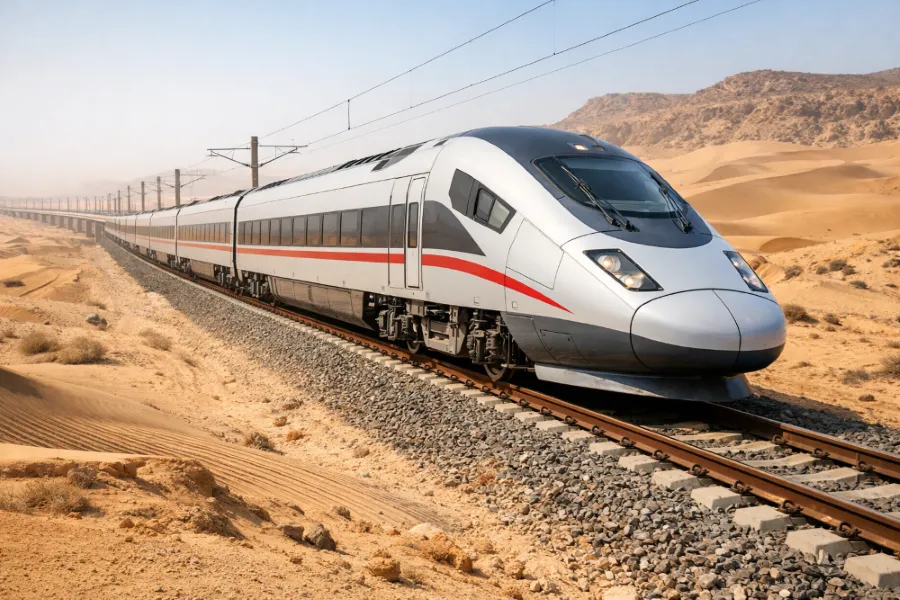
High-speed rail projects in developing countries are not simple copies of European or Japanese systems. The environment, usage patterns, and supply chains are different. All of these factors directly affect high speed rail castings.
Let us break it down into three key areas.
Many new high-speed rail lines operate under harsh conditions:
These conditions change how we design high speed rail castings.
We must increase corrosion resistance.
We must use more conservative safety factors.
We must ensure strong fatigue resistance.
We must control metallurgical quality very strictly.
In these environments, durability is more important than extreme weight reduction. A slightly heavier but more stable casting is often the better engineering decision.
In many developing countries, high-speed lines are not fully separated from freight or regional trains. Mixed traffic is common.
This creates:
For engineers, this directly impacts:
High speed rail castings used in these systems must handle a wider load range than those used in passenger-only networks. That means stronger design margins and better fatigue control.
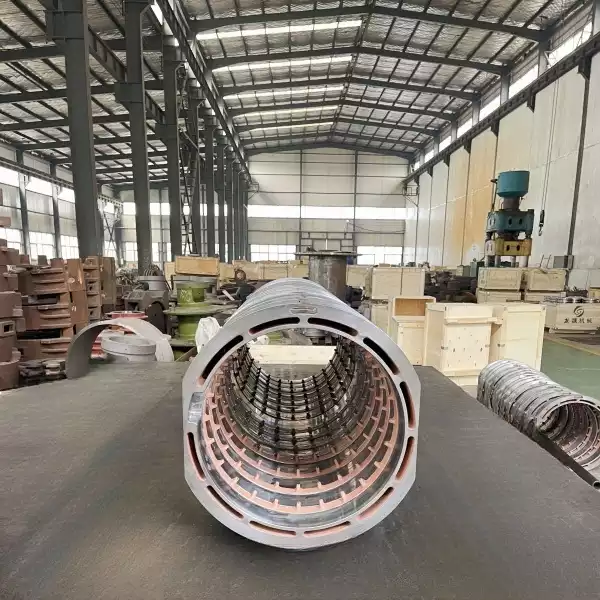
In several emerging markets, local heavy casting capability is still developing. Limitations often include:
이 때문에, contractors often depend on experienced international suppliers of high speed rail castings.
China has become a major production base for railway cast components. 하지만, global buyers are not only looking for manufacturing capacity. They also require independent metallurgical control, strict inspection standards, and export-compliant documentation.
Reliable batch stability is now a basic requirement.
The growth of high-speed rail in developing countries is not only increasing order volume. It is raising the technical level of high speed rail castings.
Material requirements are becoming stricter.
There is increasing demand for:
Buyers now focus heavily on material consistency. Meeting nominal strength is not enough. Internal quality matters.
As operating speeds increase, tolerance windows become smaller.
High speed rail castings must provide:
Even small dimensional deviations can affect vibration and dynamic stability at high speed. Precision is no longer optional.
Project owners are becoming more experienced. They now focus on lifecycle cost instead of only initial price.
They ask about:
This shift favors manufacturers with strict internal quality systems and engineering support.
High speed rail castings are now evaluated as safety-critical components, not simple metal parts.
The global rail industry is entering a new phase. Developing countries are accelerating infrastructure investment. 결과적으로, demand for high speed rail castings is growing steadily.
하지만, the requirement is not just higher volume. The requirement is higher engineering discipline.
Suppliers must deliver:
In modern rail systems, high speed rail castings directly influence system reliability and safety.
엔지니어링 관점에서, this market shift creates both pressure and opportunity.
Designing high speed rail castings for developing countries requires balance:
This balance cannot be achieved by cost cutting alone. It requires controlled processes and technical understanding.
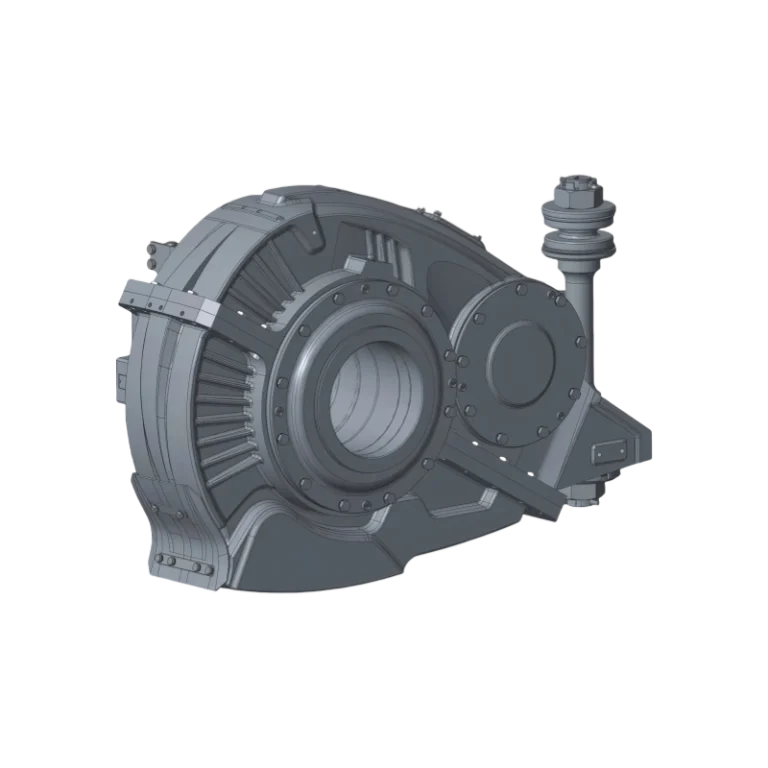
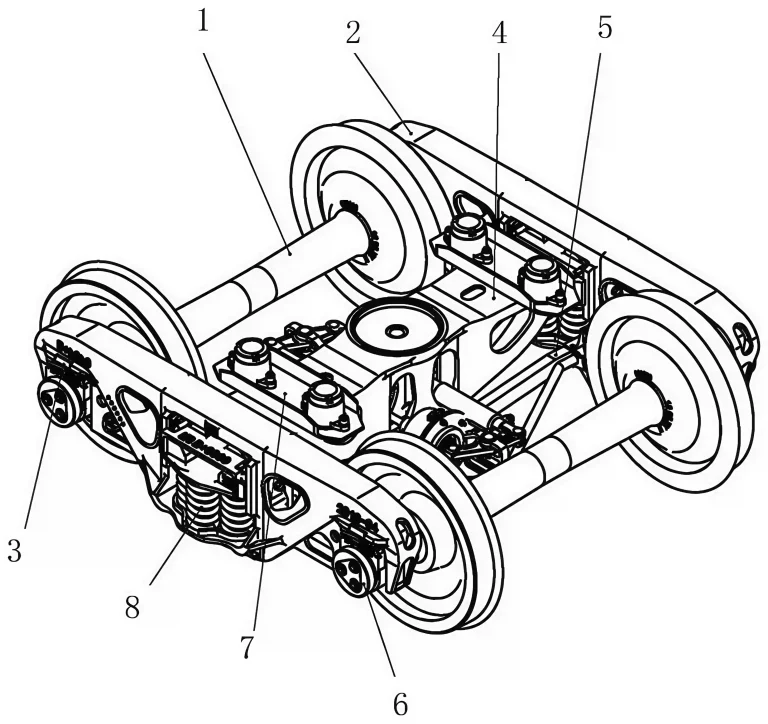
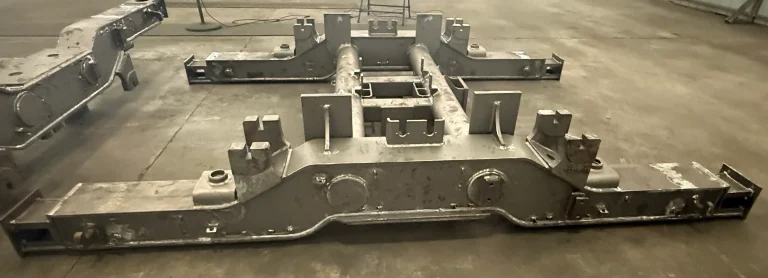
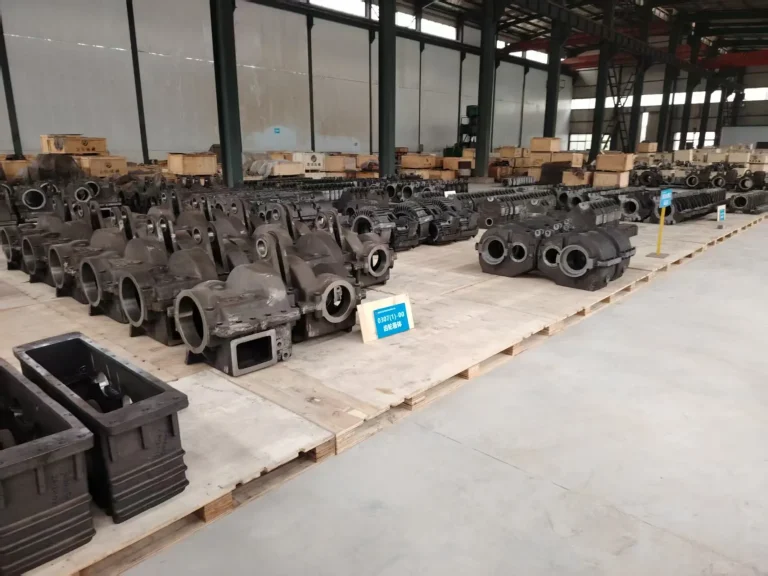
~에 뤄양포뇨중공업(Luoyang Fonyo Heavy Industries), 주식회사, we specialize in metal mold production of railway cast components for structural applications. 우리의 제품은 다음과 같습니다 railway bogie castings, large gearbox housing, 액슬 박스 하우징, suspension bearing housing, and customized high speed rail castings for international projects. With stable batch production capability and strict quality control systems, we support railway infrastructure projects that require long-term reliability and predictable performance. Please visit our Website: www.railwaypart.com 우리에 대한 더 많은 정보를 얻으려면. If you have any requirement, please 저희에게 연락주세요.