Scansiona il codice WeChat per contattarci
Scansiona il codice WeChat per contattarci
Sentiti libero di inviarci un'e-mail e ti risponderemo il prima possibile.
Creare il futuro con cuore e anima


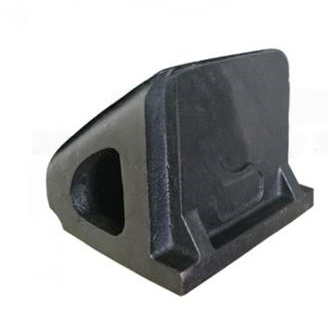
Overview of Railway Wedge
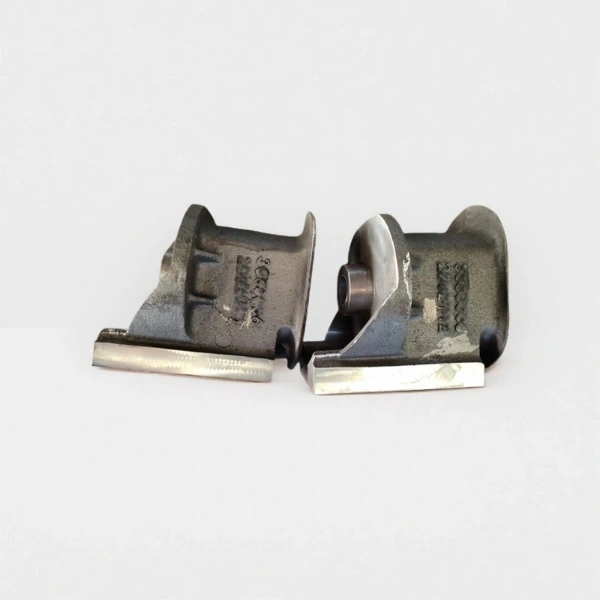
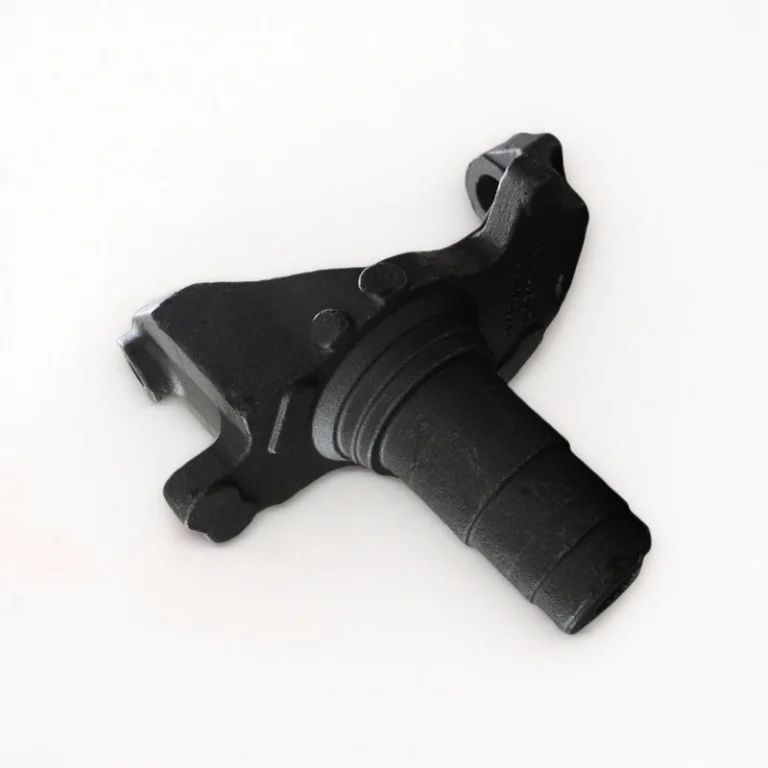
The railway wedge is one of the key components of the railway freight car bogie and plays a vital role in the operation of the vehicle. It is usually installed in the vibration reduction system of the bogie and works in conjunction with the side frame column wear plate, bolster wedge friction surface and other components to consume the vibration energy of the vehicle during operation through friction, convert the vibration and impact of the vehicle into heat energy and dissipate it, thereby effectively reducing the vibration and noise during the operation of the vehicle, improving the stability and comfort of the vehicle operation, and ensuring the safety and efficiency of railway transportation. Its design rationality and manufacturing quality directly affect the operation quality of railway freight cars and the service life of components.
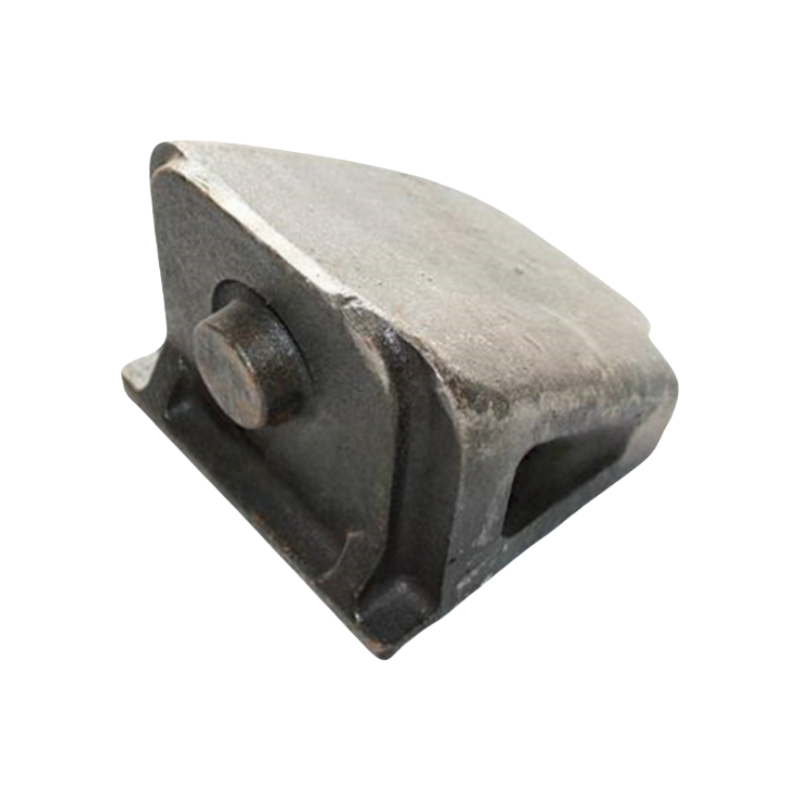
Parameter Table of Railway Wedge
| Categoria dei parametri | Dettagli dei parametri |
| Materiale | Generalmente, ad alta resistenza, wear-resistant alloy steel or cast iron materials are used, such as ZG230-450 cast steel or QT450-10 ductile iron, to ensure good strength and wear resistance under complex stress environments. |
| Dimensioni | Depending on the different railway freight car bogie models, the dimensions vary. Common length ranges are between 200-400mm, width between 100-250mm, and height between 80-200mm. The specific dimensions must strictly comply with the corresponding bogie design requirements. |
| Peso | Depending on the size and material, the weight varies, usually between 5-20kg. |
| Surface roughness | The surface roughness of the key friction surface is required to be high, generally controlled below Ra3.2μm to ensure good friction performance and matching accuracy. |
| Durezza | The hardness range is usually between HRC30 – 50. The specific hardness value is determined according to the material and usage requirements to ensure sufficient wear resistance and impact resistance. |
| Tilt angle | The tilt angle of the wedge is one of the key parameters, generally between 2° – 5°. Different bogie designs have different requirements. This angle directly affects the performance of the vibration reduction system. |
Features of Railway Wedge
Function of Railway Wedge
Application of Railway Wedge
Railway wedges are widely used in all types of railway freight car bogies, including but not limited to bogies of open wagons, covered wagons, flat wagons, tank wagons and other models. In railway freight transportation, whether it is the transportation of bulk goods such as coal and ore, or the transportation of special goods such as containers and mechanical equipment, the efficient operation of railway freight cars is indispensable. As a key component to ensure the operating quality of railway freight cars, railway wedges play an important role in improving the stability of vehicle operation, riducendo l'usura delle ruote, and extending the service life of vehicles, providing strong support for the safety and efficiency of railway freight transportation. Allo stesso tempo, with the continuous development of railway technology and the improvement of vehicle operating performance requirements, railway wedges are also constantly innovating and optimizing technology to meet the needs of different models and operating conditions.
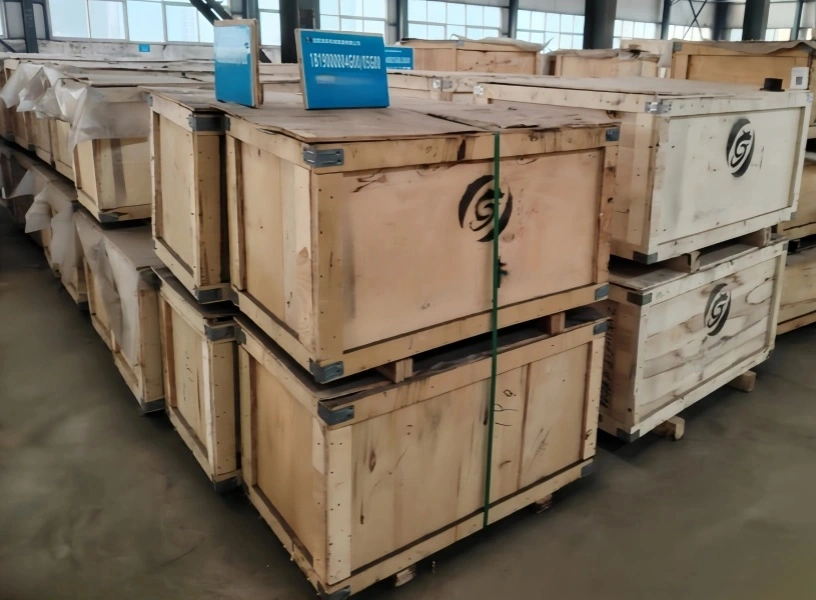
Pacchetto di Railway Wedge
Polisacco+scatola di cartone+caso/pallet di legno, secondo la richiesta del cliente
Profilo Aziendale
Luoyang Fonyo Heavy Industries Co., Ltd. è stata fondata nel 1998, copre un'area di 72.600㎡, con più di 300 dipendenti, 32 tecnici, compreso 5 ingegneri senior, 11 ingegneri assistenti, E 16 tecnici. È stato classificato come Centro tecnologico di ingegneria di Luoyang, Luoyang Tecnologia R&Centro D, e impresa alta tecnologia nazionale per molte volte.
La nostra capacità produttiva è 30,000 tonnellate all'anno. Attualmente, produciamo principalmente acciaio fuso, ghisa (ferro grigio, ferro duttile, ecc.), lavorazione del prodotto finito e assemblaggio di componenti per locomotiva,vagone ferroviario,treni ad alta velocità, attrezzature minerarie,energia eolica,ecc. I nostri prodotti sono stati esportati in Russia, gli Stati Uniti, Germania, Argentina, Giappone, Francia, Sudafrica,Italia e altri paesi.
Domande frequenti
Q1: Sei un produttore o una società commerciale?
UN: Siamo un produttore. La nostra azienda è stata fondata nel 1998, con quasi 30 anni nel settore della fusione, una superficie totale di 72.600㎡, con un'area edificabile di 51.000㎡.
Q2. Quali sono i vostri prodotti principali??
UN: Ci concentriamo principalmente sulla fusione di acciaio, fusione di ferro, lavorazione del prodotto finito, e produzione di assemblaggi di componenti per locomotive, vagone ferroviario, treni ad alta velocità, attrezzature minerarie, energia eolica,ecc.
Q3: Con quanta precisione puoi produrre parti di fusione?
UN: Abbiamo la capacità di produrre parti di fusione con diversi processi di fusione. La produzione è rigorosamente conforme alla norma ISO 9001, ISO 14001 e ISO45001,EN15085, IRIS.
Q4. Puoi produrre secondo i campioni?
SÌ, possiamo produrre dai vostri campioni o disegni tecnici. Possiamo costruire disegni per te anche dopo aver ricevuto i tuoi campioni.
Q5: Come si effettua il controllo qualità prima della consegna??
UN: Il controllo di qualità è un fattore molto importante per garantire la qualità delle parti in fusione di acciaio. Seguiamo 3 tempi di ispezione durante l’intero processo produttivo. E forniremo un rapporto sui test dei materiali, rapporto di collaudo dimensionale, e rapporto sui test delle proprietà meccaniche ai nostri clienti prima della consegna.
Se sei interessato a qualche prodotto,non esitate a contattarci.
Contatto: Stella Liu
E-mail:[email protected]