סרוק את קוד WeChat כדי ליצור איתנו קשר
סרוק את קוד WeChat כדי ליצור איתנו קשר
אתם מוזמנים לשלוח לנו מייל ואנו נענה לכם בהקדם האפשרי.
יצירת העתיד בלב ובנשמה


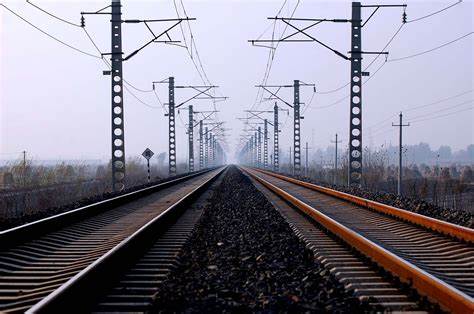
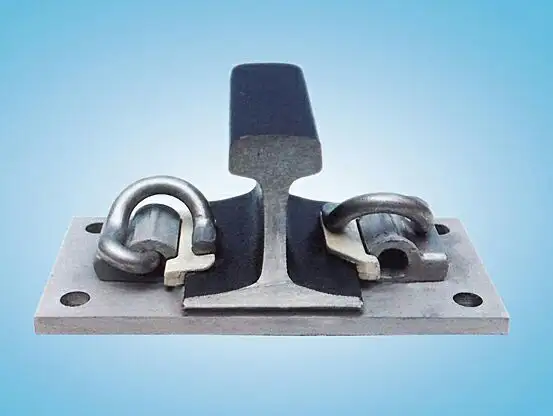
מתחת לרכבות המהירות והמהירות ובקווי המשא המתפתלים והבינעירוניים, there is a type of seemingly insignificant yet crucial component that silently undertakes the core mission of maintaining the geometric shape of the track and ensuring the smooth operation of the trains – this is the railway fastener מַעֲרֶכֶת. They are not simple “bolts and nuts”, but the cornerstone of track safety that integrates precision engineering and materials science.
1.1 Core Task:
The primary responsibility of the fastener system is to firmly and elastically lock the steel rails onto the sleepers or track plates, preventing longitudinal creep (creep effect), lateral displacement or overturning of the rails under the huge wheel-rail force.
1.2 Elastic Function:
Engineers design rubber pads, elastic fastening components (such as spikes) to provide necessary buffering. This elasticity can absorb shocks, reduce noise and vibration, and maintain stable fastening pressure, preventing premature fatigue or fracture of the track components due to excessive rigidity.
1.3 Precise Maintenance of Track Geometric Dimensions
Track gauge guardian: The fastener system uses precisely designed gauge guards, insulation blocks, וכו', to strictly control the distance between the inner working edges of the two rails, that is, the track gauge. This is the fundamental guarantee for the safe and smooth passage of the train’s wheelsets through the track. Even a slight difference can lead to a traffic accident.
1.4 Horizontal and Directional Baseline: The fasteners and the track underlay (such as underlay plates, height adjustment plates) work together to ensure that the track maintains the required smoothness in the longitudinal (height) and lateral (direction) directions. This design provides a foundation for the smooth operation of high-speed and heavy-load trains.
2.1 Vibration reduction and noise reduction: The elastic elements (such as underlay rubber pads, elastic layers under iron pads) are the key components in the system. They effectively attenuate the impact loads from the wheels. Their function is to significantly reduce the vibration and noise transmitted to the ישנים, נֵטֶל, גשרים, and the ground. In residential areas or elevated lines, high-performance vibration reduction fasteners are indispensable.
2.2 Safety Guard for Electrical Insulation
Signal system guarantee: In electrified railways and sections using track circuits, the fasteners must provide reliable insulation between rails and to ground. The quality of insulation components (such as insulation gauge blocks, nylon sleeves, and elastic pads) directly affects the accuracy of the railway signal system and traffic safety, preventing incorrect signal displays or short circuits.
3.1 Strong Anti-Fatigue and Durability:
The fasteners are constantly subjected to high-frequency and high-intensity dynamic loads (especially spikes). Their materials (such as high-strength spring steel) must have excellent anti-fatigue performance, maintaining sufficient fastening pressure even after billions of cycles of load. Weather resistance (resistance to ultraviolet and ozone aging), עמידות בפני קורוזיה (especially in coastal and highly polluted environments) are also crucial to ensure long-term service in various climates.
3.2 Outstanding Anti-Slip Performance
In the continuous vibration environment generated by train operation, maintaining a constant and sufficient fastening pressure is the core requirement to prevent bolts, nuts, spikes, וכו', from loosening. Self-locking nuts, precise control of pre-tension, and optimized spike structure design are all aimed at achieving the key goal of “tightening without loosening”.
3.3 Stable Elasticity and Moderate Stiffness
The overall stiffness (vertical, צְדָדִי) of the fastener system (vertical, צְדָדִי) is a core parameter affecting the wheel-rail dynamic interaction and track stability. Its elasticity needs to remain stable over the long term to avoid sudden changes in stiffness due to aging. The stiffness design needs to be precisely matched with the track type (רכבת מהירה, heavy haul, ordinary speed), עומס סרן, and speed grade – high elasticity and low stiffness are pursued in high-speed rail to enhance comfort; heavy haul railways require higher stiffness to resist significant deformations.
3.4 Flexible geometric adjustability:
To cope with track construction errors, foundation settlement, or geometric deformations during long-term operation, modern fastener systems generally can make minor adjustments to gauge, alignment, and level (horizontal). Precise maintenance can be achieved through replacing different specifications of gauge plates. By inserting height adjustment pads, and adjusting the underlaying pads,so it significantly improves maintenance efficiency and economy.
3.5 Efficient construction and maintenance convenience:
The design needs to consider installation efficiency (such as mechanized laying) and the convenience of later inspection and replacement of components (such as the ability to remove elastic clips without bolts). Ease of maintenance is of great significance in reducing the total life cycle cost and reducing line block time.
From traditional spike and plate fasteners to the currently widely used elastic fasteners (such as the WJ-7, WJ-8 type high-speed rail fasteners, elastic clips II and III type), and then to various elastic split fasteners suitable for special sections with vibration and noise reduction requirements, technology continues to innovate:
4.1 Material upgrade: חוזק גבוה, corrosion-resistant alloy steel, long-life, stable high-performance polymer materials (such as modified nylon, high-performance rubber).
4.2 אופטימיזציה מבנית: more reasonable elastic clip pressure curve design, integrated insulation structure, and convenient distance and height adjustment mechanisms.
4.3 Intelligent exploration: developing “intelligent fasteners” with sensor elements to monitor conditions such as elastic pressure, טֶמפֶּרָטוּרָה, and track displacement in real time, providing data support for predictive maintenance.
Railway fastener systems, these “small parts” scattered at the connection between the rail and the sleeper, are actually the technical achievements carrying the responsibility of safety and speed. The precision of their functions and the reliability of their performance directly affect whether trains can safely, smoothly, and at high speed reach their destinations. Behind every safe arrival, these invisible guardians provide silent and resilient support. As China’s railways continue to develop towards high-speed, heavy haul, and intelligent development, higher requirements are placed on the performance of fastener systems, continuously driving the innovation and improvement of this key technology – although they are small, they are the true backbone supporting the soaring of the steel dragon.
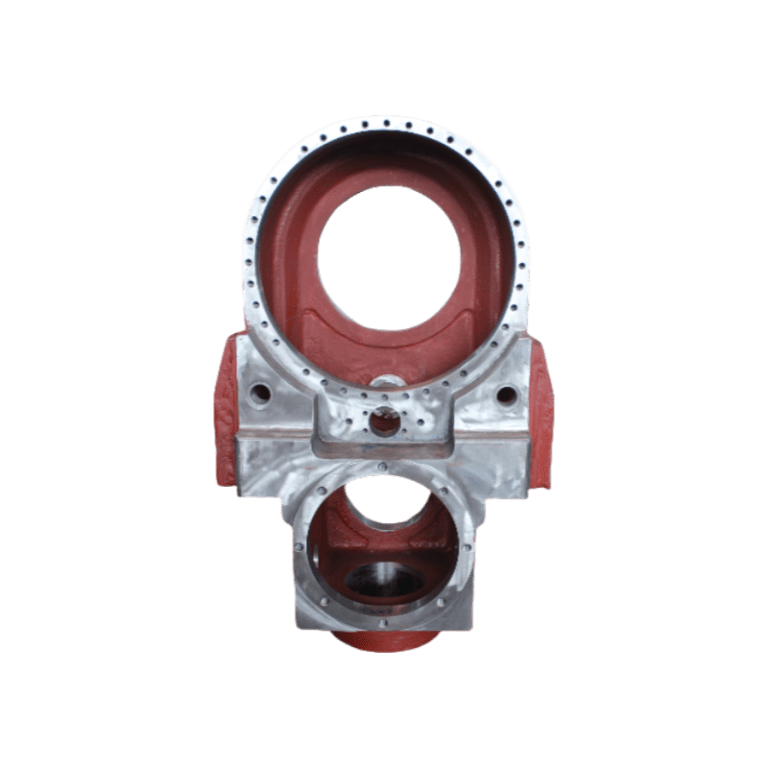
Luoyang Fonyo Heavy Industries Co., בע"מ, נוסדה בשנת 1998, היא יצרנית בחלקי יציקת רכבת. המפעל שלנו משתרע על שטח של 72,600㎡, עם יותר מ 300 עובדים, 32 טכנאים, לְרַבּוֹת 5 מהנדסים בכירים, 11 עוזרי מהנדסים, ו 16 טכנאים. כושר הייצור שלנו הוא 30,000 טונות בשנה. כַּיוֹם, אנחנו מייצרים בעיקר ליהוק, עיבוד שבבי, והרכבה לקטר, קְרוֹנוֹעַ, רכבות מהירות, ציוד כרייה, כוח רוח, וכו.
אנחנו אספקת חלקי הרכבת ל-CRRC(כולל יותר מ 20 חברות סניפים וחברות בת של CRRC), Gemac מכונות הנדסיות, Sanygroup, סיטי תעשיות כבדות, וכו. המוצרים שלנו יוצאו לרוסיה, ארצות הברית, גֶרמָנִיָה, ארגנטינה, יַפָּן, צָרְפַת, דרום אפריקה, איטליה ומדינות אחרות בכל רחבי העולם.