סרוק את קוד WeChat כדי ליצור איתנו קשר
סרוק את קוד WeChat כדי ליצור איתנו קשר
אתם מוזמנים לשלוח לנו מייל ואנו נענה לכם בהקדם האפשרי.
יצירת העתיד בלב ובנשמה


מאחורי כל פעולת רכבת בטוחה ואמינה, אלפי רכיבים פועלים יחד כדי להבטיח תנועה חלקה. ביניהם, את מצמד רכבת is one of the most important but often overlooked railway components.
Located between locomotives, wagons, and passenger coaches, a railway coupler is responsible for connecting vehicles, transferring enormous pulling and pushing forces, and reducing the impact generated during train operation. Although its structure may look simple from the outside, a modern train coupler is a highly engineered component that must withstand millions of load cycles throughout its service life.
From heavy-haul freight trains transporting thousands of tons of materials to high-speed passenger trains and urban metro systems, different railway applications require different coupler designs. Understanding how train couplers work and how they are manufactured helps railway operators and engineers better evaluate safety, אֲמִינוּת, ודרישות תחזוקה.
This article explains the basic functions, common types, key components, תהליך ייצור, and applications of modern railway couplers.
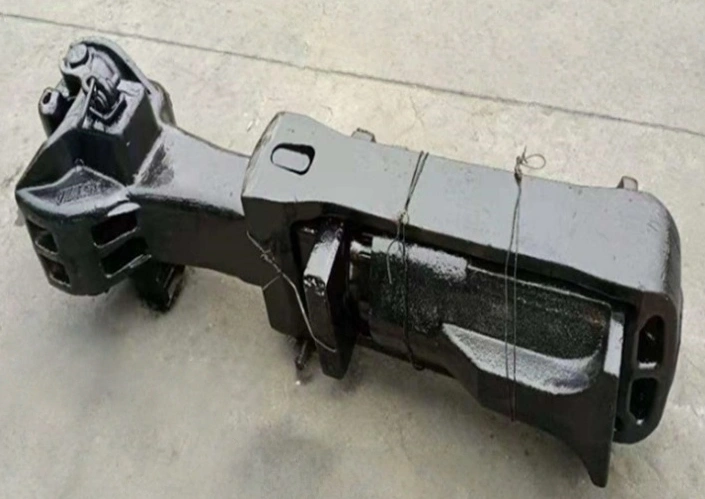
א מצמד רכבת, ידוע גם בשם א railway coupler, is a mechanical device used to connect two railway vehicles together. It allows locomotives and wagons or passenger coaches to operate as a complete train unit.
במבט ראשון, a coupler appears to be only a steel connection device. אוּלָם, its actual role is much more complex. במהלך הפעלת הרכבת, it must transfer traction forces from the locomotive to every vehicle behind it. When braking, it must withstand compression forces created between connected vehicles. במקביל, it needs to absorb shocks caused by starting, סְתִימָה, coupling, and changes in track conditions.
Because of these demanding working conditions, railway couplers require excellent strength, התנגדות לעייפות, וקשיחות השפעה. A failure of a coupler can affect the safety and efficiency of the entire train operation, which is why railway manufacturers and operators apply strict standards for design, בחירת חומר, ובדיקה.
The working principle of a train coupler is based on a secure mechanical connection combined with controlled energy absorption.
When two railway vehicles move close to each other, an automatic coupler can lock the two vehicles together without manual operation. The locking mechanism inside the coupler head ensures that the connection remains secure during operation.
Once connected, the coupler transfers longitudinal forces through the train. During acceleration, the locomotive pulls the following vehicles through the coupler system. During braking or downhill operation, the direction of the force changes, and the coupler must withstand compressive loads from the vehicles behind.
Behind the coupler is usually a draft gear system, which plays an important role in reducing impact. Instead of allowing sudden forces to directly transfer to the vehicle frame, the draft gear absorbs and dissipates part of the energy, improving ride stability and reducing wear on railway vehicles.
This combination of mechanical locking and energy absorption allows trains to operate safely under different conditions, including heavy freight transportation, passenger service, and industrial railway operations.
The primary purpose of a railway coupler is connection, but its responsibilities extend far beyond simply joining two vehicles.
A reliable train coupler must maintain a secure connection under continuous changes in load. Freight trains, especially heavy-haul trains, experience extremely high tensile and compression forces during daily operation. The coupler must transfer these forces while maintaining structural integrity over millions of operating cycles.
Another important function is impact management. When a train starts moving, stops suddenly, or passes through uneven track sections, vehicles may move slightly relative to each other. The coupler and draft gear system work together to control these movements and reduce excessive shocks.
Modern automatic couplers may also integrate additional systems such as brake pipe connections, electrical connections, and communication interfaces. This allows multiple railway vehicles to operate as one coordinated system.
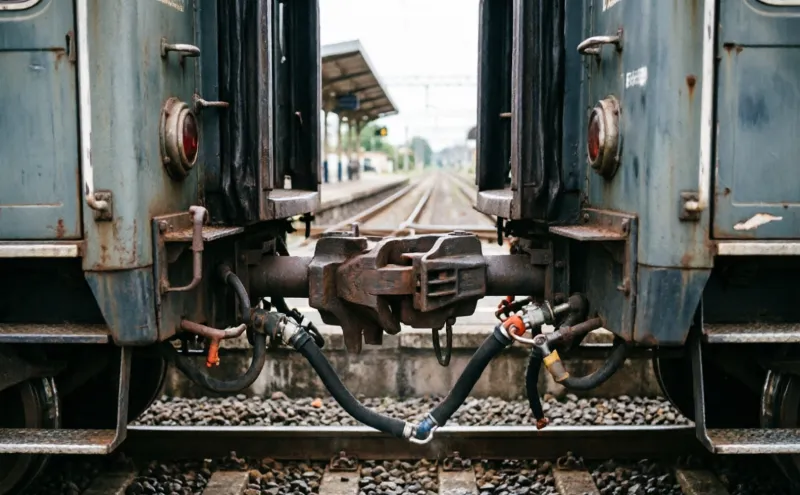
Railway systems around the world use different types of train couplers depending on operating requirements, vehicle design, ותקנים אזוריים.
The Janney coupler, also called the AAR knuckle coupler, is one of the most widely used automatic couplers in freight railway systems, especially in North America.
Its design uses a rotating knuckle mechanism that automatically locks when two vehicles come together. This design eliminates the need for workers to manually connect vehicles, שיפור משמעותי ביעילות התפעולית והבטיחות.
בגלל כושר העמסה והעמידות הגבוהים שלו, מצמד Janney משמש בדרך כלל על עגלות משא הנושאות סחורות כבדות כמו פחם, מינרלים, וחומרים בתפזורת.
המצמד האוטומטי SA3 נמצא בשימוש נרחב ברוסיה וברשתות רכבת אחרות המבוססות על תקנים דומים. הוא פותח עבור יישומי משא כבדים שבהם כושר משיכה גבוה והפעלה אמינה הם חיוניים.
בהשוואה למצמדים קונבנציונליים רבים, מחברי SA3 מתוכננים להתמודד עם כוחות אורך גדולים, מה שהופך אותם למתאימים לרכבות משא ארוכות ולסביבות הפעלה תובעניות.
מצמד Scharfenberg משמש בעיקר ברכבות נוסעים, מערכות מטרו, ורכבות מרובות יחידות.
בניגוד למצמדי משא מסורתיים, הוא משלב חיבור מכני, electrical connection, and pneumatic systems into one compact unit. This allows rapid automatic coupling and improves the efficiency of passenger train operations.
High-speed trains and modern urban rail vehicles often use this type of automatic coupler because of its fast operation and excellent alignment performance.
Tight-lock couplers are designed for applications where reducing movement between vehicles is important.
They are commonly used in passenger coaches because they provide better stability, reduce longitudinal movement, and improve passenger comfort during operation.
Rotary couplers are specially designed for industrial railway applications such as mining and bulk material transportation.
העיצוב הייחודי שלהם מאפשר לקרונות הרכבת להסתובב במהלך הפריקה תוך שהם נשארים מחוברים לרכבת. זה משפר את היעילות בפעולות שבהן יש להעביר ולפרוק כמויות גדולות של חומרים ברציפות.
למרות שלמצמדי רכבות יש עיצובים שונים בהתאם ליישומים שלהם, רוב מערכות מצמדי הרכבת המודרניות מורכבות ממספר רכיבים מרכזיים הפועלים יחד כדי להשיג חיבור בטוח והעברת כוח.
ה ראש מצמד הוא החלק הקדמי של המערכת שמתחבר ישירות לרכב אחר. במצמדים אוטומטיים, הראש מכיל את מנגנון הנעילה המאפשר לשני כלי רכב להתחבר בצורה מאובטחת ללא הפעלה ידנית. העיצוב של ראש המצמד משפיע ישירות על אמינות החיבור וביצועי נשיאת העומס.
מאחורי ראש המצמד נמצא ה שוק מצמד, שמעביר כוחות מראש המצמד למבנה הרכב. במהלך הפעלת הרכבת, השוק חווה עומסי מתיחה ולחיצה חוזרים ונשנים, אז זה דורש חוזק מכני מעולה ועמידות בפני עייפות.
ה מנגנון נעילה הוא עוד חלק קריטי של המצמד. זה מבטיח שהחיבור יישאר מאובטח במהלך האצה, בְּלִימָה, ורטט. מערכת נעילה אמינה מונעת ניתוק מקרי וחיוני לבטיחות הרכבת.
ה draft gear system מותקן מאחורי המצמד ואחראי על ספיגת אנרגיית ההשפעה. כשרכבת מתחילה, מפסיק, או משנה מהירות, ציוד הטיוטה מפחית את העברת הכוח הפתאומי ומגן הן על המצמד והן על גוף הרכב מפני מתח מוגזם.
ה עול מצמד ורכיבי הרכבה חבר את מערכת המצמדים למסגרת רכבת הרכבת. These parts must maintain accurate alignment and withstand long-term operational loads.
Although each component performs a different function, they operate as one complete system. The performance of a train coupler depends not only on individual parts but also on the accuracy of assembly, material quality, and manufacturing control.
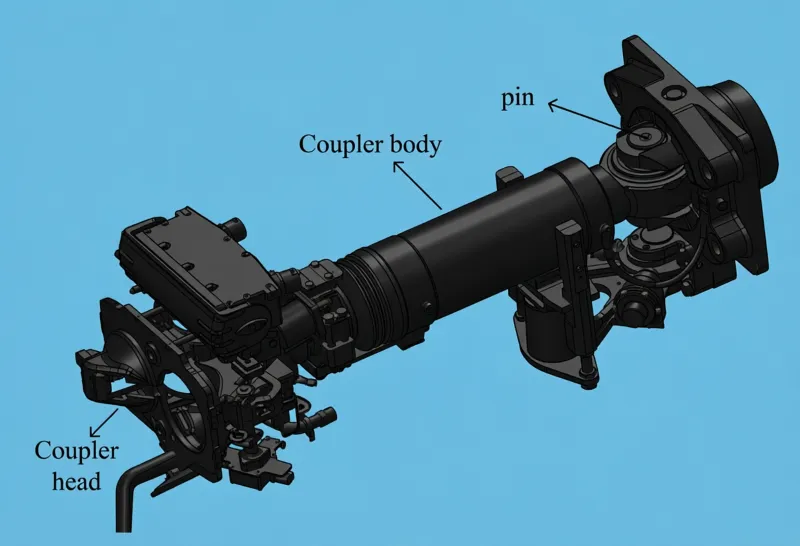
Train couplers operate under extremely demanding conditions. They must withstand repeated impact, high tensile loads, compression forces, וחשיפה סביבתית. לָכֵן, material selection plays a major role in determining service life and reliability.
Most heavy-duty railway couplers are manufactured using high-strength steel or alloy steel. These materials provide a good balance between strength, קְשִׁיחוּת, התנגדות ללבוש, וביצועי עייפות.
ליציקות רכבת גדולות, cast steel is commonly selected because it allows manufacturers to produce complex shapes while maintaining high structural strength. לאחר הליהוק, heat treatment processes such as normalizing, מרווה, or tempering are often applied to improve mechanical properties and achieve the required toughness.
In some applications where extremely high strength and impact resistance are required, forged steel components may also be used. The choice between casting and forging depends on the coupler design, תנאי טעינה, production requirements, ותקני רכבת ישימים.
Regardless of the manufacturing method, the final component must achieve consistent mechanical properties throughout the entire structure. Internal defects, poor heat treatment, or improper material selection can significantly reduce the service life of a railway coupler.
תהליך הייצור של מצמד רכבת דורש בקרה מדויקת מהכנת חומר הגלם ועד לבדיקה הסופית.
עבור פלדה יצוקה מצמדי רכבת, הייצור מתחיל בדרך כלל בהמסת פלדה ובקרת הרכב כימי. הפלדה המותכת מוכנה בקפידה כדי להשיג את החוזק והקשיחות הנדרשים. לאחר הליהוק, גוף המצמד עובר ניקוי וטיפול בחום כדי לשפר את המבנה הפנימי והביצועים המכניים שלו.
לאחר מכן מבוצע עיבוד שבבי באזורים קריטיים שבהם יש חשיבות לדיוק הממדים, כמו משטחי חיבור, חורי הרכבה, ורכיבי נעילה. אפילו סטיות ממדיות קטנות יכולות להשפיע על ביצועי הצימוד, כך שדיוק העיבוד נשלט בקפידה.
לאחר עיבוד שבבי, כל מצמד חייב לעבור הליכי בדיקה קפדניים. בהתאם לדרישות הלקוח ותקני הרכבת, בדיקות עשויות לכלול בדיקות אולטרסאונד, בדיקת חלקיקים מגנטיים, מדידת מימדים, בדיקת קשיות, ואימות נכס מכני.
ניתן לסכם תהליך ייצור טיפוסי כ:
הכנת פלדה → יציקה או פרזול → טיפול בחום → עיבוד שבבי → בדיקה לא הרסנית → בדיקה סופית
אוּלָם, ייצור מצמד רכבת אמין אינו רק השלמת שלבים אלה. האתגר האמיתי הוא שמירה על איכות עקבית לאורך כל שלב הייצור.
מכיוון שמצמדי רכבות הם רכיבים קריטיים לבטיחות, מפעילי רכבת דורשים בקרת איכות קפדנית לפני כניסתם לשירות.
בדיקה חזותית היא בדרך כלל הצעד הראשון, שבו מהנדסים בודקים את מצב פני השטח, איכות עיבוד, ופגמים חיצוניים אפשריים.
שיטות בדיקה לא הרסניות נמצאות בשימוש נרחב לזיהוי פגמים פנימיים או משטחים שלא ניתן לראות בעין בלתי מזוינת. בדיקות אולטרסאונד עוזרות לזהות אי רציפות פנימיות, בעוד שבדיקת חלקיקים מגנטיים משמשת בדרך כלל לזיהוי סדקי שטח ברכיבי פלדה.
בדיקת מימד היא גם חיונית מכיוון שהמצמד חייב להתאים במדויק למערכת חיבור הרכב המתאימה. מידות לא נכונות עלולות להוביל לביצועי צימוד גרועים, בלאי יתר, או בעיות תפעוליות.
בנוסף לבדיקת ייצור, מפעילי רכבת בדרך כלל מבצעים בדיקות תחזוקה שוטפות במהלך השירות. בלאי של אזורי נעילה, סדקים, דֵפוֹרמַצִיָה, ותנועה חריגה הם פריטים נפוצים שנבדקים במהלך תחזוקה.
תוכנית בדיקה מתוכננת היטב מסייעת במניעת כשלים בלתי צפויים ומאריכה את חיי השירות של מצמדי רכבת.
Train couplers are used across almost every type of railway vehicle, but different applications require different designs.
ב רכבות משא, מצמדים must withstand extremely high loads because freight wagons often carry heavy materials over long distances. Heavy-haul railways transporting minerals, coal, and bulk goods place some of the highest demands on coupler strength and durability.
ב passenger railway systems, couplers focus more on operational comfort, בְּטִיחוּת, and quick connection. Modern passenger trains often use automatic couplers that integrate mechanical, electrical, and pneumatic connections.
עֲבוּר metro and urban rail systems, compact automatic couplers allow rapid train formation and efficient daily operation. These systems are designed for frequent coupling cycles and high passenger service requirements.
מסילות ברזל תעשייתיות, כולל מערכות כרייה ותחבורה במפעלים, עשוי לדרוש עיצובי מצמד מיוחדים כגון מצמדים סיבוביים כדי לעמוד בדרישות הטעינה והפריקה הספציפיות.
כיצד לבחור יצרן מצמד רכבות אמין?
בחירת הספק הנכון של מצמדי רכבת דורשת יותר מבדיקת מידות המוצר או המחיר. מכיוון שמצמדים משפיעים ישירות על בטיחות הרכבת, היצרנים חייבים להיות בעלי יכולות חזקות בבקרת חומרים, טכנולוגיית ייצור, ואבטחת איכות.
יצרן אמין צריך להבין את תנאי תפעול הרכבת ולהיות מסוגל לספק מוצרים העומדים בתקנים בינלאומיים שונים ובדרישות הלקוח.
ניסיון בייצור חשוב במיוחד עבור רכיבי רכבת מורכבים. חברות עם ניסיון ביציקת פלדה, טיפול בחום, עיבוד שבבי, and inspection are better positioned to control product quality from the beginning of production.
בנוסף, advanced testing equipment and complete traceability systems help ensure that every component can be reliably verified throughout its service life.
Luoyang Fonyo Heavy Industries Co., בע"מ. is a professional manufacturer specializing in רכיבי רכבת, railway bogie parts ו גלגלי רכבת. נוֹסַד בְּ 1998, the company has more than two decades of experience in steel casting, עיבוד שבבי, טיפול בחום, and assembly for railway applications.
With a factory area of 72,600㎡ and an annual casting production capacity of 30,000 טונות, FONYO provides reliable railway components for locomotives, עגלות משא, רכבות נוסעים, ומערכות רכבת תעשייתיות. The company’s product range covers גלגלי רכבת, רכיבי בוגי רכבת, בתי תיבת סרן, בתי תיבת הילוכים, and other critical railway structural parts used in demanding operating environments.
Through advanced manufacturing capabilities and strict quality control, כולל ליהוק, טיפול בחום, עיבוד מדוייק, בדיקות אולטרסאונד, בדיקת חלקיקים מגנטיים, ובדיקת מימדים, FONYO ensures that every component meets the required standards for strength, עֲמִידוּת, and long-term service performance.
With extensive experience in railway manufacturing, FONYO continues to provide customized railway component solutions for global customers seeking reliable quality, advanced production capability, and long-term cooperation.