Scannez le code WeChat pour nous contacter
Scannez le code WeChat pour nous contacter
N'hésitez pas à nous envoyer un email et nous vous répondrons dans les plus brefs délais.
Créer l'avenir avec cœur et âme


Le manganèse présent dans l'acier est l'un des éléments d'alliage les plus importants utilisés dans la métallurgie moderne.. Il joue un rôle clé dans l’amélioration de la force, dureté, trempabilité, et performances de travail à chaud. Dans les applications industrielles, especially in composants ferroviaires en acier moulé, manganese helps ensure stable mechanical properties under heavy loads, vibration, and long-term fatigue conditions. Understanding the role of manganese in steel is essential for selecting suitable materials for engineering and railway applications.
Manganese (Manganese) is an alloying element added during steelmaking to improve both chemical stability and mechanical performance.
In steel, manganese is mainly used for:
These functions make manganese essential in both cast and forged steels used in industrial and railway engineering.
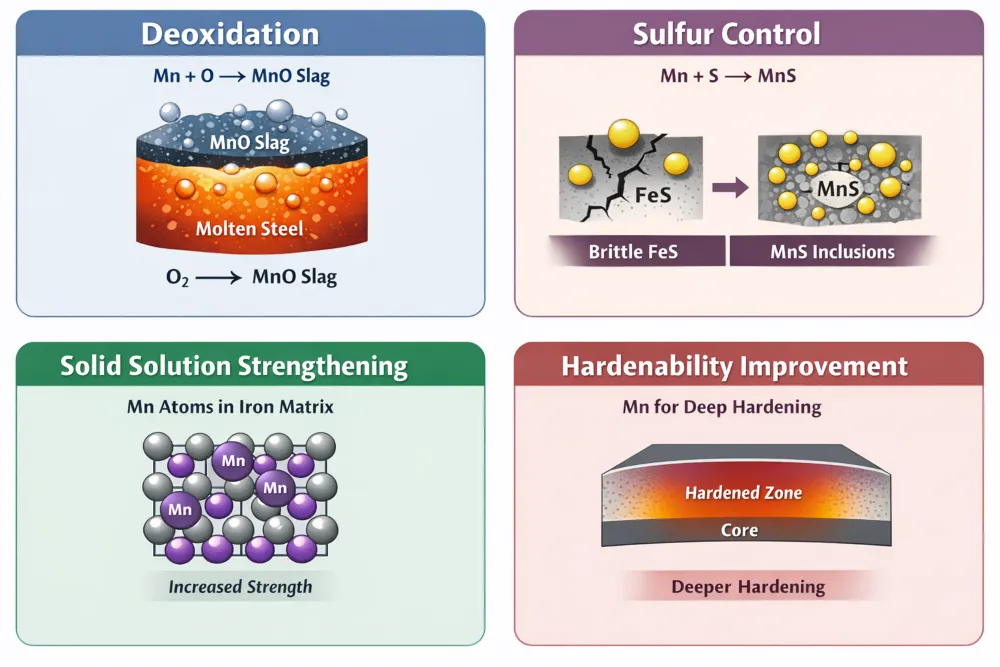
Manganese improves steel performance in several important ways:
1. Deoxidation
It reduces oxygen content in molten steel, improving cleanliness and reducing internal defects such as porosity.
2. Sulfur Control
Manganese combines with sulfur to form manganese sulfide (MnS), preventing brittle iron sulfide (FeS) and reducing hot shortness during forging and rolling.
3. Strengthening Effect
It provides solid-solution strengthening, improving tensile strength and wear resistance.
4. Hardenability Improvement
Manganese increases the depth and uniformity of hardness during heat treatment, which is important for structural components.
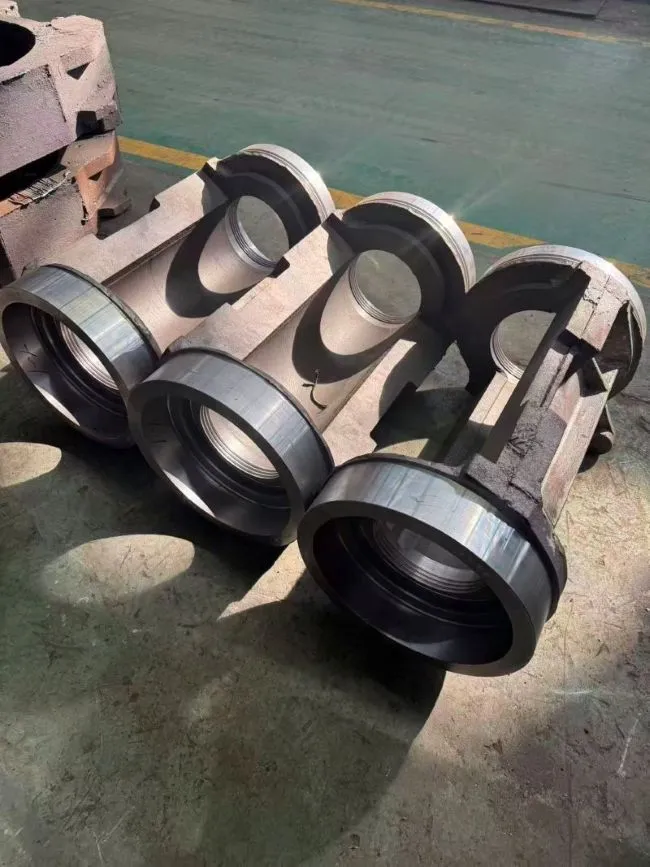
Dans acier moulé, manganese is widely used to stabilize mechanical properties and improve casting quality.
Les applications typiques incluent:
Manganese helps reduce casting defects and improves overall reliability in large-section steel parts.
| Steel Grade | Mn Content (%) | Type | Application |
| Q235B | 0.30–0.70 | Low-carbon steel | Structural components |
| 45 Acier | 0.50–0.80 | Medium carbon steel | Mechanical parts |
| Alloy steel (general) | 0.80–1.50 | Low-alloy steel | Cast and forged components |
In most engineering steels, manganese content is typically controlled between 0.5% et 1.5%, depending on required strength and processing conditions.
High manganese steel refers to steels containing approximately 10%–14% Mn.
A well-known example is:
Hadfield Steel
Key properties:
Cependant, it is not commonly used for structural steel components due to:
It is mainly used for extreme wear applications such as crusher parts and impact-resistant components.
| Type | Mn Content (%) | Force | Wear Resistance | Machinability | Typical Use |
| Low Mn steel | <0.8 | Moyen | Low | Good | Structural parts |
| Medium Mn steel | 0.8–1.5 | Haut | Modéré | Modéré | Engineering steel components |
| High Mn steel | 10–14 | Très élevé (work hardened) | Excellent | Poor | Wear-resistant parts |
In most industrial applications, medium manganese steel is the most widely used category.
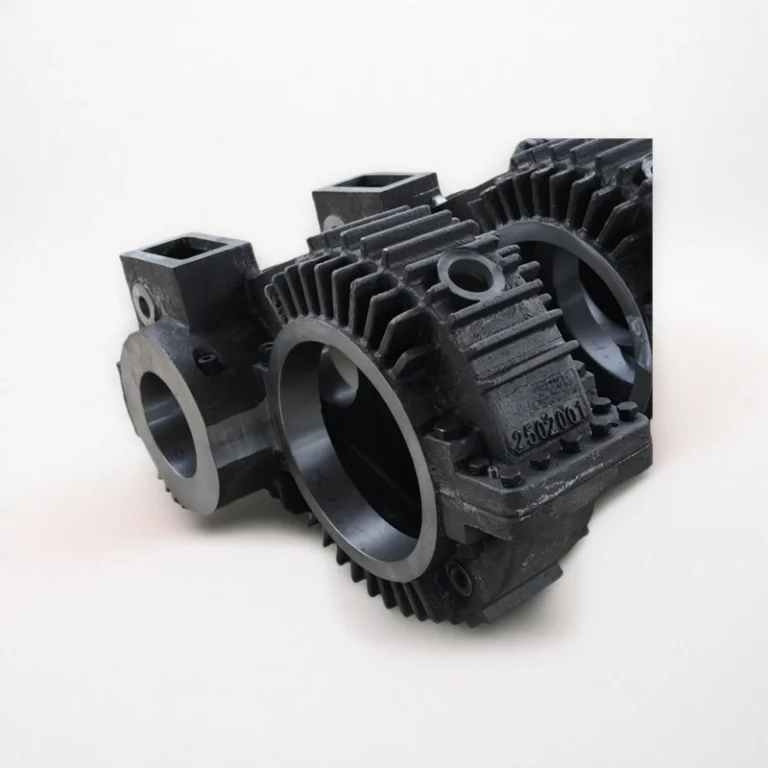
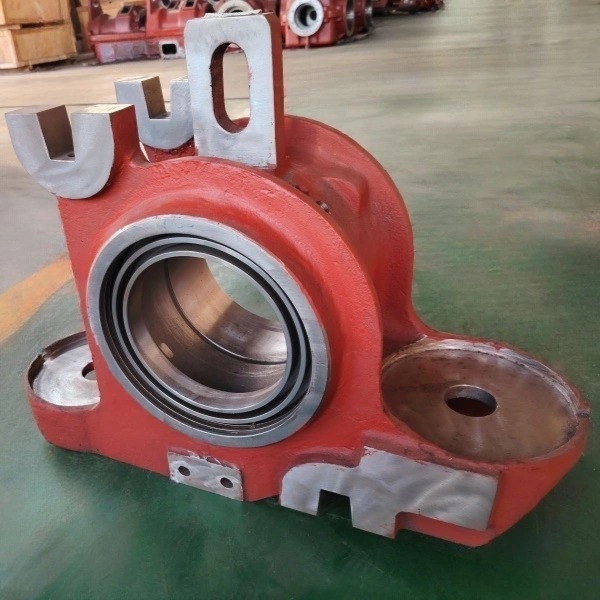
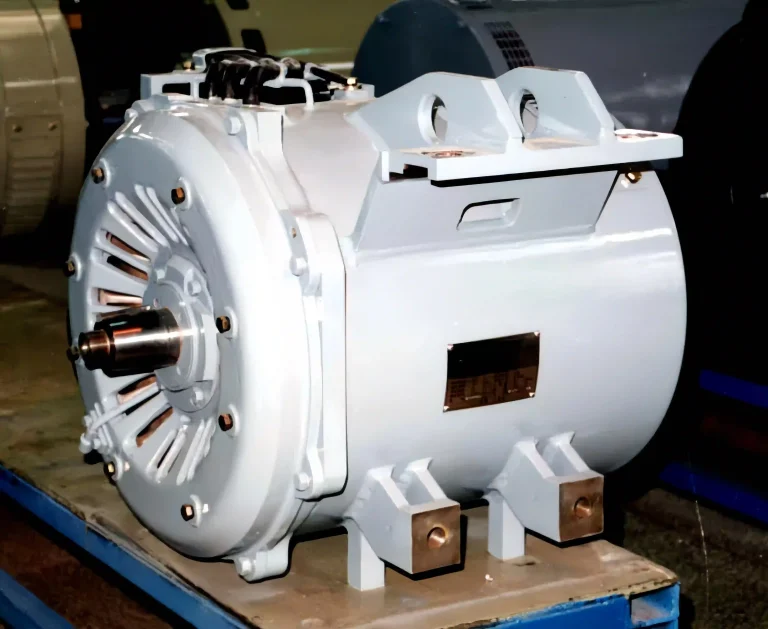
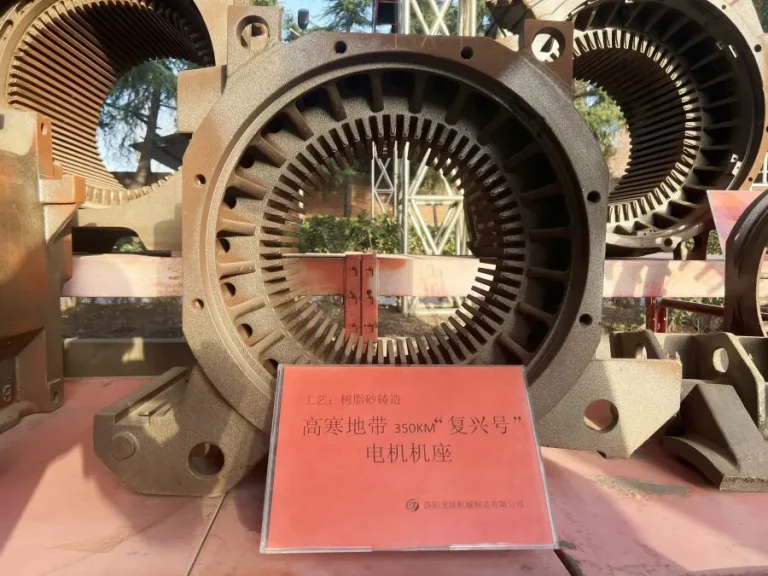
En ingénierie ferroviaire, manganese plays an important supporting role in composants en acier moulé tel que:
These components must withstand:
Manganese contributes to improved:
Cependant, manganese is only one part of a complete material system that includes carbon, silicon, chrome, and other alloying elements.
Manganese in steel is a critical alloying element that significantly improves mechanical properties, processing behavior, and structural stability.
While it is not the only factor determining steel performance, it plays an essential role in both cast and forged steels, especially in demanding applications such as railway cast steel components.
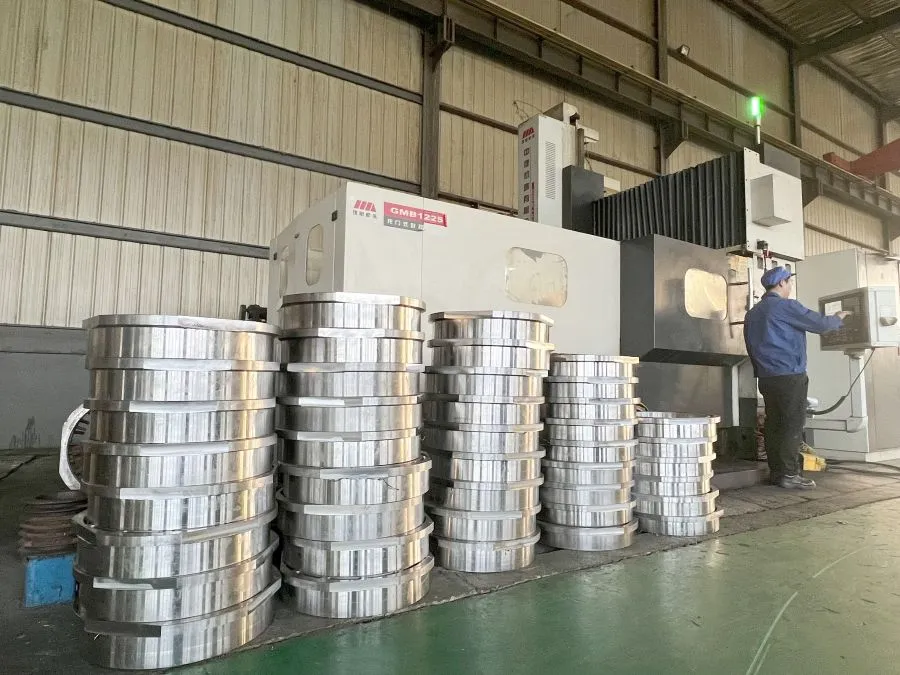
Luoyang Fonyo Heavy Industries Co., Ltée. specializes in manufacturing railway cast steel components and forged railway parts with controlled material composition to ensure long-term performance.
We supply high-quality composants ferroviaires en acier moulé and forged parts with strictly controlled chemical composition. Pour plus d'informations, s'il vous plaît visitez www.railwaypart.com