Scannez le code WeChat pour nous contacter
Scannez le code WeChat pour nous contacter
N'hésitez pas à nous envoyer un email et nous vous répondrons dans les plus brefs délais.
Créer l'avenir avec cœur et âme


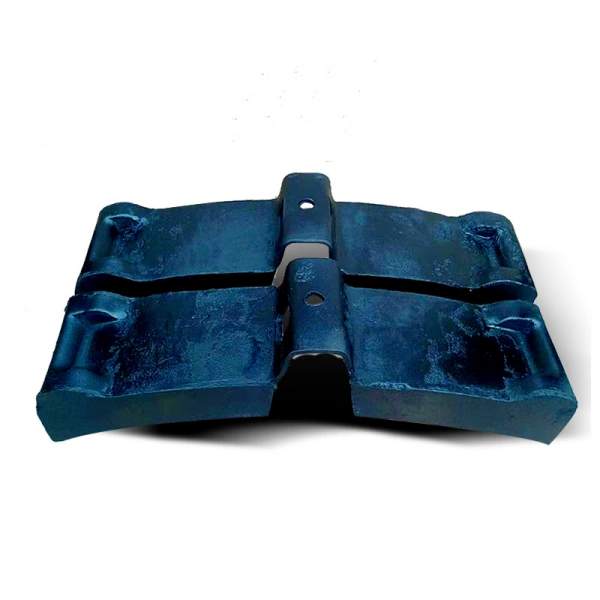
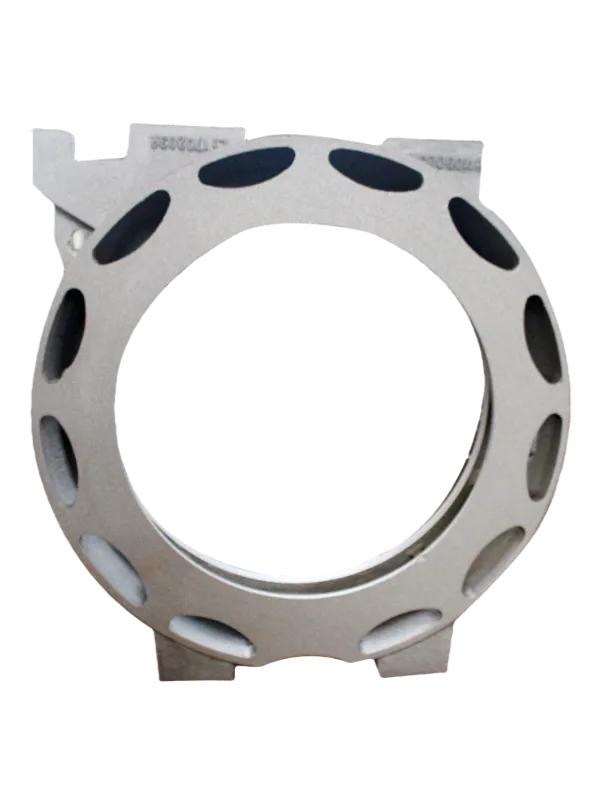
The safety and efficiency of railway transportation are deeply rooted in the quality of every core component. Among various manufacturing processes, precision casting stands out as a key technology for enhancing the service life and reliability of pièces ferroviaires due to its advantages in precision, materials and structure. This process directly improves the intrinsic quality and external performance of products by precisely controlling the manufacturing process, thereby meeting the railway industry’s strict requirements for safety and durability.
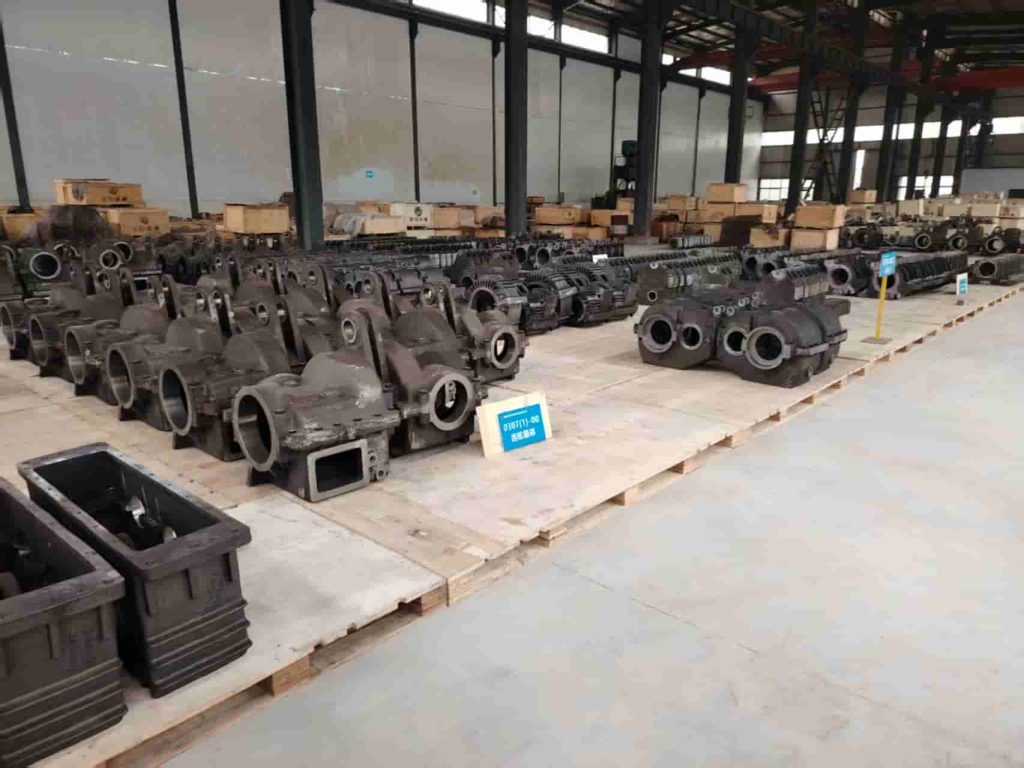
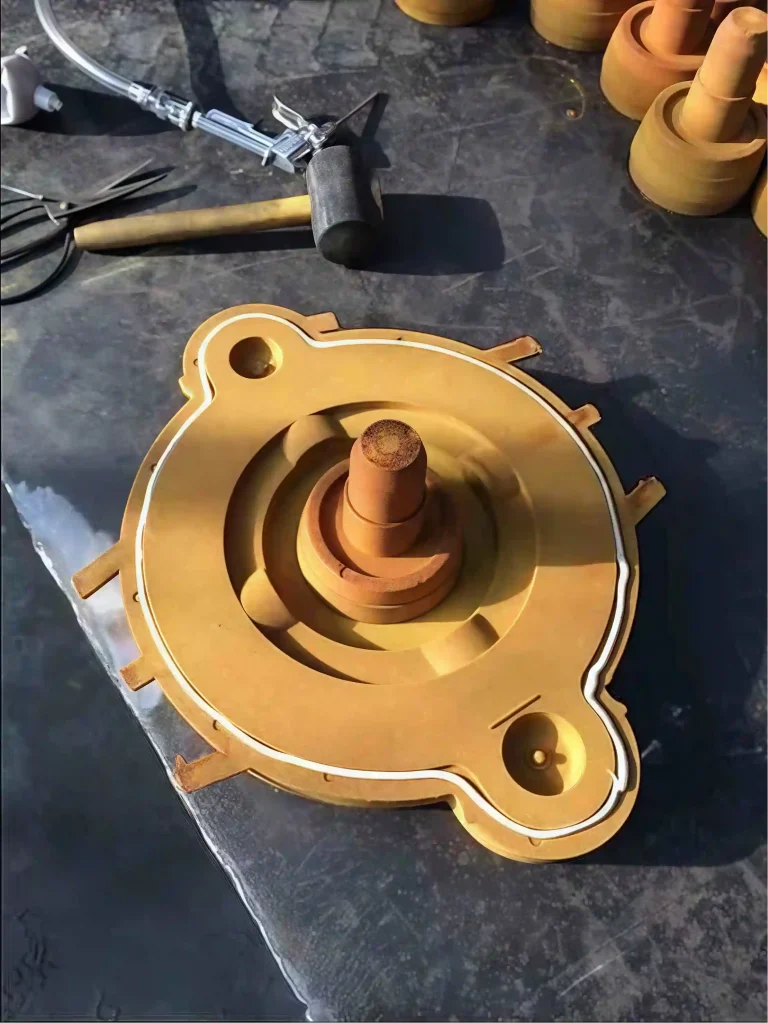
Precision casting, often referred to as investment casting, involves key steps such as making wax patterns, assembling the pattern clusters, coating with refractory materials, dewaxing, baking, and pouring molten metal. The most notable feature of this process is its ability to produce metal parts with complex structures, precise dimensions, and smooth surfaces in a single operation. For irregularly shaped or internally hollow railway components, precision casting can achieve near-final shapes, significantly reducing subsequent mechanical processing. This not only saves materials and labor hours but also avoids surface damage and internal stress concentration caused by processing, ensuring the integrity of the parts from the source.
Composants ferroviaires, such as couplers, bogie parts and brake system components, are constantly subjected to impact, vibration and cyclic loads. Internal defects common in traditional casting, such as porosity, shrinkage and inclusions, can become stress concentration points and gradually evolve into fatigue cracks during long-term use, leading to premature failure of the parts.
2.1 Precision casting effectively reduces these internal defects by strictly controlling the smelting, pouring temperature and cooling rate.
Par exemple, when casting high-strength couplers, advanced smelting techniques can significantly reduce the gas and impurity content in the molten steel. Entre-temps, by controlling the solidification sequence of the casting, metal can be guided to solidify from areas far from the critical stress-bearing parts first, and finally solidify in the areas that need feeding, thereby eliminating shrinkage cavities and porosity and obtaining a denser metal structure. Alloy steel parts produced by precision casting have a finer and more uniform grain structure, which simultaneously enhances the material’s fatigue strength, toughness and wear resistance. Actual tests show that the fatigue life of some key components made by precision casting can be increased by more than 30% compared to ordinary castings.
2.2 In terms of structure, precision casting can design and cast components that traditionally require assembly from multiple parts as a single unit. This integrated structure eliminates the weak links caused by welding or bolted connections, allowing for smoother transmission of force and resulting in higher overall rigidity and strength.
3.1 The railway network is a vast system that demands a high degree of interchangeability among its components. Precision casting technology can stably control the dimensional tolerances of parts within a strict range, ensuring the consistency of components produced in different batches.
3.2 This high precision brings multiple benefits.
Premièrement, during the assembly process, parts can be easily and accurately installed in place, reducing the internal stress or damage caused by forced assembly.
Deuxièmement, high-precision components can form the best working condition with mating parts during operation, with uniform force distribution, avoiding problems such as local abnormal wear, jamming or poor sealing caused by dimensional deviations. Taking the precision brake system valve parts as an example, the internal oil channels and mating clearances can be directly formed through casting, ensuring the accuracy and reliability of the braking response and reducing the risk of leakage.
En outre, the high surface finish that can be achieved through precision casting itself can reduce the frictional resistance and wear rate between moving parts.
Railway accessories are exposed to multiple factors such as moisture, rain and snow, salt, vibration and shock for a long time. Corrosion and wear are the main reasons for their performance degradation.
Precision casting enhances the environmental resistance of components in two ways.
4.1 On one hand, this process facilitates the selection of high-performance materials. Depending on the specific application environment, materials such as weathering steel, stainless steel, or special high-temperature alloys can be chosen for casting. These materials inherently possess excellent corrosion resistance and high-temperature oxidation resistance.
4.2 D'autre part, the dense and uniform surface formed by precision casting itself serves as an effective protective barrier, slowing down the penetration of corrosive media. For certain specific parts, a machining allowance can be reserved during casting, laying a solid foundation for subsequent surface heat treatments (such as nitriding or carburizing-nitriding) or the application of wear-resistant coatings, ensuring that the parts have a tough core to withstand impacts and a hard surface to resist wear.
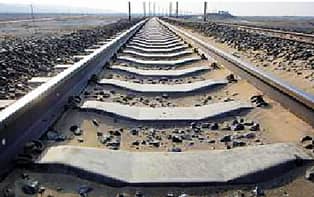
5.1 À l'heure actuelle, precision casting technology has been widely applied in the manufacturing of advanced railway equipment both at home and abroad. From turbine blades of locomotive engines to high-strength couplers of freight cars, from accessories of high-speed train bogies to precision components of signal systems, the presence of precision casting products can be found everywhere.
5.2 Operational data indicates that the average mean time between failures of core components manufactured using precision casting technology has significantly increased. Components that previously required frequent inspection or replacement now have a much longer maintenance cycle. This not only directly reduces the material and labor costs for railway operation departments but, plus important encore, by enhancing the inherent reliability of the components, it provides a more solid material foundation for the safe and punctual operation of the entire railway system.
5.3 Precision casting is not merely a simple replication of shapes; it is a manufacturing method that significantly enhances the internal and external quality of metal parts through in-depth control of materials, processes, and structures. For the railway industry, adopting and deepening the application of precision casting technology means injecting longer lifespan genes and higher reliability guarantees into components from the manufacturing source. With the continuous progress and innovation of this process, it will undoubtedly play an irreplaceable key role in promoting the modernization of railway equipment and ensuring transportation safety.
Luoyang Fonyo Heavy Industries Co., Ltée, fondée en 1998, est un fabricant de pièces moulées ferroviaires. Notre usine couvre une superficie de 72 600㎡, avec plus de 300 employés, 32 techniciens, y compris 5 ingénieurs supérieurs, 11 ingénieurs adjoints, et 16 techniciens. Notre capacité de production est 30,000 tonnes par an. Actuellement, nous produisons principalement du moulage, usinage, et montage pour locomotive, wagon, trains à grande vitesse, équipement minier, énergie éolienne,etc..
Nous sommes la fourniture de pièces ferroviaires au CRRC(dont plus de 20 succursales et filiales de CRRC), Machines d'ingénierie Gemac, Groupe Sany, Industries lourdes Citic, etc.. Nos produits ont été exportés vers la Russie, les États-Unis, Allemagne, Argentine, Japon, France, Afrique du Sud, Italie et autres pays du monde.