Scannez le code WeChat pour nous contacter
Scannez le code WeChat pour nous contacter
N'hésitez pas à nous envoyer un email et nous vous répondrons dans les plus brefs délais.
Créer l'avenir avec cœur et âme


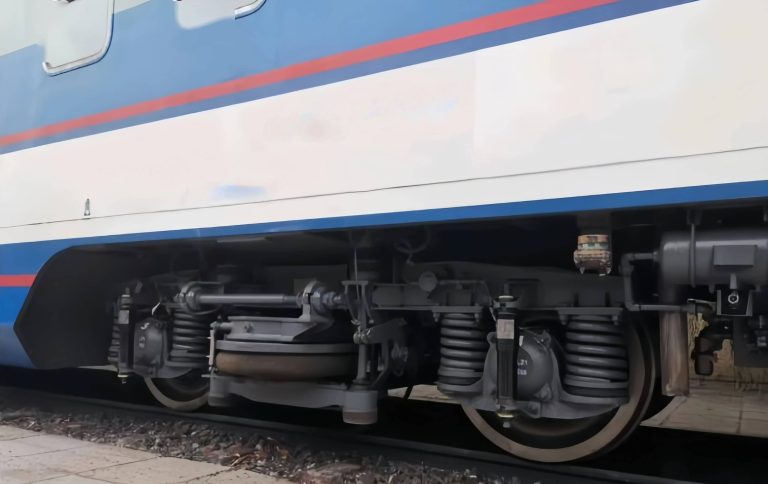
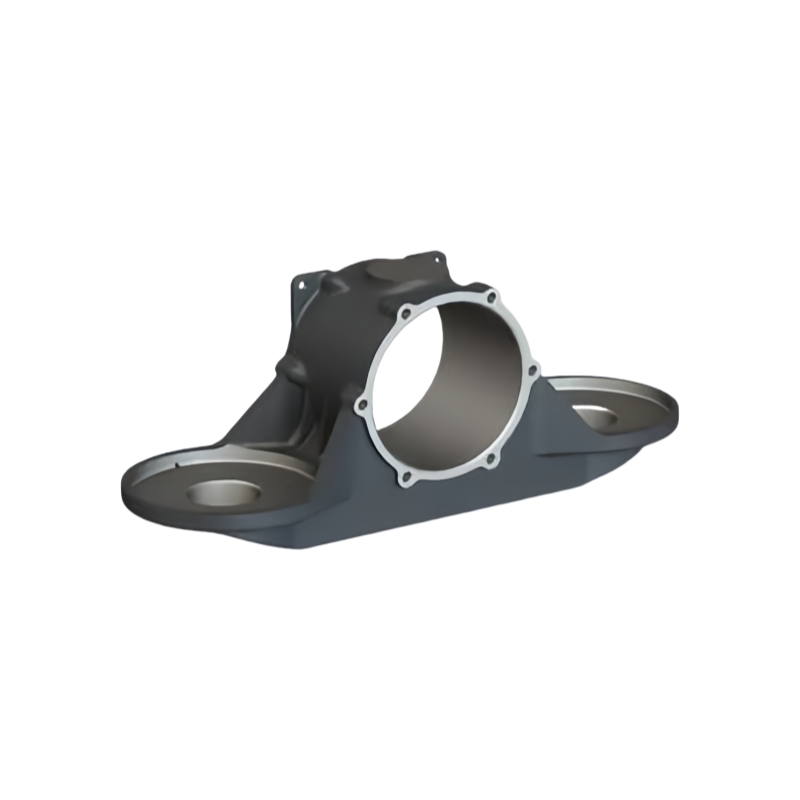
Behind the high-speed rail, there is a seemingly inconspicuous but crucial component – le boîte d'essieu, which is like the “foot joint” of the high-speed rail. The wheels rotate rapidly on the track, and the axle box silently supports it to ensure the smooth operation of the train. When the high-speed rail is running at a speed of 350 kilomètres par heure, the wheels and the track are in violent friction, and the bearings inside the axle box run at high speed, which generates a lot of heat. If this heat cannot be dissipated in time, the axle temperature will rise sharply, the bearing may be damaged, and then affect the safety of train operation. Donc, the heat dissipation of the axle box has become a key link to ensure the safe operation of the high-speed rail, and the design of the cooling fins plays a core role in it.
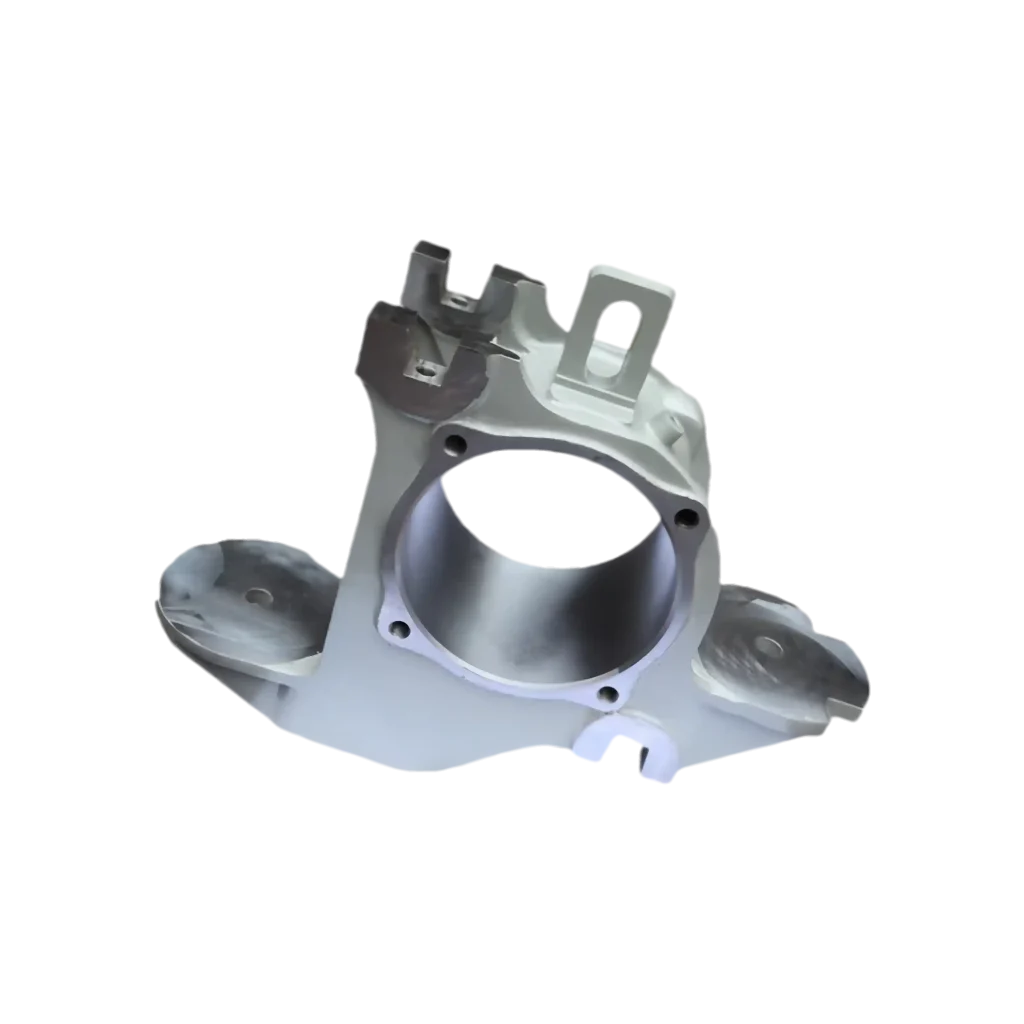
The design principle of the cooling fin is mainly based on the three basic heat transfer methods: heat conduction, convection and radiation. From the perspective of heat conduction, the heat generated by the axle box will be quickly transferred to the cooling fins that are in close contact with it. The heat sink fins are usually made of metal materials with excellent thermal conductivity, such as aluminum alloy, which can quickly transfer heat from the inside of the axle box to the surface, preparing for subsequent heat dissipation.
Convection heat dissipation is another key factor in the function of the heat sink fins. The unique structural design of the heat sink fins greatly increases the contact area with the surrounding air. When the train is running at high speed, the air flows quickly through the heat sink fins to form forced convection. This is just like using a fan to bring coolness on a hot summer day. The rapid flow of air accelerates the dissipation of heat. De plus, the shape and arrangement of the heat sink fins are carefully designed to guide the air to flow more smoothly and effectively improve the efficiency of convection heat dissipation.
Radiative heat dissipation also plays a role to a certain extent. After the heat sink fins absorb heat, they radiate heat to the surrounding space in the form of electromagnetic waves. Although radiative heat dissipation accounts for a relatively small proportion of the overall heat dissipation, it can also play a certain auxiliary heat dissipation role when the train is stationary or running at low speed.
In order to find the optimal heat sink fin structure, researchers use advanced thermal simulation analysis technology, such as ANSYS software, for simulation analysis. By simulating the heat dissipation of different fin structures under various working conditions, intuitive, dynamic images are generated to show the process of heat transfer and dissipation clearly. Researchers can intuitively compare the heat dissipation efficiency of different fin structures, just like selecting the most suitable “player” from many solutions so as to select the best solution. This process avoids a lot of physical tests, saves time and cost, and improves R&D efficiency.
Take the improvement plan of reducing the axle temperature of a certain high-speed rail model by 15℃ as an example. Before the improvement, the axle temperature of the axle box of this model was high when running at high speed, which posed certain safety hazards. The research team used thermal simulation analysis technology to simulate and test a variety of heat-dissipation fin structures. After repeated comparisons and optimizations, a new type of heat-dissipation fin structure was finally determined. This new type of fin adopts a wavy surface design, which increases the contact area with the air, and optimizes the spacing and arrangement of the fins to make the airflow smoother. In actual application, the axle temperature of this model was successfully reduced by 15℃, which greatly improved the safety and reliability of train operation and provided a strong guarantee for the safe operation of high-speed rail.
The design of the high-speed rail axle box cooling fins is the result of technology and wisdom. It not only ensures the stability of the axle temperature when the high-speed rail is running at high speed but also protects our travel safety. Avec l’avancée continue de la technologie, I believe that more advanced heat dissipation technology will be applied to the high-speed rail axle box in the future, making the high-speed rail run faster, more stable and safer.
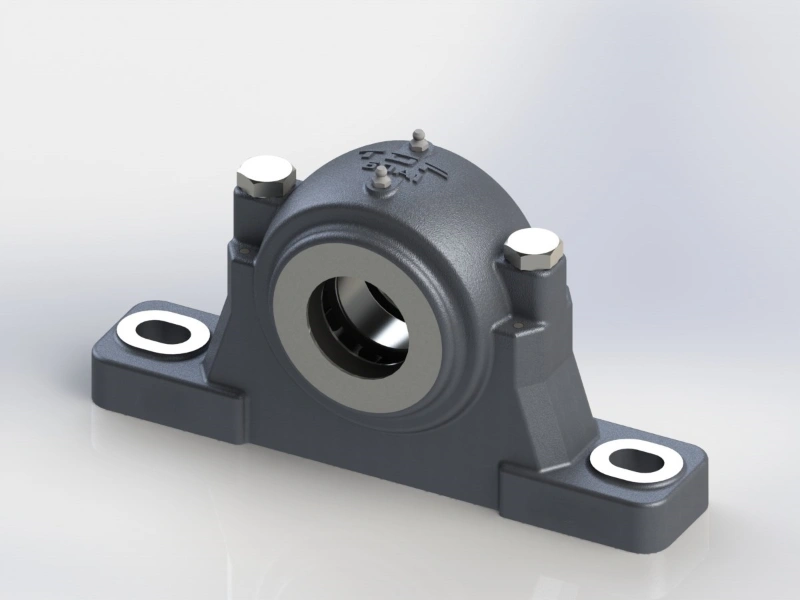
Luoyang Fonyo Heavy Industries Co., Ltée,fondée en 1998, est un fabricant de pièces ferroviaires moulées. Notre usine couvre une superficie de 72 600㎡, avec plus de 300 employés, 32 techniciens, y compris 5 ingénieurs supérieurs, 11 ingénieurs adjoints, et 16 techniciens. Notre capacité de production est 30,000 tonnes par an. Actuellement, nous produisons principalement du moulage, usinage, et montage pour locomotive,wagon,trains à grande vitesse, équipement minier,énergie éolienne,etc. Nos produits ont été exportés vers la Russie, les États-Unis, Allemagne, Argentine, Japon, France, Afrique du Sud,Italie et autres pays.
Contact: Stella Liu
E-mail:[email protected]
Mobile:+8615515351287