Scannez le code WeChat pour nous contacter
Scannez le code WeChat pour nous contacter
N'hésitez pas à nous envoyer un email et nous vous répondrons dans les plus brefs délais.
Créer l'avenir avec cœur et âme


Steel railway castings are strong and durable important components for trains, locomotives, subways and heavy machinery. It involves pouring molten steel into a mold to form the desired shape. This process allows manufacturers to produce parts with complex designs that can handle high pressure and long-term use.
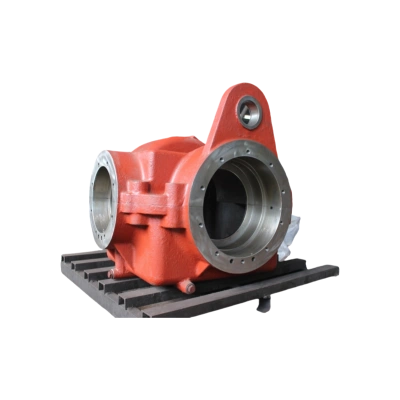
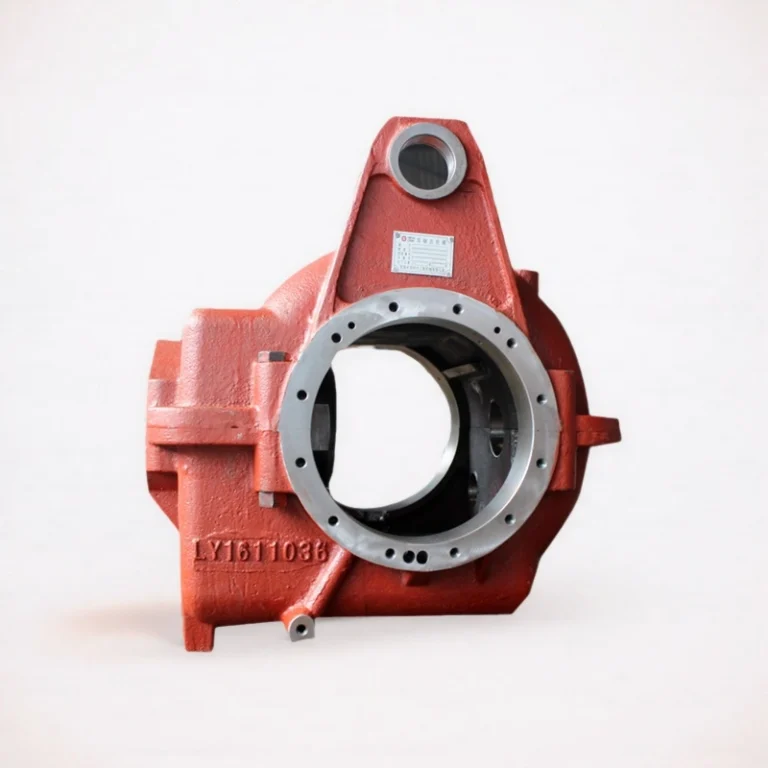
We produced many railway castings such as roues, bogies, boîte d'essieux, housing, carter de boîte de vitesses, couplers, and other railway components. .Steel casting helps produce components that can work safely under heavy loads..
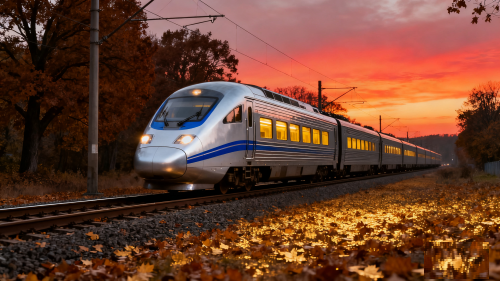
The main advantage of steel railway castings is its ability to create parts that are both tough and precise. Steel casting helps produce components that can work safely under heavy loads and strong vibrations.
De plus, the use of high-quality steel alloys can increases the strength, dureté, and wear resistance of the parts. Par conséquent, these components last longer and require less maintenance.
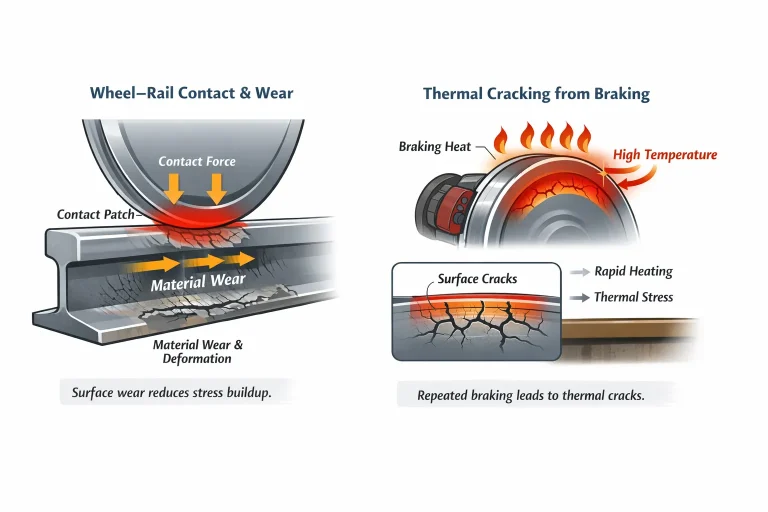
Dans l'industrie ferroviaire, durability is essential. Trains operate under extreme conditions such as high speeds, changements de température, and heavy loads. Donc, every part must meet strict quality standards to ensure safety and performance.
Steel railway castings offers several benefits compared to other manufacturing methods.
D'abord, it allows the creation of complex shapes thatforging or machining cannot easily make.
En outre, it supports different sizes and weights, making it suitable for both large and small equipment.
En outre, the process improves cost efficiency. Since steel casting reduces material waste and machining time, it helps manufacturers save both time and money.
Par conséquent, many railway and machinery companies prefer this method for high-volume production.
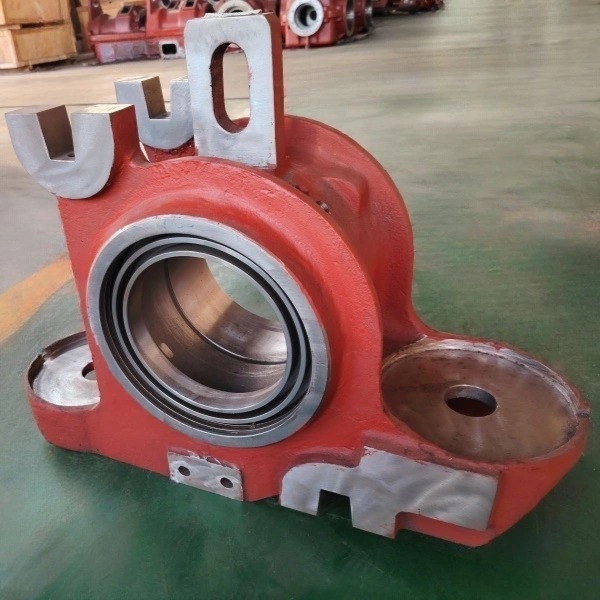
With the help of modern tools such as computer-aided design (CAD) and computer-aided manufacturing (CAM), the quality of steel railway castings has improved greatly. These technologies make it possible to design parts with high accuracy and consistency.
De plus, computer simulations can predict potential casting defects before production begins. This helps reduce errors and improve final product quality.
We widely used Contrôles non destructifs (CND) methods to check the internal structure of cast parts. Donc, each component meets safety and performance requirements before it is delivered to customers.
Aujourd'hui, sustainability is becoming more important in all industries. Fortunately, manufacturers can perform steel railway castings in an eco-friendly way. Many factories now use recycled materials and energy-efficient furnaces to reduce emissions.
En outre, optimizing the melting and cooling stages can help lower energy use and waste. These steps support green manufacturing and align with modern environmental goals.
Although steel railway castings is mainly used for trains, it also plays a big role in other industries. Par exemple, many parts of construction machinery, mining vehicles, and industrial equipment are made through steel casting.
Donc, this process supports not only transportation but also global infrastructure and manufacturing sectors.
As technology continues to advance, steel railway castings will become even more precise and efficient. Automation, robotics, and artificial intelligence are already being introduced into foundries. These changes will make production faster, plus sûr, and more sustainable.
De plus, new steel alloys with improved mechanical performance will allow for lighter yet stronger parts.
En conclusion, steel railway casting remains a key process in producing reliable and durable components for trains and engineering machinery. It combines strength, précision, and sustainability—qualities that define modern industry. À Luoyang Fonyo Heavy Industries Co., Ltée. we are committed to advancing steel casting technology to support the global railway and heavy equipment sectors with innovative, high-performance solutions. Veuillez visiter notre site Web www.railwaypart.com for more information.