Scannen Sie den WeChat-Code, um mit uns Kontakt aufzunehmen
Scannen Sie den WeChat-Code, um mit uns Kontakt aufzunehmen
Schicken Sie uns gerne eine E-Mail und wir werden Ihnen so schnell wie möglich antworten.
Mit Herz und Seele die Zukunft gestalten


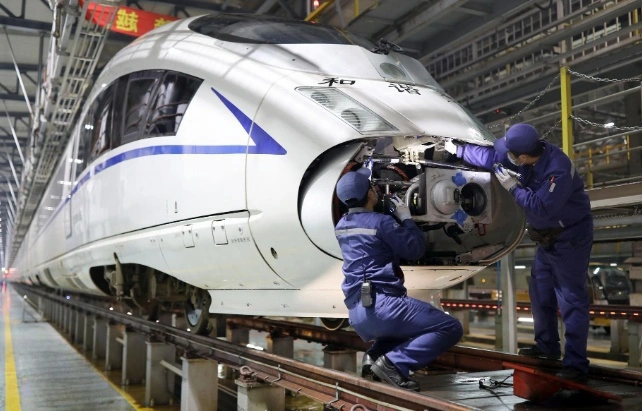
Für Eisenbahngussteile, Sicherheit, Haltbarkeit, und Zuverlässigkeit sind entscheidend. Diese Komponenten bilden das Rückgrat der Bahninfrastruktur, damit sie einwandfrei sein müssen. Choosing the right material isn’t just a design step—it directly impacts safety, Lebensdauer, und Wartungskosten. This guide explains how to select the best materials to meet the tough demands of the rail industry.
Railway castings face extreme conditions: high dynamic loads, intense shock, abrasive wear, and changing weather. Picking the wrong material can lead to fatigue cracks, premature failure, übermäßiger Verschleiß, or even brittle fracture in cold climates. These failures will cause unplanned downtime and major financial losses. A systematic approach to material selection is essential for high-performance railway castings.
Wie wir sehen können, different materials work best for different applications. Here are the most common types used for railway castings.
Cast iron is popular due to its good castability, Verschleißfestigkeit, und Wirtschaftlichkeit.
2.1.1 Sphäroguss: One of the most common choices. Its spherical graphite structure gives it great strength and toughness, plus good wear resistance. Used for critical parts like coupler knuckles, Drehgestellrahmen, Bremsscheiben, and yokes.
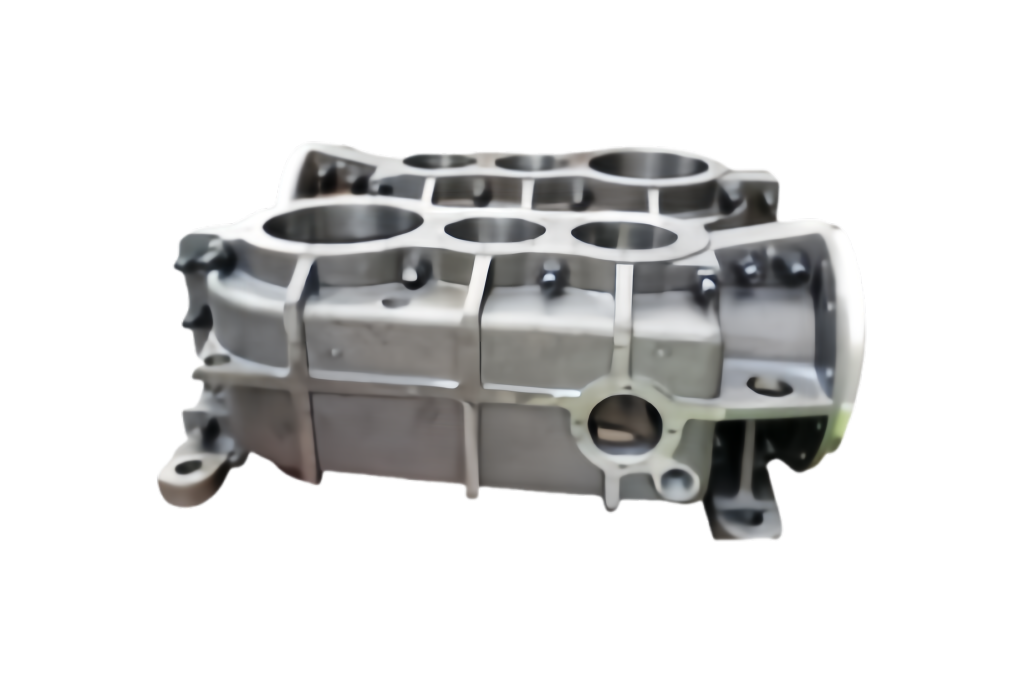
2.1.2 Gray Iron: Known for excellent vibration damping and machinability, but it is brittle. Best for complex-shaped parts under low stress, like gear housings and brake cylinders.
The top choice for parts that must handle high impact and extreme stress.
2.2.1 Carbon Steel Castings: Grades like ZG230-450 offer a solid mix of strength and toughness. Commonly used for structural parts like side frames and bolsters.
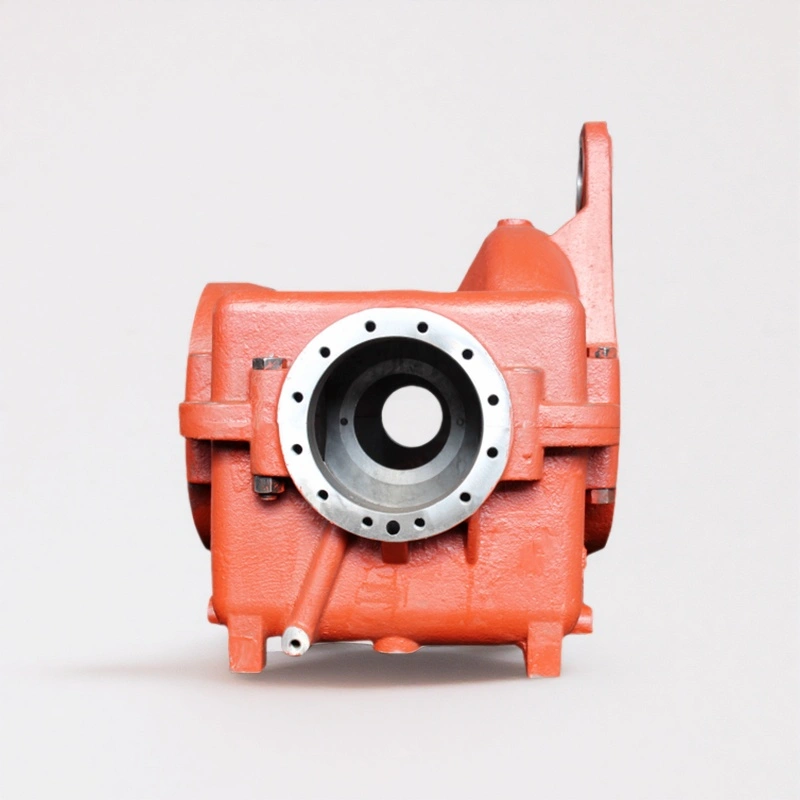
2.2.2 Low-Alloy Steel Castings: Adding elements like manganese or chromium boosts strength, Zähigkeit, and hardenability. Austenitic Manganese Steel is famous for its work-hardening ability and impact abrasion resistance—ideal for crossings, frogs, and switch points.
2.2.3 Borated Steel Castings: Small amounts of boron increase hardenability, creating a very hard, wear-resistant surface. Perfect for components facing extreme abrasion.
Non-ferrous alloys offer special advantages for specific uses.
2.3.1 Cast Copper Alloys: Materials like aluminum bronze provide excellent bearing properties, Korrosionsbeständigkeit, and high thermal conductivity. Often used for bushings, bearing liners, and wear plates.
2.3.2 Cast Aluminum Alloys: Chosen mainly for their light weight. Their lower strength limits them to non-structural parts like equipment enclosures or cabin interiors.
Choosing the right material requires careful analysis of different factors:
3.1 Load Type and Magnitude: Is the part under constant load, or does it face dynamic and shock loads? Für Eisenbahngussteile, Zum Beispiel, Bogie components need the high toughness of ductile iron or cast steel.
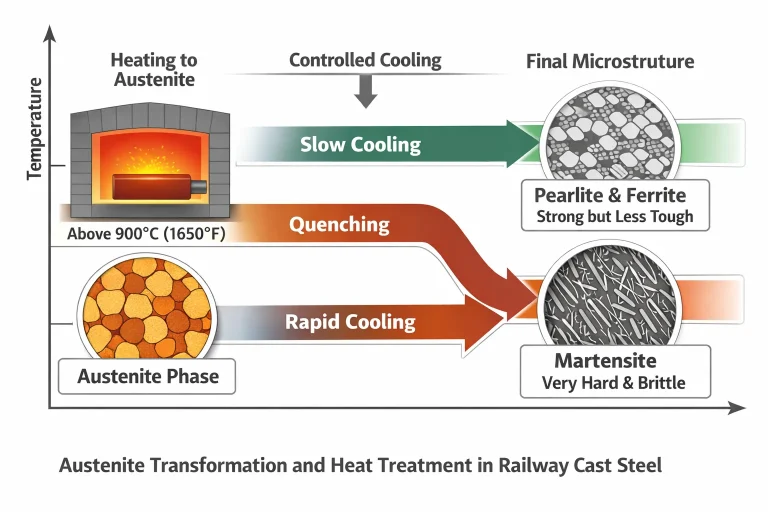
3.2 Wear and Hardness Needs: Parts in friction, like brake discs or track components, need high hardness and abrasion resistance. In this case, Austenitic manganese steel or heat-treated low-alloy steels are often best.
3.3 Toughness and Impact Resistance: Critical for safety. Parts like gearbox housings must absorb high energy without breaking, especially in cold environments. Materials with certified high impact toughness are a must.
3.4 Ermüdungsfestigkeit: Railway parts face constant vibration. The material must resist crack formation over millions of load cycles.
3.5 Environmental and Corrosion Factors: Exposure to weather, Regen, and de-icing salts causes corrosion. Carbon steel may need coatings; sometimes, corrosion-resistant alloys are a better long-term choice.
3.6 Cost and Manufacturability: Balance performance with cost. Consider the total expense: raw material, Gießbarkeit, Bearbeitbarkeit, and heat treatments. Oft, a more expensive material that lasts longer offers a lower total cost of ownership.
| Materialtyp | Main Advantages | Main Limitations | Typische Anwendungen |
| Sphäroguss | Hohe Festigkeit, gute Zähigkeit, wear-resistant, cost-effective | Not as strong as steel in extreme conditions | Coupler knuckles, Drehgestellteile, Bremsscheiben |
| Gray Iron | Excellent vibration damping, easy to machine | Brittle, low impact resistance | Getriebe, brake cylinder bodies |
| Carbon/Low-Alloy Steel | Very high strength, good impact/fatigue resistance | Higher cost, may need corrosion protection | Drehgestellrahmen, Polster, Strukturteile |
| Austenitic Manganese Steel | Excellent impact/wear resistance, hardens under impact | Relatively soft initially, needs impact to harden | Crossings, frogs, Schaltpunkte |
| Cast Copper Alloys | Good bearing properties, corrosion resistant, high thermal conductivity | High cost, lower strength than steel | Bushings, bearing liners, wear plates |
| Cast Aluminum Alloys | Leicht | Lower strength | Equipment enclosures, cabin interiors |
Selecting the right material for railway castings is a critical decision that balances performance, Haltbarkeit, und Kosten. There is no universal solution—the best choice depends on specific service conditions and a precise evaluation of material properties.
Partnering with an experienced foundry is key to success. Luoyang Fonyo Heavy Industries Co., Ltd. specializes in manufacturing high-performance railway castings. We provide expert material selection guidance and deliver components that meet the highest international standards for safety and reliability.
Besuchen www.railwaypart.com to learn more about our capabilities and discuss the perfect casting solution for your railway application. Our team is ready to support your projects with technical expertise and proven quality.