Digitalize o código WeChat para entrar em contato conosco
Digitalize o código WeChat para entrar em contato conosco
Sinta-se à vontade para nos enviar um e-mail e responderemos o mais breve possível.
Criando o futuro com coração e alma


Para fundições ferroviárias, segurança, durabilidade, e confiabilidade são essenciais. Esses componentes são a espinha dorsal da infraestrutura ferroviária, para que eles sejam perfeitos. Choosing the right material isn’t just a design step—it directly impacts safety, vida útil, e custos de manutenção. This guide explains how to select the best materials to meet the tough demands of the rail industry.
Railway castings face extreme conditions: high dynamic loads, intense shock, abrasive wear, and changing weather. Picking the wrong material can lead to fatigue cracks, premature failure, desgaste excessivo, or even brittle fracture in cold climates. These failures will cause unplanned downtime and major financial losses. A systematic approach to material selection is essential for high-performance railway castings.
Como podemos ver, diferentes materiais funcionam melhor para diferentes aplicações. Aqui estão os tipos mais comuns usados para fundições ferroviárias.
O ferro fundido é popular devido à sua boa fundibilidade, resistência ao desgaste, e custo-benefício.
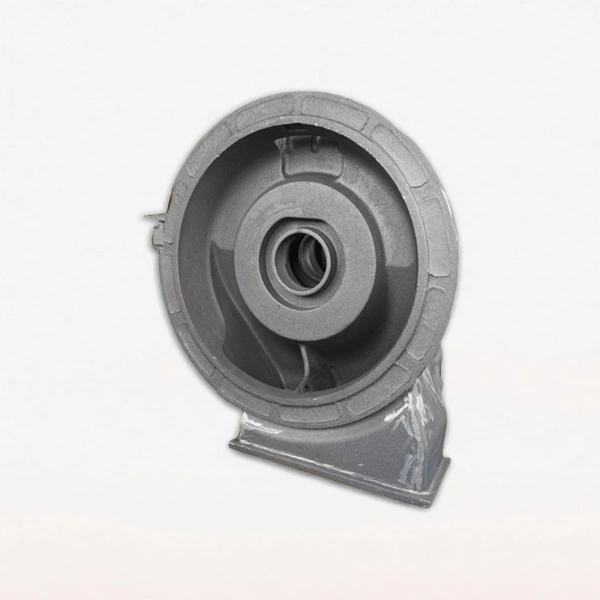
2.1.1 Ferro Dúctil: Uma das escolhas mais comuns. Sua estrutura esférica de grafite confere grande resistência e tenacidade, além de boa resistência ao desgaste. Usado para peças críticas, como juntas de acoplador, quadros de bogie, discos de freio, e jugos.
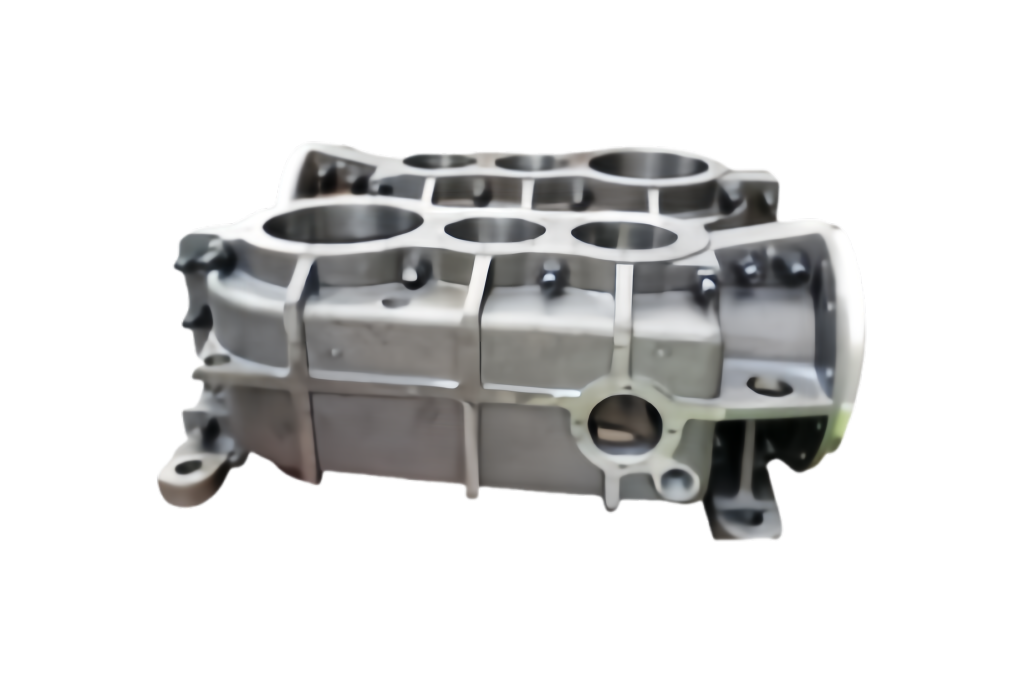
2.1.2 Ferro Cinzento: Conhecido pelo excelente amortecimento de vibrações e usinabilidade, mas é frágil. Melhor para peças de formato complexo sob baixa tensão, como caixas de engrenagens e cilindros de freio.
A melhor escolha para peças que devem suportar alto impacto e estresse extremo.
2.2.1 Fundições de aço carbono: Classes como ZG230-450 oferecem uma combinação sólida de resistência e tenacidade. Comumente usado para peças estruturais como estruturas laterais e reforços.
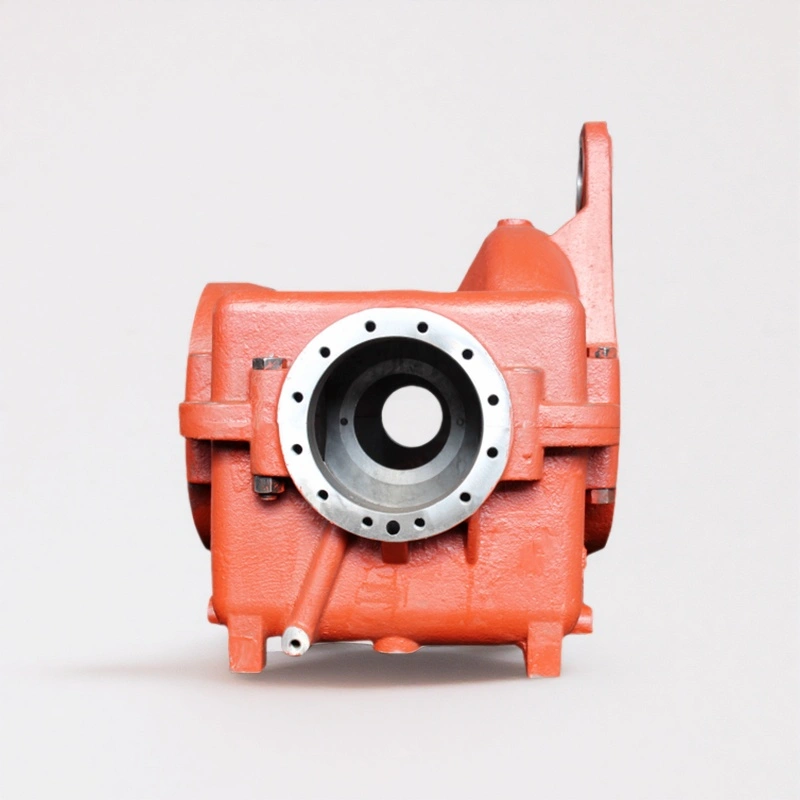
2.2.2 Fundições de aço de baixa liga: Adicionar elementos como manganês ou cromo aumenta a resistência, resistência, e temperabilidade. O aço manganês austenítico é famoso por sua capacidade de endurecimento e resistência à abrasão por impacto - ideal para cruzamentos, sapos, e pontos de troca.
2.2.3 Fundições de aço borado: Pequenas quantidades de boro aumentam a temperabilidade, criando uma situação muito difícil, superfície resistente ao desgaste. Perfeito para componentes que enfrentam abrasão extrema.
Ligas não ferrosas oferecem vantagens especiais para usos específicos.
2.3.1 Ligas de cobre fundido: Materiais como o bronze-alumínio proporcionam excelentes propriedades de rolamento, resistência à corrosão, e alta condutividade térmica. Frequentemente usado para buchas, camisas de rolamento, e placas de desgaste.
2.3.2 Ligas de alumínio fundido: Escolhidos principalmente pelo seu peso leve. Their lower strength limits them to non-structural parts like equipment enclosures or cabin interiors.
Choosing the right material requires careful analysis of different factors:
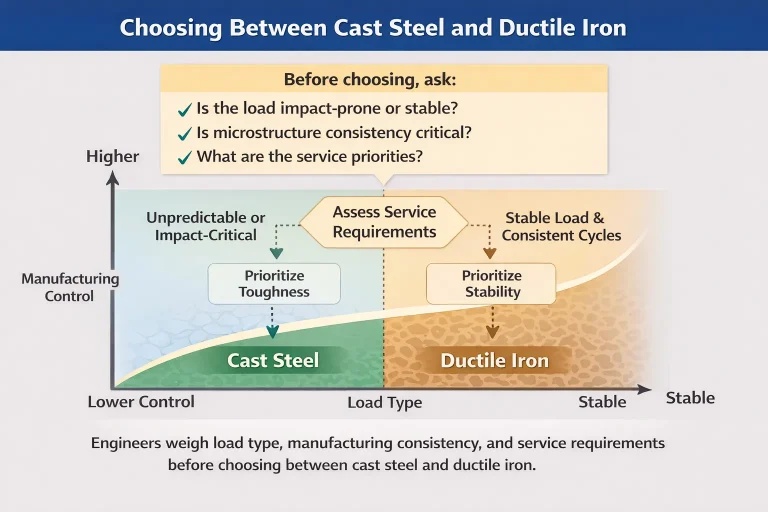
3.1 Load Type and Magnitude: Is the part under constant load, or does it face dynamic and shock loads? Para fundições ferroviárias, por exemplo, Bogie components need the high toughness of ductile iron or cast steel.
3.2 Wear and Hardness Needs: Parts in friction, like brake discs or track components, need high hardness and abrasion resistance. In this case, Austenitic manganese steel or heat-treated low-alloy steels are often best.
3.3 Toughness and Impact Resistance: Critical for safety. Parts like gearbox housings must absorb high energy without breaking, especially in cold environments. Materials with certified high impact toughness are a must.
3.4 Força de fadiga: Railway parts face constant vibration. The material must resist crack formation over millions of load cycles.
3.5 Environmental and Corrosion Factors: Exposure to weather, chuva, and de-icing salts causes corrosion. Carbon steel may need coatings; sometimes, corrosion-resistant alloys are a better long-term choice.
3.6 Cost and Manufacturability: Balance performance with cost. Consider the total expense: raw material, moldabilidade, usinabilidade, and heat treatments. Often, a more expensive material that lasts longer offers a lower total cost of ownership.
| Tipo de material | Main Advantages | Main Limitations | Aplicações Típicas |
| Ferro Dúctil | Alta resistência, good toughness, resistente ao desgaste, cost-effective | Not as strong as steel in extreme conditions | Coupler knuckles, peças do carrinho, discos de freio |
| Ferro Cinzento | Excellent vibration damping, easy to machine | Brittle, low impact resistance | Gearboxes, brake cylinder bodies |
| Carbon/Low-Alloy Steel | Very high strength, good impact/fatigue resistance | Higher cost, may need corrosion protection | Quadros de carrinho, reforços, peças estruturais |
| Austenitic Manganese Steel | Excellent impact/wear resistance, hardens under impact | Relatively soft initially, needs impact to harden | Crossings, sapos, pontos de troca |
| Ligas de cobre fundido | Good bearing properties, corrosion resistant, high thermal conductivity | High cost, lower strength than steel | Bushings, camisas de rolamento, wear plates |
| Ligas de alumínio fundido | Leve | Lower strength | Equipment enclosures, cabin interiors |
Selecting the right material for railway castings is a critical decision that balances performance, durabilidade, e custo. There is no universal solution—the best choice depends on specific service conditions and a precise evaluation of material properties.
Partnering with an experienced foundry is key to success. Luoyang Fonyo Indústrias Pesadas Co., Ltda. specializes in manufacturing high-performance railway castings. We provide expert material selection guidance and deliver components that meet the highest international standards for safety and reliability.
Visita www.railwaypart.com to learn more about our capabilities and discuss the perfect casting solution for your railway application. Our team is ready to support your projects with technical expertise and proven quality.