Scan WeChat-koden for at kontakte os
Scan WeChat-koden for at kontakte os
Du er velkommen til at sende os en e-mail, og vi vil svare dig hurtigst muligt.
At skabe fremtiden med hjerte og sjæl

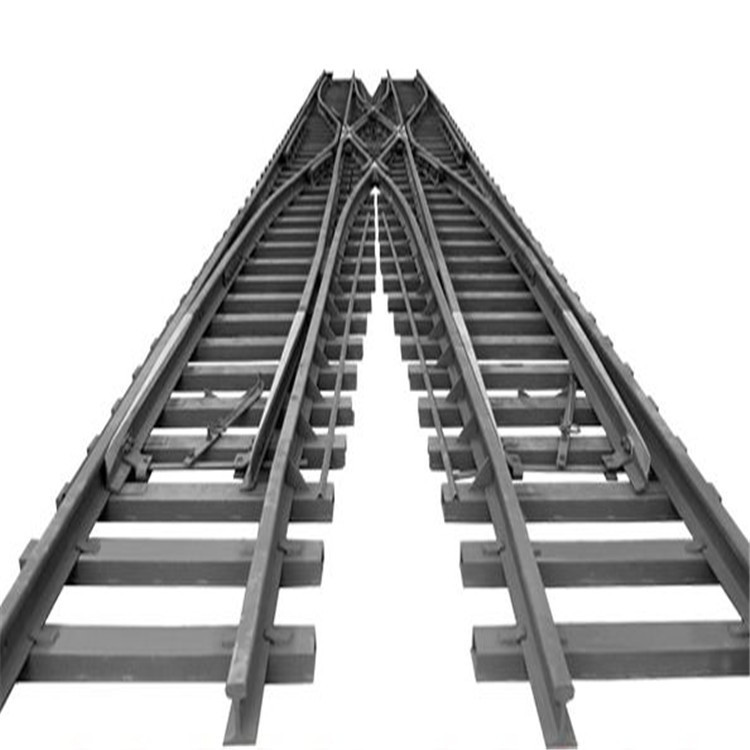
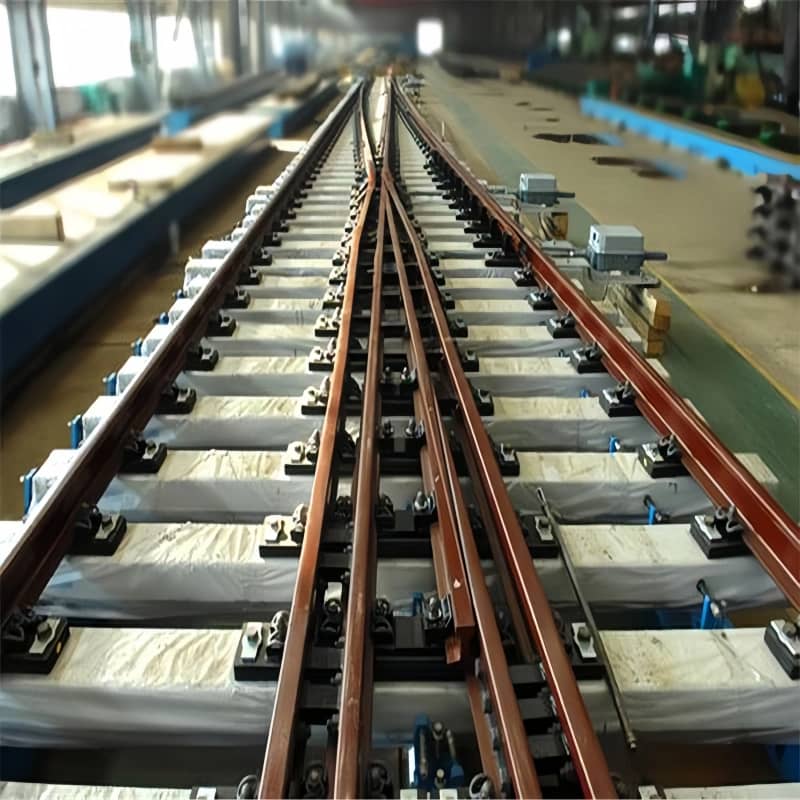
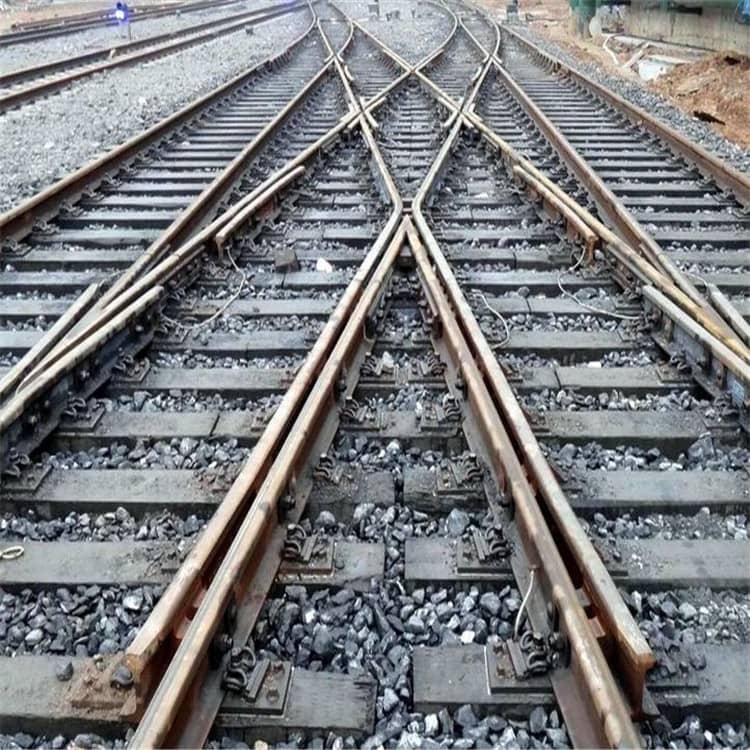
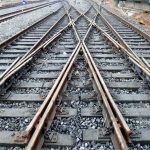
Introduction of Railway Switch
A railway switch is a basic setup that branches one track into two or more tracks, enabling locomotives and vehicles to transfer from one line to another. On the vast railway lines stretching for thousands of miles, switches act as precise mechanical joints, bearing the weight of train turns with their steel bodies. This track equipment, forged from special materials and refined through a century of technological advancements, is not only a core component of the railway transportation system but also a silent witness to industrial civilization.
The Material of Railway Switch
Material innovation has always driven the evolution of switches. The early combination of wooden rails and cast iron components proved inadequate under the heavy pressure of steam locomotives. I 1893, a German engineer created all-steel switches using high-strength steel rails with a manganese content of 12%, which had five times the wear resistance of traditional materials, marking the entry of railways into the steel rail era. Modern switches’ point rails are made from bainitic steel through integral forging. This material, obtained through special heat treatment, features a microscopic structure of feather-like crystal arrangement, maintaining high hardness while also being resilient, capable of withstanding a wheel-rail impact of 8 ton per kvadratcentimeter. The switch blades are cast from high-chromium alloy steel, with a surface hardness of HRC58, equivalent to the wear resistance of diamond, ensuring geometric accuracy even after a million passes.
Special materials endow switches with strong environmental adaptability. In the railway crossing the Siberian permafrost zone, switches are cast from cold-resistant steel containing 9% nickel, maintaining elastic modulus at -60°C. In the tropical section of the China-Laos Railway, the switch surfaces are coated with nano-ceramic layers, which can resist 98% air humidity erosion and reduce wheel-rail friction by 30%. Even more advanced magnetic levitation switch prototypes use titanium alloy skeletons and carbon fiber composite materials, completely discarding traditional mechanical structures and achieving contactless track switching through electromagnetic fields, extending the maintenance cycle from 45 dage til 10 år.
The Design Of Railway Switch
From material formulas to functional designs, switches embody interdisciplinary wisdom. The 60-degree golden angle of the switch blades is derived from precise calculations in wheel-rail dynamics; de 35:1 slope ratio on the top surface of the point rails is the result of three generations of engineers’ practical experience; even the 14-millimeter gap between the guard rail and the basic rail is strictly set according to the standard dimensions of the wheel flange. In the Moscow Railway Museum, material specimens from wooden switches to digital switches clearly outline the symbiotic trajectory of metallurgical technology and mechanical engineering over two centuries.
The Function Of Railway Switch
The core functions of switches are reflected in three dimensions. As the diversion hubs of the track network, basic single switches can complete track switching within 3 sekunder, increasing the capacity of single-track railways by 40%. In the Zhengzhou EMU Depot, a super-large number switch measuring 1,572 meters uses precisely machined wing rails and heart rails to form a three-dimensional intersection, seamlessly connecting eight tracks, allowing 300 EMU trains to pass through in an orderly manner every day and night. To meet the strict requirements of high-speed railways, the movable heart rail switch eliminates the “track break point” of traditional structures, allowing trains traveling at 350 km/h to pass through with almost no vibration – this is due to the 0.1-millimeter precision fit between the heart rail and the wing rail, equivalent to the diameter difference of two human hair strands.
| Materiale | cold-resistant: cast steel containing 9% nickel, maintaining elastic modulus at -60°C |
| tropical section:the surfaces are coated with nano-ceramic layers, which can resist 98% air humidity erosion and reduce wheel-rail friction by 30%. | |
advanced magnetic levitation:titanium alloy skeletons and carbon fiber composite materials | |
| Design | 60-degree golden angle |
| de 35:1 slope ratio on the top surface of the point rails | |
| Type | single switch:The single switch has main line and side line, and the switch is opened by moving the switch. |
| Symmetrical switch: The whole switch is symmetrical in the middle line of the main line or the middle branch line of the fork Angle, and there is no straight and lateral division when the train passes. | |
| Double crossing switches: Double crossing switches are equivalent to two sets of single open switches laid in opposite directions to achieve the cross of non-parallel stock tracks | |
| Three-open switches: also known as compound cross-side symmetrical switch, is a more common form of compound switch. It is equivalent to two sets of single-open switches with different side connections. Imidlertid, its length is much shorter than the sum of the lengths of the two sets of single turnout. |
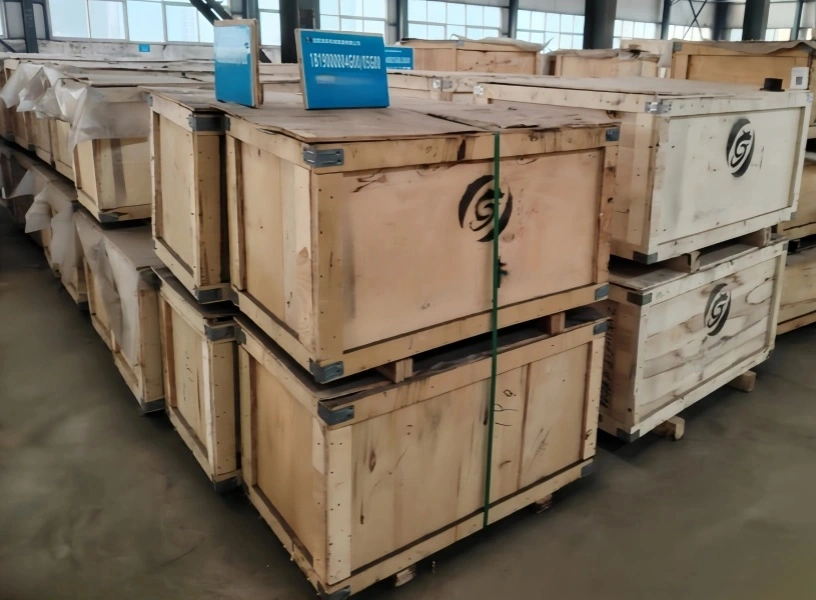
Package of Railway Switches
Polybag+Kartonæske+Trækasse/Palle, efter kundens ønske
Virksomhedsprofil
Luoyang Fonyo Heavy Industries Co., Ltd. blev grundlagt i 1998, dækker et område på 72.600㎡, med mere end 300 medarbejdere, 32 teknikere, inklusive 5 senioringeniører, 11 assistentingeniører, og 16 teknikere. Det er blevet vurderet som Luoyang Engineering Technology Center, Luoyang Technology R&D Center, og National High-tech Enterprise i mange gange.
Vores produktionskapacitet er 30,000 tons om året. For tiden, vi producerer hovedsageligt støbt stål, støbejern (gråt jern, duktilt jern, osv.), forarbejdning af færdigt produkt og komponentsamling. produkterne er blevet eksporteret til Rusland, USA, Tyskland, Argentina, Japan, Frankrig, Sydafrika,Italien og andre lande.
Ofte stillede spørgsmål
Q1: Er du producent eller handelsvirksomhed?
EN:Vi er en producent. Vores firma blev grundlagt i 1998, med næsten 30 år i støbeindustrien, et samlet areal på 72.600㎡, med et fabriksbygningsareal på 51.000㎡.
Q2. Hvad er dine vigtigste produkter?
EN: Vi fokuserer primært på stålstøbning, jernstøbning, bearbejdning af færdigt produkt, og komponentmontageproduktion.
Q3: Hvor præcision kan du producere støbedele?
EN: Vi har evnen til at producere støbedele med forskellige støbeprocesser. Produktionen er strengt i overensstemmelse med ISO 9001, ISO 14001 og ISO45001, EN15085, IRIS.
Q4. Kan du producere i henhold til prøverne?
Ja, vi kan producere efter dine prøver eller tekniske tegninger. Vi kan også bygge tegninger til dig, efter at vi har fået dine prøver.
Q5: Hvordan laver du kvalitetskontrol før levering?
EN: Kvalitetsinspektion er en meget vigtig faktor for at garantere kvaliteten af stålstøbedele. Vi følger efter 3 inspektionstidspunkter under hele produktionsprocessen. Og vi vil levere materialetestrapport, dimensionel prøvningsrapport, og mekaniske egenskaber test rapport til vores kunder før levering.
Hvis du er interesseret i alle produkter,er du velkommen til at kontakte os.
E-mail:[email protected]
Mobil:008615515321683