Scan WeChat-koden for at kontakte os
Scan WeChat-koden for at kontakte os
Du er velkommen til at sende os en e-mail, og vi vil svare dig hurtigst muligt.
At skabe fremtiden med hjerte og sjæl


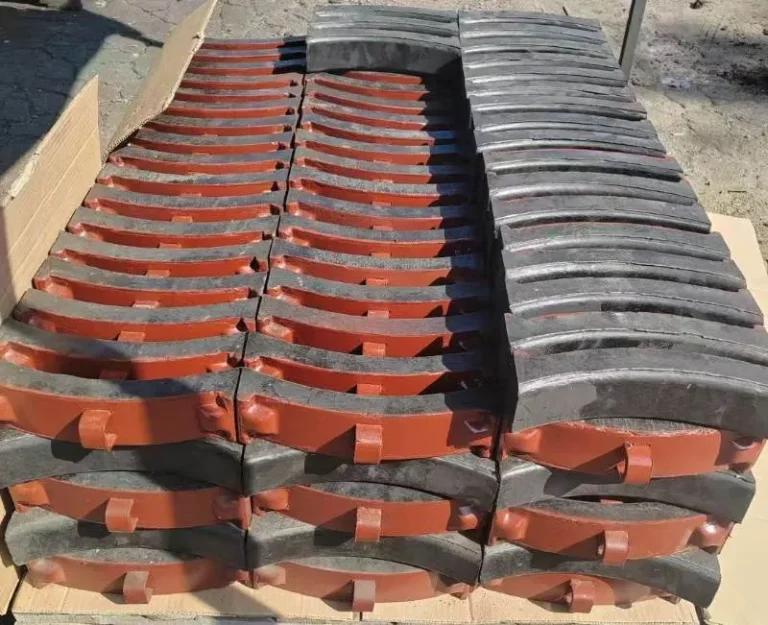
Har du nogensinde set et kraftfuldt tog køre forbi og undret dig over de dele, der holder det hele sammen? Mange af disse kritiske komponenter er jernbanestøbegods.
Key parts like couplers and heavy-duty bogies are often made using a classic method: sandstøbning. Let’s see how different binders act like glue to create these essential bones of the train.
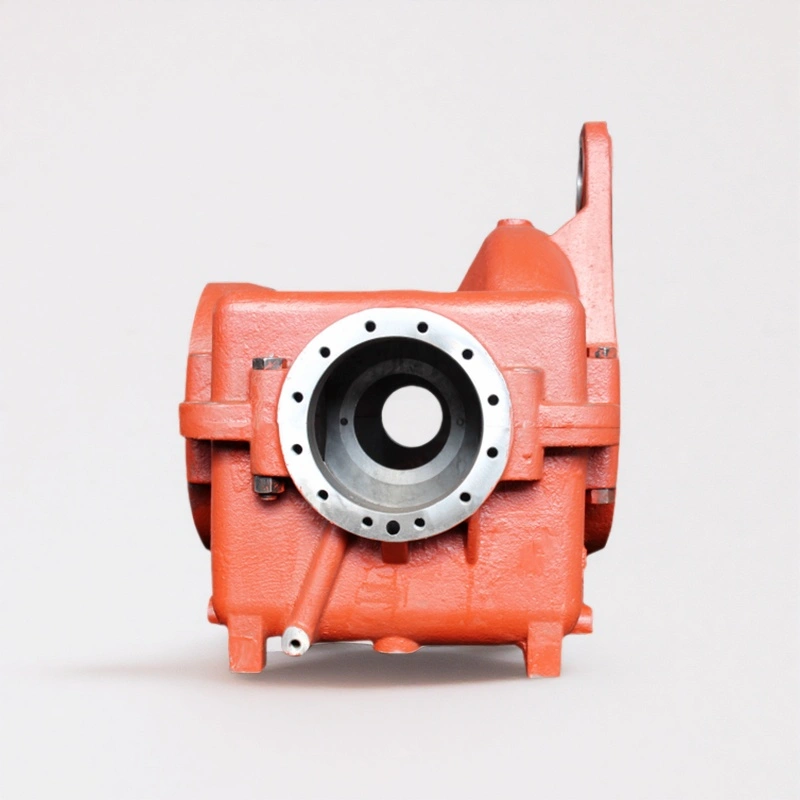
Sand casting is ideal for making complex, strong metal parts in large numbers. I dette tilfælde, Think of it as using a sand “mold.” We pour molten metal into the mold, let it cool, and then break the sand away to reveal the part. It’s cost-effective and versatile, perfect for jernbanestøbninger.
The most important part of the sand mold is the binder. Det vil sige, it’s the “glue” that holds the sand grains together firmly.
There are three main families of binders used for railway castings, and each with its own strengths.
2.1 Clay Green Sand: The Reliable Veteran
What is it? This is the most traditional and widely used method. It uses clay and water to bond the sand.
Pros: Very low cost, high production speed, and sand can be reused.
Cons: Casting surface is less smooth, as well as lower precision.
Railway Use: Great for large or internal parts where a perfect finish isn’t critical.
2.2 Chemical Binder Sands: The Precision Specialists
When a casting needs high strength and exact size, it means chemical binders are the answer. They harden the sand through a chemical reaction.
2.2.1 Furan Resin Sand:
Funktioner: Høj styrke, fast hardening.
Railway Use: The top choice for complex, high-strength iron castings, like engine parts.
2.2.2 Alkaline Phenolic Resin Sand:
Funktioner: Very eco-friendly, produces little fumes, perfect for steel castings.
Railway Use: High-quality steel castings like couplers and bogie frames. It helps prevent gas holes.
2.2.3 The Cold Box Process:
Funktioner: The speed champion! It hardens cores at room temperature in seconds.
Railway Use: Perfect for making very complex internal shapes, like oil passages and air channels inside a casting.
2.3 Inorganic Binders: The Green Newcomer
What is it? The main type is Natriumsilikat, hardened with CO₂ gas.
Pros: Non-toxic, environmentally friendly, good casting quality.
Udfordring: Recycling the used sand is harder.
Future: As environmental rules get stricter, disse “grøn” binders are becoming more popular.
Der er ikke en enkelt “bedst” binder, only the most suitable one. The choice depends on:
Materiale: Is it steel or iron?
Præstation: Is strength, præcision, or surface finish the top priority?
Production Volume: Is it a small batch or mass production?
Cost & Miljø: What are the budget and environmental rules?
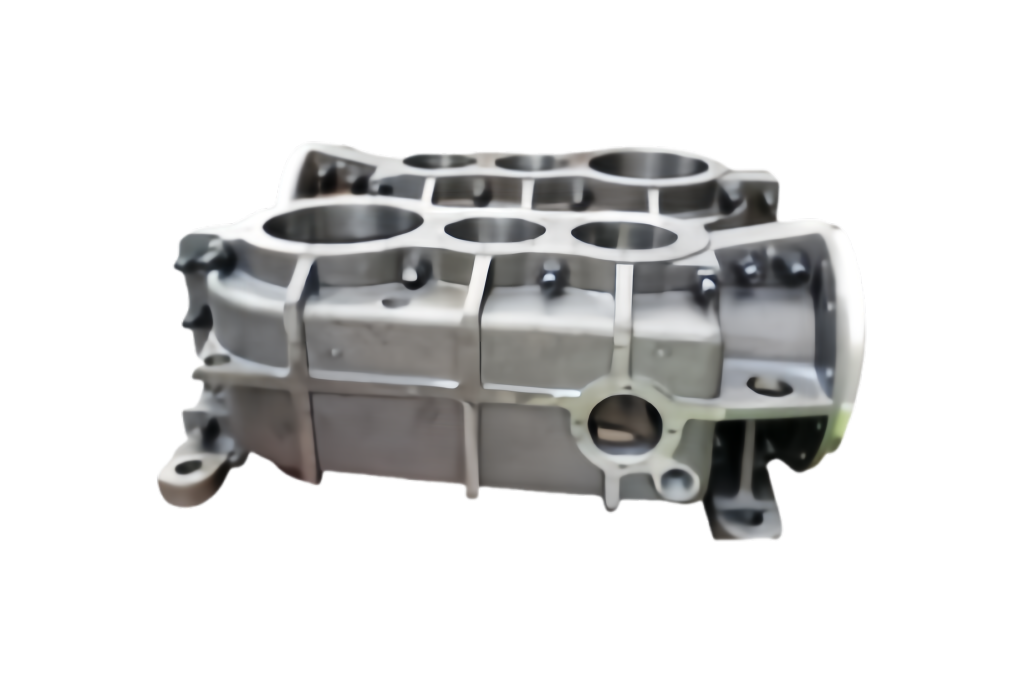
På Luoyang Fonyo Heavy Industries Co., Ltd., these technologies are not just theory—they are at the core of our daily practice. We specialize in providing high-quality cast components for railway locomotives:
Using advanced natriumsilikatsandstøbning, we produce high-integrity gearkassehuse og akselhuse, ensuring stable performance and durability.
For demandingmotor frames, we employfuranharpiks sandstøbning technology withlow-temperature ductile iron material to achieve exceptional strength and precision.
Tilsvarende, we also utilize ductile iron furan resin sand process to manufacture robust gearkassehuse, meeting diverse customer requirements.
From economical clay sand to high-precision chemical binders, we possess the expertise and experience to provide core support for the steady development of the modern railway industry.
Looking for a reliable casting partner for your railway project? Visit our website to learn more: www.railwaypart.com