قم بمسح رمز WeChat للاتصال بنا
قم بمسح رمز WeChat للاتصال بنا
لا تتردد في مراسلتنا عبر البريد الإلكتروني وسوف نقوم بالرد عليك في أقرب وقت ممكن.
صنع المستقبل بالقلب والروح


On February 1, 2026, Algeria officially put into operation the Western Railway and Mining Line connecting the Gara Djebilet iron ore region to the national rail network. Stretching deep across the Sahara, this line is recognized as Africa’s first true desert heavy-haul railway.
With a design transport capacity of 40–50 million tons per year and axle loads exceeding 30 طن, this project is far more than a mining corridor. It is a landmark case study in how modern railway engineering adapts to some of the harshest operating conditions on Earth.
For railway professionals, this line is not just news — it is a real-world demonstration of what extreme environments demand from railway infrastructure and rolling stock components.
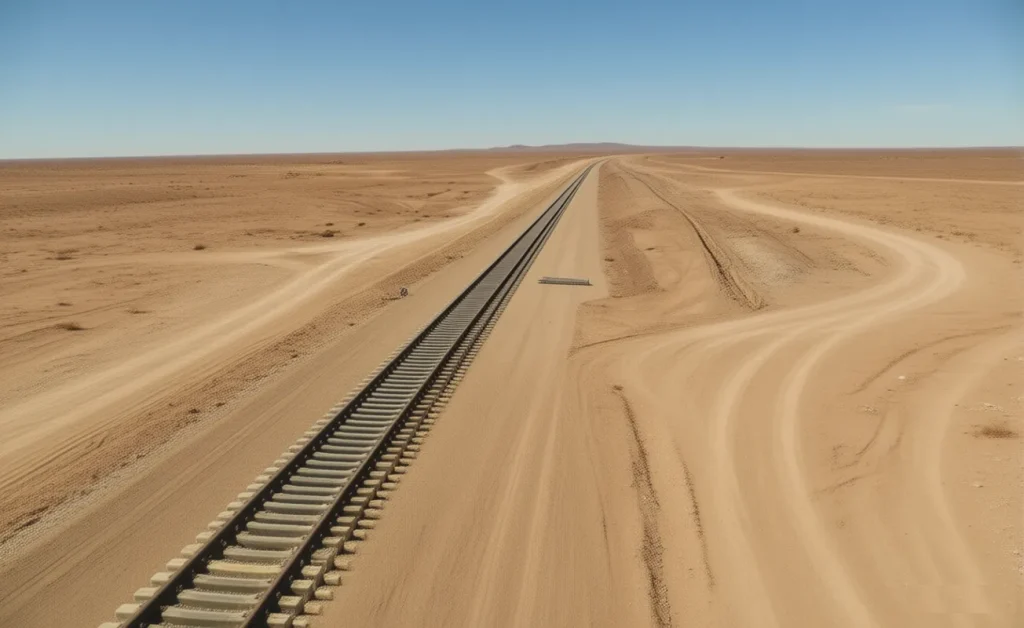
Constructing a heavy-haul railway across the Sahara meant facing a unique set of extreme conditions that are rarely seen in ordinary rail projects. The builders had to contend with harsh realities such as day-and-night temperature swings of nearly 50°C, and there were constant sandstorms and abrasive desert winds in the desert. بالإضافة إلى, the very ground itself was a major obstacle due to unstable, shifting dune foundations, all set within long, remote stretches of terrain that made logistics extremely difficult.
To deal with these problems, engineers used a specially designed composite foundation. This solution combined vibration compaction with geogrid reinforcement, which reports indicate increased the subgrade’s bearing capacity by more than 40%. في أثناء, a large-scale system using both physical sand barriers and planted vegetation was deployed to stabilize the dunes and shield the track.
These innovative solutions were essential to successfully building the railway. لكن, constructing the track was only the first part of the challenge.
Once operations begin, the main challenge is no longer civil engineering but shifts to whether the mechanical parts can endure the harsh conditions. Heavy-haul trains running with axle loads over 30 tons in the desert place extreme stress on the rolling stock. This includes continuous high-impact forces between the wheels and rails, severe expansion and contraction of materials from the extreme temperature swings, and the constant problem of abrasive sand getting into moving parts. All of these factors combine to cause accelerated wear and fatigue in critical components like the bogies, عجلات, couplers, and underframes.
In this environment, what limits the railway’s reliability isn’t the track itself—it’s the durability of these components.
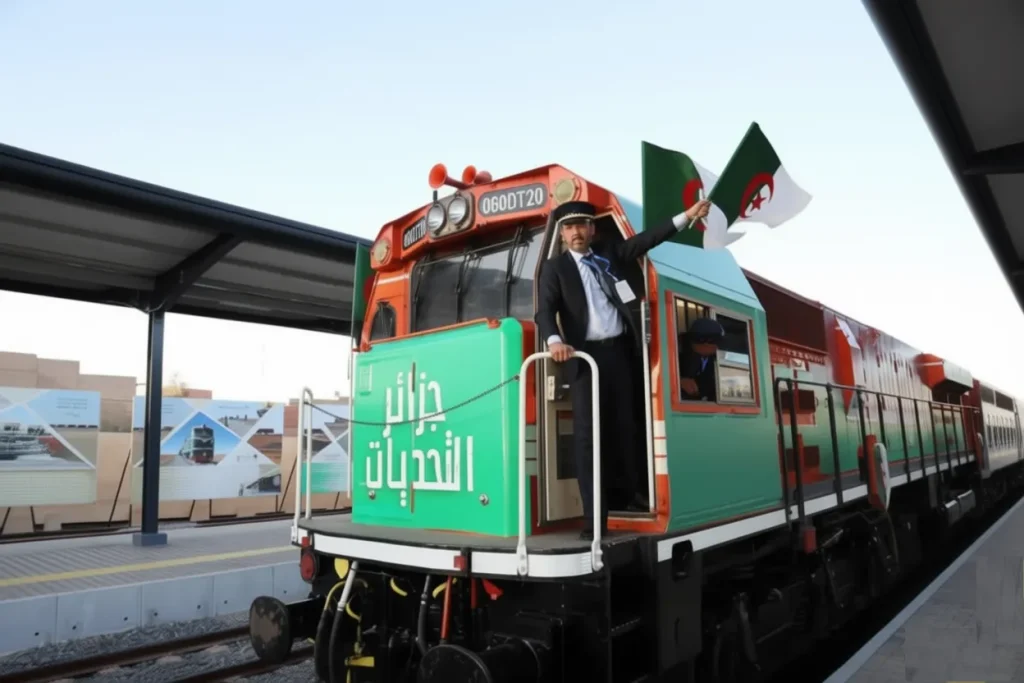
For railway wheels, المسبوكات البوجي, and coupling systems, operating on a desert heavy-haul line is among the most severe challenges imaginable.
أولاً, consider the railway wheels. They are subjected to significantly higher contact stress due to the immense axle loads, while simultaneously facing increased tread wear from constant sand abrasion. On top of this, the extreme daily temperature swings force the metal through relentless cycles of expansion and contraction, which dramatically accelerates material fatigue.
Then, there are the bogie and underframe castings. Their primary task is to maintain absolute structural integrity under punishing conditions. This means resisting constant, heavy vibrations from the load, withstanding the erosive effect of sand, and enduring the long-term, repetitive stress that builds up over thousands of kilometres.
Coupling and braking components face additional reliability challenges as sand, heat, and load combine to shorten service life if materials and heat treatment are not optimized.
This is where precision metallurgy, controlled heat treatment, and casting quality become decisive factors in railway safety and operating cost.
The Algerian desert heavy-haul railway highlights an important reality for the global railway industry:
The harsher the environment and the heavier the load, the more critical the quality of fundamental components becomes.
Projects like this set new benchmarks for what railway wheels, castings, and safety components must be capable of enduring — not only in deserts, but in any demanding heavy-haul, التعدين, or freight corridor worldwide.
Railways crossing deserts, mountains, or mineral corridors all share a common requirement: components must be designed not just to meet standards, but to survive extreme real-world operating conditions over long service cycles.
This requires:
These are not optional advantages. In heavy-haul systems, they are operational necessities.
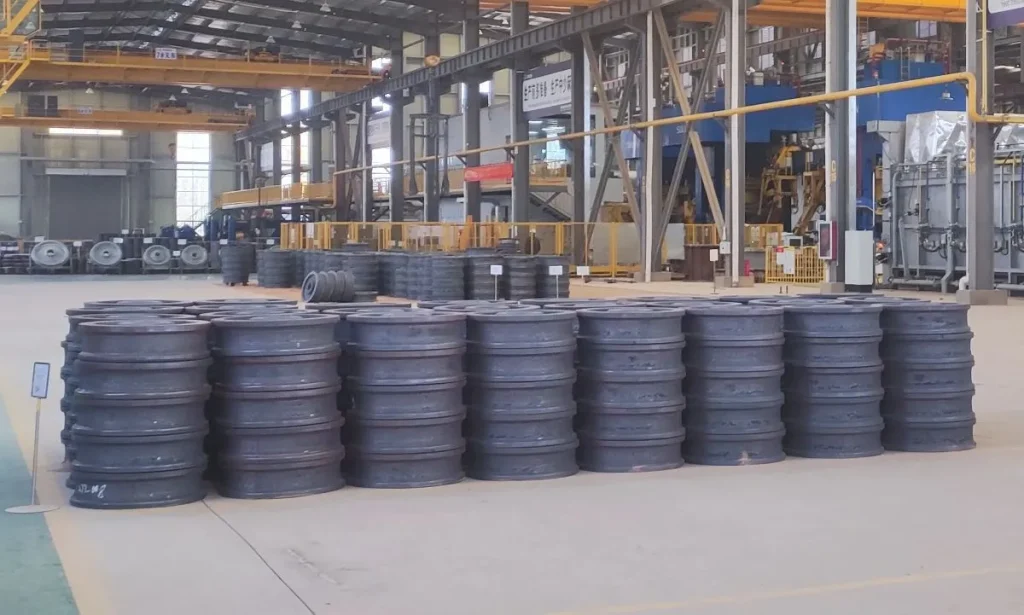
Railway projects like Algeria’s desert heavy-haul line remind the industry of a fundamental truth: in extreme environments, infrastructure reliability ultimately depends on component reliability.
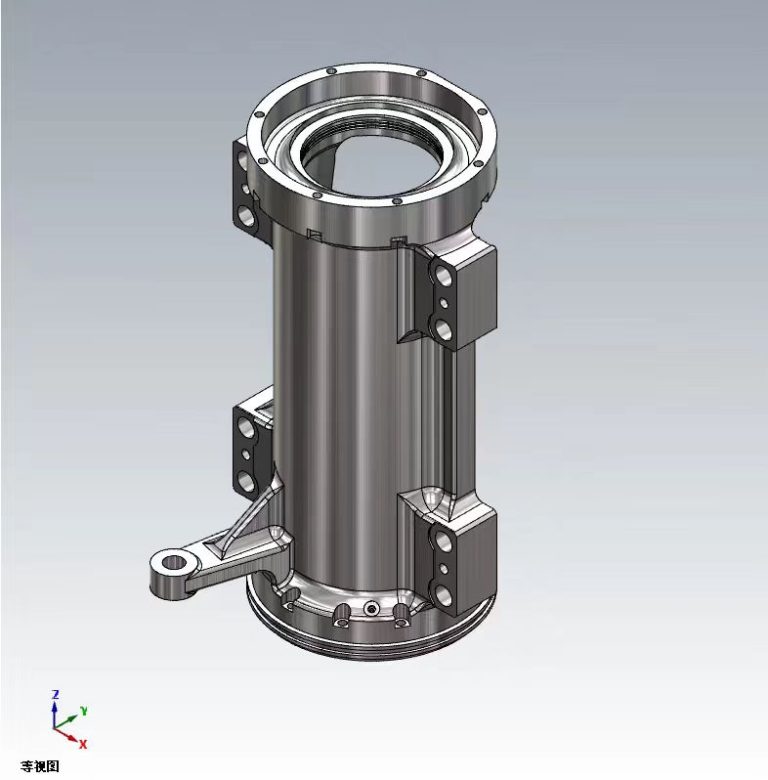
As a manufacturer specializing in عجلات السكك الحديدية, railway axle box housing, railway gearbox housing, production since 1998, شركة لويانغ فونيو للصناعات الثقيلة, المحدودة. focuses on producing components engineered specifically for demanding railway applications such as heavy-haul, mining lines, and harsh operating climates.
With a 72,600 m² production facility and an annual capacity of 30,000 طن, Fonyo supplies railway components to projects across Asia, أوروبا, Africa, and the Americas, supporting safe and durable railway operations under challenging conditions.
When railways are built to cross deserts and carry millions of tons each year, the strength of the system lies in the reliability of its most fundamental parts.
You can visit www.railwaypart.com للحصول على مزيد من المعلومات عنا.
If there is any requirement, please get in touch with us.