قم بمسح رمز WeChat للاتصال بنا
قم بمسح رمز WeChat للاتصال بنا
لا تتردد في مراسلتنا عبر البريد الإلكتروني وسوف نقوم بالرد عليك في أقرب وقت ممكن.
صنع المستقبل بالقلب والروح


When manufacturing metal components, engineers often face an important decision: casting vs forging. Both processes are widely used in heavy industries such as railways, automotive manufacturing, and industrial machinery. لكن, they differ significantly in manufacturing methods, mechanical properties, يكلف, and suitable applications.
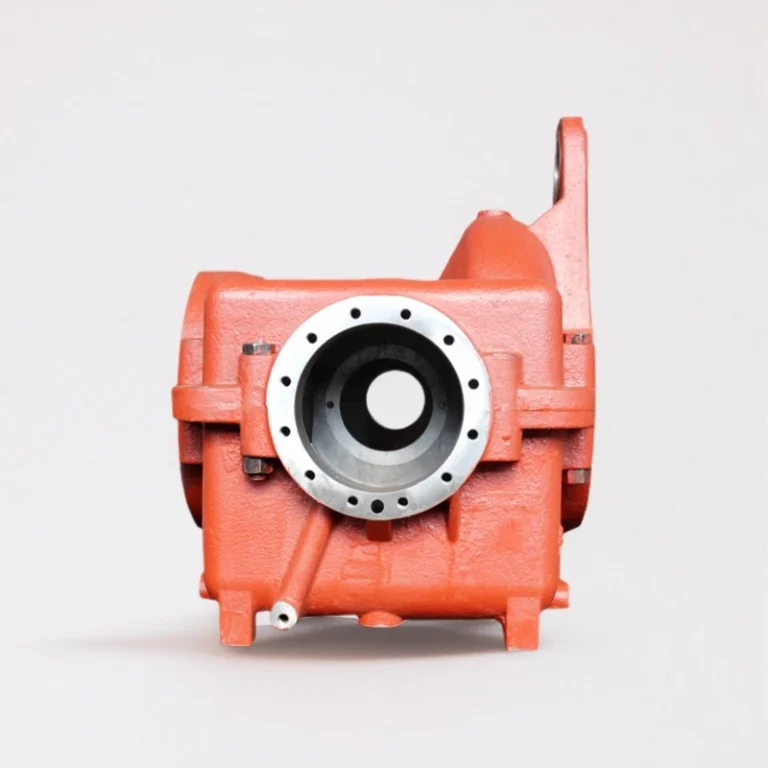
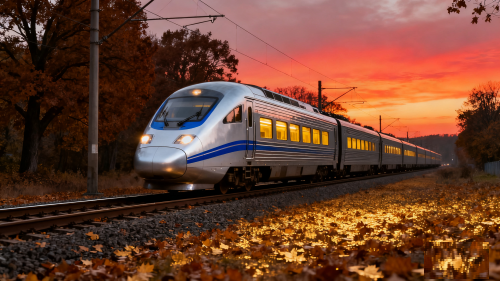
In the railway industry, different components require different manufacturing processes. على سبيل المثال, structural housings such as مبيت علبة التروس and Axle Box Housing are typically produced by casting, while critical safety components like عجلات السكك الحديدية are manufactured through forging to ensure superior strength and reliability.
في هذه المقالة, we will explain the key differences between casting vs forging, compare their advantages, and explore how they are applied in railway components.
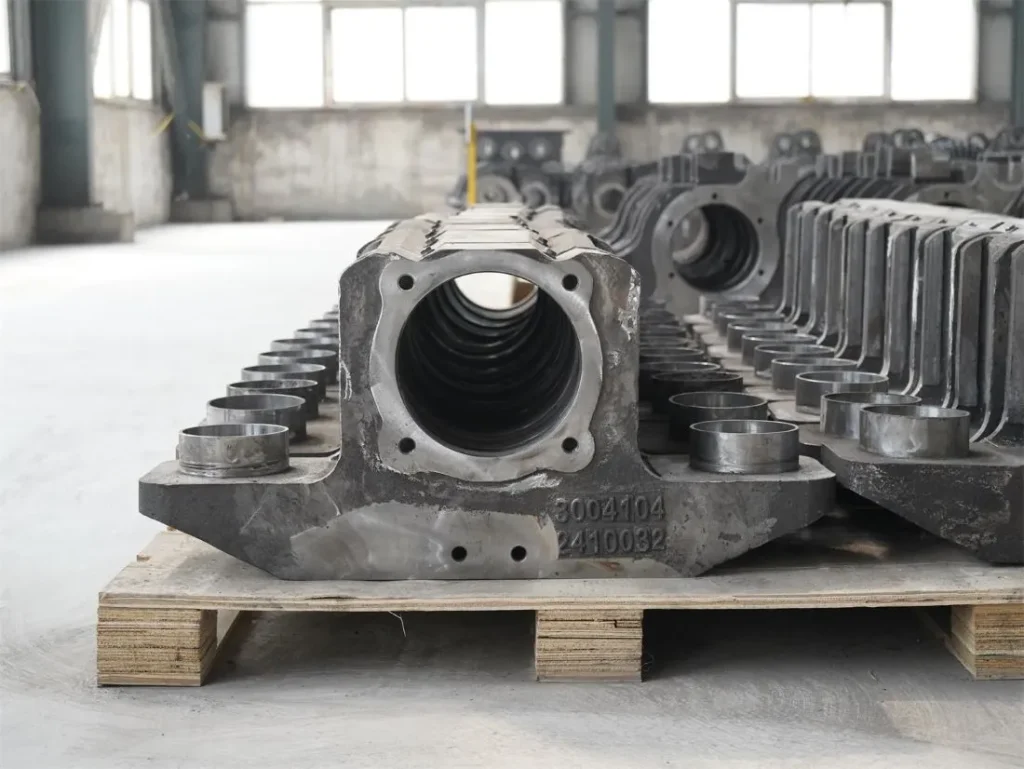
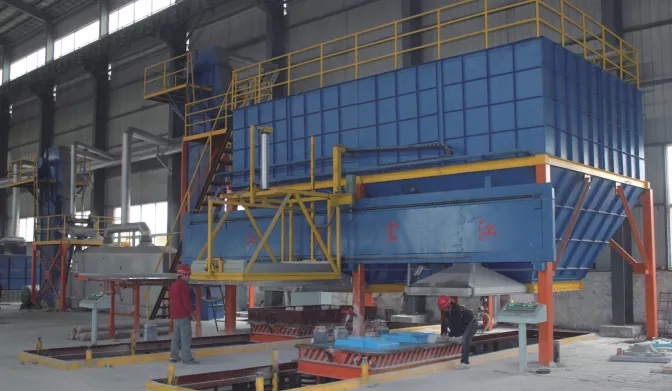
Metal casting is a manufacturing process in which molten metal is poured into a mold and allowed to solidify into a desired shape. After cooling, the mold is removed and the casting is processed through machining or finishing operations if required.
Common casting processes include:
Casting is particularly suitable for manufacturing components with complex shapes, internal cavities, and large dimensions.
Typical advantages of casting include:
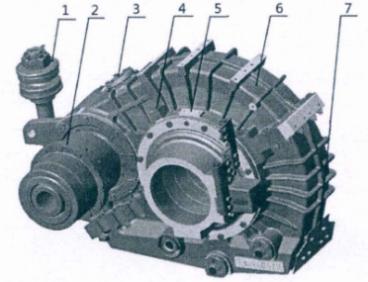
على سبيل المثال, many railway structural components such as علب علبة التروس, مساكن صندوق المحور, تحمل العلب, and pressure rings are produced through casting because these parts often contain complex structures and mounting features.
Forging is a manufacturing process in which metal is shaped by applying compressive force, usually using a press or hammer. Unlike casting, forging deforms solid metal rather than pouring molten metal into molds.
أثناء عملية تزوير, the metal’s internal grain structure is refined and aligned, which significantly improves mechanical properties.
Common forging methods include:
Forged components are known for their:
In the railway industry, safety-critical components such as عجلات السكك الحديدية are typically produced by forging to ensure durability and operational safety under heavy loads.

Understanding the differences between casting vs forging helps engineers select the right process for specific applications.
| Aspect | صب | تزوير |
| Manufacturing Method | Molten metal poured into molds | Metal shaped by compressive force |
| Internal Structure | May contain porosity | Dense and refined grain structure |
| قوة | معتدل | عالية جدا |
| Shape Complexity | Excellent for complex shapes | Limited compared to casting |
| Cost | Lower for complex parts | Higher tooling and equipment cost |
| Typical Railway Components | Gearbox housings, مساكن صندوق المحور | عجلات السكك الحديدية |
In general, casting is ideal for complex structural components, while forging is preferred for parts requiring superior mechanical strength.

Many locomotive and bogie components have complicated structures and large dimensions. Components such as علب علبة التروس و مساكن صندوق المحور often include:
These features make casting the most efficient and practical manufacturing method.
Casting allows engineers to design complex shapes while maintaining structural integrity and cost efficiency. After casting, the components are usually machined to achieve precise dimensions and surface finishes.
Unlike structural housings, عجلات السكك الحديدية operate under extremely demanding conditions. They must withstand:
To meet these requirements, railway wheels are typically produced through forging.
The forging process creates a dense grain structure and directional grain flow, which significantly improves fatigue resistance and impact strength. This is why forged railway wheels are widely used in modern railway systems to ensure safety and long service life.
When deciding between casting and forging, engineers usually consider several factors:
In general:
Both processes play important roles in manufacturing railway equipment.
Our company شركة لويانغ فونيو للصناعات الثقيلة, المحدودة. specializes in the manufacturing of metal components for the railway industry. We produce a wide range of railway castings and forged parts, مشتمل:
Casting components
Forged components
We can manufacture custom casting and forging products according to customer drawings, المواصفات الفنية, أو العينات. With advanced production equipment and strict quality inspection processes, we ensure reliable performance for railway applications.
If you are looking for a reliable manufacturer for railway castings or forged components, feel free to contact us for technical support and quotation.