Scan the WeChat code to contact us
Scan the WeChat code to contact us
Feel free to send us a email and we will reply to you as soon as possible.
Creating the future with heart and soul


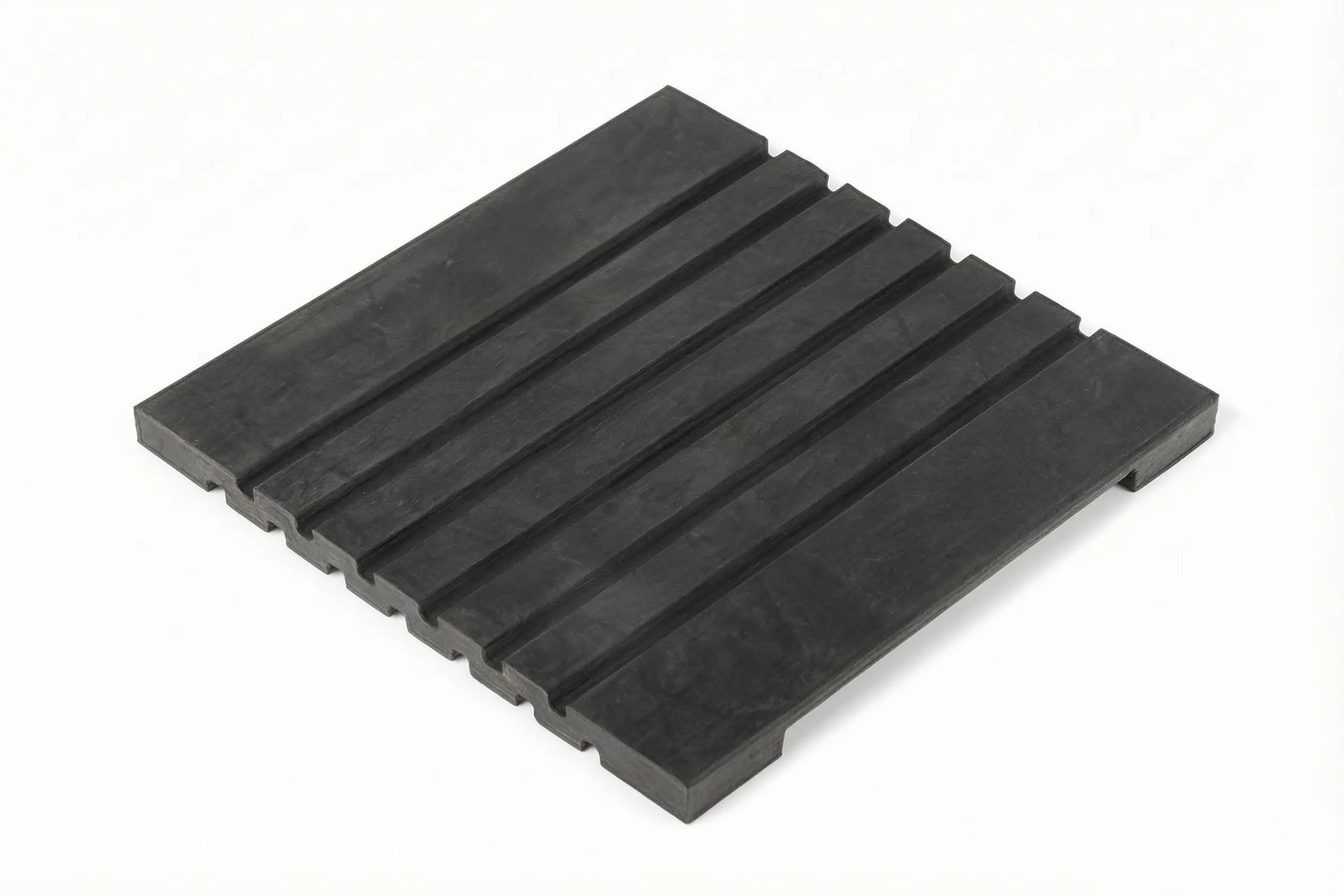
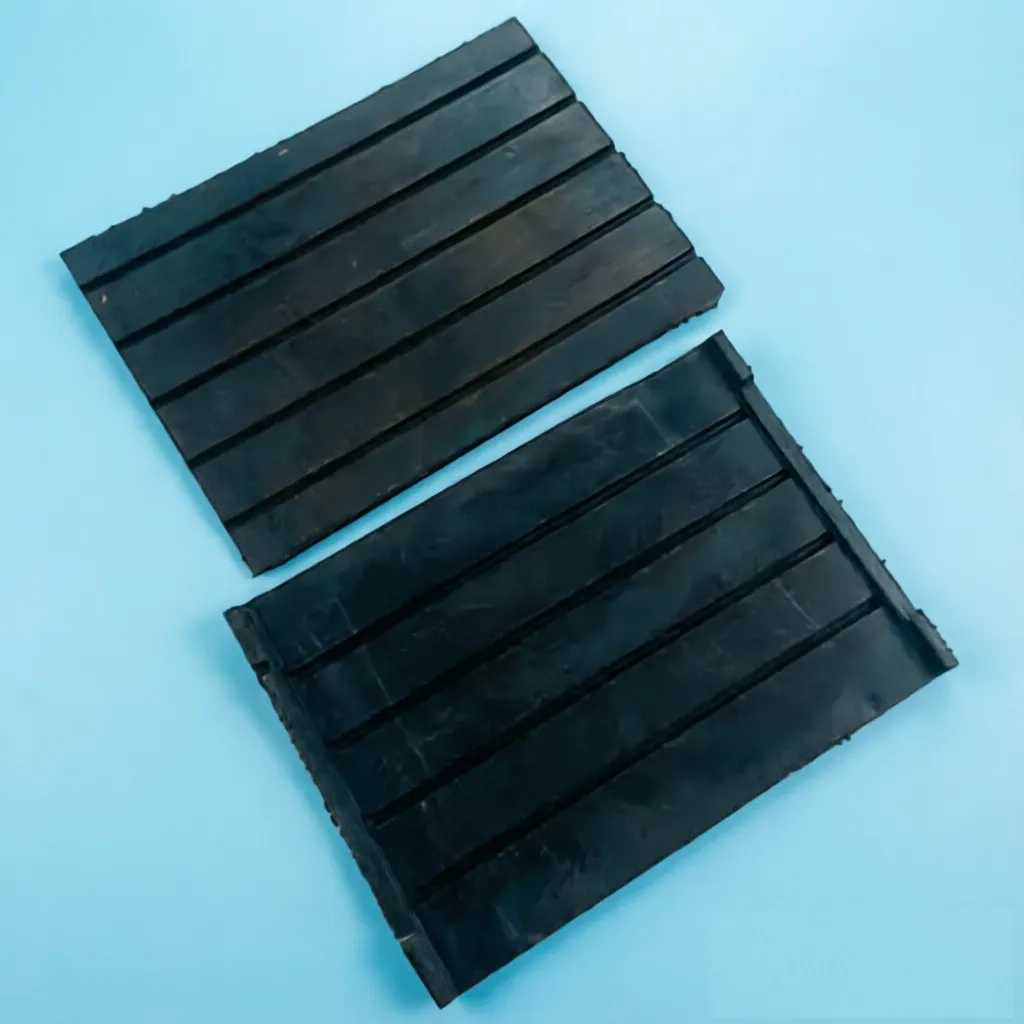
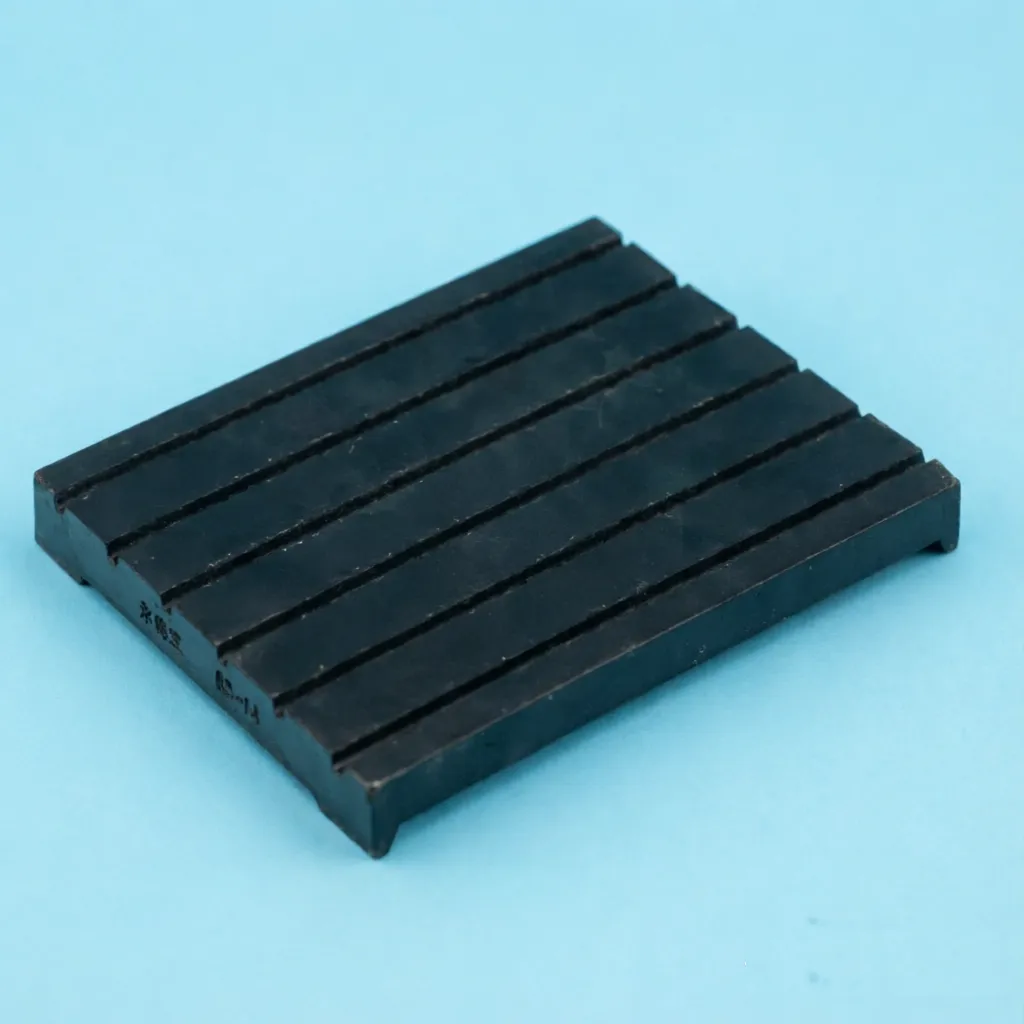
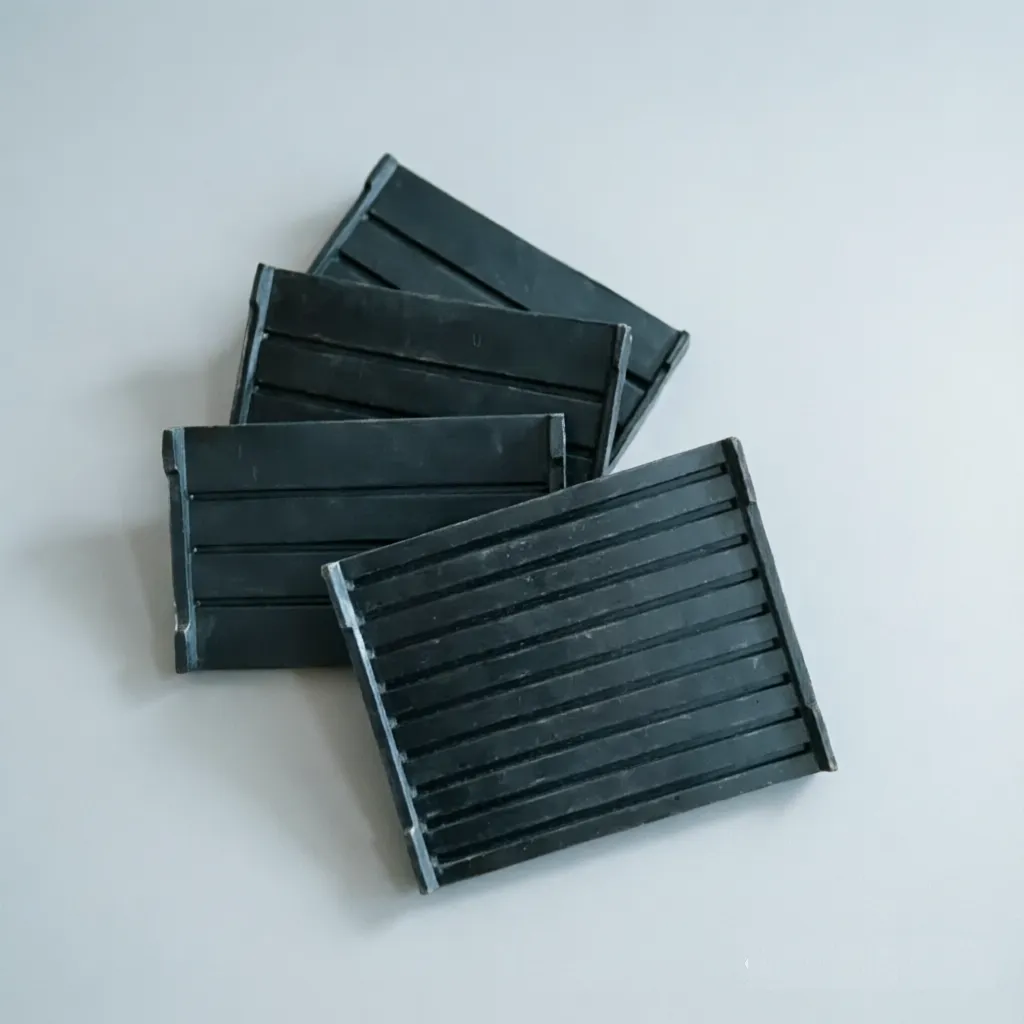
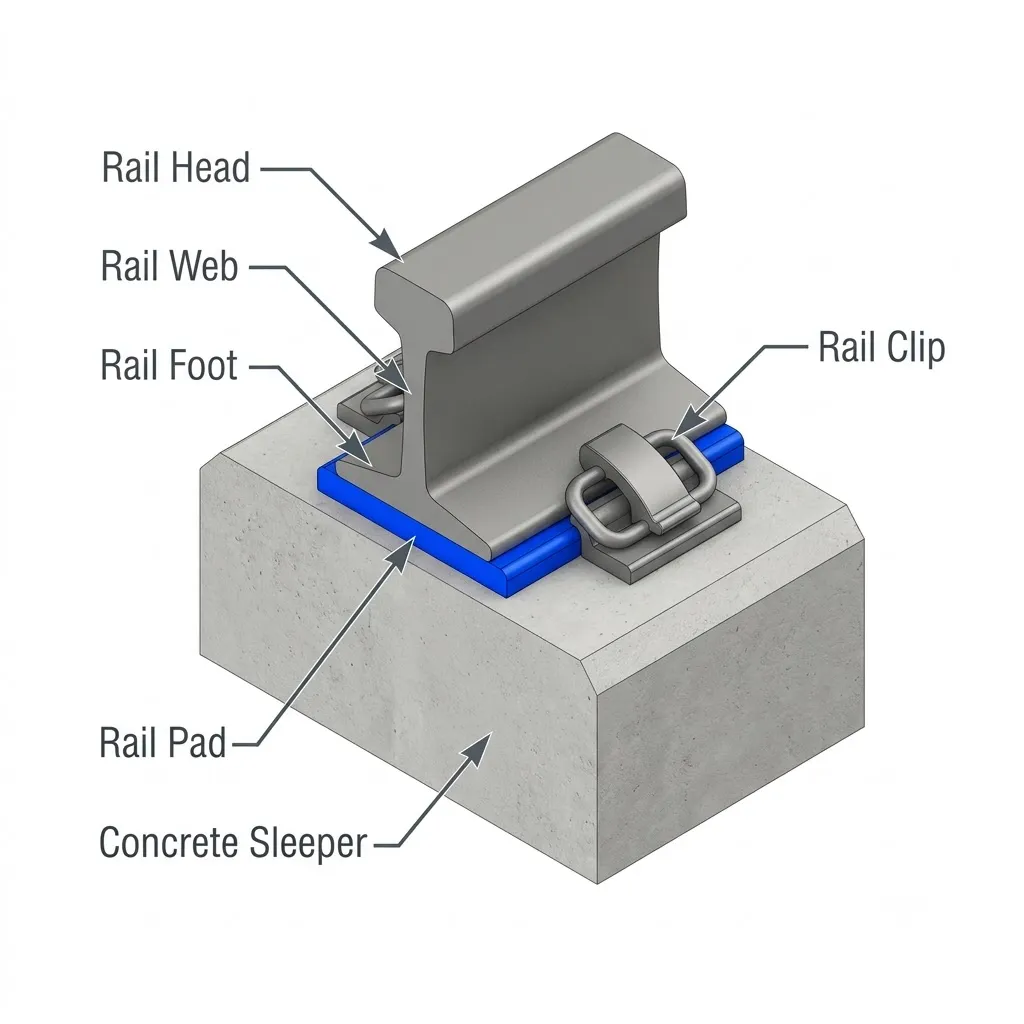
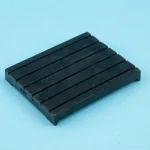
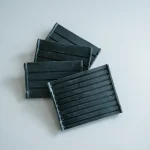
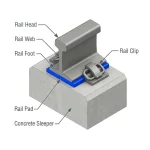
Railway rail pads are essential components of railway fastening systems. Installed between the rail foot and the sleeper or baseplate, they help absorb vibration, distribute wheel loads, and reduce impact forces generated during train operation.
Although rail pads are relatively small compared with rails or sleepers, they have a significant influence on track performance, ride comfort, and maintenance requirements. Properly selected rail pads help protect fastening components, improve track stability, and extend the service life of railway infrastructure.
Luoyang Fonyo Heavy Industries Co., Ltd. manufactures railway rail pads for freight railways, passenger railways, metro systems, heavy-haul lines, and industrial rail tracks. Available in various materials, dimensions, and configurations, our rail pads are designed to meet the requirements of different railway fastening systems and operating conditions.
A rail pad is an elastic component positioned directly beneath the rail foot. During train operation, wheel loads generate continuous dynamic forces that are transferred from the rail to the sleeper through the fastening system.
Without a rail pad, these forces would be transmitted directly into the sleeper and fastening components, increasing stress concentrations and accelerating wear. By introducing controlled elasticity into the track structure, rail pads help absorb impact energy while maintaining stable rail support.
Rail pads are widely used in conventional railways, metro systems, heavy-haul railways, industrial rail networks, and high-speed railway applications.
Every passing wheel generates vibration and impact forces. Rail pads help absorb part of this energy, reducing stress on both the track structure and rolling stock components.
Rail pads spread wheel loads more evenly across the supporting surface, reducing localized stress on sleepers and baseplates.
By reducing vibration transmission through the track structure, rail pads can help lower operational noise levels, particularly in metro and urban rail systems.
Rail pads prevent direct contact between the rail foot and the supporting structure, helping reduce wear and extending sleeper service life.
A rail pad does not work alone. It functions together with rail clips, sleepers, and other fastening components to maintain rail position and track stability.
When a train passes over the track, wheel loads are transferred through the rail to the fastening system. The rail pad acts as a cushioning layer between the rail and the sleeper, helping control impact forces while maintaining sufficient support stiffness.
The performance of the entire fastening assembly depends on the proper interaction of these components. Selecting the correct rail pad material and design can improve vibration control, reduce maintenance requirements, and increase the service life of both sleepers and fastening components.
Different railway applications require different rail pad materials. Material selection is typically based on axle load, operating environment, vibration requirements, and fastening system design.
EVA rail pads provide good elasticity, stable performance, and cost-effective operation. They are widely used in conventional railway and industrial rail applications.
Rubber rail pads offer excellent vibration damping and impact resistance, making them suitable for heavy-haul and high-load railway systems.
HDPE rail pads provide high wear resistance and dimensional stability under demanding operating conditions.
Custom material formulations can be developed according to project specifications, environmental conditions, and railway standards.
FONYO manufactures various rail pad designs to suit different fastening systems and railway applications.
Suitable for standard fastening assemblies and general railway applications.
Designed to improve positioning and compatibility with specific fastening systems.
Provide enhanced load distribution and elasticity characteristics.
Manufactured according to customer drawings, technical specifications, and project requirements.
| Item | Specification |
| Material | EVA, Rubber, HDPE, Customized |
| Hardness | 60–95 Shore A |
| Thickness | Customized |
| Operating Temperature | -40°C to +70°C |
| Compression Resistance | Available |
| Application | Railway Fastening Systems |
| Standards | UIC, EN, AAR, TB |
| Custom Design | Available |
Designed to withstand high axle loads and continuous freight traffic while reducing stress on track components.
Improve ride comfort and help maintain stable track performance under frequent train operations.
Support vibration and noise control requirements in densely populated urban environments.
Provide reliable load distribution and impact absorption under demanding operating conditions.
Suitable for mining railways, steel plants, ports, and other industrial transportation systems.
Rail pads are one component of a complete railway fastening system. In addition to railway rail pads, FONYO manufactures a range of related railway track components, including:
By supplying multiple fastening components from a single source, we help customers simplify procurement, improve component compatibility, and support long-term track reliability.
Railway rail pads may appear to be simple components, but selecting the correct material, hardness, and geometry is essential to overall track performance. Different fastening systems require different rail pad designs, and operating conditions can vary significantly between metro lines, freight corridors, and industrial railways.
Luoyang Fonyo Heavy Industries Co., Ltd. manufactures rail pads according to customer drawings and technical specifications. Our engineering team supports customized dimensions, material selection, and compatibility requirements for a wide range of railway fastening systems.
Contact our engineering team to discuss your railway fastening system requirements.
Whether the project involves heavy axle loads, vibration-sensitive urban transit systems, or industrial railway operations, we work closely with customers to provide rail pad solutions that meet both technical and operational requirements.
A rail pad absorbs vibration, distributes wheel loads, reduces noise transmission, and protects sleepers and fastening components from excessive stress.
Common materials include EVA, rubber, HDPE, and customized polymer compounds selected according to operating requirements.
Service life depends on axle load, traffic volume, environmental conditions, and material type. Properly selected rail pads can provide many years of reliable service.
Yes. Rail pads are essential components in high-speed railway fastening systems, where vibration control and load distribution are particularly important.
Yes. FONYO can manufacture rail pads according to customer drawings, fastening system requirements, and project specifications.