Scan the WeChat code to contact us
Scan the WeChat code to contact us
Feel free to send us a email and we will reply to you as soon as possible.
Creating the future with heart and soul


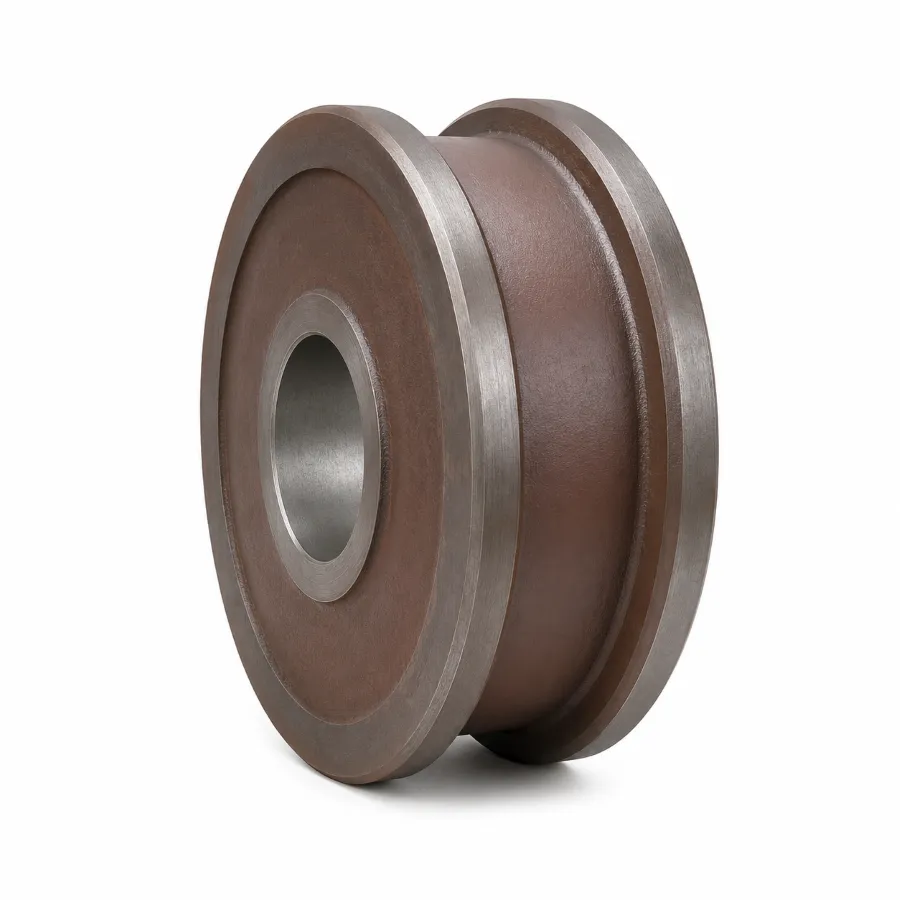
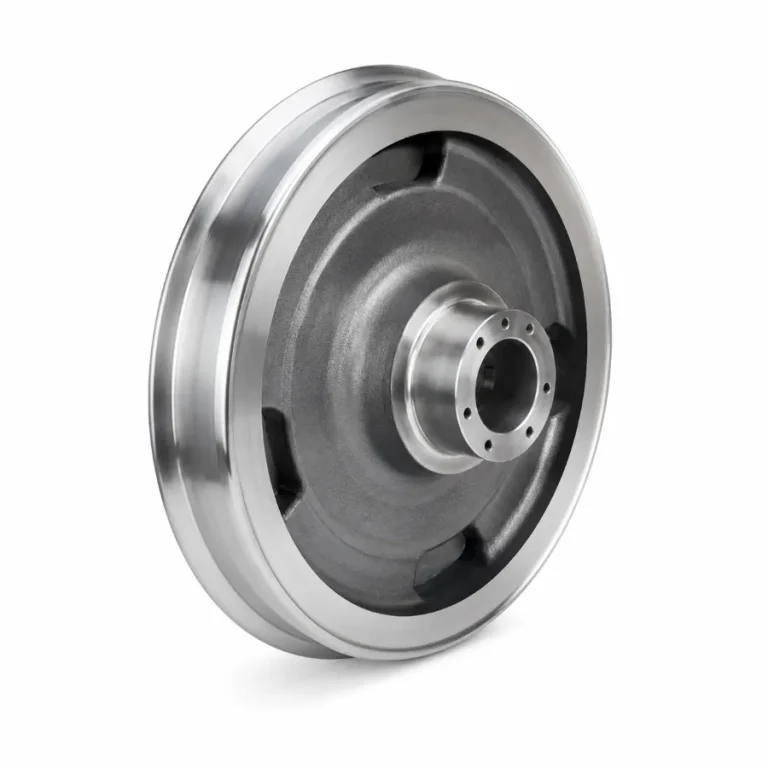
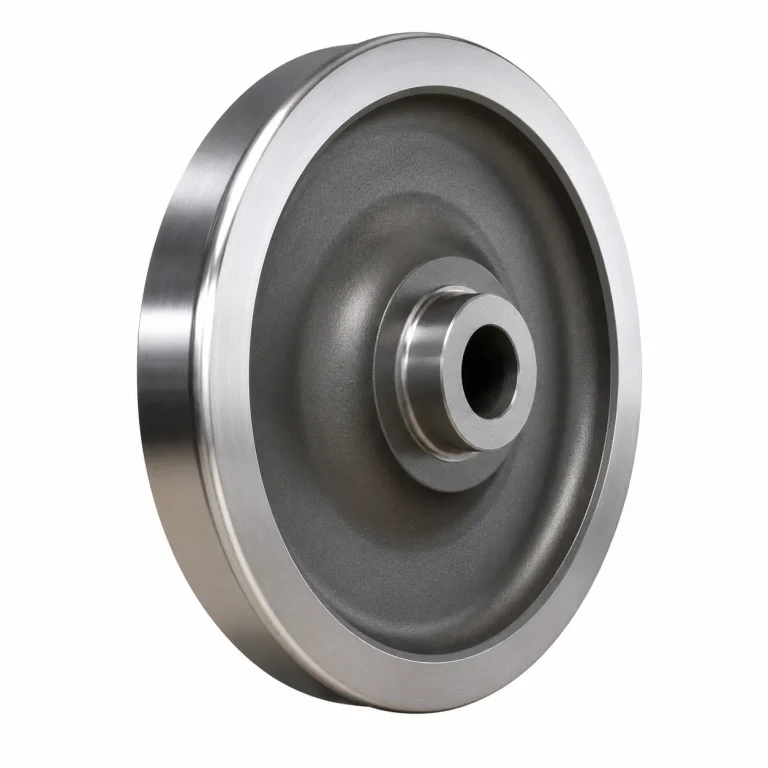
Industrial rail systems operate under conditions that are very different from standard railway transportation. In mining areas, steel plants, crane tracks, and heavy material handling systems, wheels are often exposed to repeated impact loading, rail irregularity, frequent start-stop movement, and low-speed heavy-load operation. Under these working environments, wheel performance is not determined by speed capability alone. What matters more is whether the Heavy Duty Railway Wheels can maintain dimensional stability, structural reliability, and predictable wear behavior over long operating cycles.
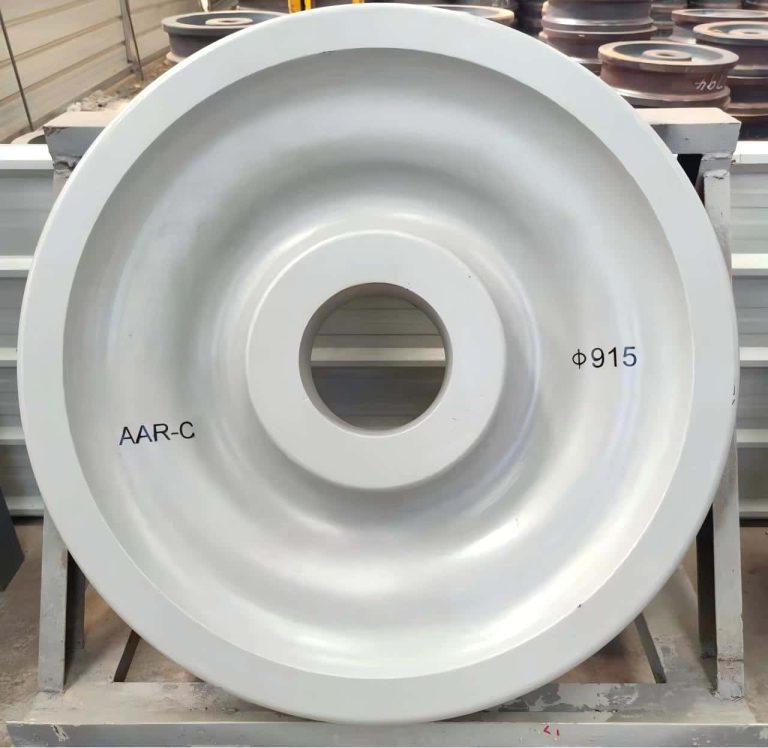
Our industrial and mining rail wheels are manufactured for these demanding conditions, with design considerations focused on practical service performance rather than standardized passenger or freight railway operation.
These wheels are commonly used in:
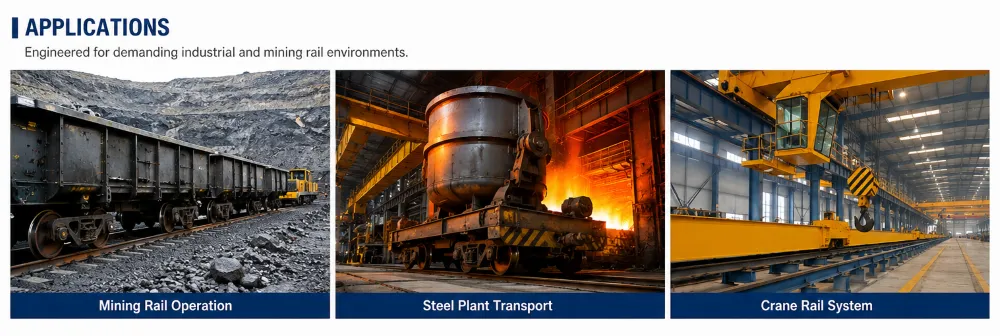
Compared with conventional railway wheels, industrial rail wheels are often subjected to higher lateral loads and more aggressive operating environments. In many applications, rail alignment conditions are less controlled than those found on national railway networks, while wheel loads and impact forces remain extremely high.
Because of this, the wheel design process focuses heavily on:
Material selection, heat treatment, and machining accuracy are treated as part of a combined engineering system rather than isolated manufacturing steps.
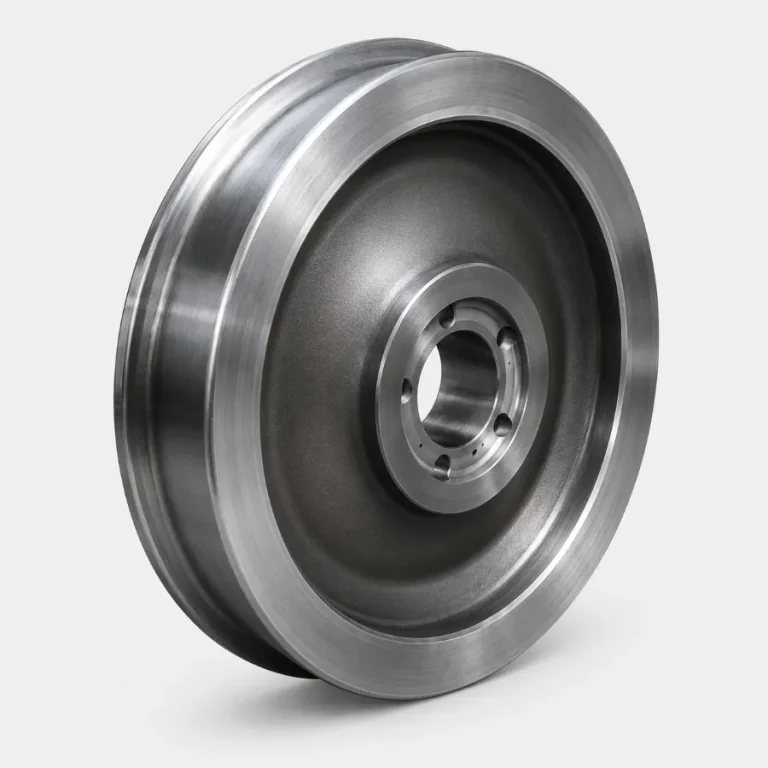
In certain industrial rail systems, especially where rail geometry is limited or track alignment cannot be maintained to mainline railway standards, standard single flange wheels may not provide sufficient lateral guidance stability.
Under these conditions, double flange wheel designs are often adopted to improve operational reliability during low-speed heavy-load movement.
This type of wheel is widely used in:
Compared with conventional single flange configurations, double flange wheels can provide improved guidance performance in environments where lateral movement, rail deviation, or short-radius operation becomes a critical operating factor.
Because these applications are usually low-speed systems, the engineering focus is placed on stability and durability rather than high-speed rolling efficiency.
The wheel is produced using a forging-based manufacturing route combined with controlled heat treatment and CNC machining.
This process helps ensure:
All wheels undergo ultrasonic testing (UT) and magnetic particle inspection (MT), with complete traceability maintained from raw material to final inspection.
| Parameter | Value |
| Wheel Diameter | 400 – 1000 mm (customizable) |
| Axle Load Capacity | Up to 30+ t/axle |
| Material Options | High carbon steel / alloy steel |
| Manufacturing Process | Forging + Heat Treatment + CNC Machining |
| Tread Hardness | 280 – 360 HB |
| Inspection | 100% UT & MT |
| Wheel Configuration | Single flange / Double flange available |
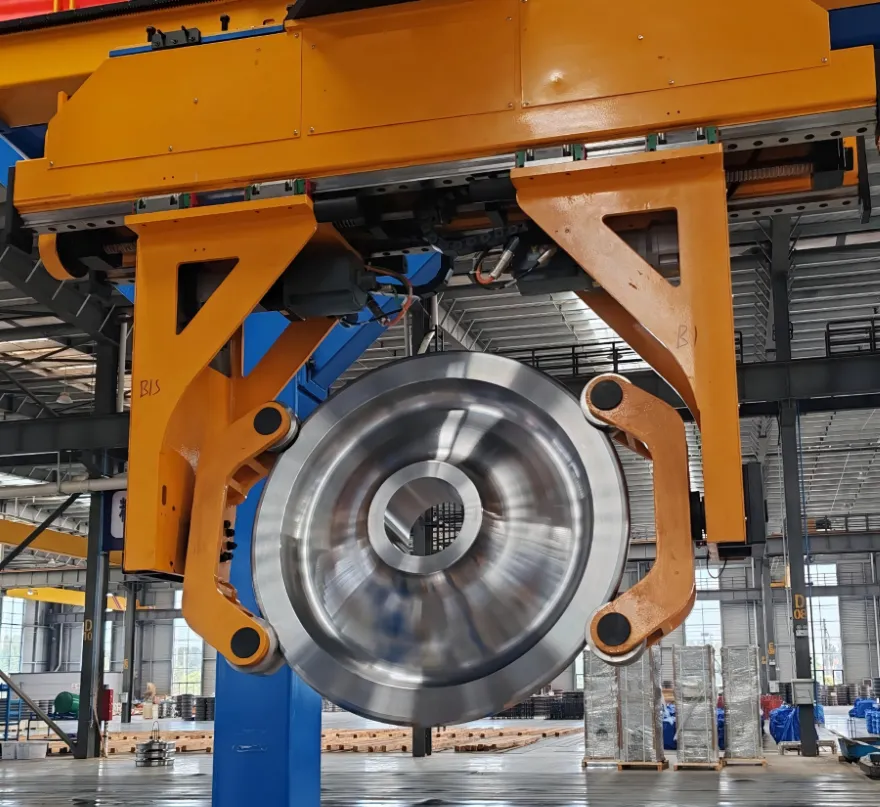
Industrial rail systems often require non-standard wheel configurations based on rail gauge, track geometry, loading conditions, and operational environment.
We Luoyang Fonyo Heavy Industries Co., Ltd. support customized wheel production for:
Technical support is available for drawing evaluation and application-based wheel selection. For inquiries, please contact us for technical details and quotations.