Отсканируйте код WeChat, чтобы связаться с нами.
Отсканируйте код WeChat, чтобы связаться с нами.
Не стесняйтесь, отправьте нам электронное письмо, и мы ответим вам как можно скорее.
Создаем будущее сердцем и душой


When people hear “ковкий чугун,” they often think “strong metal.” But in real-world industrial uses, like train wheels or wind turbine parts, being strong isn’t the only thing that matters. Engineers care about what’s inside the metal, its tiny structure, and how it handles shocks, weight, and daily wear and tear.
In ductile iron, the secret is in two main parts: ferrite and pearlite, plus small balls of graphite spread throughout. Getting the right mix of these decides whether the part is tough(can bend without breaking) or strong(can carry heavy loads)—and for important parts, we need both.
Ductile iron isn’t the same all the way through. Inside, there’s a metal base with tiny graphite balls in it. That base can be mostly ferrite, mostly pearlite, or a mix of both.
The balance between ferrite and pearlite controls how the part behaves. A train wheel hub, например, faces constant shaking and sudden hits. It needs enough ferrite to avoid cracking, but also enough pearlite to support heavy loads.
By tuning this balance, engineers make parts both tough and strong, without trading one for the other.
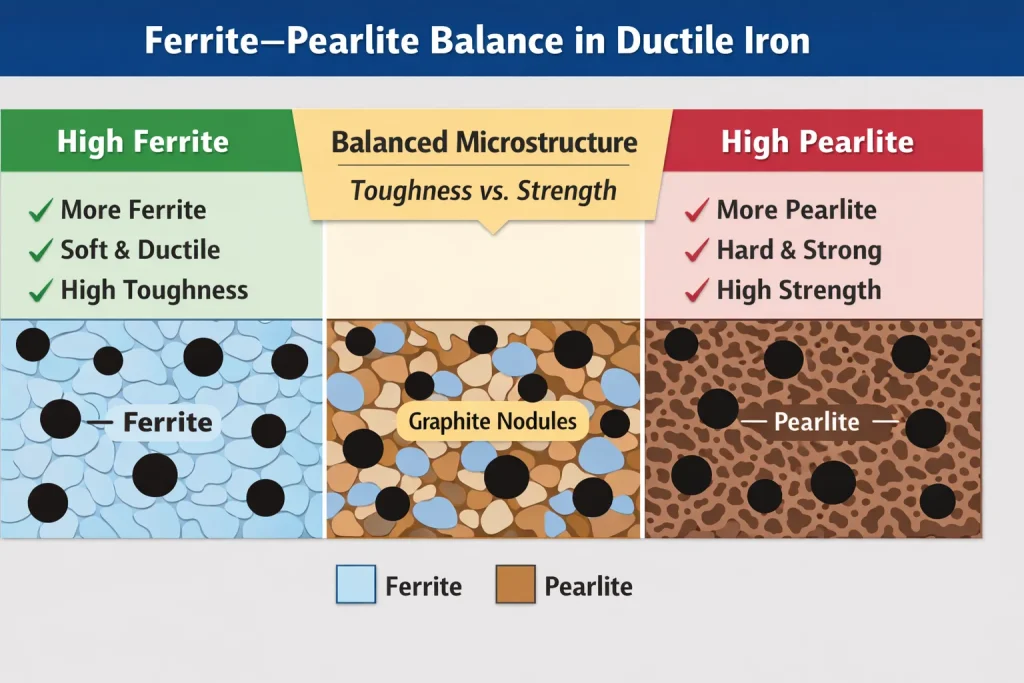
Think of the graphite balls as tiny shock absorbers inside the metal. When a crack tries to spread, these balls block its path, spread out the stress, and prevent sudden breaks.
Here’s what engineers check:
In wind turbine hubs, parts face repeating loads over years. Engineers adjust the graphite to stop cracks, while keeping the part strong enough. The same idea applies to train parts—like brackets that must survive sudden impacts.
The ferrite-pearlite balance doesn’t happen by accident. Engineers control it in a few ways:
By using these methods, the material can be tailored for its job. A thick section of a train coupler might get more ferrite to resist cracking, while a thinner area keeps more pearlite for strength.
In both cases, controlling the ferrite-pearlite mix means the part performs well and lasts long. Engineers aim for the best balance, not just maximum strength or maximum toughness.
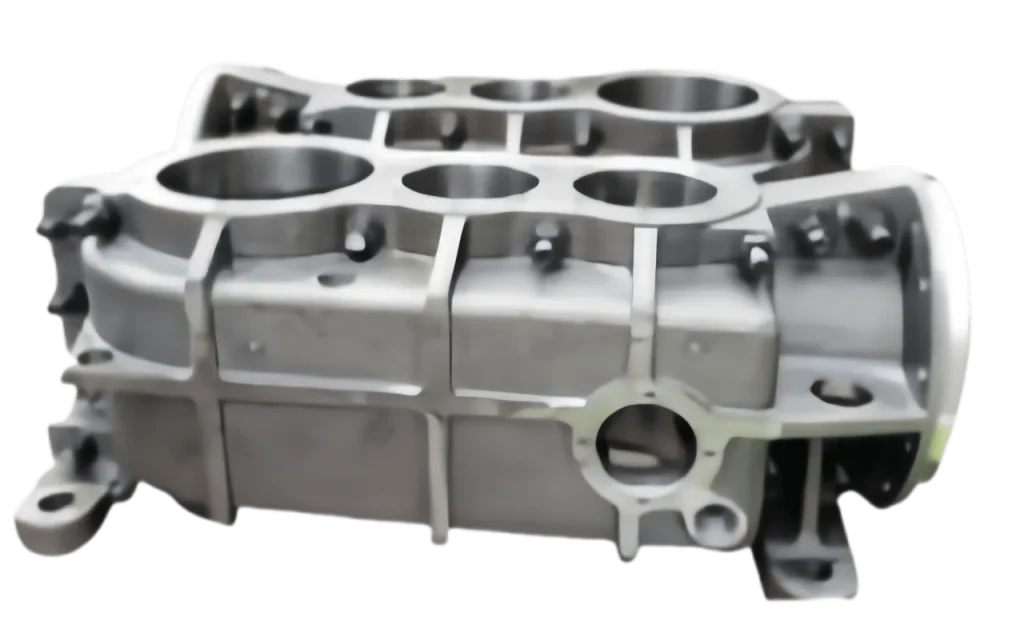
На практике, here’s how it’s done:
This way, every part is designed from the inside out, matching the needs of trains or wind turbines.
Эта статья является частью нашей серии статей «Внутреннее промышленное литье»., изучение инженерных принципов, лежащих в основе материалов и процессов промышленного литья.
Вас также может заинтересовать:
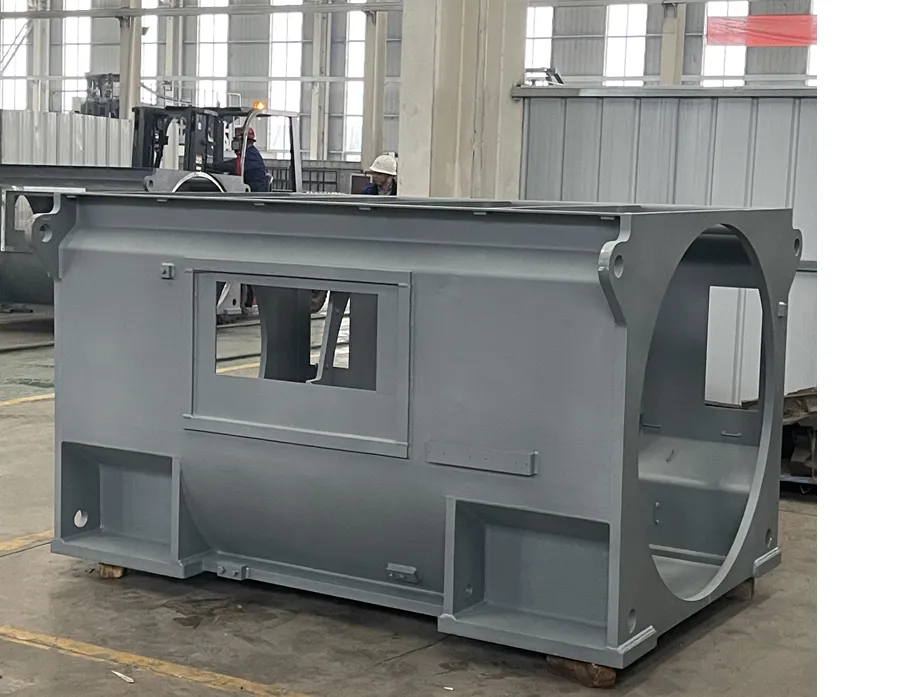
В Лоянская компания Fonyo Heavy Industries Co., ООО, we apply this approach to every ductile iron component we produce, from railway castings to wind turbine housing, making sure that microstructure and engineering design go hand in hand. We also support custom production based on your drawings or samples, manufacturing ductile iron, grey iron, and cast steel components for various industrial applications, включая железнодорожные колеса and locomotive parts.
Пожалуйста, посетите наш сайт www.railwaypart.com to know more about our products. If you have any requirement for railway components, we are always here to help you, пожалуйста, не стесняйтесь связаться с нами.