Отсканируйте код WeChat, чтобы связаться с нами.
Отсканируйте код WeChat, чтобы связаться с нами.
Не стесняйтесь, отправьте нам электронное письмо, и мы ответим вам как можно скорее.
Создаем будущее сердцем и душой


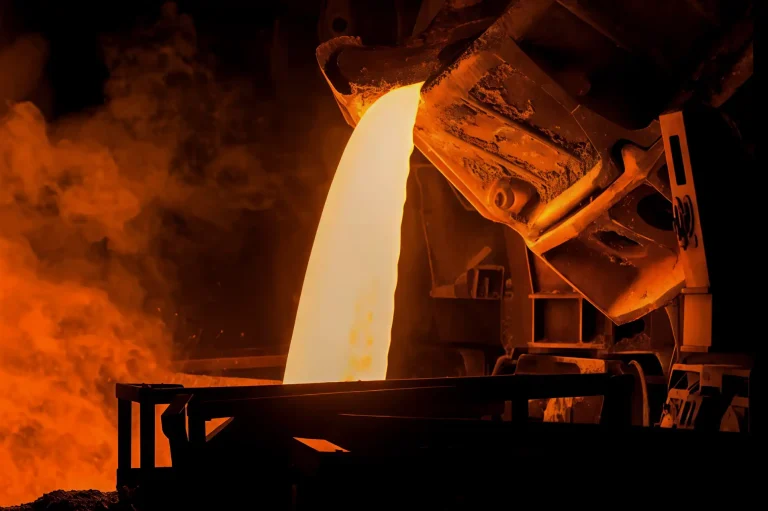
In the field of industrial manufacturing, чугунные детали are widely used in machinery manufacturing, железнодорожный транспорт, construction engineering and other industries due to their good castability, wear resistance and shock absorption. Однако, the quality of cast iron parts is directly related to the safety and service life of equipment, and how to ensure the quality of cast iron parts becomes the key. Металлографический контроль, тот “detective” technology of the microscopic world, has unveiled the mystery of the quality of cast iron parts for us.
Что такое металлографический контроль?
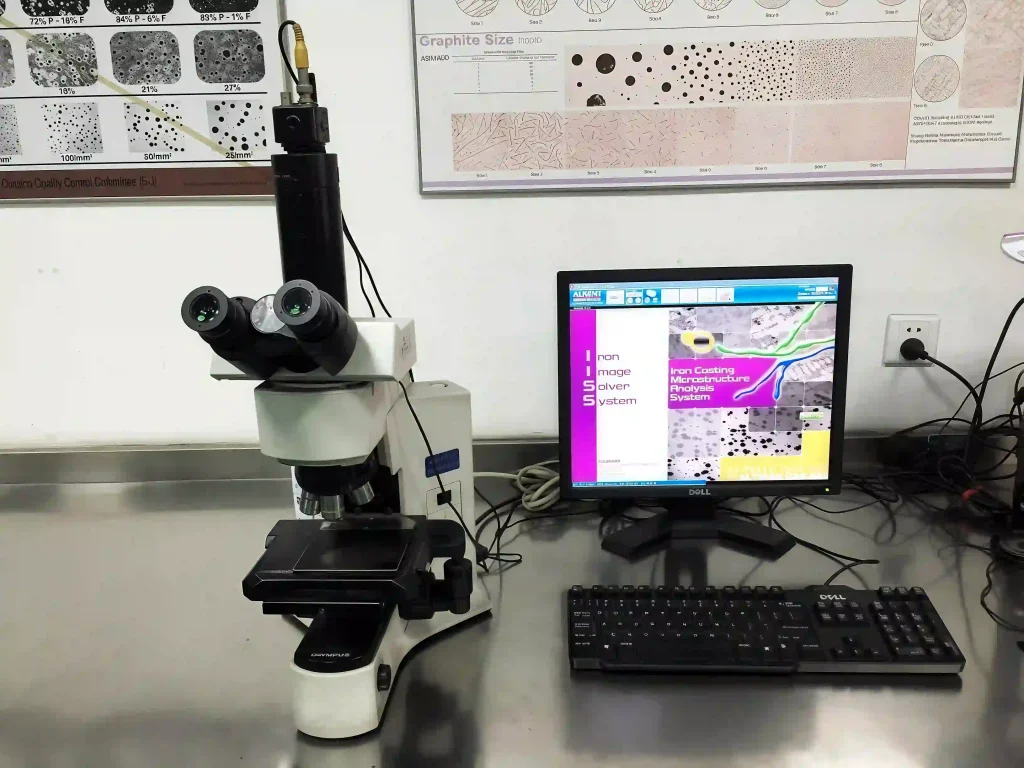
Металлографический контроль, как следует из названия, is to observe and analyze the microstructure of metal materials through equipment such as metallographic microscopes. These microstructures include the size, форма, distribution of grains, and the composition and arrangement of different phases. They are like the “genes” из чугунных деталей, which determine the macroscopic properties of the material, such as strength, твердость, прочность, и т. д..
The importance of metallographic testing of cast iron parts
During the solidification process of cast iron, due to the influence of factors such as cooling rate and chemical composition, various microstructural defects are easily formed, such as abnormal graphite morphology (poor spheroidization, coarse flake graphite), coarse eutectic clusters, carbide segregation, и т. д.. These defects are like “invisible killers” that will weaken the mechanical properties of cast iron parts and increase the risk of fracture and wear during use. Metallographic testing is like a “micro CT” that can accurately capture these microscopic defects and provide a scientific basis for quality control.
How is metallographic testing performed?
The process of metallographic testing is like a precise “surgical operation”. Первый, a small piece of sample is cut from the cast iron part, and the surface of the sample is polished to be as smooth as a mirror through cutting, inlaying, grinding, polishing and other steps. Впоследствии, a specific etchant is used to chemically erode the surface of the sample, so that different tissue phases show a sharp contrast under the microscope. Окончательно, the characteristics of the microstructure are observed and recorded through a metallographic microscope, and compared and analyzed with the standard atlas.
What can metallographic testing tell us?
Благодаря металлографическому контролю, we can intuitively see the microscopic world inside the cast iron part. Например, in ductile iron, graphite is evenly distributed in a spherical form, which can effectively improve the strength and toughness of cast iron; while the flake graphite in gray cast iron will reduce the strength of the material. Кроме того, metallographic testing can also detect defects such as inclusions and pores in cast iron parts, evaluate the effect of heat treatment processes, and even trace the root causes of problems in the production process.
Металлографический контроль – тот “guardian” of cast iron quality
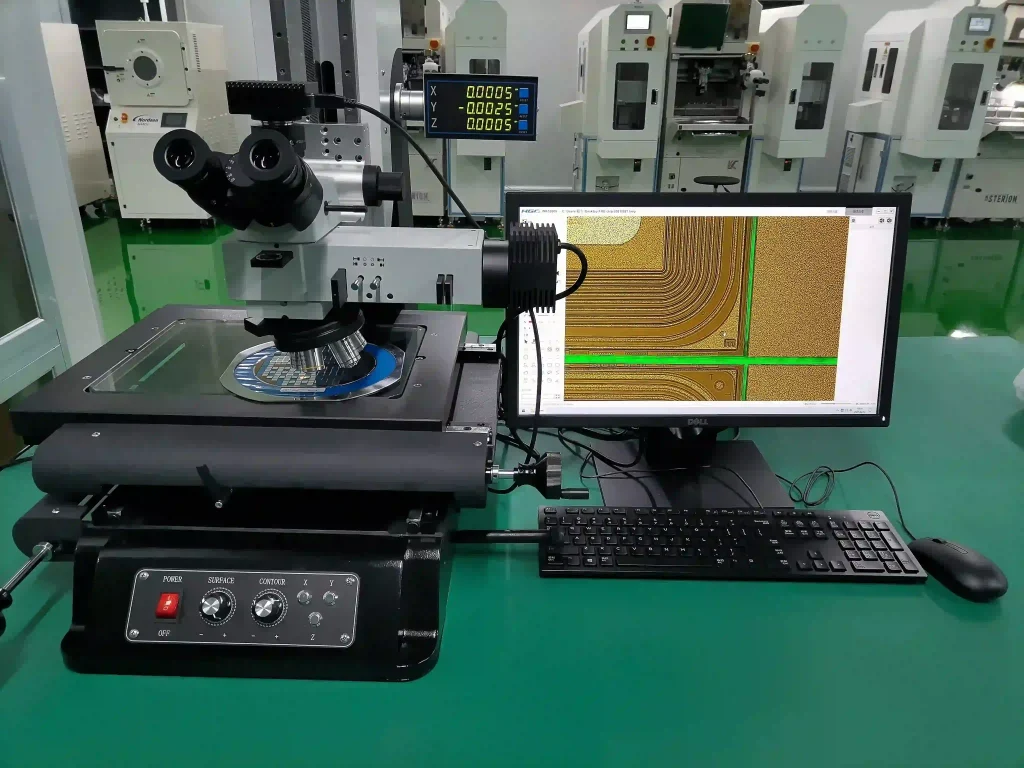
В процессе производства чугунных деталей, metallographic testing runs through the entire process. From raw material inspection, smelting process monitoring, to finished product quality sampling, metallographic testing provides reliable quality assurance for each process. It not only helps manufacturers optimize process parameters and reduce scrap rates, but also provides a scientific basis for product performance improvement and innovation.
As an important means of quality control of cast iron parts, metallographic testing protects the quality and safety of cast iron parts with its unique “microscopic perspective”. Благодаря постоянному развитию науки и техники, metallographic testing technology is also continuously upgraded to safeguard the high-quality development of industrial manufacturing.
Поставщик
Лоянская компания Fonyo Heavy Industries Co., ООО,Основанная в 1998 году, является производителем литых железнодорожных деталей. Наш завод занимает площадь 72 600 кв.м., с более чем 300 сотрудники, 32 техники, включая 5 старшие инженеры, 11 помощники инженера, и 16 Техники.Наша производственная мощность 30,000 тонн в год. В настоящее время, в основном мы производим литье, механическая обработка, и сборка для локомотива,вагон,высокоскоростные поезда, горное оборудование,энергия ветра,и т. д. Наша продукция экспортируется в Россию, Соединенные Штаты, Германия, Аргентина, Япония, Франция, ЮАР,Италия и другие страны.
Контакт: Стелла Лю
Электронная почта:[email protected]
мобильный:+8615515351287