Отсканируйте код WeChat, чтобы связаться с нами.
Отсканируйте код WeChat, чтобы связаться с нами.
Не стесняйтесь, отправьте нам электронное письмо, и мы ответим вам как можно скорее.
Создаем будущее сердцем и душой

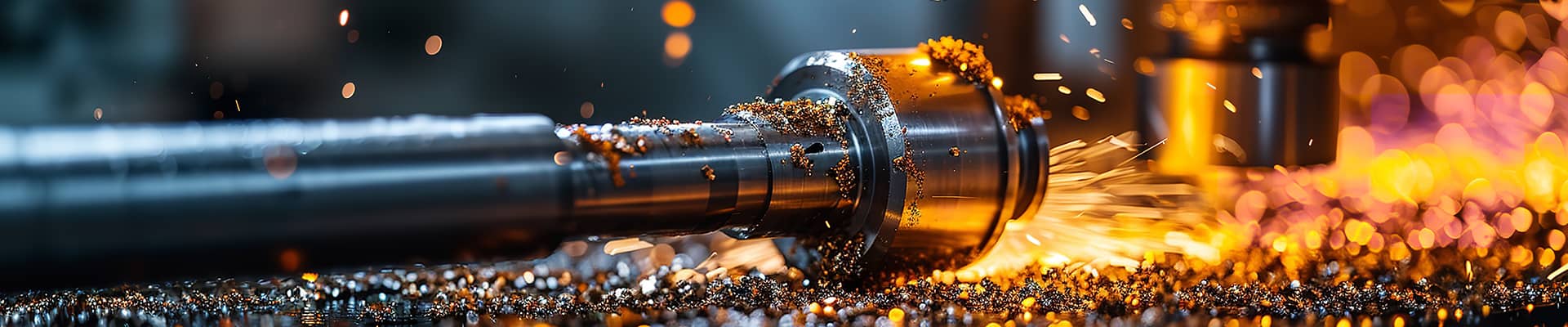
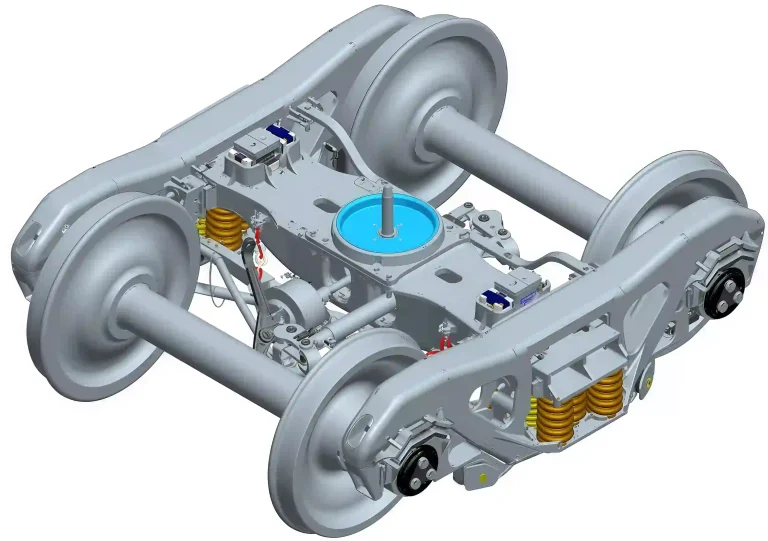
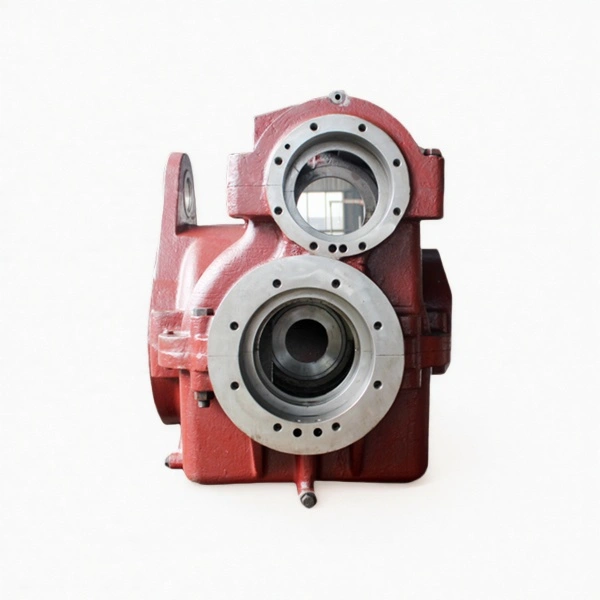
In the grand movement of railway transportation, railway gearboxes are just a small “note”, but they play a vital role. They are like the “joints” of the train, accurately transmitting power to ensure that the train runs smoothly and efficiently on the track. Следующий, let us unveil the mystery of railway gearboxes and explore their classification, similarities and differences.
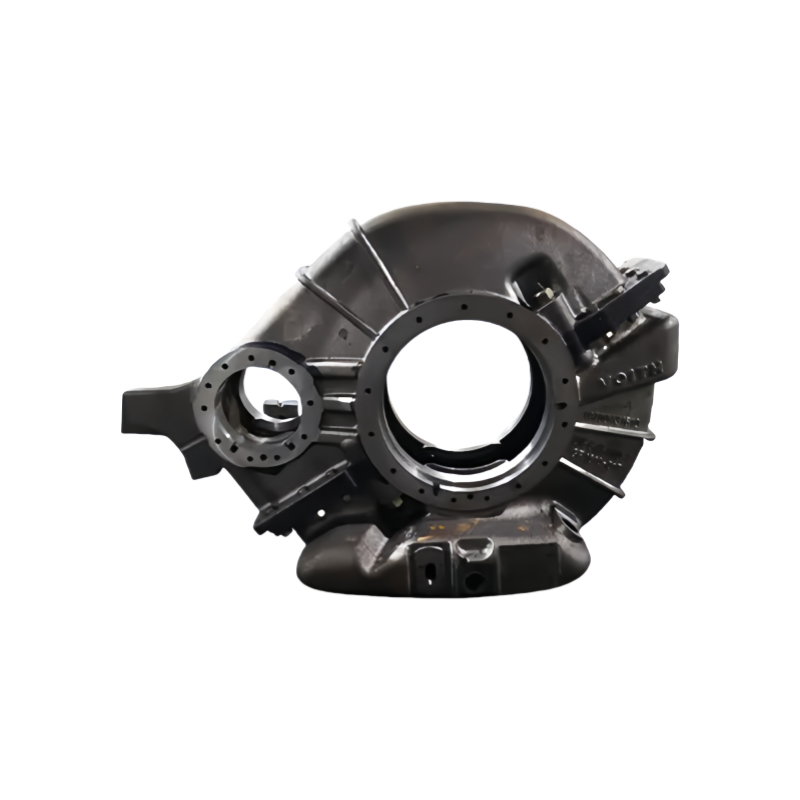
Railway gearboxes can be classified in a variety of ways and can be divided into different types according to different standards.
According to the applicable vehicle model, they are mainly divided into locomotive gearboxes and EMU gearboxes. Locomotive gearboxes are common in traditional electric locomotives or diesel locomotives. This type of locomotive often undertakes heavy-duty transportation tasks and has huge power, so the gearbox needs to have a strong load-bearing capacity to withstand high torque and heavy loads. EMU gearboxes are the exclusive “оборудование” of EMU trains. EMUs pursue high speed and smooth operation and have extremely high requirements for lightweight, high precision and low noise gearboxes to ensure the comfort of passengers.
From the perspective of transmission mode, there are single-stage transmission gearboxes and multi-stage transmission gearboxes. The single-stage transmission gearbox has a relatively simple structure and high transmission efficiency. It is suitable for working conditions with a small speed change range and relatively stable load. It is like a “straightforward” player, completing the power transmission task efficiently and directly. The multi-stage transmission gearbox can achieve a larger transmission ratio change range through multi-stage gear meshing, meeting the operation requirements of the train under different speeds and load conditions. It is like a “jack of all trades” and can flexibly respond to various complex situations, but the structure is also more complex.
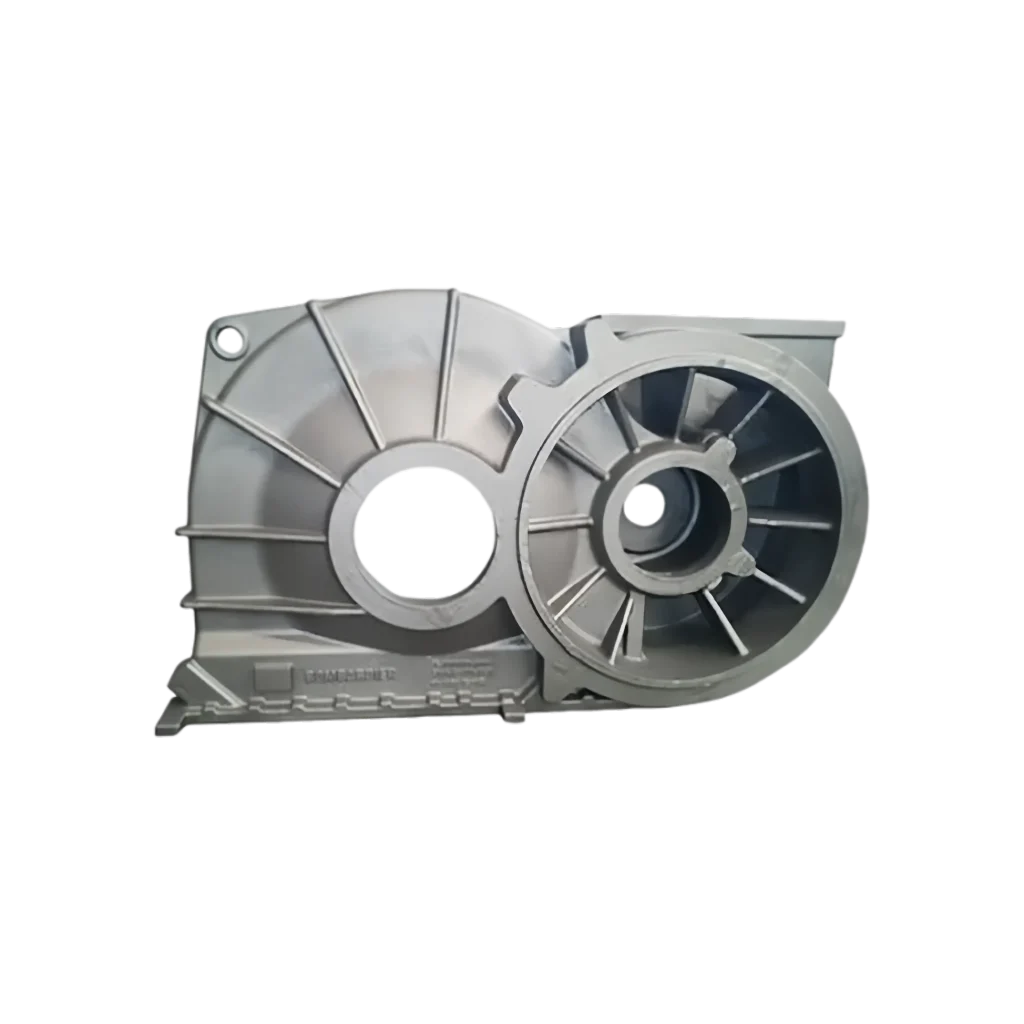
Although there are various types of railway gearboxes, they are similar in basic functions. Their core mission is to transfer the power generated by the power source (such as an electric motor or an internal combustion engine) to the wheels through the meshing of gears to drive the train forward. This is like a baton in a relay race. The gearbox accurately transfers the power to the next stick wheel, allowing the train to gallop on the track.
В то же время, good sealing is the common pursuit of all types of gearboxes. They need to prevent lubricating oil leakage to avoid increased gear wear due to insufficient lubrication; they also need to prevent external impurities from entering to ensure that the gears operate normally in a clean environment, just like building a “safe fortress” for the gears to ensure that they work stably and reliably.
The differences between different types of gearboxes are reflected in many aspects. Structurally, locomotive gearboxes are usually larger due to their high power and high load, and the size of the gears and shafts is also thicker to enhance the carrying capacity, just like a “strongman” with a strong physique to cope with heavy load challenges. EMU gearboxes pay more attention to lightweight design, using high-strength and lightweight materials to reduce their weight and reduce train energy consumption, just like a “light dancer” dancing on high-speed tracks with a flexible posture.
In terms of performance, EMU gearboxes have extremely high requirements for transmission accuracy and noise control. When running at high speed, even a small transmission error may affect the stability of the train and the comfort of passengers, so it must be like a “precision craftsman” to ensure that every transmission link is accurate and correct. The locomotive gearbox emphasizes reliability and durability and can operate stably for a long time in harsh working environments, just like a “tough warrior” who is not afraid of the test of harsh conditions such as wind, sand, and high temperature and always sticks to his post.
There are various types of railway gearboxes, and each type has its own unique design and application scenarios. They are similar in basic functions but have their own characteristics in structure and performance. It is the collaborative work of these different types of gearboxes that enables railway trains to adapt to various complex operating conditions and bring us a convenient and efficient travel experience. Благодаря постоянному развитию железнодорожных технологий, gearboxes will continue to be upgraded and improved and continue to write a brilliant chapter in the railway transportation industry.
Лоянская компания Fonyo Heavy Industries Co., ООО,Основанная в 1998 году, является производителем литых железнодорожных деталей. Наш завод занимает площадь 72 600 кв.м., с более чем 300 сотрудники, 32 техники, включая 5 старшие инженеры, 11 помощники инженера, и 16 Техники.Наша производственная мощность 30,000 тонн в год. В настоящее время, в основном мы производим литье, механическая обработка, и сборка для локомотива,вагон,высокоскоростные поезда, горное оборудование,энергия ветра,и т. д. Наша продукция экспортируется в Россию, Соединенные Штаты, Германия, Аргентина, Япония, Франция, ЮАР,Италия и другие страны.
Контакт: Стелла Лю
Электронная почта:[email protected]
мобильный:+8615515351287