WeChat 코드를 스캔하여 문의하세요
WeChat 코드를 스캔하여 문의하세요
이메일을 보내주시면 최대한 빨리 답변해 드리겠습니다..
마음과 영혼을 다해 미래를 창조하다


In the core areas of rail transit, high-end manufacturing, and even future maglev technology, traction motors play an irreplaceable role. 하지만, there are fundamental differences in motion modes and implementation paths between permanent magnet traction motors (PMTM) and linear traction motors (LTM). It cannot be simply summarized as “rotation” 그리고 “linear”. Understanding the deep characteristics of these two power cores is crucial for grasping the future of transportation and industrial drive technologies.
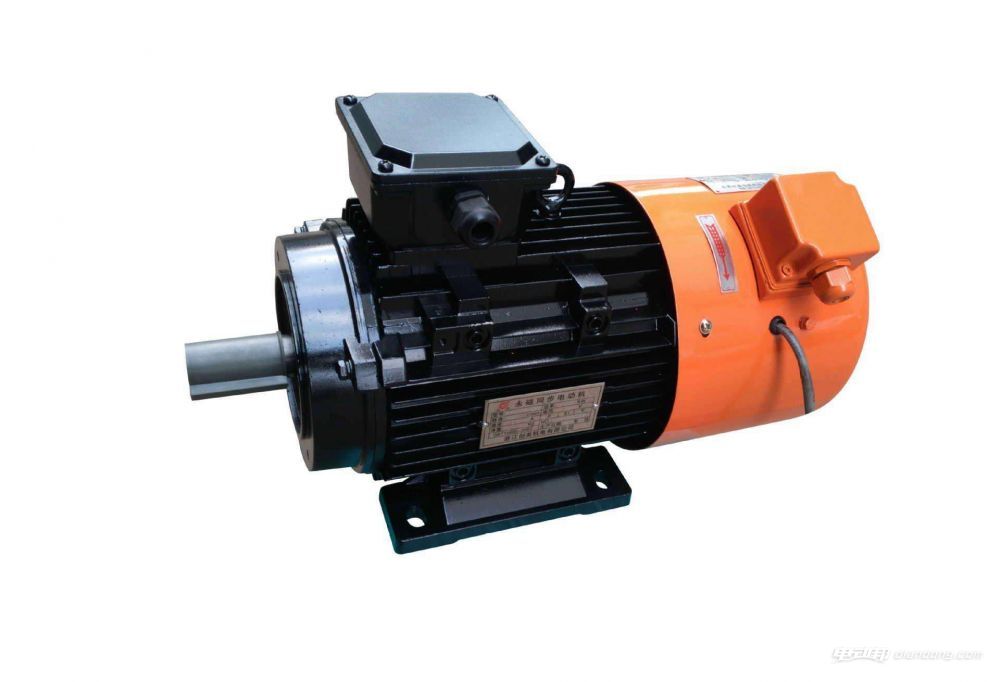
Permanent Magnet Traction Motor (PMTM): Its core charm lies in the rotational magnetic field driving rotational motion. When current flows through the carefully designed stator windings, a powerful rotating magnetic field is generated. The high-performance permanent magnets (such as neodymium iron boron) embedded in the rotor core, as if captured by an invisible hand, closely follow this rotating magnetic field and rotate synchronously, efficiently converting electrical energy into mechanical energy for the rotation of the drive shaft. This mature principle is widely applied in modern electric vehicles, high-speed rail EMUs, and even industrial automation fields, with a reliable technical route and excellent efficiency performance.
Linear Traction Motor (LTM): 본질적으로, it realizes the linearization of the magnetic field for propulsion. Imagine “cutting” 그리고 “flattening” the stator and rotor of a conventional rotary motor along the radial direction: the traditional stator becomes the primary winding (stator) laid along the track, while the former rotor transforms into the secondary reaction plate (mover) installed on the moving device. When current flows through the segments of the primary winding in precise sequence, the generated field is not a rotating magnetic field but an electromagnetic wave traveling unidirectionally along the track. The conductors or permanent magnets in the secondary reaction plate are “pushed” 또는 “pulled” by this traveling magnetic field, directly generating a powerful linear thrust. This characteristic makes it the preferred power source for maglev trains (such as the Shanghai Maglev Line), advanced automated logistics lines, and certain high-precision industrial linear drive platforms.
Permanent Magnet Traction Motor (PMTM):
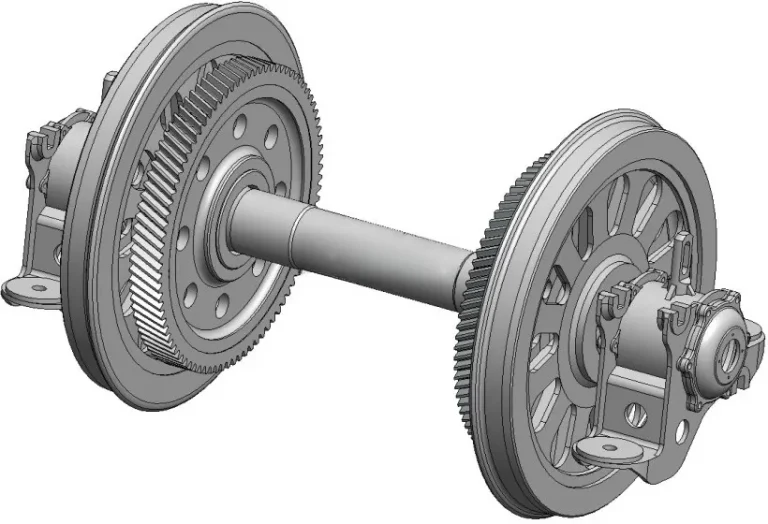
Structural Features: Classic rotary structure, consisting of a stationary stator (windings) and a rotating rotor (permanent magnets). The output is torque, which needs to be converted into the linear traction force required for vehicle movement through intermediate mechanisms such as gearboxes, drive shafts, and wheel sets. The structure is relatively compact with high power density.
Typical Application Scenarios: Electric vehicles (driving wheels), electric locomotives/EMUs (driving wheel sets), electric ship propulsion, industrial pump and fan drives, 등., in any situation requiring efficient rotational power output.
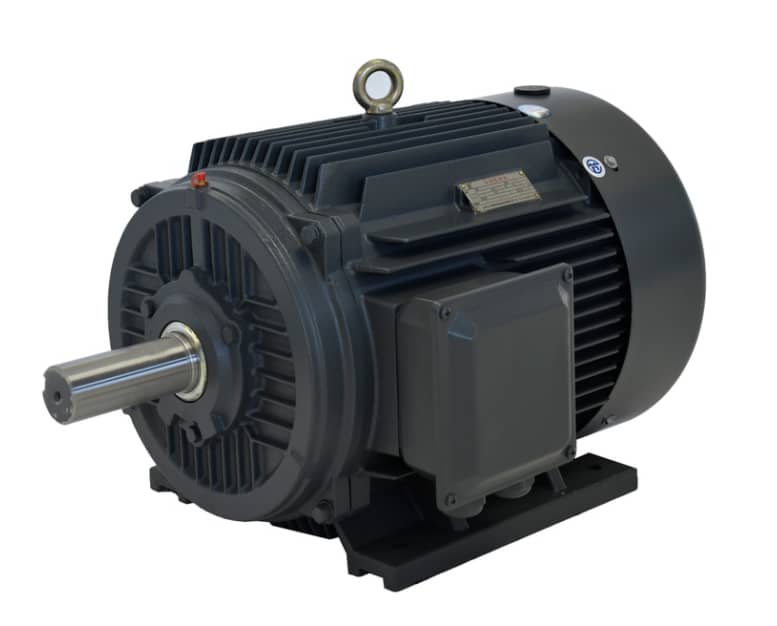
Linear Traction Motor (LTM):
Structural Features: “Unfolded” flat structure. The primary (long or short stator with windings) is fixed on the track or base; the secondary (reaction plate) is installed on the moving load. The core advantage lies in directly outputting linear thrust, eliminating the transmission mechanisms (기어박스, couplings, wheel sets) necessary for rotary motors and significantly simplifying the drive chain.
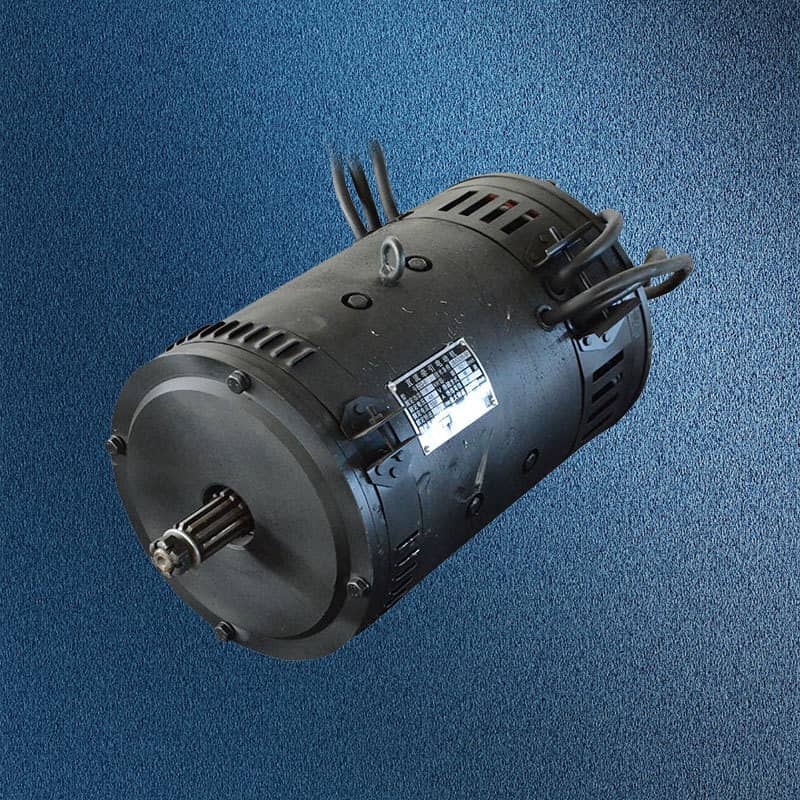
Typical Application Scenarios:
Maglev transportation: Core power unit, providing both levitation (for EMS type) and powerful propulsion (such as the Shanghai high-speed maglev and Changsha medium-low speed maglev).
High-precision, high-speed linear motion platforms: Semiconductor lithography machines, precision CNC machines, automated assembly lines, high-speed material conveying systems.
Electromagnetic launch: Core technology of modern aircraft carriers, using instantaneous huge linear thrust to accelerate carrier-based aircraft (such as the EMALS system on the US Ford-class aircraft carriers). Vertical Transportation Innovation: Cordless elevators driven by linear motors (such as ThyssenKrupp’s MULTI system) enable multiple cabins to operate independently within the same shaft.
Efficiency and Power Density:
PMTM: Permanent magnet synchronous technology inherently offers high efficiency (measured data often exceeds 96%), especially under partial load conditions. Its power density (output per unit volume/weight) is typically higher than that of traditional induction motors, making it crucial for enhancing the range of electric vehicles.
LTM: The theoretical efficiency potential is significant. 하지만, the long primary structure (the primary winding covers the entire track) leads to substantial increases in copper and iron losses due to the extremely long windings and cores. 그만큼 “edge effect” (abnormal trailing of the magnetic field at the ends of the primary) 그리고 “tooth slot effect” (thrust pulsation caused by core slotting) result in additional losses, often making the actual system efficiency lower than that of a rotating permanent magnet motor of the same power rating. The short primary structure (the primary winding is on the mover) has slightly better efficiency but requires a sliding contact power supply or on-board energy, presenting new challenges.
Thrust/ Torque Characteristics:
PMTM: Outputs smooth torque and can provide high torque at low speeds, with a wide speed regulation range.
LTM: Directly outputs strong linear thrust, with a significant advantage in starting thrust. 하지만, the thrust is significantly affected by fluctuations in the air gap between the primary and secondary, increasing control difficulty.
Control Complexity:
PMTM: Control technology is highly mature (vector control, direct torque control), with relatively standardized algorithms, mainly relying on precise rotor position feedback.
LTM: Control complexity increases geometrically:
Segmented power supply and synchronization for long primaries: Requires real-time, precise determination of the mover’s position to supply power only to the primary segment where the mover is located and ensure seamless magnetic field switching (similar to the baton handover in track and field relay races).
Strong coupling challenges: The propulsion force, levitation force (in magnetic levitation applications), and guidance force are tightly coupled. Any change in one variable will cause system oscillations.
Robustness requirements: Changes in the air gap, load disturbances, and parameter perturbations (such as resistance drift due to temperature changes) require the control system to have extremely strong anti-interference and adaptive capabilities, making algorithm design highly challenging.
Cost and Maintenance:
PMTM: Mature manufacturing processes and a complete industrial chain result in relatively controllable costs. Maintenance is mainly focused on the motor body and transmission system.
LTM: Initial investment is significantly high:
Long primary LTM: The cost of laying the entire track’s primary winding is huge, with astonishing material and engineering expenses.
All types of LTM: Extremely strict requirements for the straightness and precision of the track/guideway installation (micrometer level), with considerable construction and calibration costs.
Maintenance challenges: Inspection and maintenance of the primary winding along the track are complex; maintaining a uniform air gap between the mover and the primary requires continuous, precise calibration.
PMTM: Continuously focuses on material breakthroughs (higher temperature resistance, stronger magnetic energy accumulation of permanent magnets, lower loss silicon steel sheets), topological structure innovations (such as new magnetoresistive-assisted permanent magnet motors), and intelligent thermal management strategies, aiming to further break through the limits of power density and efficiency. It maintains a stable position in traditional advantageous fields such as high-speed trains and electric vehicles.
LTM: The core evolution direction lies in the intelligentization and robustness of control algorithms (such as advanced adaptive control, model predictive control, AI-enabled state observation), the practical exploration of superconducting technology (significantly reducing the losses of long primaries), and modular and standardized design to reduce costs. It represents the key direction of future development in ultra-high-speed ground transportation (~와 같은 600 km/h+ maglev), extreme precision manufacturing, and revolutionary cordless multi-car elevator systems. Permanent magnet traction motors and linear traction motors represent two outstanding paradigms of human mastery over electromagnetic energy – the elegance of rotation and the directness of linear motion. The former, with its maturity and efficiency, firmly occupies the core position in the realm of rotational drive; the latter, with its innovative structure, eliminates the conversion step from rotation to linear motion, opening up entirely new fields such as magnetic levitation and ultra-precision linear drive. They are not simply substitutes for each other but rather demonstrate unique value in their respective most suitable domains. 미래에, whether it is the pursuit of ultimate efficiency in electric vehicle wheel-side drive, the pinnacle of speed represented by superconducting maglev trains, or the quiet revolution of urban vertical transportation with ropeless elevators, none can do without the continuous evolution and precise application of these two power cores. Understanding their differences is a crucial step in discerning the pulse of future power technology.
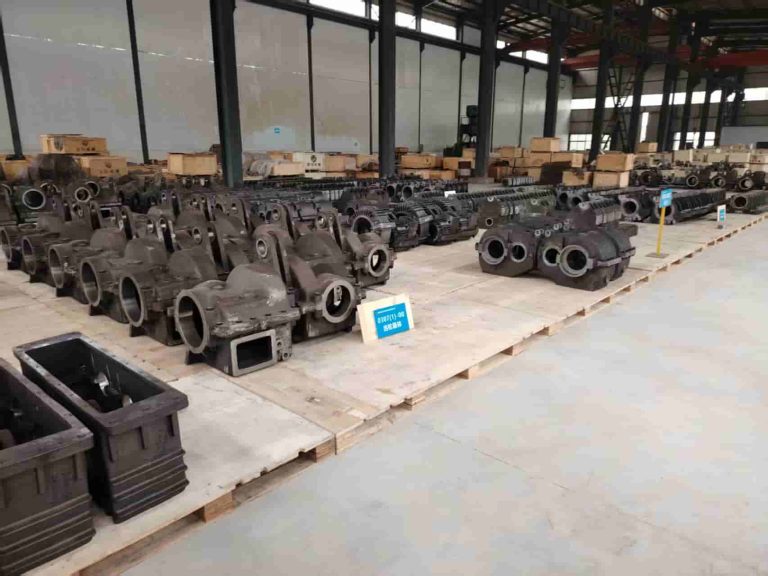
뤄양포뇨중공업(Luoyang Fonyo Heavy Industries), 주식회사, 1998년에 설립된 철도 주조 부품 제조업체입니다.. 우리 공장의 면적은 72,600㎡입니다., 이상으로 300 직원, 32 기술자, 포함 5 수석 엔지니어, 11 보조 엔지니어, 그리고 16 기술자. 우리의 생산 능력은 30,000 연간 톤. 현재, 우리는 주로 주조물을 생산하고 있습니다, 가공, 기관차 조립 및 조립, 철도 차량, 고속 열차, 광산 장비, 풍력, 등.
우리는 CRRC에 철도 부품을 공급하고 있습니다.(이상 포함 20 CRRC의 지사 및 자회사), Gemac 엔지니어링 기계, 삼니그룹, 중공업, 등. 우리의 제품은 러시아로 수출되었습니다, 미국, 독일, 아르헨티나, 일본, 프랑스, 남아프리카, 이탈리아와 전 세계의 다른 나라들.
연락처 정보:
이메일:[email protected]
이동하는:008615515321683