WeChat 코드를 스캔하여 문의하세요
WeChat 코드를 스캔하여 문의하세요
이메일을 보내주시면 최대한 빨리 답변해 드리겠습니다..
마음과 영혼을 다해 미래를 창조하다


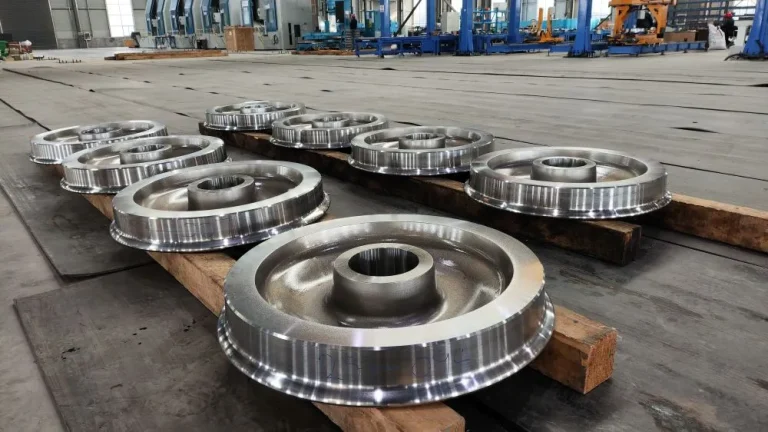
철도 바퀴 단순해 보일 수도 있다, 하지만 그들은 매일 극한 상황에서 일한다.
그들은 무거운 짐을 지고 다닌다, 빠른 속도로 굴러가다, 강한 제동력을 견뎌야 합니다..
뭔가 잘못되면, 결과는 심각할 수 있다.
이것이 바로 기계적 유한 요소 분석이 필요한 이유입니다. (FEA) 철도 휠 설계 및 제조에서 매우 중요한 역할을 합니다..
이 기사에서는 FEA가 실제로 수행하는 작업에 대해 설명합니다., 그리고 그것이 왜 중요한지, 명확하고 실용적인 방법으로.
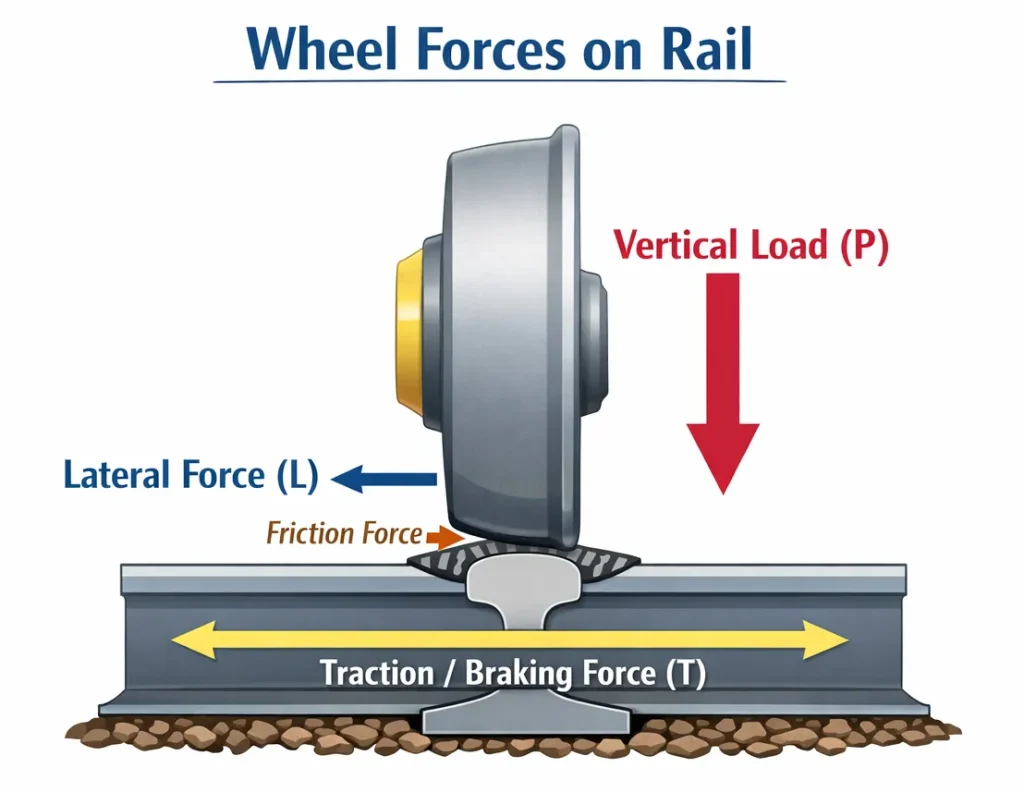
철도 바퀴는 결코 쉬지 않습니다.
서비스 중, 처리해야합니다:
이 모든 힘은 계속해서 작용합니다., 수백만 사이클 이상.
작은 디자인 약점이라도 서서히 균열로 변할 수 있습니다..
Mechanical FEA is a computer-based simulation method.
It answers one basic question:
“What happens inside the wheel when forces are applied?”
Using FEA, engineers can:
Instead of guessing, FEA shows where problems may appear before the wheel is produced.

A typical Mechanical FEA for 철도 바퀴 focuses on three main points.
1. Stress
Stress shows how much force the material is carrying.
High stress areas are more likely to crack over time.
2. Deformation
This shows how much the wheel bends or moves under load.
Even small deformations matter for long-term performance.
3. Safety Margin
FEA compares calculated stress with allowable limits defined by standards.
This helps confirm whether the design is safe.
FEA often shows that stress is not evenly distributed.
Some areas need special attention:
These zones may look normal from the outside, but FEA reveals what is happening inside the wheel.
Traditional inspection checks the wheel after it is made.
FEA works before production, when changes are still easy and low-cost.
With FEA, manufacturers can:
It turns experience and standards into measurable results.

Mechanical FEA is not just a calculation exercise.
It helps ensure that:
When combined with accurate manufacturing and precise measurement, FEA helps turn a design into a wheel that performs safely in the real world.
A well-prepared FEA report builds confidence in the design.
But simulation alone is not enough.
To achieve reliable results, the real wheel must closely match the simulated model.
That is why modern wheel manufacturing also relies on precise forming and advanced measurement methods.
When design, analysis, and manufacturing work together, safety is no longer just assumed—it is verified.
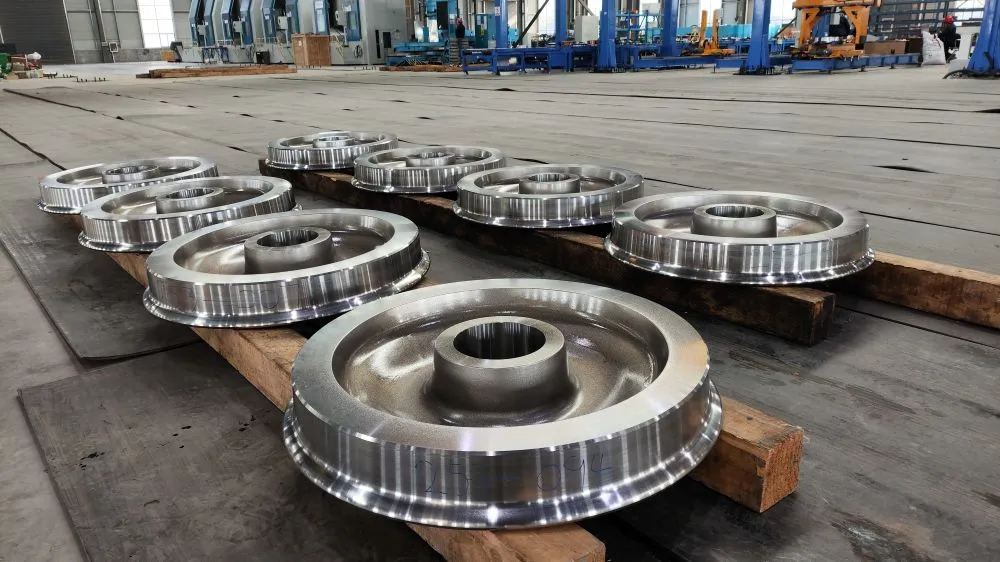
Mechanical FEA plays a key role in ensuring 철도 바퀴 안전, but simulation alone is not enough.
Reliable results depend on accurate design, controlled manufacturing, and a deep understanding of real service conditions.
뤄양포뇨중공업(Luoyang Fonyo Heavy Industries), 주식회사. combines practical FEA experience with railway wheel manufacturing expertise, helping ensure that simulation results truly reflect real-world performance.
If you would like to learn more about our railway wheels and related solutions, 방문해주세요
www.railwaypart.com