Scansiona il codice WeChat per contattarci
Scansiona il codice WeChat per contattarci
Sentiti libero di inviarci un'e-mail e ti risponderemo il prima possibile.
Creare il futuro con cuore e anima


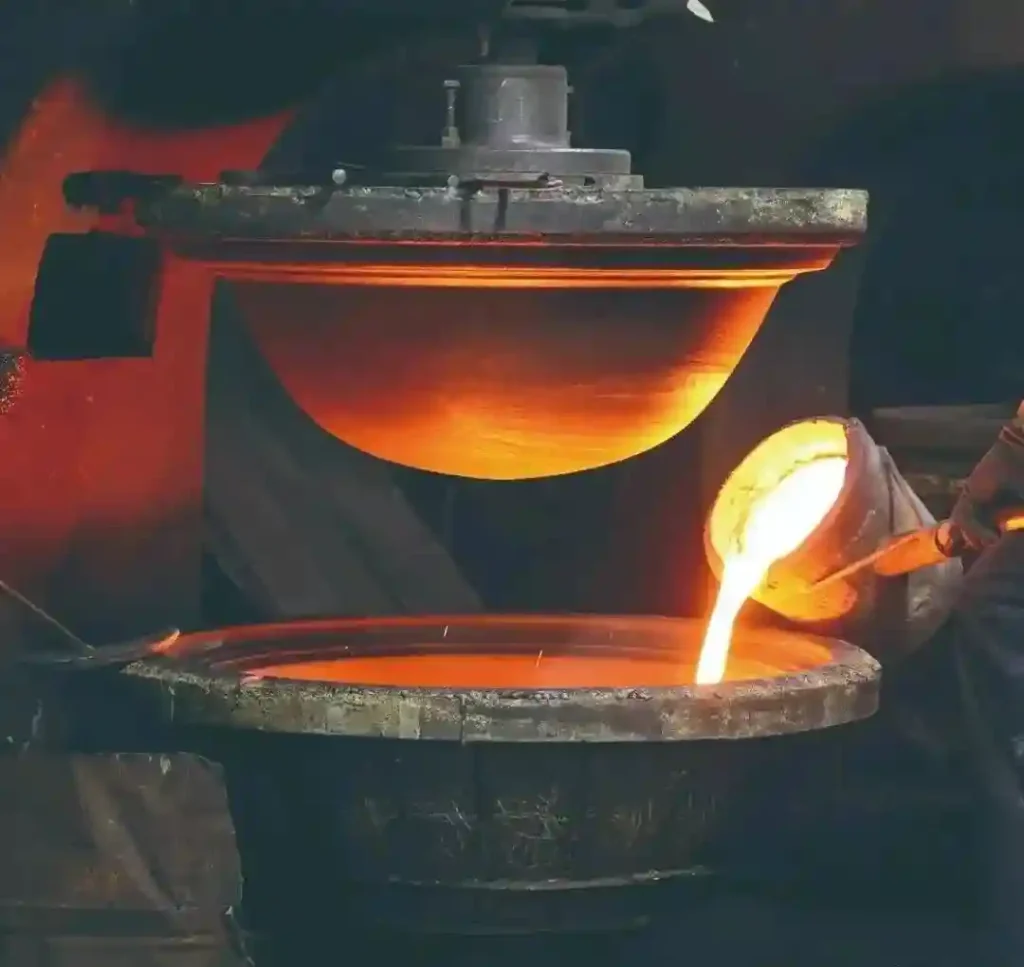
Casting is the process of melting metal into a liquid state and pouring it into a mold. Then it cools and solidifies to form a shape. It is suitable for manufacturing complex internal cavity structures (such as engine blocks) or large components. Tuttavia, getti have relatively weak impact resistance and are prone to porosity and sand holes. Tuttavia, molds can be reused, making it suitable for mass production with lower costs, and it is applicable to non-load-bearing parts and complex-shaped components.
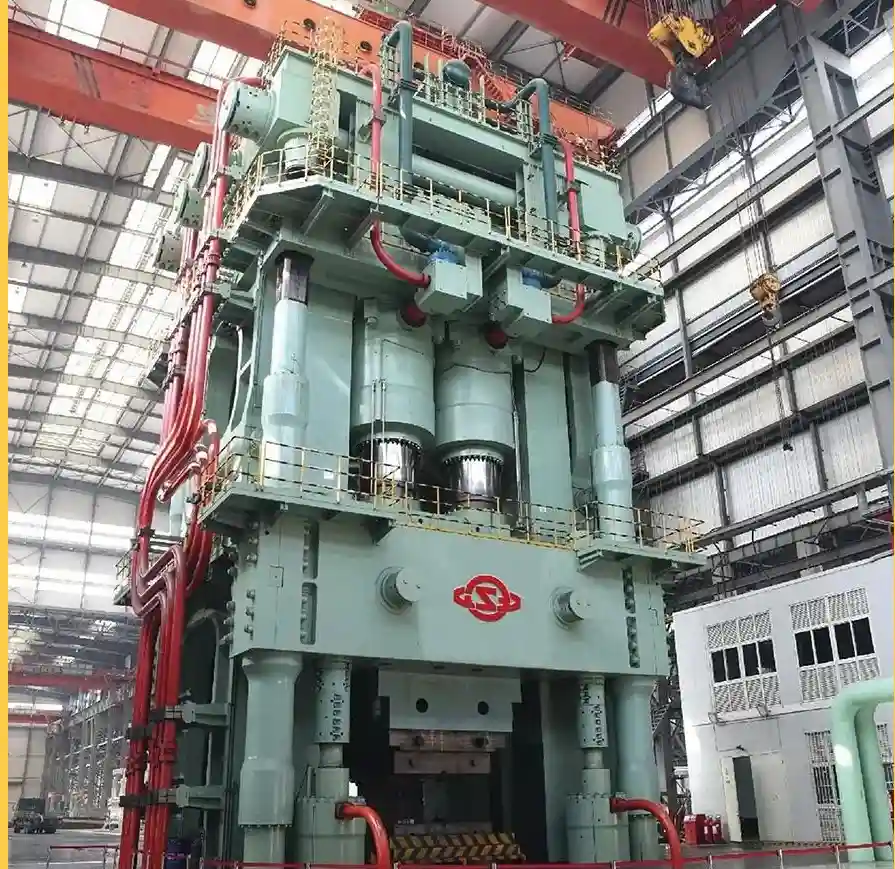
Forging involves mechanically deforming solid metal through pressure (hammering or extrusion) to refine grains and eliminate internal defects, thereby enhancing material strength. Forgings have high density, good toughness, and strong impact resistance. Tuttavia, they require high equipment investment and consume a lot of energy. They are more suitable for high-value-added products and critical load-bearing parts (such as aircraft blades and bearings).
In April 2023, the Ministry of Industry and Information Technology, the National Development and Reform Commission, and the Ministry of Ecology and Environment jointly issued the “Guiding Opinions on Promoting High-Quality Development of the Foundry and Forging Industries”. So it provides a clear roadmap for industry transformation.
The opinion states that by 2025, the overall level of the foundry and forging industries will be further improved, and the ability to ensure the safety and stability of the industrial chain and supply chain of the equipment manufacturing industry will be significantly enhanced.
The industrial structure will become more reasonable, and the industrial layout will be more coordinated with production factors. Breakthroughs will be made in high-end castings and forgings in key fields, and a number of core technologies with independent intellectual property rights will be mastered.
Advanced process technologies such as integrated casting forming, moldless casting, and sand 3D printing will be industrialized. Più di 100 green factories will be cultivated, and the particulate matter pollution emissions of the foundry industry will be reduced by more than 30% compared to 2020.
Sand 3D printing technology has become the “key move” in the transformation of the foundry industry. This advanced process directly manufactures casting sand molds through digital modeling, layer by layer stacking sand and binder like a printer, eliminating the need for traditional wooden or metal molds, significantly improving casting efficiency.
This technology is particularly suitable for producing complex-structured getti, such as engine blocks or aviation parts, not only shortening the production cycle from weeks to hours but also enabling small-batch personalized customization.
Ancora più importante, it has low carbon characteristics. “Traditional casting requires a large amount of mold materials, while sand 3D printing directly forms according to digital models, reducing raw material waste.”
In the 3D printing factory of the Sharing Group, for every ton of qualified sand cores printed, the system automatically generates a “digital slice” containing 12 carbon indicators. How much energy is consumed in raw material transportation? Where does the electricity of the 3D printer go? Even the impact of binder usage on carbon emissions? The energy management system divides the entire casting process into “measurable small units”.
Accurate data leads to targeted emission reduction. Qin Zheng, General Manager of the Industrial Solutions Division of Siemens Energy’s Low-Carbon Industrial Group in Greater China, emphasized: “The accuracy and traceability of energy system data collection are the most fundamental links in digital systems and energy management systems.”
When the system detects that the daily energy consumption of a 3D printer deviates from the benchmark value, it automatically triggers a diagnostic program. Through algorithm optimization of the printing path, the comprehensive emission reduction benefit for a single complex component reaches 21.8%.
The Sharing Group’s global first 10,000-ton casting 3D printing intelligent factory was completed in December 2017, with an annual output of over 20,000 tons of qualified sand cores and a per capita production efficiency three times that of traditional casting.
Here, “five without” production is achieved: no sand boxes, no models, no heavy manual labor, no waste sand or dust emissions, and no temperature differences. Entering the 3D printing workshop, there is no dust, and the waste sand piles have been transformed into arrays of green equipment. Workers only need to wear thin work clothes. During the “14th Five-Year Plan” period, the Sharing Group has made comprehensive efforts in equipment renewal, technological transformation, process optimization, and management strengthening. By the first half of 2025, Sopra 100 energy-saving and consumption-reducing measures of various scales have been implemented. The annual electricity savings have increased by 25% after the transformation of the electric furnace electrode control system. The replacement of the new energy-saving air compressors and sand mold drying equipment has achieved a 20% reduction in electricity consumption per unit.
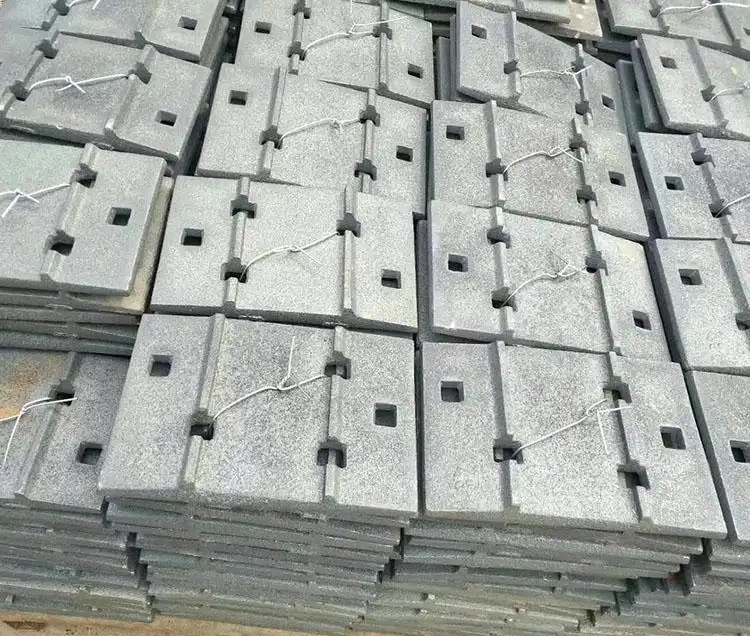
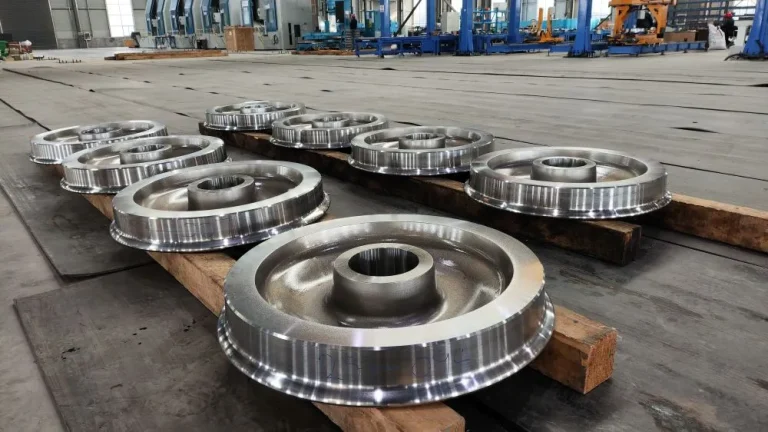
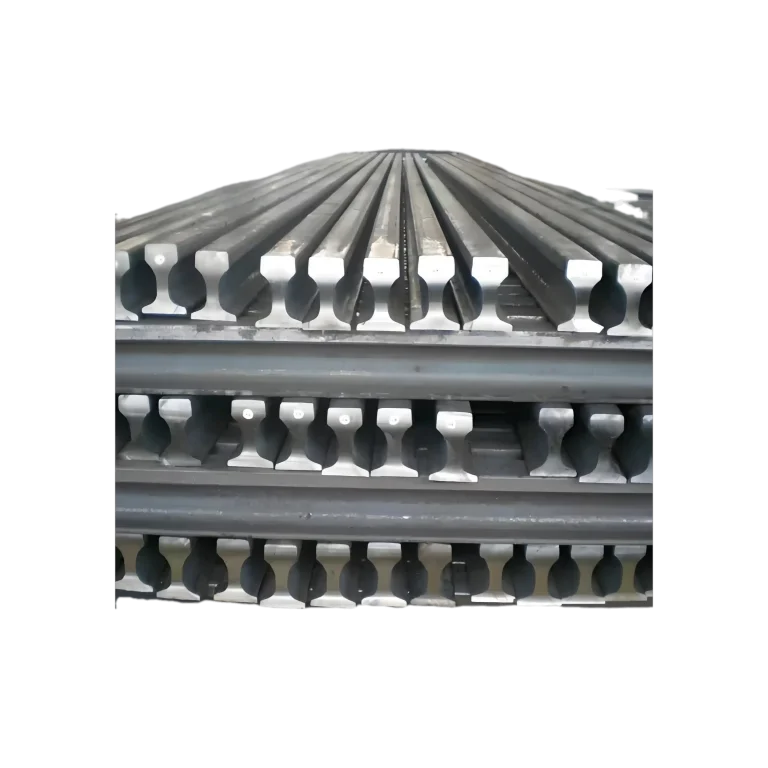
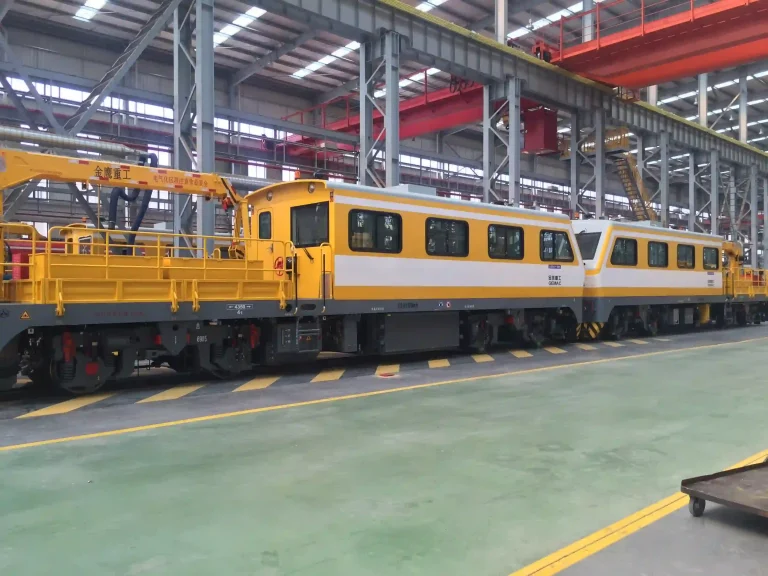
Luoyang Fonyo Heavy Industries Co., Ltd,fondata nel 1998, è un produttore di pezzi fusi per ferrovie. La nostra fabbrica copre un'area di 72.600㎡, con più di 300 dipendenti, 32 tecnici, compreso 5 ingegneri senior, 11 ingegneri assistenti, E 16 tecnici. La nostra capacità produttiva è 30,000 tonnellate all'anno. Attualmente, produciamo principalmente fusione, lavorazione, e assemblaggio per locomotiva,vagone ferroviario,treni ad alta velocità, attrezzature minerarie,energia eolica,ecc.
Siamo la fornitura di componenti ferroviari a CRRC(compreso più di 20 filiali e controllate di CRRC),Macchine per l'ingegneria Gemac,Sanygroup, Industrie pesanti Citic,ecc. I nostri prodotti sono stati esportati in Russia, gli Stati Uniti, Germania, Argentina, Giappone, Francia, Sudafrica,Italia e altri paesi in tutto il mondo.
Informazioni sui contatti:
E-mail:[email protected]
Mobile:008615515321683