Scannez le code WeChat pour nous contacter
Scannez le code WeChat pour nous contacter
N'hésitez pas à nous envoyer un email et nous vous répondrons dans les plus brefs délais.
Créer l'avenir avec cœur et âme


As the global manufacturing industry accelerates its transition toward sustainability, the traditional foundry industry faces severe environmental challenges. As a core foundation for rail transit equipment, the foundry industry consumes an average of 30-50 tons of water per ton of castings produced, with wastewater from the melting process accounting for over 60% of the total plant wastewater. This article will delve into a breakthrough technology—the zero-wastewater meltshop system—and explain how it achieves 100% water recycling through innovative processes, injecting green momentum into rail transit equipment manufacturing.
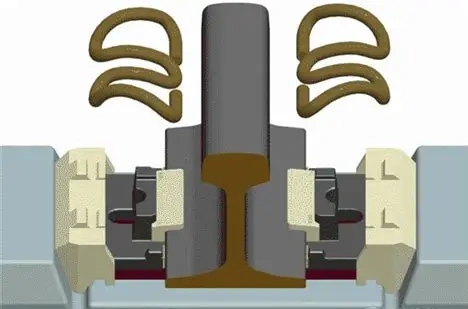
In rail casting production, water consumption and pollution in the meltshop exhibit three key characteristics:
Core equipment, such as medium-frequency induction furnaces and cupolas, requires continuous cooling. Traditional open cooling towers consume 2-5 tons of water per hour through evaporation, generating wastewater containing suspended solids such as iron oxide and silica. Field data from a large steel foundry shows that a single 5-ton electric furnace emits over 18,000 tons of cooling wastewater annually.
After sand removal, castings require high-pressure water jet cleaning, generating 2-3 tons of sand-laden wastewater per ton of castings. This wastewater can contain suspended solids (SS) concentrations as high as 5,000-8,000 mg/L and carry organic pollutants such as mold release agents and lubricants.
The flue gas generated during the smelting process (containing PM2.5, SO₂, etc.) must be purified through a spray tower, consuming hundreds of tons of water per hour and generating acidic wastewater containing heavy metal ions. If improperly treated, the pH value of the water can plummet to below 3.
By integrating materials science, fluid dynamics, and intelligent control technologies, the new generation zero wastewater system establishes a four-level protection network:
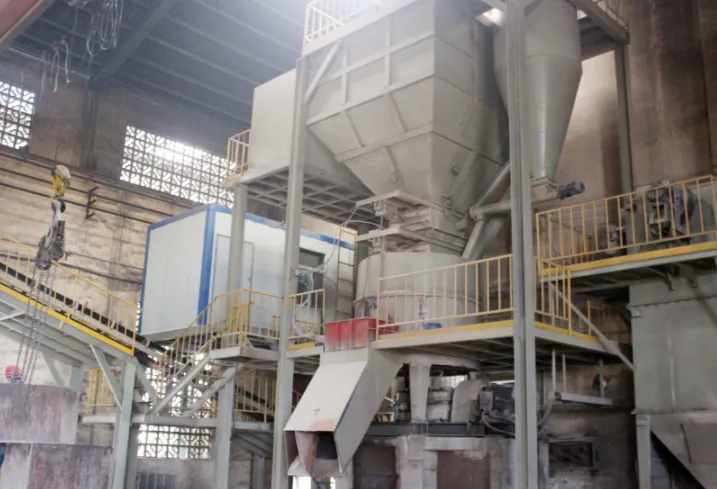
This system utilizes a “ceramic multi-cyclone + pulse bag” composite dust removal process:
Flue gas first enters the ceramic cyclone separator, where 1200 rpm centrifugal force separates 95% of large particles. The remaining fine particles enter the coated fiberglass bag and are cleaned with a 0.6 MPa pulse jet. Dust removal efficiency reaches 99.9%, with dust emission concentrations below 5 mg/m³. This system completely replaces wet spraying, économie 120,000-150,000 tons of water annually.
Innovative “air cooling-phase change” dual-mode cooling technology:
Development of a three-stage treatment process for cleaning wastewater:
Establishing an emergency mechanism of “qualitative reuse + evaporation and crystallization”:
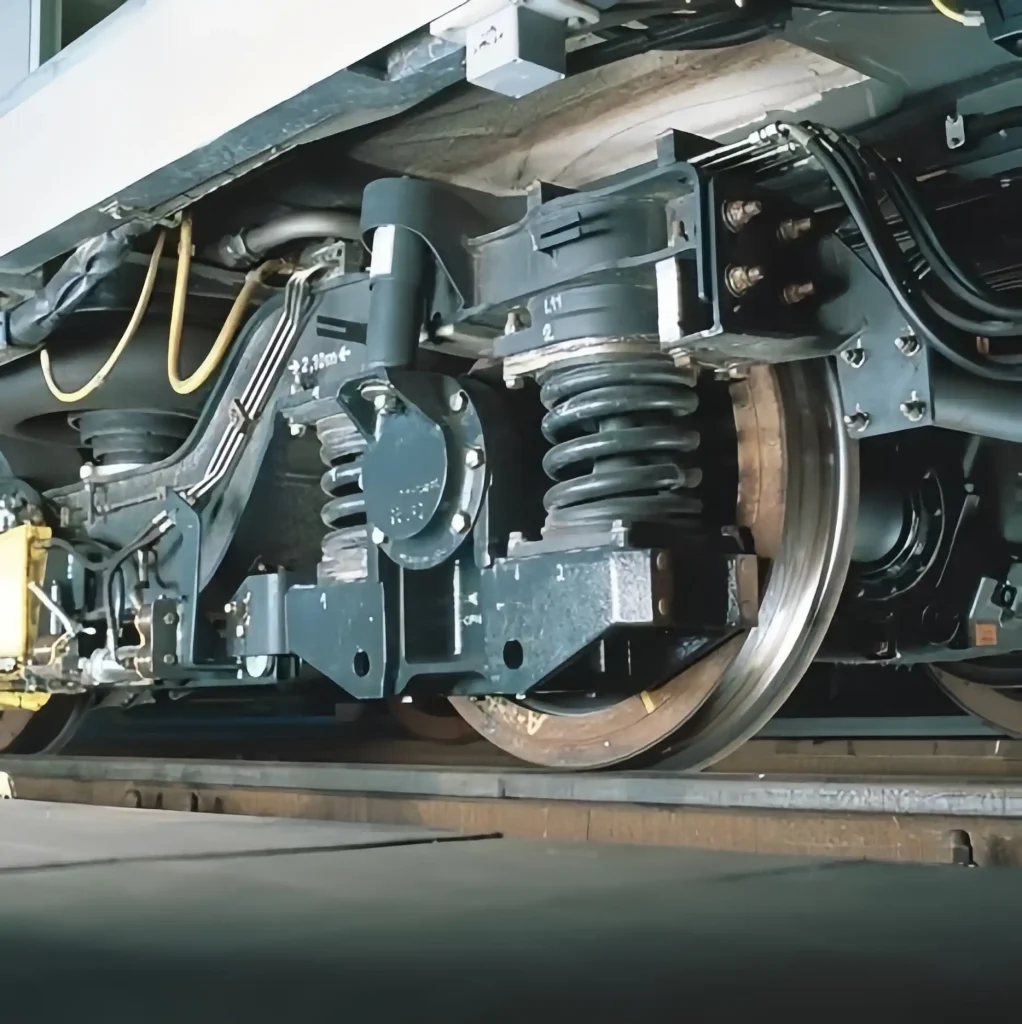
The implementation of this technology system has brought significant comprehensive benefits:
Actuellement, zero-wastewater technology is undergoing iterative upgrades towards intelligentization:
Building a virtual water plant model uses AI algorithms to predict water quality changes and dynamically optimize reagent dosage, resulting in an expected 15% reduction in treatment costs.
Developing hydrogen-based direct reduction ironmaking technology eliminates flue gas generation in the smelting process at the source, eliminating the source of spray wastewater.
Establishing a standard material library for foundry wastewater treatment, promoting industry-wide sharing of key resources such as water treatment strains and adsorbent materials, and lowering the barriers to transformation for small and medium-sized enterprises.
Driven by the “dual carbon” goals, green foundry has become a core advantage for Chinese manufacturing in global competition. Through technological innovation and ecosystem collaboration, the rail transit equipment industry is writing a new paradigm for efficient water resource utilization, contributing Chinese wisdom to global sustainable development.
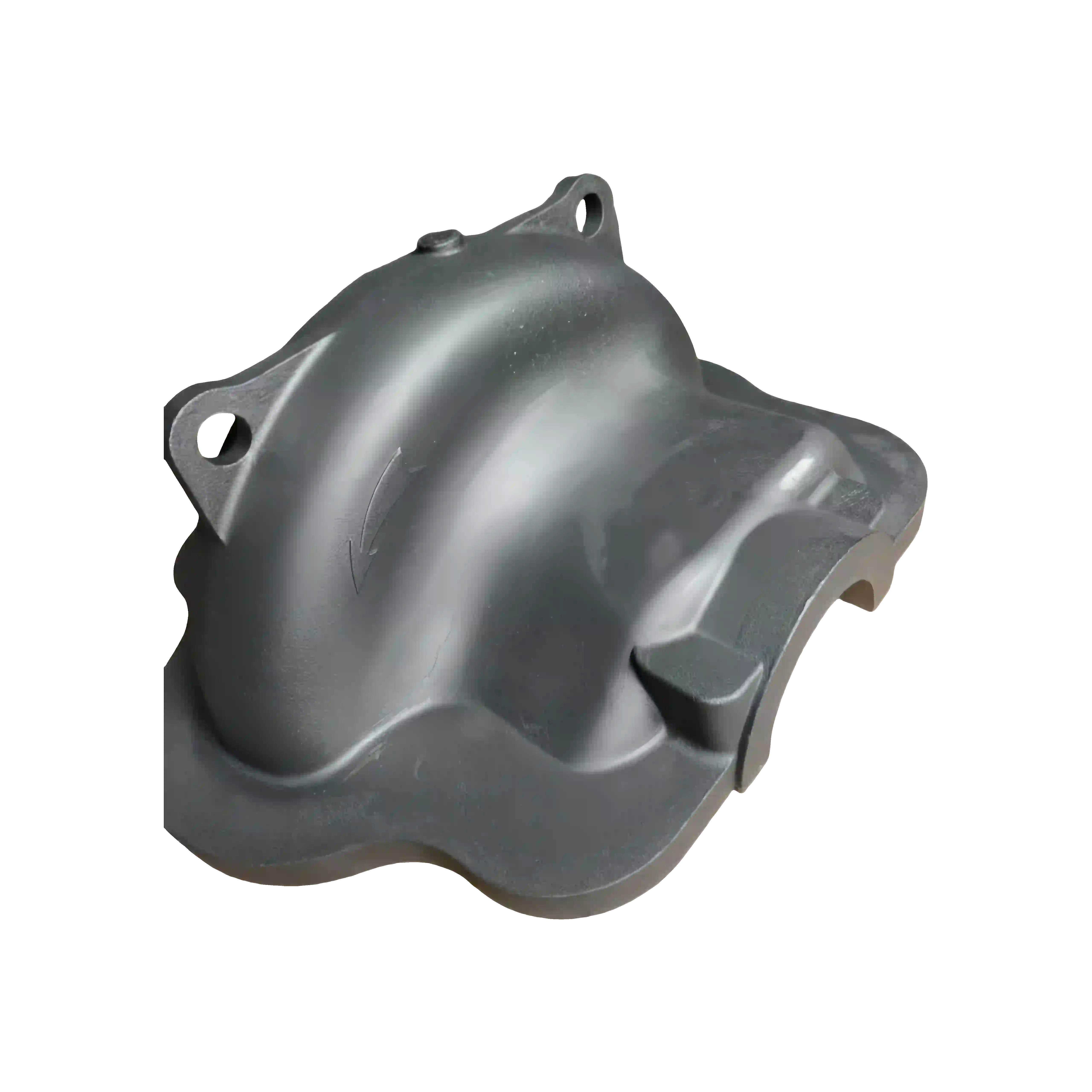
Luoyang Fonyo Heavy Industries Co., Ltée, fondée en 1998, est un fabricant de pièces ferroviaires en fonte. Notre usine couvre une superficie de 72 600㎡, avec plus de 300 employés, 32 techniciens, y compris 5 ingénieurs supérieurs, 11 ingénieurs adjoints, et 16 techniciens. Notre capacité de production est 30,000 tonnes par an. Actuellement, nous produisons principalement du moulage, usinage, et montage pour locomotive, wagon, trains à grande vitesse, équipement minier, énergie éolienne, etc.. Nos produits ont été exportés vers la Russie, les États-Unis, Allemagne, Argentine, Japon, France, Afrique du Sud, Italie et autres pays.
Contact: Stella Liu
E-mail: [email protected]
WhatsApp: +86-152-3615-7103