Scannez le code WeChat pour nous contacter
Scannez le code WeChat pour nous contacter
N'hésitez pas à nous envoyer un email et nous vous répondrons dans les plus brefs délais.
Créer l'avenir avec cœur et âme


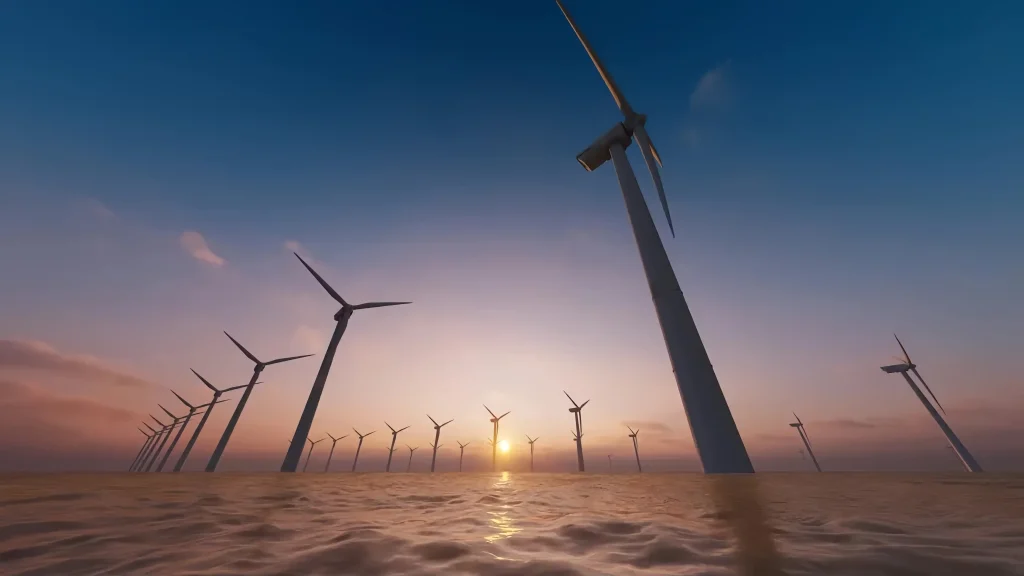
In the wave of global energy transformation, le énergie éolienne industry is expanding at an alarming rate. Cependant, when people focus on the light rotation of blades and the towering towers, few people notice that the “invisible cornerstone” supporting this green revolution – the casting industry- is undergoing a silent environmental revolution. At a time when the “dual carbon” goals and ESG (environment, society and governance) concepts are sweeping the world, a Chinese casting factory has not only achieved a cliff-like decline in carbon emissions with its “métal chaud vert” technology, but also opened the door to orders from international wind power giants.
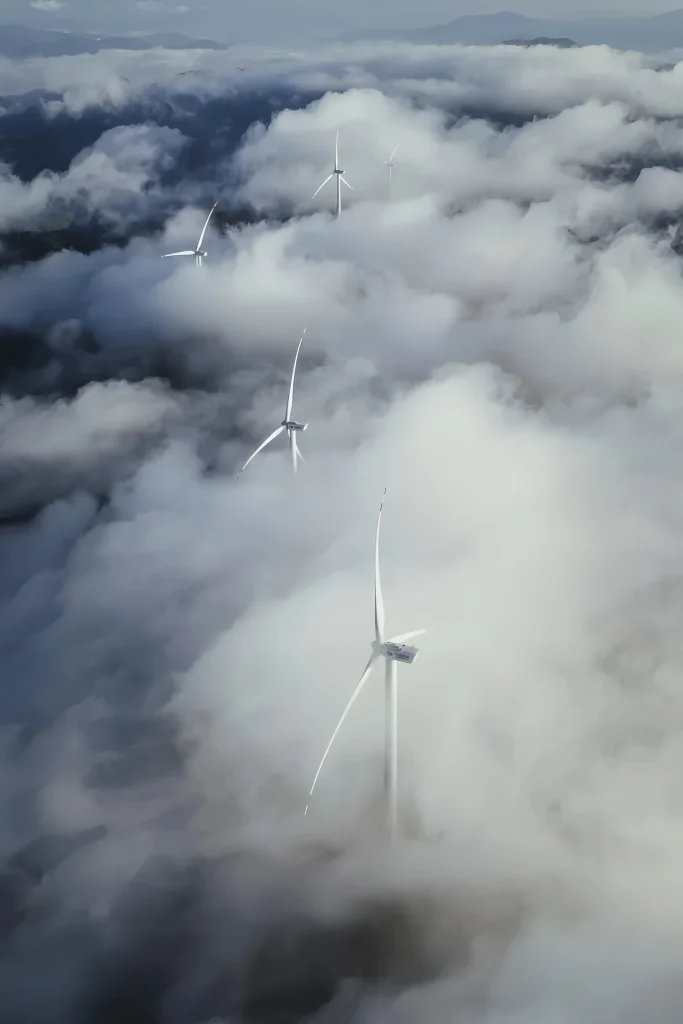
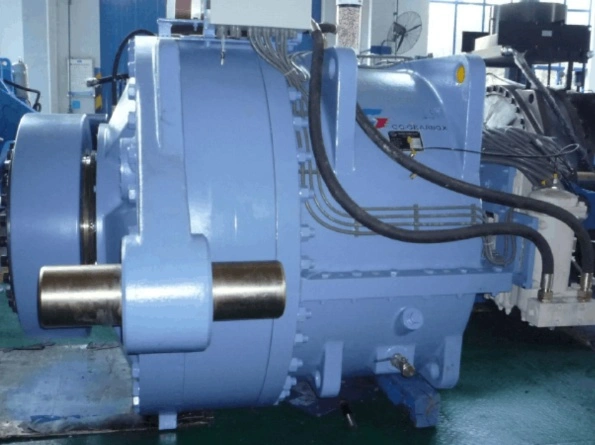
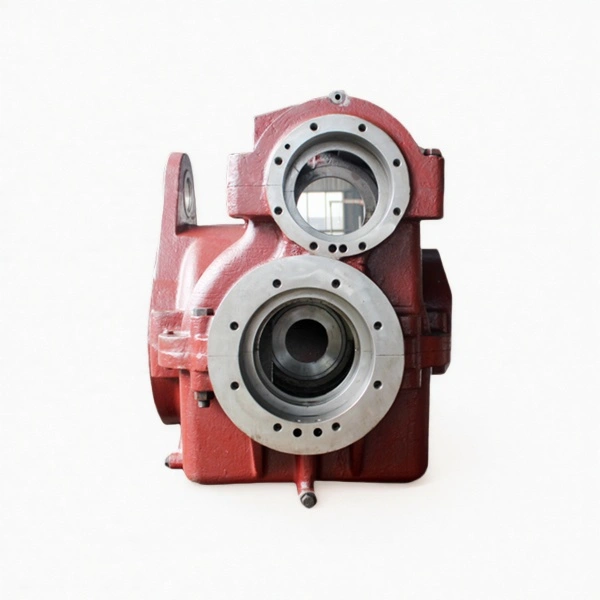
Wind power castings are key components of wind turbines, including hubs, bases, carters de boîte de vitesses, etc., and their quality directly affects the life and stability of wind turbines. Cependant, traditional casting production is a typical “high-carbon industry”: taking blast furnace smelting as an example, every ton of casting production consumes about 1.6 tons of iron ore, 0.6 tons of coke, and emits 1.2 tonnes de dioxyde de carbone, which is equivalent to the carbon emissions of a fuel car driving 600 kilomètres. What is more serious is that as the capacity of wind power units jumps from 3 megawatts to 15 megawatts, the size and weight of castings are growing exponentially. If the carbon emission problem in the production link is not solved, le “green attributes” of wind power throughout its life cycle will be greatly reduced.
Facing the pain points of the industry, a casting company took the lead in playing the “green molten iron” technology card. The core lies in replacing the traditional “minerai de fer + blast furnace” process with “scrap steel recycling + electric furnace smelting”: by recycling scrap steel from automobiles, construction and other fields as raw materials, combined with fully enclosed electric furnace smelting technology, the carbon footprint is reduced by 35%. According to calculations, this process only emits 0.78 tons of CO₂ for every ton of castings produced. If green electricity is used, carbon emissions can be further reduced to less than 0.4 tonnes.
Behind this change is a thorough reconstruction of the technical path. Traditional blast furnaces rely on coke to reduce iron ore, while electric furnaces directly use electricity to melt scrap steel, eliminating high-pollution links such as coking and sintering. More importantly, scrap steel belongs to “urban minerals”, and its recycling energy consumption is only 1/3 of that of primary ore, and it does not produce tailings pollution. The person in charge of the company said, “Every ton of scrap steel we use is equivalent to reducing 1.6 tons of iron ore mining, 0.8 tons of coal consumption and 3 tons of wastewater discharge.”
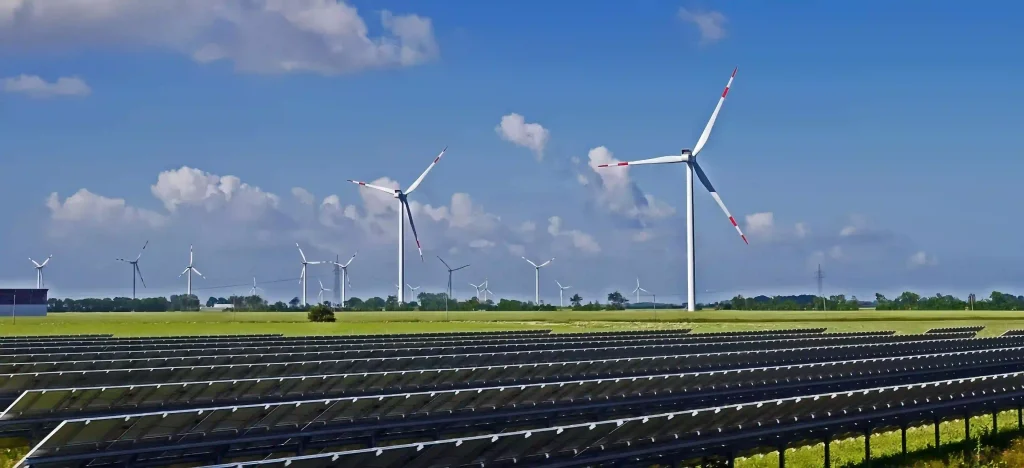
The ESG requirements of the wind power industry are reshaping the competitive landscape of the supply chain. International wind power giants have clearly included suppliers’ carbon footprints in the bidding scoring system, and some companies even require that the carbon emissions of castings throughout their life cycle be reduced by more than 20% compared with the industry benchmark. In this context, “métal chaud vert” technology has become a key bargaining chip for companies to seize the market.
“Green castings are not a plus point, but a ticket to future orders.” This statement by the company’s marketing director reveals the urgency of the industry’s transformation. It is reported that its products have passed the carbon certification of the world’s leading wind power companies and won orders for European offshore wind power projects. The more far-reaching impact is that this model is driving the entire casting industry to transform towards low carbonization – many domestic companies have followed up on the layout of electric furnace short-process technology, and the industry’s average carbon emission intensity has dropped by 18% compared with five years ago.
Although the “métal chaud vert” technology has made breakthroughs, the low-carbon path of the casting industry still faces challenges. Par exemple, the electric furnace process has extremely high requirements for scrap steel quality, and there is a shortage of high-end scrap steel resources in China; the insufficient proportion of green electricity has led to high indirect emissions; some companies are waiting and watching due to the high cost of equipment transformation. In this regard, industry experts suggest that it is necessary to accelerate the popularization of technology through policy guidance (such as carbon tax and subsidies), build a standardized system for scrap steel recycling, and promote wind power companies and casting factories to establish a joint prevention and control mechanism for carbon footprint.
Aujourd'hui, as wind power installed capacity continues to rise, the green transformation of the casting industry is not only a corporate responsibility, but also a key link in the success or failure of the entire energy revolution. When “green molten iron” pours out of the steel body of the wind power giant, what we see is not only a victory of technology, but also a vivid example of a traditional industrial category self-innovating and regaining new life in the era of carbon neutrality. As the new industry slogan says, “Without green castings, there is no real green wind power.”
Luoyang Fonyo Heavy Industries Co., Ltée, fondée en 1998, est un fabricant de pièces ferroviaires en fonte. Notre usine couvre une superficie de 72 600㎡, avec plus de 300 employés, 32 techniciens, y compris 5 ingénieurs supérieurs, 11 ingénieurs adjoints, et 16 techniciens. Notre capacité de production est 30,000 tonnes par an. Actuellement, nous produisons principalement du moulage, usinage, et montage pour locomotive, wagon, trains à grande vitesse, équipement minier, énergie éolienne, etc.. Nos produits ont été exportés vers la Russie, les États-Unis, Allemagne, Argentine, Japon, France, Afrique du Sud, Italie et autres pays.
Contact: Stella Liu
E-mail:[email protected]
Mobile:+8615515351287